Have you ever wondered what keeps your car’s engine running smoothly? One crucial component is the spark plug, and its tiny, yet vital, gap.
Understanding what a spark plug gap is can save you from unexpected engine troubles and boost your vehicle’s performance. You might not realize it, but this small detail can have a big impact on how efficiently your car runs. Imagine driving with confidence, knowing that your engine is functioning at its best.
By learning about the spark plug gap, you can ensure your vehicle remains in top shape, saving you time and money on repairs. So, let’s dive into the world of spark plugs and discover why this gap is so important for your engine’s health.
Spark Plug Gap Basics
Understanding spark plug gap basics is key to keeping your engine running smoothly. The spark plug gap refers to the distance between the center and ground electrode. This tiny space plays a big role in engine ignition and overall performance.
Correct spark plug gap ensures the spark ignites the air-fuel mixture efficiently. A gap too wide or too narrow can cause misfires, rough idling, and poor fuel economy. Knowing the basics helps in proper maintenance and better engine health.
What Spark Plug Gap Means
The spark plug gap is the small space where the spark jumps to ignite fuel. It is measured in thousandths of an inch or millimeters. This gap controls the spark’s strength and timing during ignition.
Manufacturers specify the ideal gap size for each engine type. The right gap ensures a strong, consistent spark. This sparks the combustion process that powers the engine.
How Gap Affects Engine Performance
A gap too small creates a weak spark. This weak spark may not ignite the fuel fully. The result: poor engine power and lower fuel efficiency.
A gap too large makes the spark harder to jump. This causes misfires and rough engine running. Engine starting may also become difficult.
Proper gap size helps the engine run smoothly and saves fuel. It reduces harmful emissions and extends spark plug life. Regular gap checks keep your engine in top shape.

Credit: craigscarcare.com
Recommended Gap Sizes
Getting the spark plug gap just right is essential for your engine’s performance and fuel efficiency. The gap size affects how the spark ignites the air-fuel mixture inside the combustion chamber. If the gap is too wide or too narrow, your engine might misfire, run rough, or lose power.
Manufacturer Specifications
Every vehicle manufacturer sets a specific spark plug gap size based on the engine design. These specifications can usually be found in your owner’s manual or on a sticker under the hood. Following these guidelines ensures your engine runs smoothly and avoids costly damage.
Manufacturers often recommend gap sizes between 0.028 to 0.060 inches, but it varies widely. Using a gap tool to measure and adjust the gap is a simple way to meet these specs exactly.
Differences For Engine Types
Different engines require different gap sizes depending on their design and combustion needs. For example, high-performance engines usually need a larger gap to produce a stronger spark for better combustion.
On the other hand, engines with turbochargers or high compression often require a smaller gap to prevent misfires. Diesel engines, which use compression ignition instead of spark plugs, don’t have spark plug gaps at all.
Have you ever checked your spark plug gap and found it way off from the recommended size? Adjusting it to the right measurement can improve your vehicle’s fuel economy and reduce emissions noticeably.
Measuring The Spark Plug Gap
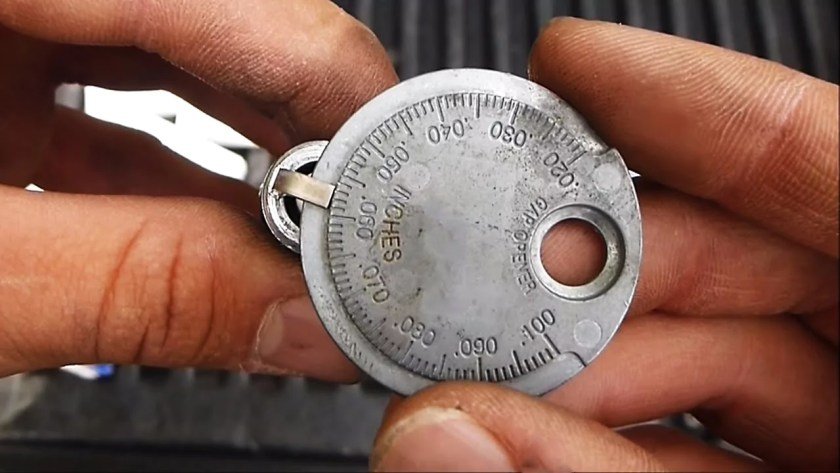
Measuring the spark plug gap is a simple task. It helps ensure your engine runs smoothly. The gap affects how the spark ignites the fuel-air mix. A wrong gap can cause poor performance or hard starts. Checking the gap takes just a few minutes. It needs a few basic tools and careful steps. Let’s explore what you need and how to measure it accurately.
Tools Needed
- Spark plug gap gauge or feeler gauge
- Flat ruler or wire gauge (optional)
- Clean cloth to wipe the plug
- Pliers or spark plug tool to remove the plug
Step-by-step Measurement
- Remove the spark plug carefully from the engine.
- Clean the plug’s electrode with a cloth to remove dirt.
- Select the correct gauge tool for your spark plug model.
- Insert the gauge between the center and ground electrode.
- Check if the gauge slides in with slight resistance.
- If the gauge is too tight or loose, adjust the gap gently.
- Bend the ground electrode slightly to increase or decrease the gap.
- Repeat the measurement to confirm the correct gap size.
- Reinstall the spark plug back into the engine securely.

Credit: www.youtube.com
Adjusting The Gap
Adjusting the spark plug gap is a crucial task that directly impacts your engine’s performance. The gap controls the spark size, affecting combustion efficiency. If the gap is too wide or too narrow, your vehicle might struggle with starting, idling, or fuel consumption.
Proper Gap Adjustment Techniques
Start by checking the recommended gap size in your vehicle’s manual or on the spark plug packaging. Use a feeler gauge to measure the gap precisely—this tool gives you a quick and accurate reading.
To adjust the gap, gently bend the ground electrode. Use a spark plug gap tool designed for this purpose to avoid damaging the plug. Always work slowly and check the gap after each small adjustment to prevent over-bending.
Keep the electrode clean and avoid touching the ceramic insulator with greasy hands. A clean spark plug ensures consistent ignition. After adjustment, double-check the gap before installation to confirm it matches the specification.
Common Mistakes To Avoid
One frequent mistake is forcing the gap too wide or too tight. This can damage the electrode or cause misfiring. Avoid using makeshift tools like screwdrivers, which can bend the electrode unevenly.
Don’t overlook the importance of a clean workspace. Dirt and debris can enter the gap and affect the spark. Also, never reuse old or worn plugs that show signs of damage or corrosion, even if the gap looks perfect.
Have you ever skipped gap adjustment and faced rough engine performance? Ignoring this simple step can lead to costly repairs down the line. Taking a few minutes to adjust the spark plug gap can save you from headaches and improve your ride quality.
Impact Of Incorrect Gaps
Setting the correct spark plug gap is more than just a technical detail—it directly affects how your engine runs. An incorrect gap can cause a range of problems that might seem unrelated at first but actually stem from this tiny space. Understanding the impact of too wide or too narrow gaps can save you from frustrating engine issues and costly repairs.
Symptoms Of Too Wide Or Narrow Gap
If your spark plug gap is too wide, the spark may struggle to jump across, causing weak ignition. This often leads to engine misfires, rough idling, and difficulty starting your vehicle.
On the other hand, a gap that’s too narrow can produce a weak spark that doesn’t fully ignite the fuel-air mixture. You might notice sluggish acceleration, lower power output, or increased engine knocking.
Have you ever experienced a car that hesitates or stumbles during acceleration? The spark plug gap could be the hidden culprit behind these symptoms.
Effects On Fuel Efficiency And Emissions
Incorrect spark plug gaps reduce the efficiency of combustion, meaning your engine burns more fuel than necessary. This not only wastes fuel but also increases the cost of running your vehicle.
Incomplete combustion from poor spark can lead to higher emissions of harmful gases. This affects the environment and might cause your car to fail emission tests.
Paying attention to the spark plug gap can improve fuel economy and reduce your vehicle’s environmental footprint. Is it worth risking extra fuel costs and pollution just to skip a quick gap check?
Credit: www.vanguardpower.com
Maintaining Optimal Spark Plug Gap
Maintaining the optimal spark plug gap is key to keeping your engine running smoothly and efficiently. The gap controls the spark size that ignites the air-fuel mixture, directly affecting your vehicle’s performance. If the gap is too wide or too narrow, you’ll notice issues like poor fuel economy, rough idling, or difficulty starting your engine.
Regular Inspection Tips
Check your spark plug gap every 10,000 to 15,000 miles or during routine maintenance. Use a feeler gauge to measure the gap accurately—don’t rely on guesswork. If the gap is off, gently adjust it by bending the ground electrode, but be careful not to damage the plug.
Keep an eye out for carbon deposits or oil fouling on the plug, which can affect the gap and overall performance. Clean the spark plug using a wire brush if you spot buildup. Regular inspection helps you catch problems early before they impact your engine’s health.
When To Replace Spark Plugs
You should replace spark plugs if the gap can’t be adjusted back to the recommended size or if the electrodes are worn down. Many manufacturers suggest changing plugs every 30,000 to 50,000 miles, but check your vehicle’s manual for specifics. Signs like misfires, sluggish acceleration, or increased fuel consumption often mean it’s time for new plugs.
Don’t wait for a breakdown to replace your spark plugs. Have you noticed your car hesitating or taking longer to start? These are clear signals that worn or improperly gapped plugs might be the culprit. Replacing them ensures consistent engine performance and helps avoid costly repairs down the road.
Advanced Tips For Performance Enthusiasts
Advanced tips for performance enthusiasts focus on fine-tuning the spark plug gap. Adjusting this gap can improve combustion and engine response. Small changes affect power output, fuel efficiency, and throttle response.
Performance tuning requires careful attention to the spark plug gap. It depends on engine type, fuel type, and driving conditions. Using the right gap ensures better ignition and smoother performance.
Customizing Gaps For Racing
Racing engines often need a wider spark plug gap than standard engines. A wider gap creates a larger spark, igniting the fuel-air mix faster. This boosts power and throttle response on the track.
- Check the manufacturer’s recommendations for your engine type.
- Test different gaps on a dyno to find the best setting.
- Use precision tools to measure and adjust the gap accurately.
- Keep in mind the engine’s compression and ignition system strength.
Customizing gaps demands careful balance. Too wide a gap causes misfires. Too narrow reduces spark strength and power.
Using High-performance Spark Plugs
High-performance spark plugs use advanced materials like iridium or platinum. These materials allow for a smaller electrode that lasts longer and heats efficiently.
- Smaller electrodes support wider gaps without misfiring.
- They provide a stronger, more consistent spark.
- These plugs withstand higher temperatures and stress.
- Improve ignition reliability in high-performance engines.
Combining high-performance plugs with the right gap improves combustion. This results in better acceleration and fuel economy.
Frequently Asked Questions
What Is The Ideal Spark Plug Gap Size?
The ideal spark plug gap size varies by vehicle model. It typically ranges from 0. 028 to 0. 060 inches. Check your owner’s manual for exact specifications to ensure optimal engine performance and fuel efficiency.
How Does Spark Plug Gap Affect Engine Performance?
The spark plug gap influences ignition quality. A correct gap ensures proper spark strength, improving combustion and power. Incorrect gaps can cause misfires, rough idling, and reduced fuel economy.
How Do I Measure Spark Plug Gap Accurately?
Use a feeler gauge to measure the gap between the electrodes. Insert the gauge gently without forcing it. Adjust the gap carefully using a gap tool to match manufacturer recommendations.
Can An Incorrect Spark Plug Gap Damage My Engine?
Yes, an incorrect gap can cause misfires and incomplete combustion. This may lead to engine knocking, reduced performance, and increased emissions. Always maintain the correct gap for engine longevity.
Conclusion
Spark plug gap plays a key role in engine performance. A correct gap ensures smooth starting and better fuel use. Too wide or too narrow gaps cause misfires or poor power. Checking and adjusting the gap is simple and saves money.
Keep your vehicle running well by maintaining the right spark plug gap. Small changes make a big difference in engine health. Remember, a clean spark plug with the right gap helps your car run strong and clean. Take time to check it regularly for best results.





