Are you ready to unlock the secret to smoother engine performance and better fuel efficiency? The tiny spark plug in your vehicle plays a pivotal role in igniting the power that drives your car, and the gap on your spark plug can make a world of difference.
But how do you measure this elusive gap accurately? It might sound technical, but don’t worry! We’ve broken it down into simple steps that anyone can follow. Imagine enhancing your car’s performance without a mechanic’s fee—sounds good, right? By learning how to measure the gap on your spark plug, you’re not just maintaining your vehicle; you’re investing in its longevity.
Dive in, and discover how this small adjustment can lead to big improvements.

Credit: www.youtube.com
Spark Plug Gap Basics
Understanding the basics of spark plug gap is crucial if you want your engine to run smoothly and efficiently. The spark plug gap affects how well the spark ignites the air-fuel mixture in your engine. Even small changes in this gap can make a noticeable difference in engine performance and fuel economy.
What Is Spark Plug Gap
The spark plug gap is the tiny space between the center and ground electrodes of the spark plug. This gap allows the electrical spark to jump across, igniting the fuel inside the engine. If the gap is too wide or too narrow, the spark might be weak or inconsistent.
Think about it like tuning a radio signal. If the gap is off, the spark might not be strong enough to start the combustion properly. Measuring and adjusting this gap ensures your engine gets the right spark every time.
Why Gap Size Matters
Gap size directly affects the spark’s strength and the engine’s ability to ignite fuel efficiently. A gap that’s too small can cause a weak spark, leading to misfires or poor fuel economy. On the other hand, a gap that’s too large can make it hard for the spark to jump across, causing the engine to stall or hesitate.
Have you ever noticed rough idling or sluggish acceleration? These could be signs that your spark plug gap needs checking. Getting the right gap size helps your engine run cleaner and saves you money on fuel and repairs.
Common Gap Sizes
Most passenger vehicles use spark plug gaps between 0.028 to 0.060 inches (0.7 to 1.5 mm). However, the exact gap depends on your engine’s design and manufacturer specifications.
| Vehicle Type | Typical Gap Size (inches) | Typical Gap Size (mm) |
|---|---|---|
| Standard Passenger Cars | 0.028 – 0.045 | 0.7 – 1.1 |
| High-Performance Engines | 0.040 – 0.060 | 1.0 – 1.5 |
| Motorcycles & Small Engines | 0.020 – 0.040 | 0.5 – 1.0 |
Always check your owner’s manual or the spark plug packaging for the recommended gap. Using the right gap size prevents unnecessary wear and keeps your engine performing at its best.
Tools Needed For Measuring Gap
Measuring the gap on a spark plug needs the right tools. Accurate tools help ensure the gap is perfect for engine performance. Using simple and precise tools can save time and avoid engine issues.
Here are the main tools used to measure the spark plug gap.
Feeler Gauge
A feeler gauge is a thin metal strip set. Each strip has a specific thickness. You slide these strips between the spark plug electrodes. The strip that fits just right shows the gap size. Feeler gauges are easy to use and very common.
Gap Gauge Tool
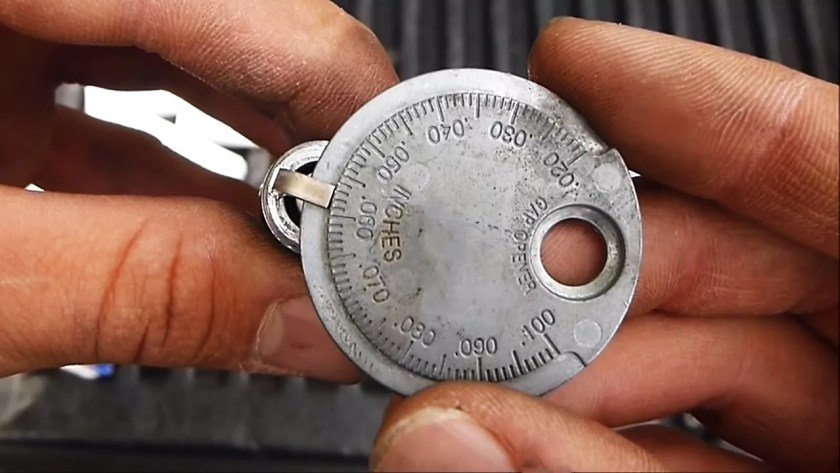
This tool looks like a small round wire. It has different thickness wires or blades. You insert the wire into the gap to check its size. It gives a quick and simple reading. Many spark plug sets come with this tool included.
Digital Caliper
A digital caliper is a precise measuring tool. It shows the measurement on a digital screen. You place the caliper jaws around the spark plug gap. It gives a very accurate reading in millimeters or inches. This tool is best for detailed and exact measurements.
Preparing The Spark Plug
Preparing your spark plug before measuring the gap is essential for an accurate reading. A dirty or damaged spark plug can give false measurements, leading to poor engine performance. Taking a few moments to clean and inspect your spark plug ensures the gap you measure is precise and reliable.
Cleaning The Spark Plug
Start by removing any dirt, grease, or carbon buildup on the spark plug. Use a wire brush or a spark plug cleaner tool to gently scrub the electrode and threads.
Be careful not to damage the electrode while cleaning. If you notice stubborn deposits, a little bit of carburetor cleaner sprayed on the plug can help loosen grime.
Have you ever skipped cleaning and ended up adjusting a gap that was off because of soot? Taking this step saves you from that frustrating mistake.
Inspecting For Damage
After cleaning, closely check the spark plug for cracks, chips, or worn electrodes. Even small damage can affect the spark and cause engine misfires.
Look for signs of burning or melting, which indicate overheating and require a replacement spark plug.
If you spot any damage, don’t measure the gap—replace the plug. Measuring a damaged plug is like trying to fix a cracked mirror; it won’t give you the right picture.

Credit: eurotradefish.com
Step-by-step Gap Measurement
Measuring the gap on a spark plug is a simple task that can greatly improve your engine’s performance. Knowing the exact gap ensures proper ignition and fuel efficiency. Let’s walk through the process with clear steps so you can check your spark plugs confidently.
Selecting The Right Tool
Before measuring, choose the correct tool. A feeler gauge is the most common and accurate for this job. You can also use a spark plug gap tool, which often combines a wire gauge and a flat feeler gauge.
Pick a tool that feels comfortable in your hand and offers clear measurement markings. If you don’t have either, a business card or a matchstick can give a rough estimate, but it’s best to use proper tools for accuracy.
Measuring The Gap
Hold the spark plug firmly and place your chosen gauge between the center and ground electrodes. Gently slide the gauge back and forth; it should fit snugly with a little resistance. If it’s too tight or loose, the gap needs adjusting.
Adjust the gap carefully by bending the ground electrode. Avoid touching the center electrode to prevent damage. Small changes can make a big difference, so move slowly and recheck the gap often.
Interpreting The Measurement
Compare your measurement to the manufacturer’s recommended gap, usually found in your vehicle’s manual. If the gap is too wide, the spark may be weak. Too narrow, and the spark might not ignite fuel properly.
Ask yourself, could a misaligned gap cause your engine’s rough start or lower fuel economy? Keeping the gap within specs ensures consistent engine performance and saves you from costly repairs down the road.
Adjusting The Spark Plug Gap
Adjusting the spark plug gap is essential for your engine’s smooth performance. The gap controls the spark size that ignites the fuel-air mix. A proper gap ensures efficient combustion and better fuel economy.
Check the gap using a feeler gauge before adjusting. Adjusting involves either increasing or decreasing the gap to match the manufacturer’s specification. Small changes can improve engine starting and reduce misfires.
Increasing The Gap
To increase the gap, gently bend the side electrode away from the center electrode. Use a spark plug gap tool or a small flathead screwdriver for this. Move slowly and check the gap often with the feeler gauge.
Increase the gap in small steps. Avoid opening it too wide. A too-large gap can cause weak sparks or misfires.
Decreasing The Gap
To decrease the gap, carefully tap the side electrode against a hard surface. Use gentle taps to avoid breaking the electrode. After each tap, measure the gap again with the feeler gauge.
Do not force the electrodes too close. A too-small gap can cause poor spark and engine performance issues.
Avoiding Damage
Handle spark plugs carefully to avoid damage. The electrodes are fragile and can bend or break easily. Never use pliers directly on the electrodes.
Work slowly and check the gap frequently. Replace the spark plug if the electrode cracks or chips. A damaged spark plug can harm engine performance.

Credit: www.amazon.ca
Tips For Maintaining Proper Gap
Maintaining the proper gap on spark plugs is essential for engine performance. A correct gap ensures efficient combustion and smooth running. It also helps in reducing fuel consumption and emissions. Regular care keeps the spark plug gap within the needed range.
Regular Checks
Check the spark plug gap regularly using a feeler gauge. Clean the spark plugs before measuring to get an accurate reading. Inspect for wear or damage that may affect the gap. Consistent checks prevent engine misfires and poor fuel economy.
Replacing Old Spark Plugs
Old spark plugs tend to have worn or altered gaps. Replace them according to the vehicle’s maintenance schedule. Using fresh spark plugs helps maintain the correct gap and reliable ignition. Never reuse spark plugs that show signs of damage or erosion.
Following Manufacturer Specs
Always set the spark plug gap according to the manufacturer’s guidelines. Specs vary by engine type and model. Use the recommended gap to avoid engine knocking or starting problems. Refer to the owner’s manual or service guide for exact measurements.
Frequently Asked Questions
How Do You Measure The Gap On A Spark Plug?
Use a spark plug gap tool or feeler gauge. Insert the tool between electrodes and check for proper spacing. Adjust the gap by gently bending the ground electrode until it matches the manufacturer’s recommended measurement.
Why Is Spark Plug Gap Important For Engine Performance?
Correct spark plug gap ensures efficient ignition and fuel combustion. It improves engine power, fuel efficiency, and reduces emissions. An incorrect gap can cause misfires, rough idling, and poor acceleration.
What Is The Ideal Spark Plug Gap Size?
The ideal gap size varies by vehicle and spark plug type. Typically, it ranges from 0. 025 to 0. 060 inches. Always check the vehicle manual or spark plug manufacturer’s specifications for the exact gap measurement.
Can I Use A Wire Gauge To Measure Spark Plug Gap?
Yes, a wire gauge is commonly used to measure spark plug gaps. It provides an accurate reading by fitting between the electrodes. Ensure to use the correct gauge size recommended for your spark plug.
Conclusion
Measuring the gap on a spark plug helps your engine run better. Use a feeler gauge to check the space carefully. Adjust the gap to the size your vehicle’s manual says. A correct gap means better fuel use and less pollution.
Keep your spark plugs clean and well-set for smooth starts. Regular checks can save you time and money on repairs. Small steps like this make a big difference in engine health. Easy to do, yet important for any vehicle owner.





