Imagine you’re cruising down the road, enjoying a smooth drive, when suddenly your car starts to sputter and lose power. The culprit might just be a tiny component you rarely think about – the spark plug.
You might wonder, how does a spark plug go bad, and what does it mean for your vehicle? Understanding this can save you from unexpected breakdowns and costly repairs. We’ll unravel the mystery behind failing spark plugs and show you how to spot the signs before they leave you stranded.
Stay with us, and you’ll gain the knowledge to keep your car running smoothly and efficiently.
Spark Plug Basics
Spark plugs play a key role in your vehicle’s engine. They deliver the spark that ignites the air-fuel mixture inside the engine cylinders. This ignition creates the power needed to move your car. Understanding the basics of spark plugs helps you recognize their importance and signs of wear.
Role In Engine Performance
Spark plugs create sparks to start combustion. They ensure the engine runs smoothly and efficiently. Bad spark plugs cause misfires, rough idling, and poor fuel economy. Clean and working spark plugs improve acceleration and lower emissions. They affect engine power and overall vehicle performance.
Types Of Spark Plugs
Several types of spark plugs exist, each with unique features. Common types include:
- Copper Spark Plugs:Good for older engines, offer excellent conductivity but wear faster.
- Platinum Spark Plugs:Last longer than copper, resist fouling better.
- Iridium Spark Plugs:Most durable, provide strong sparks and long life.
- Double Platinum Spark Plugs:Have platinum on both electrodes for better performance.
Choosing the right spark plug depends on your engine type and driving habits. Proper plugs keep your engine running at its best.

Credit: www.reddit.com
Common Signs Of A Bad Spark Plug
Identifying the common signs of a bad spark plug can save you from unexpected car troubles. Spark plugs play a crucial role in igniting the fuel-air mixture in your engine. When they start to fail, your vehicle’s performance changes noticeably. Recognizing these signs early helps you take action before the problem worsens.
Engine Misfires
One of the clearest signals of a bad spark plug is engine misfires. You might feel sudden jerks or hesitation when accelerating. This happens because the spark plug isn’t firing properly, causing incomplete combustion.
Have you noticed your car stuttering or shaking during drives? That’s a red flag that your spark plugs may need attention.
Poor Fuel Economy
Are you filling up your gas tank more often than usual? Bad spark plugs lead to inefficient fuel burning, which means your car consumes more fuel.
This can quickly become expensive, especially if you ignore the warning signs. Improving spark plug health can help you save money on fuel.
Difficulty Starting
Struggling to start your vehicle, especially on cold mornings? Faulty spark plugs can make ignition harder because they fail to create a strong spark.
If you’ve experienced longer cranking times or repeated attempts before the engine catches, it’s time to check those plugs.
Rough Idling
When your engine idles roughly or vibrates excessively, bad spark plugs might be the cause. This happens as inconsistent sparks disrupt smooth engine operation.
Pay attention if your car feels unstable while stopped at a light or in traffic. It’s a clear sign to inspect your spark plugs.
Loss Of Power
Have you felt your car lacks the usual punch when you accelerate? A decline in power can be traced back to spark plugs that no longer perform efficiently.
Your engine needs a strong spark for optimal power output. Don’t let worn plugs reduce your driving experience.
Main Causes Of Spark Plug Failure
Spark plugs play a key role in engine performance. They ignite the air-fuel mix inside cylinders. Over time, spark plugs can fail due to several reasons. Understanding these causes helps maintain your vehicle better. Below are the main causes of spark plug failure.
Carbon Deposits
Carbon buildup forms from incomplete fuel burning. It creates a layer on the spark plug tip. This layer blocks sparks and reduces performance. Engines running rich fuel mixtures or short trips cause more carbon deposits.
Wear And Tear
Spark plugs wear out after long use. The electrodes slowly erode with each spark. This wear increases the gap size and weakens the spark. Regular replacement is necessary to keep the engine running well.
Overheating
High engine temperature can overheat spark plugs. Overheating melts the electrode edges and damages insulation. Causes include wrong heat range plugs or engine timing issues. Overheated plugs cause misfires and poor fuel economy.
Oil Contamination
Oil leaking into the combustion chamber can foul spark plugs. Oil coats the plug and stops it from sparking. Worn piston rings or valve seals often cause oil contamination. This issue leads to rough engine running and poor ignition.
Incorrect Gap Size
The spark plug gap must match engine specifications. A gap too small or large weakens the spark. Incorrect gap size causes misfires and lowers engine efficiency. Always check and set the gap during installation.

Credit: www.reddit.com
Diagnosing Spark Plug Issues
Diagnosing spark plug issues helps keep your engine running smoothly. Bad spark plugs cause poor fuel economy and engine misfires. Early detection prevents costly repairs and boosts car performance.
Visual Inspection Tips
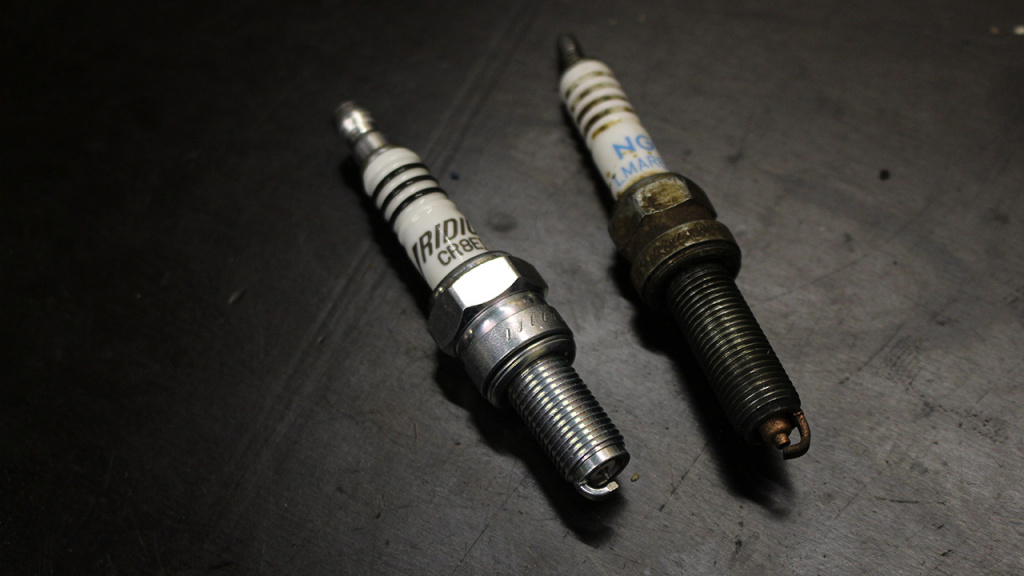
Remove the spark plug carefully. Check for cracks or damage on the ceramic insulator. Look for black soot or oily deposits on the tip. These signs indicate fouling or oil leakage. A worn electrode appears rounded or eroded. Use a magnifying glass to see small cracks or burns. Compare the plug color with a healthy spark plug. A light tan or gray color shows good condition.
Using A Spark Plug Tester
A spark plug tester shows if the plug produces a strong spark. Connect the tester to the plug and the ignition wire. Crank the engine while watching the tester. A bright, blue spark means the plug works well. Weak or no spark signals a faulty plug. Test each spark plug individually for accurate results. This tool helps find ignition problems quickly.
When To Replace
Replace spark plugs if you see cracks, heavy deposits, or wear. A spark plug older than 30,000 miles likely needs changing. Engine misfires or hard starts also suggest replacement. Follow your vehicle’s manual for specific intervals. Using new plugs improves fuel efficiency and engine power. Always replace spark plugs in sets for balanced performance.
Easy Fixes For Spark Plug Problems
Easy fixes can often save you a trip to the mechanic and get your vehicle running smoothly again. Spark plug problems usually show clear signs, and with a bit of know-how, you can tackle them yourself. Understanding these simple solutions not only saves money but also deepens your connection with your car’s performance.
Cleaning Spark Plugs
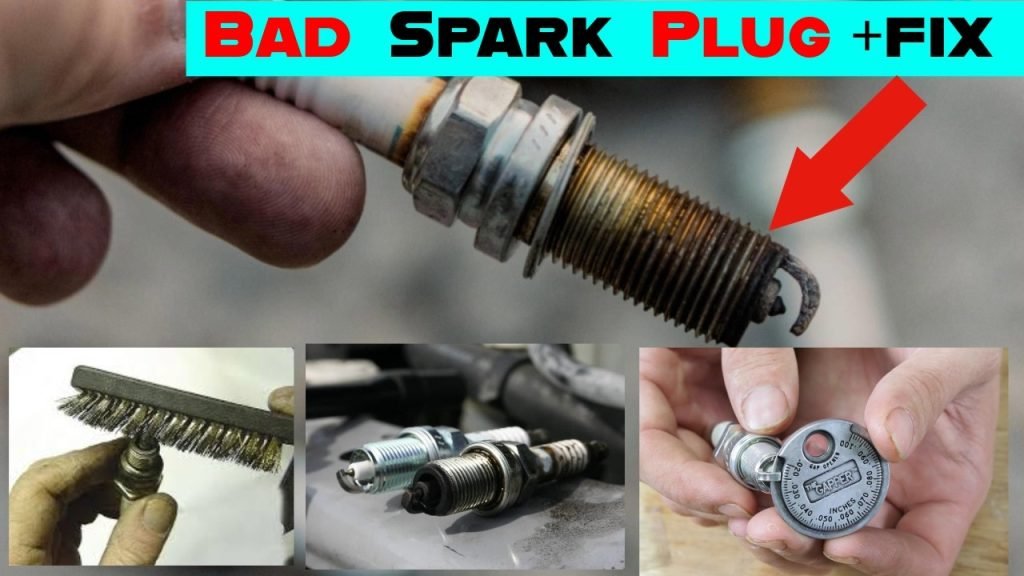
Dirty or fouled spark plugs cause misfires and poor fuel efficiency. You can clean them using a wire brush or spark plug cleaner to remove carbon deposits and grime.
Make sure to inspect the plug carefully before cleaning. If the deposits are excessive or the plug looks damaged, cleaning might not be enough.
Adjusting The Gap
The gap between the electrodes affects the spark strength. A gap too wide or too narrow can cause weak ignition or no spark at all.
Use a feeler gauge to check the gap and gently bend the ground electrode to adjust it. Refer to your vehicle’s manual for the exact measurement.
Replacing Spark Plugs
Sometimes, cleaning and adjusting won’t fix the problem because the spark plug is worn out or damaged. Replacing old spark plugs with new ones can restore engine performance.
Choose the right type and heat range specified for your engine. Installing new plugs is straightforward and often only requires a spark plug socket and a ratchet.
Preventive Maintenance Tips
Regular inspection of your spark plugs prevents sudden failures. Check them every 30,000 miles or as recommended by your car manufacturer.
Keep your engine tuned and avoid using low-quality fuel, which can cause faster wear. Have you checked your spark plugs lately? A small habit like this keeps your car running strong.
Credit: finntrail.com
Frequently Asked Questions
What Causes A Spark Plug To Fail Prematurely?
Spark plugs fail due to carbon buildup, oil leaks, or overheating. Poor fuel quality and incorrect gap settings also cause damage. Regular maintenance helps prevent early failure and ensures optimal engine performance.
How Do I Know If My Spark Plug Is Bad?
Signs include engine misfires, rough idling, and poor fuel economy. You may also notice difficulty starting the engine or decreased acceleration. Inspecting the spark plug visually can confirm damage or wear.
Can A Bad Spark Plug Damage My Engine?
Yes, a faulty spark plug can cause misfires and reduce engine efficiency. Continuous misfiring may damage the catalytic converter and other components. Prompt replacement protects your engine and maintains performance.
How Often Should Spark Plugs Be Replaced?
Most spark plugs last between 30,000 and 100,000 miles, depending on type. Check your vehicle’s manual for specific intervals. Regular inspection ensures early detection of wear and prevents engine issues.
Conclusion
A spark plug can fail from wear, dirt, or damage. It affects your engine’s performance and fuel use. Regular checks help catch problems early. Replacing bad spark plugs keeps your car running smooth. Don’t ignore strange engine sounds or poor starts.
Good spark plugs mean better power and less pollution. Keep them clean and change them as needed. Simple care saves you time and money later. Stay alert to signs of spark plug trouble. Your car will thank you with reliable rides.





