Have you ever wondered if diesel trucks have spark plugs? If you’re like many curious vehicle enthusiasts or a truck owner trying to understand your vehicle better, this question might have crossed your mind.
Understanding the mechanics of your diesel truck can save you time, money, and a lot of stress. So, let’s cut through the noise and get straight to the point. Knowing whether your diesel truck has spark plugs can change the way you maintain and care for your vehicle.
Dive into this article to uncover the truth about diesel engines and spark plugs, and equip yourself with knowledge that can enhance your driving experience.

Credit: www.chase.com
Diesel Engine Basics
Understanding the basics of diesel engines is essential if you want to know why diesel trucks don’t use spark plugs. Diesel engines operate differently from gasoline engines, relying on unique principles to ignite fuel and power the vehicle. Let’s break down how these engines work and what key parts make them run.
How Diesel Engines Work
Diesel engines compress air to a very high pressure and temperature inside the cylinder. Instead of a spark plug igniting the fuel, diesel engines inject fuel directly into the hot compressed air. This causes the fuel to ignite on its own, a process called compression ignition.
Have you ever wondered why diesel engines are known for their efficiency and torque? It’s because the high compression ratio extracts more energy from the fuel compared to spark-ignited engines. This also explains why diesel engines don’t need spark plugs to start combustion.
Key Components Of Diesel Engines
- Fuel Injector:Delivers diesel fuel precisely into the combustion chamber at high pressure.
- Compression Chamber:Where air is compressed to a high temperature to ignite the fuel.
- Pistons:Move up and down to compress air and convert fuel energy into mechanical work.
- Glow Plugs:Used only for starting the engine in cold weather by preheating the air, not for ignition like spark plugs.
You might think glow plugs serve the same role as spark plugs, but their function is quite different. They help the engine start smoothly under cold conditions but do not ignite the fuel directly. This distinction is key to understanding diesel engine operation.

Credit: m.youtube.com
Role Of Spark Plugs
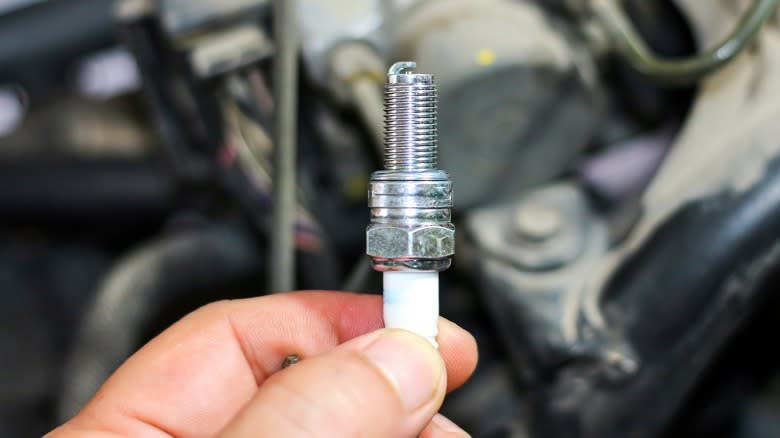
Spark plugs play a key role in how engines start and run. They create the spark needed to ignite the air-fuel mix inside an engine’s cylinder. This ignition powers the engine, making the vehicle move. Understanding spark plugs helps explain why diesel trucks do not use them.
Function In Gasoline Engines
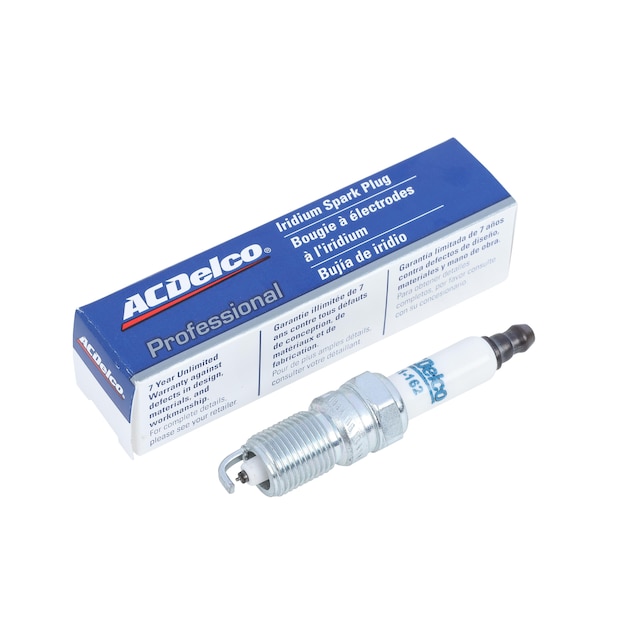
In gasoline engines, spark plugs ignite the fuel-air mixture. They create a small electric spark at the right moment. This spark lights the mixture, causing combustion. The explosion pushes the piston down, producing power. Spark plugs repeat this process many times per second. They must work perfectly for the engine to run smoothly.
Why They Are Crucial
Spark plugs are crucial because they start the engine’s power cycle. Without spark plugs, gasoline engines cannot ignite fuel. Bad or worn spark plugs cause poor engine performance. They lead to hard starts, low power, and high fuel use. Regular checks and replacements keep engines running well. Good spark plugs help save fuel and reduce emissions.
Ignition In Diesel Trucks
Diesel trucks use a different ignition system than gasoline vehicles. Understanding how ignition works in diesel engines helps clarify why these trucks do not need spark plugs. The process relies on heat and pressure instead of an electric spark.
Compression Ignition Explained
Diesel engines ignite fuel through compression ignition. Air is compressed inside the cylinder to very high pressure. This compression raises the air temperature to a point where diesel fuel spontaneously ignites. There is no need for a spark to start the combustion.
Fuel injectors spray diesel fuel directly into the hot, compressed air. The fuel vaporizes and burns quickly, producing the power needed to move the truck. This method creates efficient and powerful engine performance.
Difference From Gasoline Ignition
Gasoline engines use spark plugs to ignite the fuel-air mixture. A spark from the plug starts the combustion process. The air and fuel are mixed before entering the cylinder.
Diesel engines skip the spark plug entirely. They rely solely on high compression to heat the air and ignite the fuel. This difference means diesel engines have a different design and operation than gasoline engines.
Do Diesel Trucks Use Spark Plugs?
Wondering if your diesel truck needs spark plugs like a gasoline engine? It’s a common question that often confuses many vehicle owners. The answer reveals a lot about how diesel engines work differently from their gasoline counterparts.
The Truth About Spark Plugs In Diesel Engines
Diesel engines do not use spark plugs. Instead, they rely on compression to ignite the fuel-air mixture. When the air inside the cylinder is compressed, its temperature rises so high that diesel fuel injected into the cylinder ignites on contact.
This process eliminates the need for spark plugs entirely. Instead, diesel engines use glow plugs to help start the engine in cold weather. Glow plugs warm the combustion chamber to ensure the fuel ignites smoothly when the engine is cold.
So, if you own a diesel truck and hear about spark plugs, it’s likely a mix-up with glow plugs. Knowing this difference can save you from unnecessary maintenance costs and confusion.
Common Misconceptions
Many people assume diesel engines have spark plugs because all internal combustion engines seem similar at first glance. But the ignition methods vary significantly.
- Some believe glow plugs function the same as spark plugs—they don’t. Glow plugs only assist with starting the engine in cold weather and do not provide continuous ignition.
- Others think diesel trucks won’t start without spark plugs. In reality, a diesel engine’s strength lies in its high compression ratio, which ignites the fuel without any spark.
- There’s also confusion about maintenance. Diesel engines require different care, focusing more on fuel filters and glow plugs instead of spark plugs.
Have you ever tried starting a diesel truck on a freezing day without glow plugs? That experience clearly shows why spark plugs aren’t part of the diesel engine’s design. Understanding this can help you keep your truck running smoothly and avoid unnecessary repairs.
Glow Plugs In Diesel Engines
Glow plugs play a crucial role in diesel engines, especially when it comes to starting your vehicle in cold conditions. Unlike gasoline engines that rely on spark plugs to ignite the fuel-air mixture, diesel engines use compression to generate heat. However, this heat sometimes needs a little help to get the engine running smoothly, and that’s where glow plugs come in.
Purpose Of Glow Plugs
Glow plugs are designed to warm up the combustion chamber before starting the engine. This extra heat helps ignite the diesel fuel more efficiently, particularly in cold weather when the engine block and air inside are too cold for spontaneous ignition.
Without glow plugs, your diesel engine might struggle to start or produce excessive smoke and rough idling during cold starts. Many drivers notice their trucks need a few seconds of glow plug operation before turning over smoothly—this simple device improves reliability and reduces wear on your engine.
How They Differ From Spark Plugs
Spark plugs create a spark that ignites the fuel-air mixture in gasoline engines instantly. Diesel engines, however, rely on the heat generated by compressing air inside the cylinder to ignite the fuel, so they don’t need spark plugs.
Glow plugs don’t produce a spark; instead, they act like small heaters that raise the temperature inside the combustion chamber. This difference means glow plugs work only before and during engine start-up, while spark plugs fire continuously as the engine runs.
Have you ever wondered why your diesel truck’s starting procedure feels different from a gasoline vehicle? Understanding glow plugs clarifies this unique aspect and helps you maintain your diesel engine better.
Credit: parts.gmc.com
Maintenance Tips
Maintaining a diesel truck ensures it runs smoothly and lasts longer. Regular checks and care prevent costly repairs. Focus on key engine parts and components that need attention over time. Proper maintenance helps your truck perform well in all conditions.
Caring For Diesel Engine Components
Keep the engine clean to avoid dirt and grime build-up. Check oil levels often and change oil at recommended intervals. Use the correct oil type for your diesel engine. Inspect air filters and replace if clogged to keep air flowing freely. Monitor fuel filters and change them to prevent blockages. Tighten all bolts and connections to avoid leaks or vibrations. Watch for unusual sounds or smoke that may signal engine trouble.
Glow Plug Maintenance
Glow plugs help start diesel engines in cold weather. Test glow plugs regularly for proper function. Replace faulty glow plugs to avoid hard starts. Clean the area around glow plugs to prevent dirt from entering. Use a multimeter to check electrical resistance of each glow plug. Follow the manufacturer’s guidelines for glow plug replacement intervals. Proper glow plug care improves engine start-up and reduces stress on the battery.
Fuel Efficiency And Performance
Fuel efficiency and performance are key concerns for anyone who drives or owns a diesel truck. Understanding how these trucks operate helps you make smarter decisions about maintenance and upgrades. Since diesel engines work differently from gasoline engines, it’s important to focus on the components that truly affect fuel use and power output.
Impact Of Ignition Systems
Diesel trucks do not use spark plugs like gasoline engines. Instead, they rely on compression ignition, where air is compressed to a high temperature before fuel injection. This process means the traditional spark plug’s role is replaced by glow plugs, which are mainly used to help start the engine in cold conditions.
This difference impacts fuel efficiency because diesel engines run at higher compression ratios, leading to better fuel combustion and more power per gallon of fuel. Glow plugs do not influence performance during normal driving but ensuring they work properly can reduce cold start fuel consumption and emissions.
Optimizing Diesel Truck Operation
You can improve your diesel truck’s fuel efficiency and performance by focusing on the fuel injection system, air intake, and regular maintenance. Clean fuel injectors ensure precise fuel delivery, which helps the engine run smoothly and avoid wasting fuel.
Regularly replacing air filters and using high-quality diesel fuel can also make a noticeable difference. Have you checked your fuel injector condition lately? Small adjustments here often lead to better mileage and stronger performance without costly upgrades.
Frequently Asked Questions
Do Diesel Trucks Use Spark Plugs?
No, diesel trucks do not use spark plugs. They rely on compression ignition to ignite fuel, not spark ignition.
How Do Diesel Engines Ignite Fuel Without Spark Plugs?
Diesel engines compress air to a high temperature, causing fuel to ignite spontaneously upon injection.
Can Diesel Trucks Have Glow Plugs Instead?
Yes, diesel trucks use glow plugs to preheat the combustion chamber for easier starting in cold weather.
Why Don’t Diesel Trucks Need Spark Plugs?
Diesel engines create heat through compression, making spark plugs unnecessary for ignition.
Conclusion
Diesel trucks do not have spark plugs because they use compression to ignite fuel. This makes their engine system different from gasoline engines. Instead, they rely on glow plugs to help start the engine in cold weather. Knowing this helps you understand how diesel engines work.
It also helps when you maintain or repair your truck. Diesel engines are strong and built for heavy work. Understanding their parts keeps your truck running smoothly and efficiently. Simple knowledge about spark plugs and glow plugs saves time and money.





