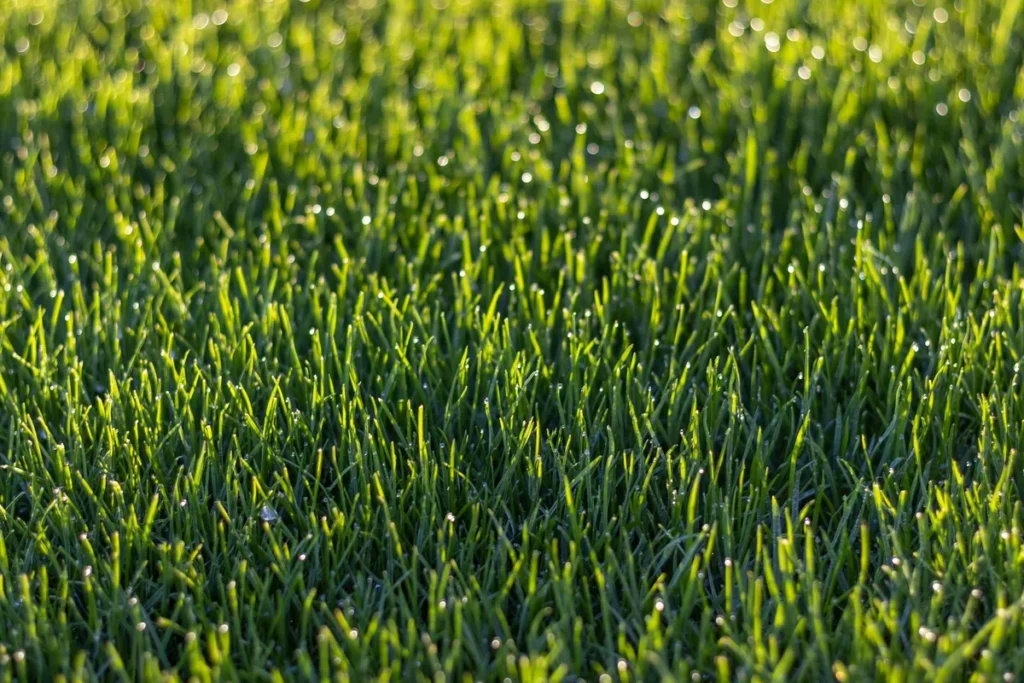
You’ve probably stood over your fescue lawn with a hose or sprinkler remote, wondering: Is now the best time to water fescue grass? The truth is, there’s no universal “right” moment, your ideal schedule depends on soil, weather, season, and even how you mow. Water too early or too late, and you risk disease, wasted water, or a weak root system. But get it right, and your lawn stays dense, green, and resilient through summer stress.
In our research, we found that most homeowners overwater by 30, 50% simply because they don’t adjust for real conditions. Per USDA guidelines for cool-season grasses, tall fescue needs about 1, 1.5 inches of water per week during active growth, but only if the soil can absorb it. That’s why understanding your variables matters more than sticking to a rigid clock.
Why Timing Matters for Fescue Grass
Fescue isn’t like warm-season grasses that thrive in summer heat, it’s built for cool weather, and its health hinges on when and how you water. Water at the wrong time, and you’re not just wasting resources; you’re inviting problems. Morning watering gives blades time to dry before nightfall, slashing fungal disease risk by up to 60%, according to turf studies from land-grant universities. Evening watering?
That’s a fast track to mildew and root rot because moisture lingers on leaves overnight. Midday watering loses half your water to evaporation under summer sun. Timing isn’t just preference, it’s physiology.
The Real Problem: Overwatering vs. Underwatering
Most fescue issues stem from misreading the lawn’s actual needs. Overwatering drowns roots, encourages shallow growth, and fuels diseases like brown patch. Underwatering pushes the grass into dormancy too early, thinning it out and making weeds move in. The tricky part?
Fescue can look stressed from both extremes. Wilting? Could be dry soil, or could be root rot from soggy ground. Yellowing?
Might mean drought stress or nitrogen deficiency, but also often signals too-frequent light watering that never reaches the root zone. You’re not failing, you’re missing the signals.
What Makes Fescue Different (Cool-Season, Root Depth, Drought Response)
Tall fescue develops deeper roots than fine fescues (like creeping red or chewings), which means it can pull moisture from lower soil layers, if you let it. Shallow, daily watering trains roots to stay near the surface, making the lawn vulnerable the moment rain stops. Cool-season grasses like fescue grow most actively in spring and fall, so summer watering should support survival, not force growth. In dormancy, fescue turns tan but isn’t dead; it’ll green up when cooler temps return, if the crown stays alive.
That’s why deep, infrequent watering beats frequent sprinkles every time.
Key Variables That Change Your Watering Schedule
Your perfect watering plan isn’t fixed, it shifts with conditions. Ignore these factors, and even the “right” time of day won’t save your lawn.
Soil Type: Clay Holds, Sand Drains
Clay soils hold water longer but drain poorly, risking compaction and root suffocation if overwatered. Sandy soils drain fast, needing more frequent (but still deep) watering. Loam is the sweet spot, retains moisture but allows airflow. Test yours: dig a 6-inch hole after watering.
If water pools for over an hour, you’ve got heavy clay. If it’s bone-dry 2 hours later, sand dominates.
Season & Weather: Spring Growth vs. Summer Stress
In spring, fescue uses natural rainfall efficiently, supplement only if you get less than 1 inch per week. Summer demands careful monitoring: heatwaves may need twice-weekly deep watering, while cool, wet weeks mean skip entirely. Fall is recovery time, water enough to rehydrate roots before winter dormancy. As of 2026, extended drought periods in the U.S. transition zone mean summer adjustments are non-negotiable.
Mowing Height & Thatch: Hidden Moisture Thieves
Mow tall fescue at 3, 4 inches. Taller blades shade the soil, reducing evaporation by up to 30%. Cut it too short, and roots weaken, needing more water to survive. Thatch, the layer of dead grass between soil and green blades, acts like a sponge when thin (under ½ inch) but becomes a barrier when thick, blocking water from reaching roots.
Aerate if thatch exceeds ½ inch to restore proper infiltration.
The Golden Rule: Deep and Infrequent Watering
Forget daily sprinkles. Fescue thrives on consistency, not frequency. Aim for 1, 1.5 inches of water per week, split into 2, 3 sessions during peak growth. This encourages roots to grow deep, up to 2, 3 feet in tall fescue, where they access moisture longer.
Light, daily watering keeps roots in the top 2 inches, making the lawn thirsty by Thursday. Use a tuna can or rain gauge to measure output: most sprinklers put out ½ inch per 30 minutes. So two 45-minute sessions weekly = 1.5 inches. Simple.
Best Time of Day: Why Morning Wins (And Night Loses)
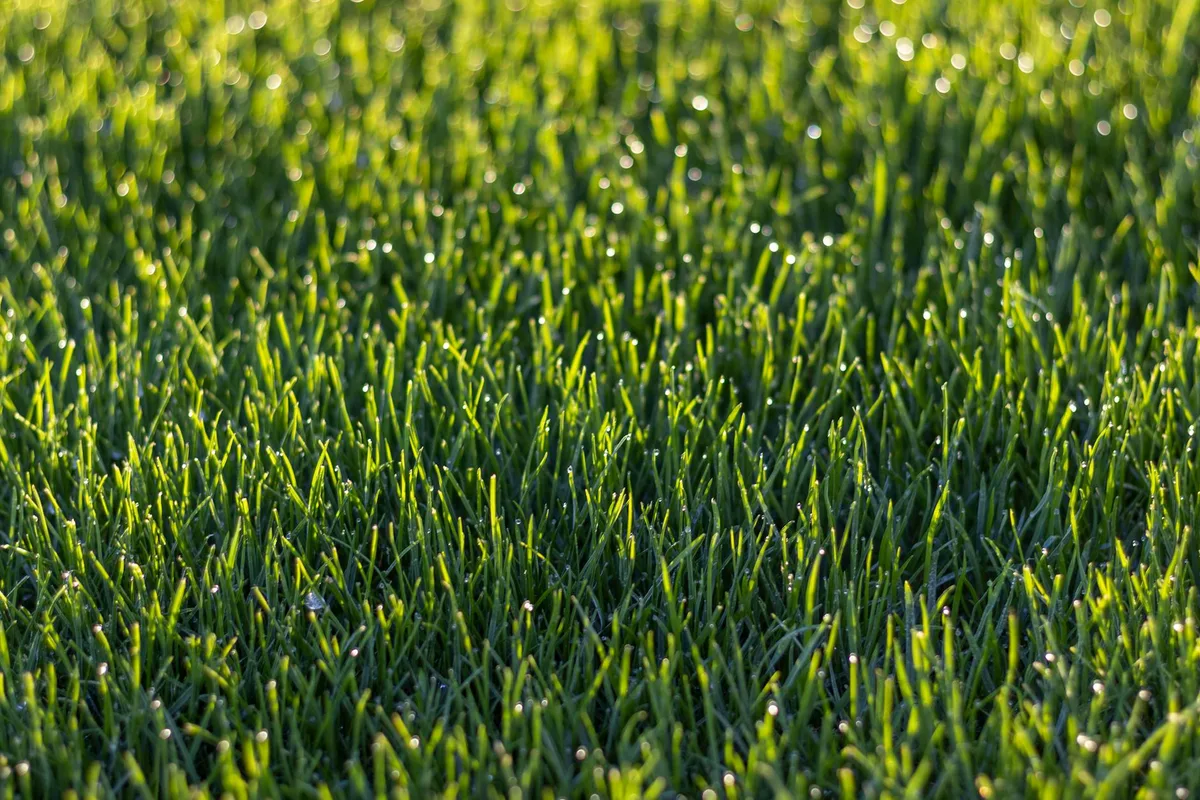
Water your fescue between 6 a.m. and 10 a.m., and you’ll cut evaporation losses by half compared to midday. Morning dew already coats the blades, so adding water then lets roots absorb it before the sun climbs high. Night watering leaves grass wet for 8, 12 hours, creating a petri dish for fungi like dollar spot and Pythium. Midday?
You’re fighting physics, up to 50% of water turns to vapor before it hits the soil. Stick to early hours, and your lawn gets the drink it needs without the waste or risk.
How to Check If Your Lawn Actually Needs Water
Don’t guess, test. The screwdriver method is free and foolproof: if you can’t push a metal rod 6 inches into the soil easily, it’s time to water. For a more precise read, use a soil moisture sensor that measures volumetric water content. Most fescue thrives at 25, 50% of field capacity; below 20%, roots struggle.
Check multiple spots, lawns dry unevenly, especially on slopes or near pavement. If rainfall hit 0.5 inches or more in the past week, skip watering entirely unless temps soared above 90°F.
Adjusting for Rain, Drought, and Local Restrictions
Your schedule isn’t set in stone, it bends with the weather. After a half-inch of rain, pause irrigation for 5, 7 days unless heat spikes. During drought, increase to 1.5 inches weekly but split it to avoid runoff. Municipal rules often limit watering to odd/even days or specific hours; smart controllers automatically comply.
In the transition zone (think Kansas or North Carolina), summer heat can bake fescue even with good care, supplement only enough to keep crowns alive, not green.
Smart Tools vs. Manual Methods: Timers, Sensors, and Gauges
Manual sprinklers work but demand constant attention. Programmable timers help, yet they ignore rain or soil moisture. Smart controllers like Rachio or RainMachine connect to local weather feeds and adjust schedules automatically, saving 20, 30% on water bills, per Irrigation Association data. Pair one with a soil moisture sensor, and you’ll water only when the lawn truly needs it.
For budget setups, a simple rain gauge and manual timer still beat guessing. The goal isn’t tech, it’s precision.
Common Mistakes That Waste Water and Kill Grass
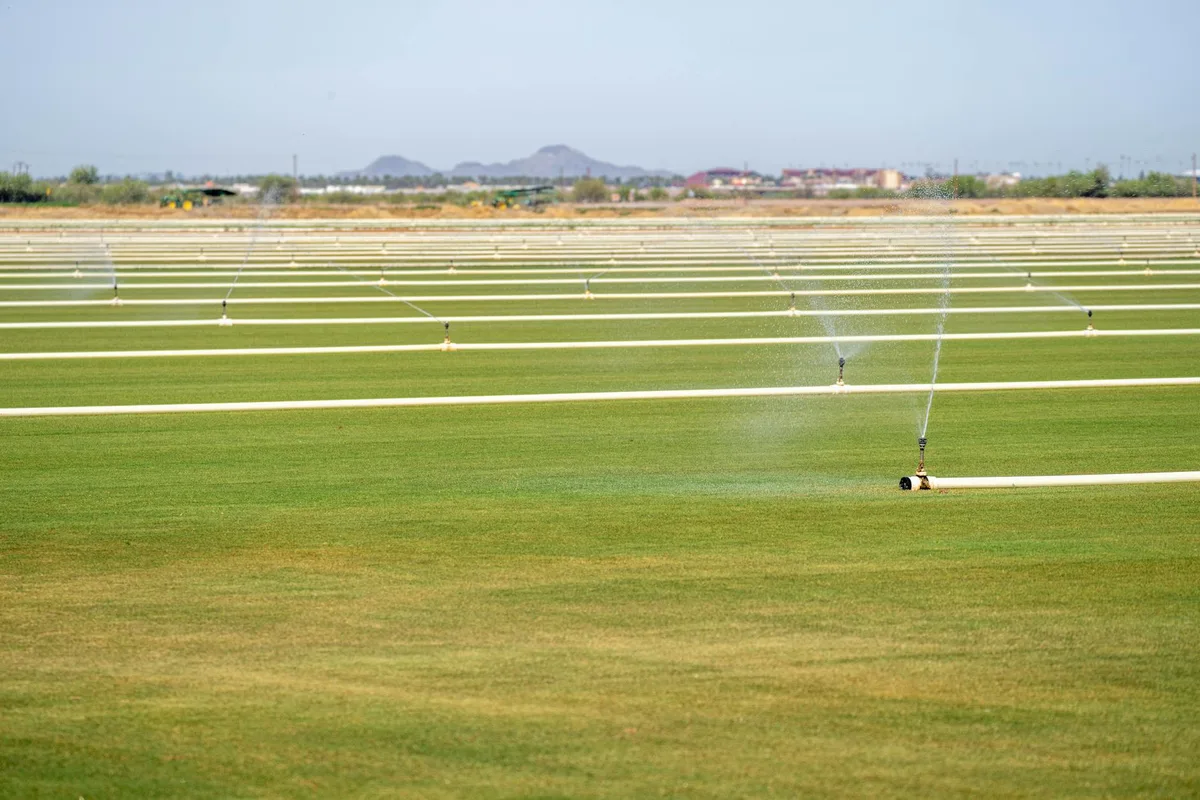
Light daily watering tops the list, it trains roots to stay shallow, making fescue thirsty by midweek. Watering at night invites disease; midday wastes water. Ignoring soil type leads to runoff on clay or drought stress on sand. Over-fertilizing in summer pushes weak growth that demands more water.
And never water on a fixed schedule, adjust weekly based on rain, heat, and soil checks. These aren’t small errors, they’re why so many fescue lawns thin out by August.
When to Water Less: Dormancy, Winter, and Recovery Periods
Fescue slows down when temps drop below 40°F or climb above 85°F, water less, or not at all. In winter, dormant grass needs only occasional moisture if snow cover is sparse and temps stay above freezing. Summer dormancy kicks in during prolonged heat; let the lawn tan slightly, but don’t let crowns dry out completely. Water every 10, 14 days with 0.5 inches if rain vanishes for weeks.
Fall recovery is critical: resume deep watering in September to rehydrate roots before frost. Skipping this step weakens the lawn’s spring comeback.
Final Decision Guide: Your Personalized Fescue Watering Plan
Build your schedule around four questions: What’s your soil type? How much rain fell this week? Is it spring growth or summer stress? Are you on a watering restriction?
If you have clay soil and got 0.75 inches of rain, skip watering entirely. Sandy soil with no rain and 90°F days? Water deeply twice weekly at 6 a.m. Transition zone with odd-day rules?
Use a smart controller set to local limits. Match your plan to conditions, not the calendar, and your fescue will stay resilient year-round.





