You’ve probably stared at your patchy lawn in spring, seed bag in hand, wondering if now’s the right moment. The best time to plant fescue isn’t just about the calendar, it’s about soil temperature, climate zone, and grass type aligning. Plant too early or too late, and you’ll waste seed, water, and time watching nothing grow.
In our research, we found that fescue seed needs soil between 50, 65°F (10, 18°C) to germinate reliably. That sweet spot usually hits in early fall for most cool-season regions, but your exact window depends on where you live and what kind of fescue you’re sowing. Let’s walk through how to pinpoint yours.
Why Timing Matters for Fescue Success
Fescue is a cool-season grass, which means it thrives when temperatures are mild and struggles in summer heat or winter deep freeze. If you plant when it’s too hot, seedlings dry out before they establish. Too cold, and they won’t sprout at all, or they’ll freeze before putting down strong roots.
Getting the timing right gives your grass the longest possible growing season before stress hits. Fall planting lets roots develop through autumn, so the lawn greens up faster in spring. Spring seeding can work, but it demands more watering and weed control. Either way, timing isn’t just about avoiding failure, it’s about setting your lawn up for long-term resilience.
The Real-Window Rule: When Soil and Air Temperatures Align
Forget what the calendar says. The real planting window opens when both soil and air temps hit the Goldilocks zone: not too hot, not too cold. For fescue, that’s air temps consistently between 60, 75°F (15, 24°C) and soil temps at or above 50°F (10°C).
You’ll often see these conditions in early to mid-fall across the northern U.S. and parts of the transition zone. In milder climates like the Pacific Northwest, you might get away with late October seeding. But if you’re in zone 5 or colder, aim for September, before the first hard frost cuts your growing season short.
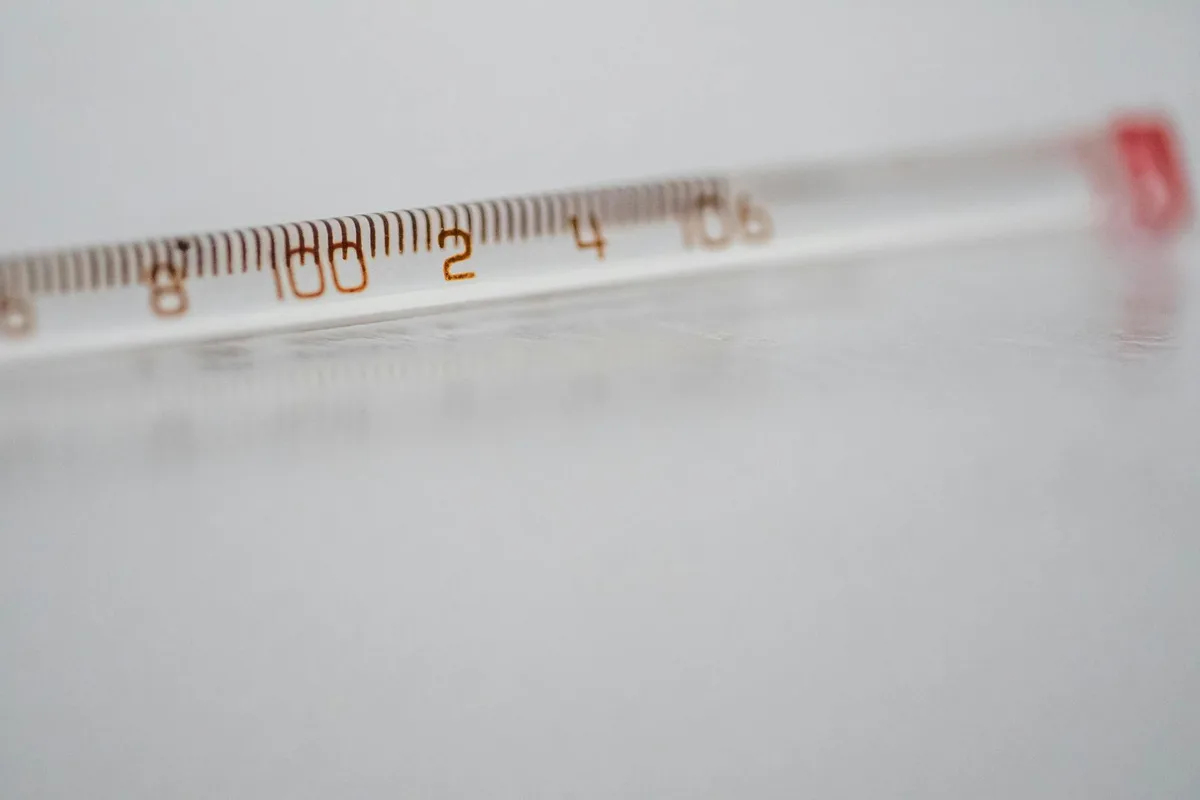
Use a soil thermometer to check temps at 6, 8 inches deep in the morning. If it reads 55°F (13°C) or higher for three straight days, you’re in the window. Don’t rely on air temp alone; soil lags behind and stays cooler longer.
Know Your Fescue: Tall vs. Fine and What It Means for Planting
Not all fescues are the same, and your choice affects timing. Tall fescue (Festuca arundinacea) has deep roots, handles drought well, and establishes quickly, often in 7, 10 days under ideal conditions. Fine fescue (Festuca rubra, Festuca ovina) prefers shade, stays finer-textured, but germinates slower and needs cooler soils.
Tall fescue is the workhorse for full-sun lawns in zones 3, 7. Fine fescue shines in shady spots or mixed blends where texture matters. If you’re overseeding a thin lawn, tall fescue gives faster coverage. For new lawns in partial shade, fine fescue may be the better long-term fit, but it demands stricter timing.
Because fine fescue is more sensitive to heat, avoid late-summer planting even if tall fescue could handle it. Stick to early fall for both, but prioritize soil temps on the cooler end of the range (50, 55°F / 10, 13°C) for fine types.

Your Climate Zone Dictates Your Calendar
USDA hardiness zones aren’t just for flowers, they’re your planting roadmap. In zones 3, 5, your prime window is early September to mid-October. Zones 6, 7 (the transition zone) can stretch into late October, but watch for early frosts.
If you’re in the Pacific Northwest or upper Midwest, you’ve got a longer fall window thanks to milder winters. Southern edge of the cool-season range? You might even push into November, but only if soil temps hold above 50°F (10°C).
Check your local extension service’s frost date charts, they’ll give you the average first frost for your area. Count back 6, 8 weeks from that date, and that’s your target seeding week. As of 2026, many regions are seeing earlier frosts due to shifting patterns, so don’t rely solely on historical averages.
Fall vs. Spring Planting: The Trade-Offs You Can’t Ignore
Fall is the gold standard for fescue, and for good reason. Cooler temps reduce disease risk, weeds are less aggressive, and rainfall is usually more consistent. Your grass gets 6, 8 weeks of root growth before winter dormancy, leading to a thicker lawn by spring.
Spring planting can work, especially if you missed fall, but it comes with trade-offs. Soil temps must hit 50°F (10°C) and stay there, which often means late April or May in colder zones. You’ll need to water more frequently, fight crabgrass pre-emergent timing, and accept slower establishment.
If you must seed in spring, do it as early as soil allows and use a starter fertilizer high in phosphorus. But know this: spring-seeded fescue won’t handle summer heat as well as fall-planted grass. For best results, treat spring as a backup plan, not your primary strategy.
Step-by-Step: How to Plant Fescue at the Right Time
Start by testing your soil pH, fescue prefers 5.5 to 7.0. If it’s too acidic, add lime based on your test results; too alkaline, work in sulfur or peat moss. Loosen the top 4, 6 inches with a rake or tiller, removing rocks, thatch, and dead grass. For bare spots, level the area so water doesn’t pool.
Spread seed evenly using a broadcast or drop spreader at the rate listed on the bag, usually 6, 8 lbs per 1,000 sq ft for overseeding, 8, 10 lbs for new lawns. Lightly rake to cover seeds with ¼ inch of soil. Topdress with a thin layer of compost or soil blend to retain moisture and protect against birds.
Water lightly but frequently, 2, 3 times daily for the first two weeks, keeping the top inch moist without puddling. Once seedlings reach 2 inches, cut back to once daily, then gradually reduce frequency while increasing depth as roots establish.
Common Timing Mistakes That Kill Your Lawn Before It Starts
Planting too early is the top error. If soil’s still above 70°F (21°C), seeds may sprout but then wilt under late-summer heat. We’ve seen lawns fail in August even with perfect watering because roots never cooled down enough to grow deep.
Another trap: waiting for “perfect” weather. If your zone’s window is September and you delay until October hoping for rain, you risk frost hitting before germination finishes. Fine fescue, in particular, needs every day of that cool window, don’t push it.
Skipping soil prep is equally deadly. Seed sitting on compacted dirt won’t root, no matter how ideal the temperature. And never overseed without aerating first, core aeration doubles your chances of success by improving seed-to-soil contact.
How to Check Soil Temperature (and Why Guessing Doesn’t Work)
Grab an inexpensive soil thermometer, digital models under $20 work fine. Stick it 6 inches deep in the coolest part of your lawn (usually morning shade) and wait 60 seconds. Take readings for three consecutive mornings; if they average 55°F (13°C) or higher, you’re ready.
Air temperature alone is misleading. Soil holds heat longer in spring and cools slower in fall. We’ve recorded air temps of 68°F (20°C) with soil still at 48°F (9°C), well below germination threshold. Don’t rely on forecasts; measure what’s under your feet.
Overseeding vs. New Lawn: Adjusting Your Timeline
Overseeding thin lawns needs less prep but stricter timing. Since existing grass shades soil, it stays cooler longer, great for fine fescue in early fall. Aim to overseed 6, 8 weeks before your average first frost so new seedlings toughen up before winter.
New lawns demand more time. You’ll need 8, 10 weeks post-seeding before the first hard freeze to ensure roots reach 3, 4 inches deep. In zones 4, 5, that means seeding no later than mid-September. If you’re starting from scratch in October, consider waiting until spring, unless you’re in a mild microclimate with documented late-fall warmth.
Either way, don’t rush irrigation. New seedlings dry out in hours on sunny days. Keep a spray bottle handy for spot-checking dry patches between scheduled watering sessions.
Final Decision Guide: Pick Your Planting Window Based on Your Situation
If you’re in zones 3, 5 with tall fescue, target the first two weeks of September. For fine fescue in the same zones, move up to late August if soil hits 55°F (13°C). Transition zone (6, 7) homeowners can safely seed through October, but verify soil temps weekly.
Spring seeders should wait until soil consistently reads 50°F (10°C), usually late April in the north, mid-March in milder areas. But remember: spring lawns need 30, 50% more water and vigilance against weeds.
When in doubt, lean fall. It’s fescue’s natural rhythm, and your lawn will thank you come summer.





