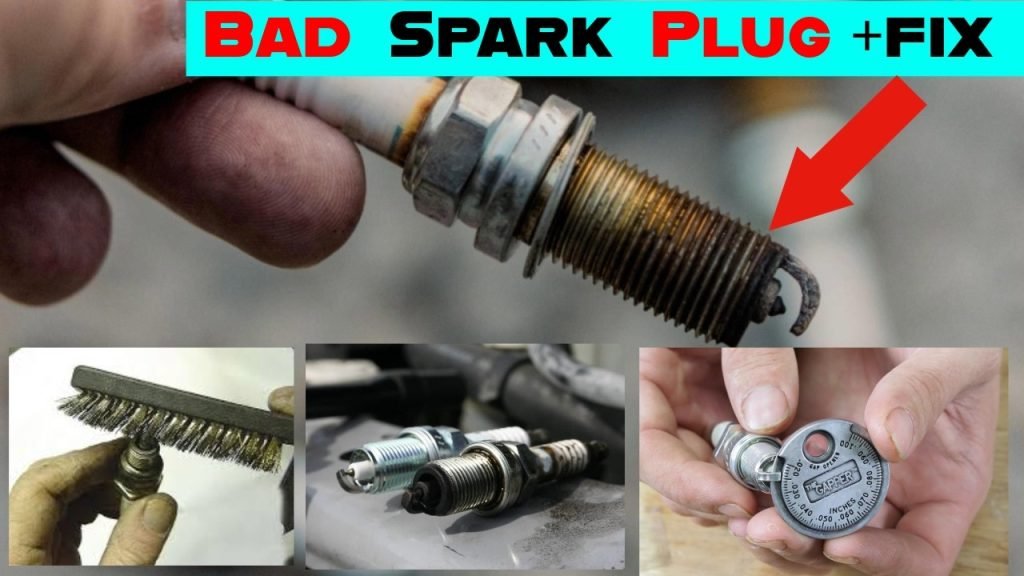
Ever wondered why your car isn’t performing as well as it used to? It might be time to take a closer look at your spark plugs.
Yes, those tiny components play a crucial role in your vehicle’s performance. Understanding what bad spark plugs look like could save you from bigger problems down the road. Imagine the peace of mind knowing that you’re in tune with your car’s health.
By the end of this article, you’ll know exactly what to look for, making you a more confident and informed car owner. Let’s dive into the signs of bad spark plugs and why they matter to you.

Credit: www.toyotanation.com
Common Spark Plug Issues
Understanding common spark plug issues can save you from unexpected car troubles. Bad spark plugs often show visible signs that hint at underlying problems in your engine. Recognizing these signs early helps you maintain your vehicle’s performance and avoid costly repairs.
Worn Electrodes
The electrodes on your spark plug wear down over time due to constant sparks igniting the fuel. When electrodes become thin or rounded, the spark weakens, causing misfires and rough idling. Have you ever noticed your engine struggling to start or running unevenly? Worn electrodes could be the culprit.
Carbon Deposits
Black, dry soot on the spark plug usually indicates carbon deposits. This buildup happens when the fuel mixture is too rich or the engine runs too cold. Carbon deposits can choke the spark, making your engine less efficient and harder to start.
Oil Fouling
If you see wet, oily residue on the spark plug, it points to oil fouling. This often happens due to worn piston rings or valve guides allowing oil to leak into the combustion chamber. Oil fouling disrupts the spark and can lead to engine misfires, so don’t ignore this sign.
Overheating Damage
Overheating causes the spark plug’s insulator to crack or discolor to a white or blistered appearance. This damage can result from an engine running too hot or incorrect spark plug heat range. If your spark plugs look burned or melted, it’s a clear warning that your engine needs attention.
Credit: www.mustangecoboost.net
Visual Indicators Of Damage
Spotting a bad spark plug early can save you from costly repairs and keep your engine running smoothly. Visual inspection is a straightforward way to check for issues before they cause serious damage. Knowing exactly what to look for can make a big difference in identifying problems on time.
Cracked Insulator
The insulator is the white ceramic part of the spark plug. If you see visible cracks or chips here, it’s a clear sign of damage. Cracks allow moisture and debris inside, which can cause misfires or poor engine performance.
Imagine you find a crack after removing the plug—this usually means it’s time for a replacement. Don’t ignore even small hairline cracks; they can quickly worsen under engine heat and pressure.
Burnt Or Blackened Tips
The tip of the spark plug should be a light tan or gray color. If it’s black, sooty, or burnt, it means the engine is running too rich or there’s oil fouling. These deposits interfere with the spark and reduce fuel efficiency.
Seeing a black tip made me realize my car was using too much fuel. Fixing the fuel mixture immediately improved the engine’s response and saved me money on gas.
Corroded Threads
Check the metal threads of the spark plug for rust or corrosion. Corrosion can cause poor electrical connection and make it hard to remove the plug later. It often happens when moisture gets trapped in the engine.
If you spot corrosion, cleaning might help temporarily, but replacement is usually the best solution. You don’t want a stuck spark plug to turn into a bigger hassle during your next oil change.
Uneven Wear Patterns
Look closely at the electrode and tip for uneven wear or unusual shapes. This can indicate ignition problems or incorrect spark plug heat range. Uneven wear often causes rough idling or difficulty starting the engine.
One time, uneven wear helped me identify a timing issue before it damaged my engine. Paying attention to these patterns can save you from unexpected breakdowns.
Performance Symptoms Linked To Bad Plugs
Bad spark plugs affect your car’s performance in clear ways. They cause problems that are easy to notice while driving. These performance symptoms help identify bad plugs early. Catching these signs saves you from costly repairs and keeps your car running smoothly.
Engine Misfires
Bad spark plugs cause engine misfires. The engine may jerk or hesitate during acceleration. Misfires happen because plugs fail to ignite the fuel properly. This leads to rough engine performance and loss of power. Misfires also increase harmful emissions and damage other parts over time.
Poor Fuel Economy
Worn spark plugs reduce fuel efficiency. The engine burns more fuel to compensate for weak sparks. This means you spend more money at the gas pump. A drop in miles per gallon is a common sign of bad plugs. Replacing them restores normal fuel consumption.
Difficulty Starting
Old spark plugs make starting the engine hard. The engine may crank longer or fail to start at all. Weak sparks cause incomplete combustion during startup. This issue worsens in cold weather. Fresh spark plugs help the engine ignite fuel faster and easier.
Rough Idling
Bad plugs cause rough idling and vibrations. The engine runs unevenly when the car is stopped. You may feel shaking inside the vehicle. This happens because the combustion is inconsistent. Fixing spark plugs smooths out the engine’s idle and reduces shaking.
When To Inspect Spark Plugs
Knowing when to inspect your spark plugs can save you from unexpected engine troubles and costly repairs. Spark plugs wear down over time and can show clear signs of damage that affect your car’s performance. Paying attention to the right moments to check them ensures your engine runs smoothly and efficiently.
Mileage Milestones
Most car manufacturers recommend inspecting spark plugs every 30,000 to 50,000 miles. However, if you drive in tough conditions like heavy traffic or extreme weather, you might need to check them sooner.
Have you tracked your vehicle’s mileage closely? Setting reminders based on your car’s mileage can help you catch spark plug issues before they cause bigger problems.
After Engine Troubles
When your engine starts misfiring, idling roughly, or you notice a drop in fuel efficiency, it’s a clear sign to inspect your spark plugs. These symptoms often point to worn or fouled plugs that fail to ignite the fuel properly.
Ignoring these signs can lead to more serious engine damage. Have you ever experienced sudden engine hesitation? Checking the spark plugs immediately might have saved you time and money.
Regular Maintenance Checks
Including spark plug inspection in your regular maintenance routine keeps your vehicle in top shape. Even if your engine feels fine, plugs can wear out silently and reduce performance over time.
During routine oil changes or tune-ups, ask your mechanic to check the spark plugs. This simple step can prevent unexpected breakdowns and improve your car’s overall reliability.
Replacing Vs Cleaning Spark Plugs
Deciding whether to replace or clean your spark plugs can save you time and money—or cost you more if you choose poorly. Spark plugs that look damaged or worn out might seem like a quick clean will do the trick, but that’s not always the case. Understanding the condition of your spark plugs helps you make the right choice for your car’s performance and longevity.
Assessing Damage Severity
Look closely at your spark plugs to judge their condition. If you see heavy carbon buildup, cracks, or worn electrodes, cleaning won’t restore their full function. Minor deposits can sometimes be wiped off, but deep damage often means the spark plug needs replacing.
Ask yourself: Are the spark plugs just dirty, or are they physically damaged? Cleaning can help if they are just fouled with light deposits. However, if the gap is eroded or the insulator is cracked, cleaning won’t fix the underlying problem.
Cost And Time Considerations
Cleaning spark plugs might seem cheaper and faster, but it requires the right tools and careful work to avoid further damage. Replacement parts may cost more upfront but save you from repeated issues and poor engine performance.
Think about the long-term impact: a clean but worn spark plug can cause misfires and reduce fuel efficiency. Sometimes investing a bit more time and money in new spark plugs improves reliability and saves future headaches.
Diy Replacement Tips
Replacing spark plugs yourself is easier than many think. Start by checking your vehicle’s manual for the correct spark plug type and gap specifications.
- Use a spark plug socket wrench for easy removal and installation.
- Clean the area around the spark plug before removal to prevent debris from falling into the cylinder.
- Apply a small amount of anti-seize compound on the threads to make future removal easier.
- Hand-tighten the new spark plug first, then use a torque wrench to avoid over-tightening.
Have you ever wondered if a simple cleaning job could turn into a costly repair? By checking carefully and acting wisely, you control the outcome.

Credit: www.reddit.com
Frequently Asked Questions
What Are Common Signs Of Bad Spark Plugs?
Bad spark plugs often show black soot, white deposits, or oily residue. They may look worn, cracked, or corroded. These signs indicate poor engine performance and the need for replacement.
How Can I Visually Identify Faulty Spark Plugs?
Look for damaged electrodes, heavy carbon buildup, or melted parts. A bad spark plug may also have uneven wear or excessive gap. Visual checks help diagnose ignition issues early.
Why Do Spark Plugs Get Dirty Or Damaged?
Spark plugs get dirty from carbon deposits, oil leaks, or fuel additives. Overheating and improper combustion also cause damage. Regular maintenance prevents buildup and extends spark plug life.
Can Bad Spark Plugs Affect Engine Performance?
Yes, bad spark plugs cause misfires, rough idling, and poor fuel efficiency. They reduce engine power and increase emissions. Timely replacement restores smooth running and saves fuel.
Conclusion
Bad spark plugs show clear signs you should not ignore. They look worn, dirty, or cracked. These issues can cause engine problems and poor fuel use. Checking spark plugs helps keep your car running well. Fixing or replacing them early saves money and trouble later.
Remember, clean and healthy spark plugs mean a smoother ride. Keep an eye on their condition regularly. It’s a small step that makes a big difference.





