Imagine you’re cruising down the highway, and suddenly, your car starts to sputter and lose power. You might think it’s a major issue, but often, the culprit is something as small as a spark plug.
Yes, spark plugs are tiny, but they play a massive role in your vehicle’s performance. When they go bad, your car can feel sluggish, waste fuel, or even fail to start. But how do you know if a spark plug is bad just by looking at it?
This article will guide you through identifying the tell-tale signs of worn-out spark plugs. By understanding what bad spark plugs look like, you can save time, money, and avoid unnecessary stress. Stay with us to learn how to keep your car running smoothly and efficiently.

Credit: www.swedespeed.com
Common Symptoms Of Faulty Spark Plugs
Faulty spark plugs can quietly sabotage your vehicle’s performance. Recognizing the signs early can save you from costly repairs and frustrating breakdowns. Here are some common symptoms that indicate your spark plugs might be failing.
Engine Misfires
One of the clearest signs of bad spark plugs is engine misfiring. Your engine may jerk or hesitate during acceleration, feeling less smooth than usual. Have you ever noticed your car stumbling while driving? That’s often the spark plugs struggling to ignite the fuel properly.
Poor Fuel Economy
If your fuel consumption suddenly spikes, faulty spark plugs could be the cause. When plugs don’t fire efficiently, your engine burns more fuel to compensate. You might find yourself filling up the tank more often without changing your driving habits.
Difficulty Starting Engine
Struggling to start your car, especially on cold mornings, often points to spark plug issues. Worn plugs fail to create a strong spark, making ignition tough. Have you experienced multiple key turns before your engine finally roars to life? That’s a red flag.
Rough Idling
Does your engine shake or sound uneven when idling? Bad spark plugs can cause rough idling, making your car feel unstable when stopped. This symptom is easy to detect if your engine vibrates more than usual or the RPM needle fluctuates at a standstill.

Credit: www.reddit.com
Visual Indicators Of Worn Spark Plugs
Worn spark plugs show clear signs that affect engine performance. Visual checks can reveal many issues early. Spotting these signs helps prevent bigger problems and costly repairs.
Carbon Fouling
Carbon fouling appears as a dry, black, soot-like coating. It covers the electrode and insulator tip. This buildup stops the spark from jumping properly. It often means the engine runs too rich or the air filter is dirty.
Oil Deposits
Oil deposits look wet and shiny on the plug surface. They cause misfires and poor fuel economy. Oil may leak into the combustion chamber due to worn valve guides or piston rings. This makes the spark plug dirty and less effective.
Erosion And Wear
Electrodes wear down over time, becoming rounded or thin. This changes the spark gap size and weakens the spark. Worn electrodes cause hard starts and rough idling. Regular checks prevent engine trouble from this wear.
Burned Or Blistered Electrodes
Burned electrodes appear melted or blistered from high heat. This damage results from overheating or incorrect spark plug heat range. It leads to poor engine performance and possible damage. Replace plugs showing these signs immediately.
Impact Of Bad Spark Plugs On Engine Performance
Bad spark plugs can seriously affect how your engine runs. If you ignore worn or faulty spark plugs, you’ll notice your car doesn’t perform the way it should. The impact goes beyond just a rough start—it changes the entire driving experience, sometimes in ways you might not immediately connect to the spark plugs.
Reduced Power Output
Have you ever felt your car struggling to accelerate or lagging behind on the highway? That’s often caused by bad spark plugs. They fail to create a strong enough spark, which means fuel doesn’t burn completely.
Incomplete combustion reduces the power your engine produces, making your car feel sluggish. Imagine trying to sprint with one shoe untied—your engine faces a similar challenge.
Increased Emissions
Bad spark plugs don’t just hurt performance; they also increase harmful emissions. When fuel doesn’t burn properly, more pollutants escape through your exhaust.
This can cause your car to fail emissions tests and might even damage other parts like the catalytic converter. Are you willing to risk costly repairs or fines because of something as simple as spark plugs?
Engine Knock And Ping
Ever heard a knocking or pinging sound from your engine? This annoying noise often signals spark plugs aren’t firing correctly. When spark plugs misfire, the air-fuel mixture ignites unevenly.
This causes pressure spikes inside the engine, leading to that knocking sound and potential long-term damage. Ignoring this can shorten your engine’s life and drain your wallet.
When To Inspect And Replace Spark Plugs
Knowing when to inspect and replace your spark plugs can save you from unexpected engine troubles. Spark plugs wear down over time, and ignoring their condition can lead to poor engine performance or even damage. Regular checks help you catch issues early and keep your car running smoothly.
Recommended Replacement Intervals
Most manufacturers suggest replacing spark plugs every 30,000 to 100,000 miles, depending on the type of plug and vehicle model. Standard copper plugs usually last around 30,000 miles, while platinum or iridium plugs can go up to 100,000 miles. Check your vehicle’s owner manual for specific recommendations tailored to your engine.
Have you ever waited too long to change your spark plugs and noticed a drop in fuel efficiency? That’s a clear sign the plugs were overdue for replacement. Don’t wait for symptoms to appear—stick to the interval guidelines to avoid hassle.
Signs During Routine Maintenance
During oil changes or tune-ups, take a moment to inspect your spark plugs. Look for:
- Black, sooty deposits:Indicates a rich fuel mixture or oil leakage.
- Worn or rounded electrodes:Reduces spark efficiency.
- Cracks or chips in the ceramic insulator:Can cause misfires.
- Corrosion or heavy buildup:Affects electrical conductivity.
Spotting these signs early can prevent engine misfires and rough idling. Have you noticed your engine hesitating or stalling during your last drive? It might be time to pull the plugs and take a closer look.
Tips For Maintaining Healthy Spark Plugs
Maintaining healthy spark plugs is key to keeping your engine running smoothly. Spark plugs create the spark needed to ignite the fuel-air mixture inside the engine. Poorly maintained spark plugs cause misfires, rough idling, and reduced fuel efficiency.
Simple habits can extend the life of your spark plugs. Choosing the right type, installing them carefully, and checking them regularly helps avoid engine problems and saves money on repairs.
Choosing The Right Spark Plug
Select spark plugs based on your vehicle’s make and model. Use the manufacturer’s recommendations for size, heat range, and material. Copper plugs are cheaper but wear out faster. Iridium and platinum plugs last longer and perform better.
Check the packaging for compatibility with your engine. Using the wrong spark plug can cause poor engine performance and damage over time.
Proper Installation Techniques
Clean the spark plug hole before installation. Avoid cross-threading by starting the plug by hand. Tighten the spark plug to the correct torque using a torque wrench. Over-tightening can damage the threads or the plug itself.
Apply a small amount of anti-seize compound to the plug threads for easier removal in the future. Always reconnect the spark plug wire firmly to avoid misfires.
Regular Cleaning And Checks
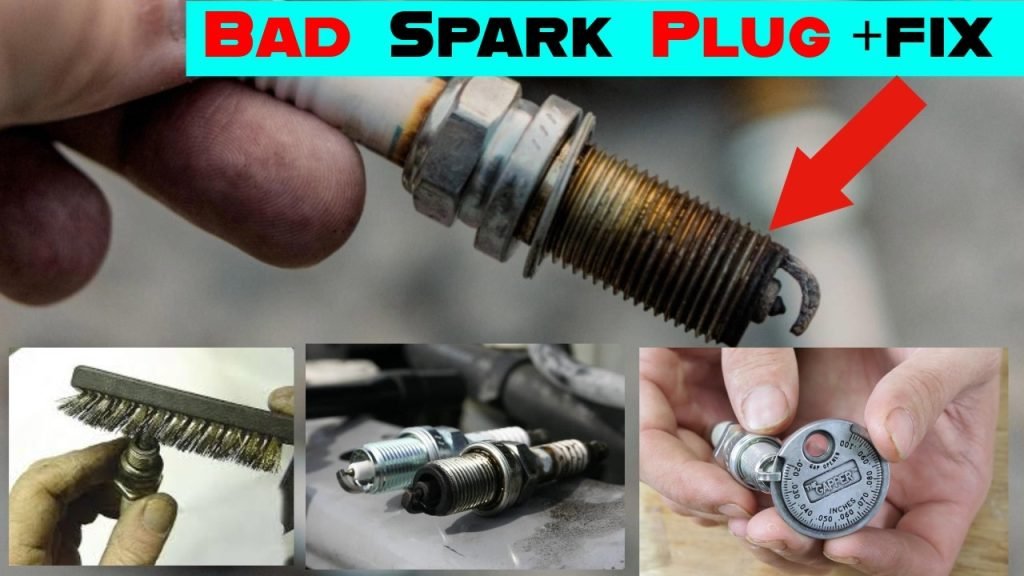
Inspect spark plugs every 20,000 to 30,000 miles or as recommended. Remove dirt, oil, and carbon deposits gently using a wire brush or spark plug cleaner. Look for signs of wear such as worn electrodes, cracks, or heavy deposits.
Replace spark plugs showing damage or excessive wear. Check the spark plug gap with a feeler gauge and adjust if necessary for optimal performance.
Credit: www.toyotanation.com
Frequently Asked Questions
What Are Common Signs Of Bad Spark Plugs?
Bad spark plugs often show worn electrodes, heavy deposits, cracks, or corrosion. They may cause engine misfires, rough idling, and poor fuel efficiency.
How Do Bad Spark Plugs Affect Engine Performance?
Bad spark plugs reduce ignition efficiency, causing weak engine power, increased fuel consumption, and rough running. This leads to poor acceleration and difficulty starting the engine.
Can Bad Spark Plugs Damage The Engine?
Yes, bad spark plugs can cause incomplete combustion. This leads to engine knocking, overheating, and potential damage to pistons or catalytic converters.
How Often Should Spark Plugs Be Inspected For Damage?
Spark plugs should be inspected every 30,000 to 50,000 miles or as recommended by the vehicle manufacturer. Regular checks prevent engine issues and maintain performance.
Conclusion
Bad spark plugs can cause many engine problems. They often look worn, dirty, or damaged. Spotting these signs early helps avoid bigger car troubles. Clean, well-functioning spark plugs keep your engine running smooth. Check them regularly to save time and money.
A simple look can tell you when to replace them. Keep your vehicle healthy by paying attention to spark plug condition. Don’t wait for issues to get worse. Take action and maintain your car’s performance.





