Imagine this: you’re cruising down the highway, and suddenly, your car starts to stutter. Your heart skips a beat.
What’s going on? It might be those little components you often overlook—your spark plugs. They’re tiny but mighty, playing a crucial role in keeping your engine running smoothly. But how can you tell if they’re on their last leg? Understanding the signs of bad spark plugs can save you from unexpected breakdowns and costly repairs.
Do you feel a rough idle or notice a drop in fuel efficiency? These could be red flags. We’ll dive into the telltale signs that your spark plugs might be failing you, and why addressing them sooner rather than later is essential for your car’s health—and your peace of mind. Ready to unravel the mystery behind your car’s performance issues? Let’s get started!

Credit: www.reddit.com
Common Spark Plug Problems
Spark plugs are vital for your engine’s performance. Problems with them can cause poor fuel economy, rough idling, and difficulty starting the engine. Knowing common spark plug problems helps you spot issues early. This prevents bigger engine troubles and costly repairs.
Worn Electrodes
Electrodes wear down over time from constant sparking. Worn electrodes create weak sparks. This causes misfires and reduces engine power. You may notice sluggish acceleration or rough running. Regular inspection helps catch wear early and keeps your engine smooth.
Carbon Deposits
Carbon buildup forms from incomplete fuel burning. Deposits cover the spark plug tip and block sparks. Engines may misfire or stall due to this. Black, dry soot on the plugs shows carbon fouling. Cleaning or replacing plugs solves this problem quickly.
Oil Fouling
Oil fouling happens when oil leaks into the combustion chamber. Oil coats the spark plug, stopping sparks from firing. This causes rough idling and hard starts. Oily, wet plugs are a clear sign. Fixing leaks and changing plugs restores engine health.
Overheating Effects
Overheating damages spark plugs fast. High heat melts electrodes and insulator cracks. This leads to weak or no sparks. Symptoms include poor performance and engine knocking. Using the correct plugs and checking cooling systems prevent overheating damage.
Signs Of Bad Spark Plugs
Knowing the signs of bad spark plugs can save you from unexpected car troubles. Spark plugs play a crucial role in your engine’s performance, and when they fail, your vehicle shows clear symptoms. Recognizing these signs early helps you avoid costly repairs and keeps your ride smooth.
Engine Misfires
One of the most obvious signs of bad spark plugs is engine misfiring. You might feel your car hesitate or jerk while driving, especially under acceleration. This happens because faulty spark plugs fail to ignite the fuel-air mixture properly, causing uneven engine performance.
Poor Fuel Economy
Have you noticed your fuel tank emptying faster than usual? Worn-out spark plugs can cause incomplete combustion, meaning your engine burns more fuel to keep running. This inefficiency directly impacts your wallet at the pump.
Difficulty Starting
Struggling to start your car could be more than just a battery issue. Bad spark plugs make it harder for the engine to ignite, especially in cold weather. If your engine cranks longer than normal before firing up, it’s time to check those plugs.
Rough Idling
Does your engine shake or sound uneven when idling? Rough idling often points to spark plugs that aren’t firing consistently. This can lead to vibrations you can feel inside the cabin, making your driving experience uncomfortable.
Lack Of Acceleration
If your car feels sluggish when you press the gas, bad spark plugs might be the cause. They can’t deliver the quick sparks needed for strong acceleration, leaving your vehicle feeling underpowered. Have you noticed any drop in your car’s responsiveness lately?
Diagnosing Spark Plug Issues
Diagnosing spark plug issues is key to maintaining your vehicle’s performance. Spark plugs play a crucial role in igniting the air-fuel mixture inside the engine. Problems with spark plugs can cause engine misfires, poor fuel economy, and rough idling. Identifying faulty spark plugs early helps avoid costly repairs and keeps your car running smoothly.
Several ways exist to check if your spark plugs are in good condition. Some tests are simple and require no special tools. Others need basic equipment but give more precise results. Understanding these diagnostic methods helps you maintain your vehicle better.
Visual Inspection Tips
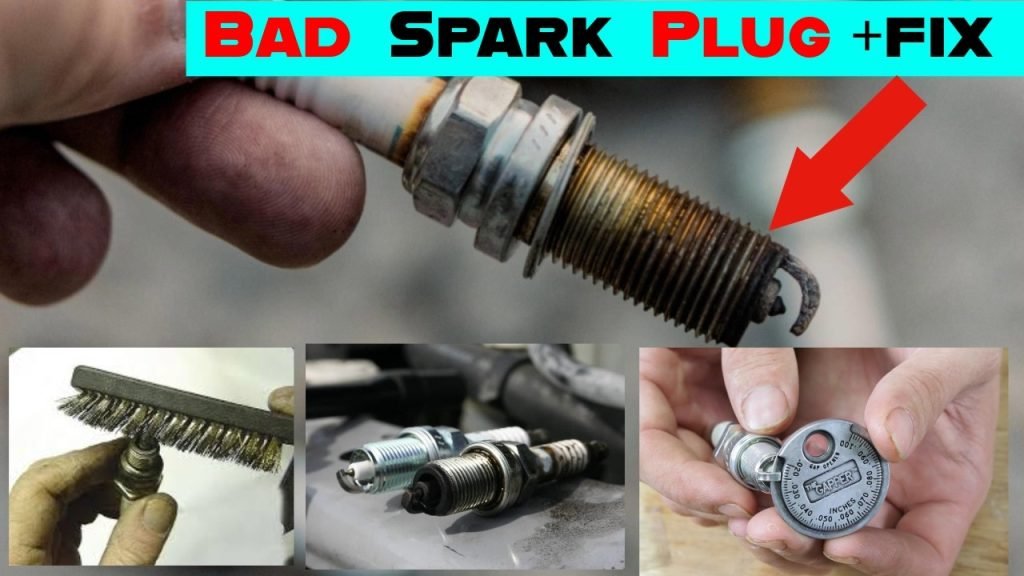
Start by removing the spark plugs from the engine. Look closely at the plug’s tip and threads. A healthy spark plug has a light tan or gray color on the electrode. Black, oily, or sooty deposits indicate fouling. Cracks or chips on the ceramic insulator show physical damage.
- Check for worn or rounded electrodes.
- Look for carbon buildup or oil residue.
- Inspect for cracks or burn marks.
Visual signs often point to issues like improper fuel mixture or oil leaks.
Using A Spark Plug Tester
A spark plug tester checks if the plug produces a strong spark. It is a simple device you connect between the plug and ignition wire. When the engine cranks, the tester shows a visible spark. A bright, consistent spark means the plug is working well.
- No spark or a weak spark means the plug may be bad.
- Test each plug to find any faulty ones.
- Repeat tests if results seem unclear.
This test helps confirm electrical problems related to spark plugs.
Checking Spark Plug Gap
The spark plug gap is the distance between the center and ground electrode. The correct gap ensures proper ignition and engine efficiency. Use a feeler gauge to measure the gap. Compare this measurement to the vehicle’s manual specifications.
- Too wide a gap can cause misfires.
- A gap too narrow may reduce spark strength.
- Adjust the gap carefully without damaging the plug.
Regular gap checks improve engine performance and fuel economy.
When To Replace
Replace spark plugs if you notice these signs:
- Visible damage or heavy deposits on plugs.
- Repeated engine misfires or poor acceleration.
- High mileage beyond the manufacturer’s recommended interval.
New spark plugs restore smooth engine running and better fuel use. Always use the correct type for your vehicle.

Credit: www.zx6r.com
Preventing Spark Plug Problems
Preventing spark plug problems starts with simple, consistent care. Neglecting spark plugs can lead to poor engine performance and costly repairs. But with the right approach, you can avoid these issues and keep your engine running smoothly for miles.
Regular Maintenance Schedule
Keeping a regular maintenance schedule is key to spotting spark plug issues early. Check your vehicle’s manual for recommended inspection intervals. Don’t wait for symptoms like rough idling or poor fuel economy—inspect spark plugs proactively.
Set reminders to examine and clean your spark plugs every 30,000 miles or as advised. This habit helps you catch wear and corrosion before they cause engine misfires. Have you marked your calendar for the next check-up yet?
Choosing The Right Spark Plugs
Using the correct spark plugs matters more than you might think. Different engines require specific heat ranges and materials for optimal performance. Picking the wrong type can cause premature wear or inefficient combustion.
Refer to your vehicle’s manual or ask a trusted mechanic to find plugs that match your engine’s specifications. High-quality plugs might cost more upfront but save you money on repairs down the road. Which spark plug brand have you found reliable for your car?
Proper Installation Techniques
Installing spark plugs properly prevents many common problems. Ensure the spark plugs are tightened to the manufacturer’s torque specification—too tight can damage threads, too loose can cause misfires.
Use a torque wrench and avoid over-tightening. Also, make sure the spark plug gaps are adjusted correctly before installation. These small details can make a big difference in engine efficiency and longevity.
Credit: www.dodgedurango.net
Frequently Asked Questions
How Do I Identify Bad Spark Plugs?
Look for engine misfires, poor fuel economy, and rough idling. Visual signs include worn electrodes and heavy deposits. These symptoms suggest spark plugs need replacement.
What Causes Spark Plugs To Fail Early?
Spark plugs fail due to carbon buildup, oil fouling, or overheating. Using wrong spark plugs or poor maintenance also shortens their lifespan.
How Often Should I Check Spark Plugs?
Check spark plugs every 30,000 to 50,000 miles. Regular inspection prevents engine issues and ensures optimal performance.
Can Bad Spark Plugs Affect Fuel Efficiency?
Yes, faulty spark plugs cause incomplete combustion, lowering fuel efficiency. Replacing them improves mileage and reduces emissions.
Conclusion
Bad spark plugs can cause many car problems. Watch for rough idling, poor fuel economy, or hard starts. Check plugs regularly to keep your engine running smooth. Changing worn spark plugs can improve performance and save money. Don’t wait until issues get worse.
Simple maintenance helps your car last longer. Stay alert to signs and act fast. Your vehicle will thank you for the care.





