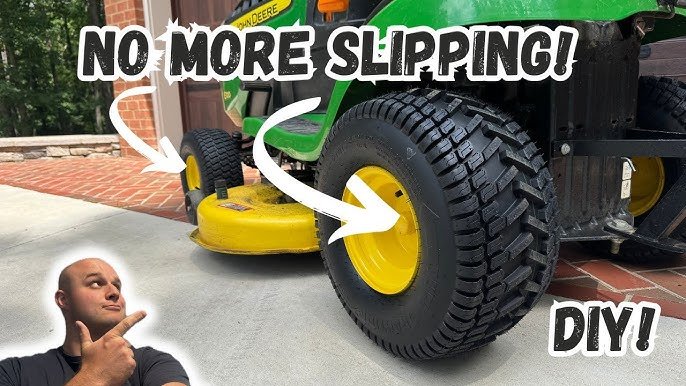
Have you ever faced the frustration of a flat mower tire just when you needed to get your lawn looking perfect? You might wonder, can mower tires be repaired, or do you have to buy new ones every time?
The good news is, you don’t always have to replace them. Understanding how mower tires can be fixed not only saves you money but also keeps your mower running smoothly. Keep reading, and you’ll discover simple tips and tricks that can bring your tires back to life quickly and easily.
Don’t let a flat tire slow you down—find out how you can take control and get back to mowing in no time.
Credit: www.youtube.com
Common Mower Tire Issues
Punctures and leaksare common problems for mower tires. Small nails or sharp stones can cause holes. These holes make air escape, making the tire flat. Fixing small punctures is possible with a patch or plug kit. Large holes or sidewall damage often need tire replacement.
Worn treadmeans the tire surface is smooth. This reduces grip and makes mowing unsafe. Tires with worn tread slip more on wet grass. Replacing tires is usually better than trying to fix worn tread.
Cracks and dry rothappen when tires get old or sit in the sun too long. The rubber dries out and breaks. Cracked tires can leak air or even burst. Repair is hard for cracked tires, so replacement is safest.
Tools Needed For Repairs
Patch kitsinclude patches, glue, and tools needed to fix small holes. They are easy to use and work well for minor tire damage.
Air compressors and pumpshelp refill tires after repair. A pump can be manual or electric. Keeping proper tire pressure is very important for safe mowing.
Replacement partslike new tires, tubes, or valve stems may be needed if damage is too big. Having spare parts saves time and effort during repairs.
- Patch kits: patches, glue, and applicators
- Air compressors: electric or manual pumps
- Replacement parts: tires, tubes, valve stems
Step-by-step Repair Methods
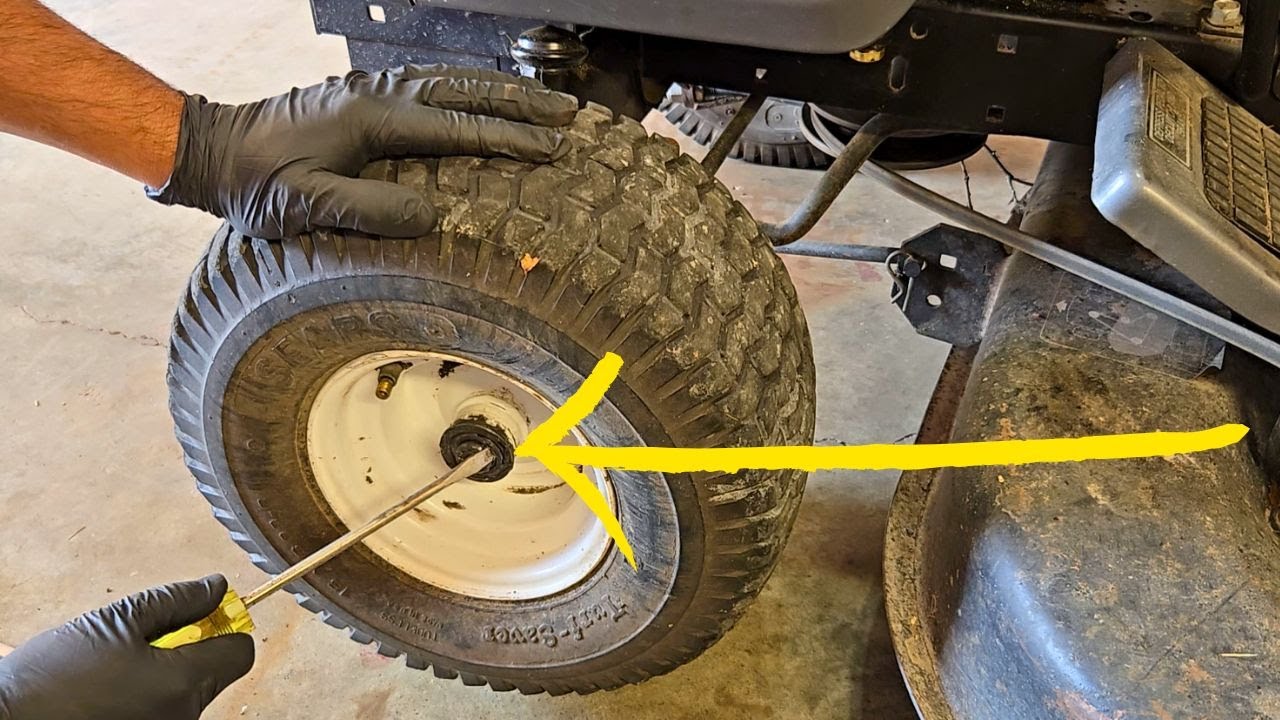
Small holes in mower tires can often be repaired using a patch kit. First, remove the tire and locate the puncture by inflating it slightly. Clean the area around the hole and apply the patch firmly. Let it dry before reinflating the tire.
Valve stems control air flow in tires. If a stem leaks, it needs replacement. Remove the old valve stem with pliers, insert a new one, and secure it tightly. This stops air from escaping and keeps the tire inflated properly.
Cracks in mower tires can cause air leaks and reduce tire life. Use a rubber sealantto fill small cracks. Clean the cracked area first, then apply sealant evenly. Let it cure before using the mower again. This extends tire durability and performance.

Credit: www.youtube.com
When To Replace Tires
Mower tires can often be repaired if the damage is small, like a puncture. Large cracks or worn-out tread usually mean replacement is needed. Check tires regularly to spot issues early and keep your mower running smoothly.
Signs Beyond Repair
- Big holes in the tire.
- Tire tread is very low.
- Big cracks on the tire surface.
- Constant flat tires.
Safety Considerations
Old tires can be dangerous. They may not grip the ground well. This makes stopping quickly hard. Worn tires can slide on wet roads. This is called hydroplaning. It is very unsafe. New tiresprovide better control. They help the mower stop faster. Safe tires protect from accidents. Always check tire condition. Make sure they are safe to use.
Preventive Maintenance Tips
Proper tire inflationkeeps mower tires working well. Check tire pressure often. Use a gauge for exact reading. Tires with too little air wear out fast. Too much air can cause a bumpy ride. Keep tires at the pressure found in the mower’s manual.
Regular inspectionscatch problems early. Look for cracks, cuts, or objects stuck in tires. Spinning tires might mean low air or damage. Fix small issues fast to avoid bigger repairs.
Storage recommendationshelp tires last longer. Store mowers in a dry, cool place. Avoid direct sun to stop tire cracking. If storing for a long time, raise tires off the ground. Clean tires before storage to remove dirt and debris.

Credit: www.youtube.com
Frequently Asked Questions
Can Mower Tires Be Repaired After A Puncture?
Yes, mower tires can often be repaired after a puncture. Small holes or leaks can be fixed using patch kits or plugs. However, large tears or sidewall damage usually require tire replacement for safety and performance.
How To Tell If A Mower Tire Is Repairable?
Check for visible holes, cracks, or sidewall damage. If the damage is minor and on the tread area, repair is possible. Extensive damage or worn-out tires should be replaced to avoid accidents or poor traction.
What Tools Are Needed To Repair Mower Tires?
Common tools include a tire repair kit, pliers, a tire pressure gauge, and an air compressor. These help remove the tire, patch holes, and reinflate the tire properly for safe use.
Is It Better To Replace Or Repair Mower Tires?
Repairing is cost-effective for small punctures or leaks. Replace tires with major damage, sidewall cuts, or excessive wear. Replacement ensures safety, better traction, and longer mower life.
Conclusion
Mower tires can often be repaired with the right tools and care. Small punctures or leaks usually do not mean you must buy new tires. Repair kits work well for many common problems. Always check the tire’s condition before deciding to fix it.
Safe and proper repair helps your mower run longer. Keep tires inflated to the correct pressure for best results. Regular tire care saves money and prevents damage. Simple fixes keep your mower ready for the job. Tires in very bad shape should be replaced for safety.





