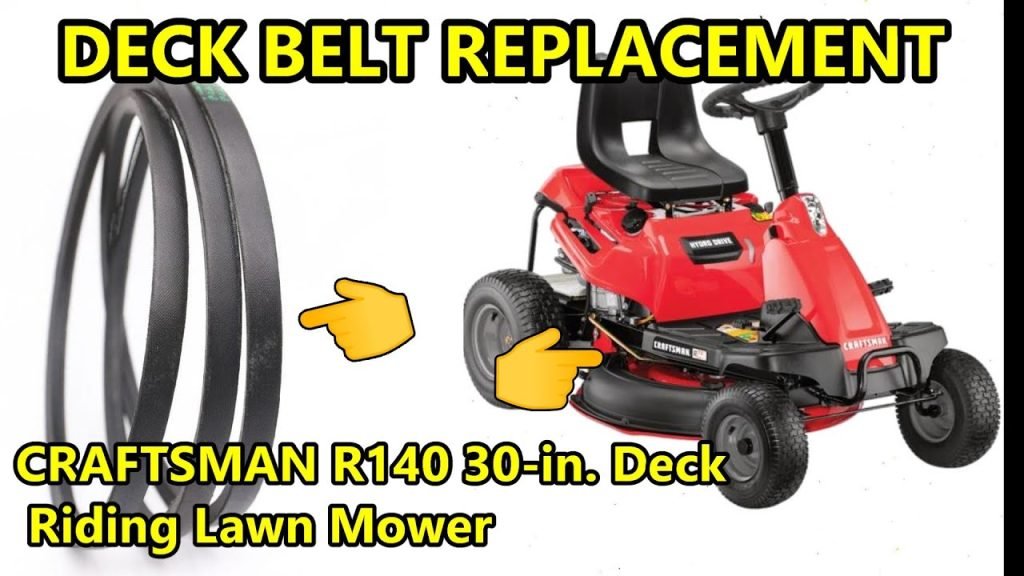
Is your mower belt worn out or broken? Knowing how to remove your mower belt yourself can save you time and money.
You don’t need to be a mechanic or have special tools to do it right. In this guide, you’ll find simple, step-by-step instructions that make the job easy and quick. Stick with me, and you’ll have your mower ready to go in no time.
Let’s get started!
Tools Needed
To remove a mower belt, gather the right tools first. You will need a wrenchor socket setto loosen bolts. A screwdriverhelps in removing covers or guards. Use gloves to protect your hands from sharp edges. A flashlightmay be useful for better visibility. Having a replacement beltready is important. Keep a clean clothnearby to wipe dirt or grease. Make sure all tools fit your mower’s parts. This preparation makes the belt removal easier and safer.
Safety Precautions
Always turn offthe mower and remove the keybefore starting. This stops the engine from accidental starting. Wear thick glovesto protect your hands from sharp edges. Use eye protectionto avoid debris entering your eyes.
Make sure the mower is on a flat surfaceand the wheels are blockedto stop it from moving. Let the engine and parts cool downbefore working to avoid burns. Keep your work area cleanand free of tools or objects that could cause trips or falls.
- Disconnect spark plug wire to prevent sparks.
- Use proper tools for belt removal.
- Follow manufacturer’s safety instructions.
- Keep children and pets away during repair.
Locate The Belt
First, make sure the mower is off. Look for the mower deck. It’s usually underneath the seat. The belt is a long, rubber band. It connects the engine to the blades. The belt is often black. Check your mower’s manual if unsure. The belt might be covered. Remove any plastic guards if needed. Be careful not to lose any screws. Once the guard is off, you should see the belt clearly. If the belt is broken, it might hang loose. A working belt is tight and firm. Make sure the area is clean and clear. This helps you see better. If stuck, ask for help from an adult.
Credit: www.searspartsdirect.com
Release Belt Tension
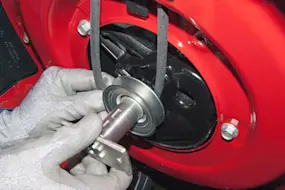
The belt tension keeps the mower belt tight and working well. To release tension, find the tensioner pulleyor spring. This pulley holds the belt tight around the mower parts.
Use a wrench or socket to move the tensioner. This action loosens the beltand makes it easier to remove. Sometimes, the tensioner moves on a spring arm. Push or pull it gently to release the tension.
Be careful not to force the parts. The belt should slip off smoothly once the tension is low. Remember to wear gloves to keep your hands safe from sharp edges.
Remove The Old Belt
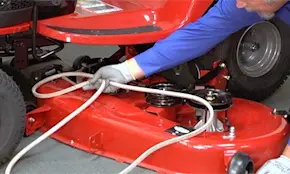
Before removing the mower belt, make sure the mower is off and cool. Disconnect the spark plug wire to avoid accidents. Find the belt cover and remove the screws holding it in place. Carefully take off the cover to see the belt. Check the belt for damage or wear. Release the belt tension by loosening the tensioner pulley. Slide the belt off the pulleys gently. Avoid forcing or pulling too hard to prevent damage. Keep the old belt for comparison with the new one. Clean any dirt or debris from the pulleys before installing a new belt.
Credit: www.searspartsdirect.com
Inspect Pulleys And Components
Check all pulleys and componentscarefully for any damage. Look for signs of wear, cracks, or rust. Make sure each pulley spins freely without noise or resistance. Tighten any loose bolts or screws. Clean dirt and debris from pulleys to prevent belt slipping. Worn or damaged pulleys can cause the belt to break. Replace any parts that look bad. Proper pulley condition helps the belt last longer and work better.
Install The New Belt
Place the new belt around the mower pulleys carefully. Make sure the belt fits the grooves tightly. Check the belt path before tightening. Pull the belt gently to remove slack but do not overstretch it. Align the belt so it does not rub against any parts. Adjust the tensioner or spring to hold the belt firmly. Spin the pulleys by hand to see if the belt moves smoothly. Look for any signs of slipping or misalignment. Correct any issues before using the mower. Tighten all bolts and fasteners securely. Test the mower to ensure the belt works properly. Proper installation helps the mower run well and last longer.

Credit: www.youtube.com
Restore Belt Tension
To restore belt tension, first locate the tensioner arm on the mower. This arm keeps the belt tight during use. Gently pull the tensioner away from the belt to release pressure. Slide the belt off the pulleys carefully.
Check the belt for any signs of wear or damage. Replace the belt if it looks cracked or frayed. Place the new or existing belt back over the pulleys. Slowly let the tensioner arm move back to its original position. This action tightens the belt properly.
- Ensure the belt is seated correctly on all pulleys.
- Double-check that the tensioner arm is secure.
- Test the mower to confirm the belt moves smoothly.
Test The Mower
Before removing the mower belt, test the mowerto check for problems. Turn on the mower and watch how it runs. Listen for any strange noises like squealing or grinding. These sounds may mean the belt is worn or slipping.
Look at the mower’s blades. If they do not spin properly, the belt might be loose or broken. Also, check if the mower feels less powerful or if it struggles to cut grass evenly.
- Check engine speed and blade movement.
- Notice any burning smells or smoke.
- Look for visible belt damage or cracks.
Testing helps know if the belt needs replacing or fixing. It saves time and ensures safety.
Common Belt Issues
- Slipping Belt:A belt can slip off easily. This happens when it’s loose or worn out.
- Cracked Belt:Cracks mean the belt is old. Replace it soon.
- Frayed Edges:Frayed edges show damage. The belt may break soon.
- Misalignment:If the belt is not straight, it won’t work well.
- Noise:Belts can make noise if they are too tight. Check and adjust them.
Always check your belt. Keep it in good condition. This helps the mower work better.
Frequently Asked Questions
How Do I Safely Remove A Mower Belt?
First, disconnect the spark plug for safety. Then, release belt tension by loosening the idler pulley. Slide the belt off the pulleys carefully, noting its path for reinstallation.
What Tools Are Needed To Remove A Mower Belt?
Typically, you need a wrench or socket set to loosen pulleys. A flathead screwdriver can help pry the belt off. Always check your mower’s manual for specific tools.
How Can I Tell If The Mower Belt Needs Replacing?
Look for cracks, fraying, or glazing on the belt surface. If the belt slips or breaks during use, replacement is necessary. Regular inspection prevents mower damage.
Can I Remove The Mower Belt Without A Manual?
Yes, but it’s best to consult the manual for your model. Each mower may have different belt paths and tension mechanisms. Visual guides or videos online can help.
Conclusion
Removing a mower belt is easier than it seems. Follow each step with care and patience. Keep your tools ready and work safely. Check the belt for damage before removing. Clean the area to avoid dirt and debris. Replace the belt only if it shows wear.
Taking your time helps prevent mistakes and injury. Regular mower care extends its life and performance. Now, you can handle mower belt removal with confidence.





