
Do you want your lawn mower to start quickly and run smoothly? The secret might be as simple as changing its spark plug.
This tiny component plays a big role in your mower’s performance. When it’s worn out, your mower can become hard to start, use more fuel, or even stall. If you’ve ever found yourself pulling the starter rope over and over, you know how frustrating this can be.
Luckily, changing a spark plug is a quick and easy fix that you can do yourself, saving you time and money. In this guide, we’ll walk you through the simple steps to replace your mower’s spark plug, ensuring your lawn care routine is as efficient as possible. Ready to get your mower running like new again? Let’s dive in!
Tools Needed
Before you start changing your mower’s spark plug, gathering the right tools is essential. Having these tools on hand makes the process smoother and prevents unnecessary frustration. Missing just one can turn a quick job into a long one.
Spark Plug Wrench
A spark plug wrench is designed to fit snugly around the spark plug, allowing you to loosen or tighten it without damaging the plug or the engine. It usually has a rubber insert to grip the plug securely.
You might be tempted to use regular pliers, but they can crush the spark plug. Investing in the right wrench saves you from costly mistakes and makes the job faster.
Gap Gauge
The gap gauge measures the distance between the spark plug’s electrodes. This gap must be just right for your mower to run efficiently.
Using a gap gauge ensures you adjust the spark plug properly, preventing engine misfires or hard starts. Do you know the exact gap your mower requires? Checking this can improve performance significantly.
Cleaning Brush
A cleaning brush helps remove dirt, debris, and corrosion from the spark plug and the surrounding area. This keeps the connection clean and reliable.
Skipping this step might cause poor ignition or damage to your engine. A small wire or nylon brush works well without harming the delicate parts.
Replacement Spark Plug
Having a replacement spark plug ready is crucial in case the old one is worn out or damaged. Always check your mower’s manual for the correct type and size.
Using the right spark plug ensures optimal engine performance. Do you keep a spare plug in your tool kit? It’s a simple way to avoid downtime during mowing season.
Preparing The Mower
Before you dive into changing your mower’s spark plug, it’s crucial to prepare your machine properly. Taking the right safety steps and knowing where everything is will save you time and prevent accidents. Let’s look at how to get your mower ready for this simple yet important maintenance task.
Turn Off And Cool Down
Always make sure your mower is completely turned off before you begin. Remove the key if it has one, or disconnect the spark plug wire to prevent accidental starts.
Engines can stay hot for a long time after use. Wait at least 30 minutes for the mower to cool down. Handling a hot engine can lead to burns or other injuries.
Locate The Spark Plug
Finding the spark plug is easier than you might think. Look for a thick wire leading to a small, cylindrical component on the engine block.
If you’re unsure, check your mower’s manual or look online for a diagram. Knowing exactly where the spark plug sits helps avoid unnecessary fumbling and speeds up the process.
Removing The Old Spark Plug
Removing the old spark plug is a crucial step in maintaining your mower’s performance. It’s important to handle this task carefully to avoid damaging the engine or the spark plug itself. Taking your time and following the right process will save you frustration and ensure your mower runs smoothly.
Disconnect The Spark Plug Wire
Start by locating the spark plug wire attached to the top of the spark plug. Gently grasp the boot—the rubber part at the end of the wire—and pull it straight off. Avoid pulling on the wire itself, as this can cause damage and lead to poor connections later.
If the wire feels stuck, a slight wiggle while pulling usually helps. Remember, disconnecting this wire ensures the engine won’t accidentally start while you’re working, keeping you safe.
Use Wrench To Unscrew
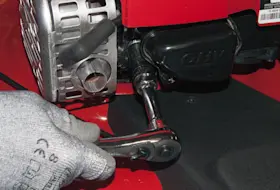
Once the wire is off, use a spark plug wrench or a deep socket wrench that fits the plug size snugly. Turn the wrench counterclockwise to loosen the spark plug. It might take a bit of force if it hasn’t been changed in a while, so don’t be afraid to apply steady pressure.
Be careful not to strip the plug by using the wrong size wrench or turning at an angle. Once loose, you can usually unscrew it the rest of the way by hand. If the plug feels stuck, ask yourself: have you checked for corrosion or debris around it? Cleaning this area first can make removal easier.

Credit: www.youtube.com
Inspecting And Cleaning
Inspecting and cleaning the spark plug is essential for a mower’s smooth running. Dirt and damage can stop the engine from starting or cause rough performance. A careful check helps find issues early. Cleaning the spark plug area prevents dirt from entering the engine during replacement. This keeps your mower in good shape and extends its life.
Check For Damage Or Wear
Remove the spark plug and look closely at the metal parts. Check for cracks, chips, or heavy carbon buildup. Look at the electrode, the small metal tip at the end. It should be intact and not worn down. A damaged spark plug can cause poor engine performance. Replace it if any damage or heavy wear is visible.
Clean The Spark Plug Area
Before removing the spark plug, clean around its base. Use a small brush or cloth to remove dirt and debris. This stops dirt from falling into the engine cylinder. After removing the spark plug, clean it with a wire brush to clear carbon deposits. Avoid using harsh chemicals. Wipe the spark plug with a dry cloth before reinstalling or replacing it.
Setting The Spark Plug Gap
Setting the spark plug gap is a crucial step when changing your mower’s spark plug. The gap affects how well the spark ignites the fuel-air mixture in the engine. If the gap is too wide or too narrow, your mower might struggle to start or run inefficiently.
Measure The Gap
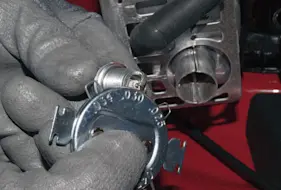
To measure the spark plug gap, you’ll need a feeler gauge or a spark plug gap tool. Slide the tool between the center and side electrodes of the spark plug. The correct gap size can usually be found in your mower’s manual or on the spark plug packaging.
Make sure the tool fits snugly but doesn’t force through. If it’s too tight or too loose, the gap needs adjusting. Have you ever tried starting your mower only to find it sputtering? An incorrect gap might be why.
Adjust If Necessary
If the gap isn’t right, gently bend the side electrode to adjust it. Use the gap tool to widen or narrow the space bit by bit. Avoid applying too much pressure to prevent damaging the electrode.
After adjusting, recheck the gap with your tool to ensure accuracy. A well-set gap means smoother engine performance and easier starts. Remember, taking a few extra minutes here can save you frustration later.
Credit: www.searspartsdirect.com
Installing The New Spark Plug
Installing the new spark plug is a simple yet important part of mower maintenance. It ensures the engine runs smoothly and starts easily. Take care to avoid cross-threading and to secure the spark plug properly. Follow these steps for a safe and effective installation.
Hand Tighten First
Start by screwing the spark plug into the cylinder by hand. This prevents damage to the threads. Turn it gently clockwise until it is snug. Avoid forcing it, as cross-threading can cause costly repairs. Hand tightening ensures the spark plug is aligned correctly.
Final Tightening With Wrench
Use a spark plug wrench or socket for the final tightening. Turn the wrench slowly and stop when you feel resistance. Do not over-tighten; this can strip the threads or break the plug. A quarter to half turn past hand tight is usually enough.
Reconnecting And Testing
After replacing the spark plug, reconnecting and testing are crucial steps. These ensure the mower runs smoothly and safely. Proper connection prevents engine problems and starting issues. Testing confirms that the spark plug works correctly and the mower is ready for use.
Attach Spark Plug Wire
Locate the spark plug wire and gently push it onto the new spark plug. It should fit snugly over the metal tip. Avoid pulling the wire by the cable; use the boot for a secure grip. A tight connection ensures a strong spark for the engine.
Start The Mower To Test
Move the mower to a flat surface and clear the area. Turn on the fuel valve and set the choke if needed. Pull the starter cord or press the ignition button to start the engine. Listen for a smooth, steady sound. If the mower runs well, the spark plug installation is successful.
Credit: www.searspartsdirect.com
Maintenance Tips
Keeping your mower’s spark plug in good shape is key to smooth operation and longer engine life. Simple maintenance tips can save you frustration and money. Let’s look at how regular checks and timely replacements help your mower run like new.
Regular Spark Plug Checks
Check your spark plug every 25 hours of mowing or at least once per season. Look for signs like carbon buildup, cracks, or corrosion on the electrodes. These issues can cause misfires or hard starts.
Cleaning the spark plug can improve performance if it’s just dirty. Use a wire brush or spark plug cleaner to remove deposits. Make sure the gap between electrodes matches your mower’s manual specifications—you can measure this with a feeler gauge.
Have you noticed your mower struggling on hills or taking longer to start? These are often early warnings that your spark plug needs a quick inspection.
When To Replace
Replace the spark plug if cleaning doesn’t fix the problem or if you see physical damage like cracks or worn electrodes. A worn spark plug wastes fuel and reduces power, making your mowing job harder.
Most manufacturers recommend replacing the spark plug annually or every 100 hours of use. If you mow in dusty or wet conditions, check and replace it more often to avoid engine issues.
Remember, a fresh spark plug can improve fuel efficiency and lower emissions. Have you checked your spark plug lately? It might be the simple fix your mower needs to perform better.
Frequently Asked Questions
How Often Should I Change A Mower Spark Plug?
Change your mower spark plug every 25 hours of use or once per season. Frequent replacement ensures efficient engine performance and easier starting.
What Tools Do I Need To Change A Mower Spark Plug?
You need a spark plug socket, ratchet wrench, and a gap gauge. These tools help remove and install the spark plug correctly.
How Do I Check The Spark Plug Gap On A Mower?
Use a gap gauge to measure the distance between the electrodes. Adjust the gap to the manufacturer’s recommended specification for optimal performance.
Can A Dirty Spark Plug Cause Mower Problems?
Yes, a dirty spark plug can cause hard starting, rough running, and poor fuel efficiency. Cleaning or replacing it solves these issues quickly.
Conclusion
Changing a mower spark plug keeps your lawn mower running well. Clean or replace the spark plug regularly for best results. This small task helps your mower start easily and run smoothly. It also saves you time and money on repairs.
Follow the steps carefully and work safely. A good spark plug means a healthy mower. Simple maintenance goes a long way. Try it today and enjoy a neat, well-kept lawn.





