Have you noticed cracks or bulges on your mower tire’s sidewall? This kind of damage can slow down your work or even bring your mower to a halt.
But don’t worry—you don’t have to replace the whole tire just yet. You’ll learn simple and effective ways to fix mower tire sidewall damage yourself. Keep reading to save time, avoid costly repairs, and get your mower back to running smoothly.
Your lawn deserves it!
Causes Of Sidewall Damage
Sharp objectslike nails, rocks, and sticks can poke and tear mower tire sidewalls. These can cause small cuts that grow over time. Debris on the ground is a common cause of damage.
Improper inflationmeans tires may be too hard or too soft. Tires with low air pressure get squished, causing cracks and weak spots. Overinflated tires can burst or wear unevenly.
Wear and tearhappen naturally as the tire ages. Sunlight, heat, and rough surfaces make the sidewalls dry and brittle. Old tires are more likely to crack and break.

Credit: www.amazon.ca
Tools And Materials Needed
Fixing mower tire sidewall damage needs some basic tools and materials. A tire repair kitusually includes plugs, patches, and glue. These help seal holes or cracks on the tire surface.
An air compressor or pumpis necessary to refill the tire with air after repair. It keeps the tire firm and safe to use. Without air, the mower won’t run properly.
Protective glovesprotect your hands while handling sharp parts or chemicals. Safety is important to avoid cuts or skin irritation during repair work.
Inspecting The Damage
Carefully check the tire sidewall for cracks, bulges, or cuts. Small damage might be fixed, but large tears often need tire replacement. Understanding the damage helps decide the best repair method.
Locating The Damage
Begin by looking at the entire tire. Check both sides for any cracks or cuts. Feel the surface for any unusual bumps or soft spots. These can be signs of damage. Shine a light if you need better visibility. Ensure all areas are carefully examined.Assessing Severity
After finding the damage, it’s important to see how bad it is. Small scratches may not be serious. Large cracks or deep cuts can be dangerous. Press gently on the damaged area. If it moves easily, it might be severe. Check if air is escaping by listening closely. Use water to find leaks; bubbles will show if there’s a problem. `
Credit: www.youtube.com
Preparing The Tire
Clean the tire sidewallbefore repairing it. Dirt and dust can stop patches from sticking well. Use a brush or cloth to remove loose dirt.
Remove any sharp debrislike small stones or twigs stuck in the tire. These can cause more damage later.
Use a mild soap and water solution to wipe the area gently. Let it dry completely before the next step.
Check the tire surface carefully. Make sure no grease or oil remains. This helps the repair material bond better.
Diy Repair Methods
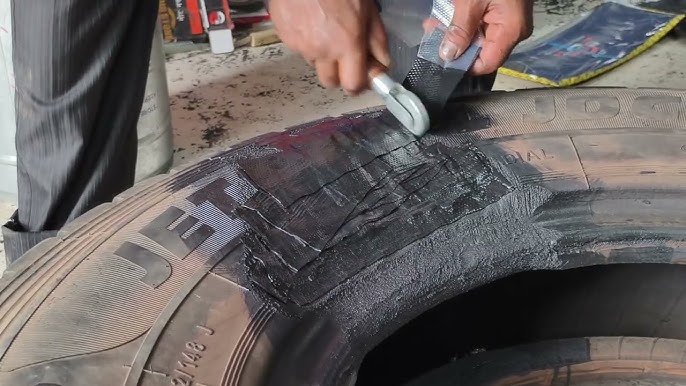
Start by cleaning the tire sidewall area thoroughly. Remove dirt and debris to ensure good patch adhesion. Select a tire patch slightly larger than the damaged area. Apply the patch directly over the sidewall damage, pressing firmly to remove air bubbles.
Use rubber cement to bond the patch securely. Spread a thin layer around the damaged spot and on the patch’s back. Let the cement dry slightly until it feels tacky. Press the patch onto the tire and hold it for a few minutes.
To reinforce the repair, wrap strong tape around the tire’s sidewall. This helps keep the patch in place during use. Choose a tape that sticks well to rubber and resists water. Make sure the tape covers the patch edges completely for added protection.
Inflating And Testing
Check the mower tire’s sidewall for cracks or holes before inflating. Use a tire pressure gauge to know the proper inflation level. The correct pressure is usually printed on the tire sidewall or in the mower manual.
Inflate the tire slowly. Avoid overinflating, which can cause more damage. Underinflated tires reduce mower performance and can cause uneven wear.
- Use a reliable air compressor or pump.
- Stop inflating once the recommended pressure is reached.
- Check pressure again after a few minutes.
To check for leaks, apply soapy water on the tire sidewall and valve area. Bubbles will appear if air escapes. Listen for hissing sounds near the damaged area.
Fix small leaks with a tire repair kit or replace the tire if damage is severe. Proper inflation and leak checks extend tire life and improve mower safety.
When To Replace The Tire
Tire sidewall damage that is deep or large needs replacement. Cracks that go through the tire layers are dangerous. Bulges or bubbles on the sidewall show weak spots. These signs mean the tire may blow out during use.
Small cuts or scratches can sometimes be fixed. But deep tears or missing chunks cannot be repaired safely. Tires with old, dry sidewalls are also risky to use.
Safety is very important. A damaged tire can cause accidents or loss of control. Always check tires before mowing. Replace tires if damage looks bad or gets worse. This keeps you safe and your mower working well.
Preventing Future Sidewall Damage
Regular checks help catch tire damage early. Look for cracks or bulges on the sidewalls often. Keep tires inflated to the correct pressure. Underinflated or overinflated tires wear out faster. Clean tires regularly to remove dirt and debris. Store the mower in a cool, dry place to protect tires from harsh weather.
Safe driving reduces tire damage risks. Avoid sharp turns and rough surfaces. Drive slowly over uneven ground. Do not overload the mower with heavy equipment. Steer clear of sharp objects like rocks and sticks. Use the mower on suitable terrain to extend tire life.

Credit: www.youtube.com
Frequently Asked Questions
What Causes Mower Tire Sidewall Damage?
Mower tire sidewall damage often results from sharp objects, rough terrain, or over-inflation. Hitting rocks or curbs can also cause cuts or bulges. Proper tire maintenance and careful mowing help prevent such damage, extending tire life and ensuring safe operation.
Can I Repair Mower Tire Sidewall Damage Myself?
Minor sidewall damage can sometimes be fixed with tire sealant or patch kits. However, severe cuts or bulges usually require tire replacement. Always inspect damage carefully and consult a professional if unsure to avoid unsafe repairs and potential accidents.
How To Prevent Sidewall Damage On Mower Tires?
Avoid mowing over sharp debris and rough surfaces. Maintain proper tire pressure and avoid overloading your mower. Regularly inspect tires for wear and damage. Using quality tires suited for your terrain also helps reduce sidewall damage risk.
Is It Safe To Use A Mower With Damaged Sidewall Tires?
Using tires with damaged sidewalls is unsafe. It can lead to sudden tire failure and accidents. Replace damaged tires promptly to maintain mower stability and safety. Regular tire checks help detect issues early.
Conclusion
Fixing mower tire sidewall damage helps keep your mower safe and working. Regular checks catch problems early. Use the right tools and follow steps carefully. Small repairs save money and avoid bigger issues. Stay patient and take your time during the repair.
A well-maintained mower tire lasts longer and performs better. Keep your lawn care smooth and hassle-free. Simple care makes a big difference in the mower’s life.





