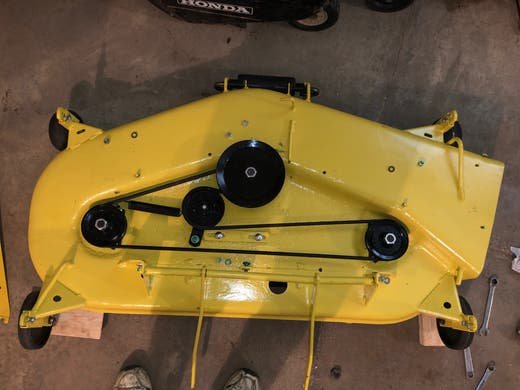
Is your mower not cutting as smoothly as it used to? One common culprit could be a misaligned mower belt.
If your mower belt isn’t lined up just right, it can cause uneven cuts, strange noises, or even damage to your machine. But don’t worry—you don’t need to be a mechanic to check this. You’ll learn simple, step-by-step ways to test your mower belt alignment yourself.
By the end, you’ll know exactly what to look for and how to fix it before it turns into a bigger problem. Keep reading, and take control of your mower’s performance today!

Credit: www.greentractortalk.com
Signs Of Misaligned Mower Belt
Uneven wear patternson the mower belt show clear signs of misalignment. Look for spots where the belt looks more worn out on one side. This happens because the belt rubs against the pulleys unevenly. Over time, this wear can cause the belt to break or slip off.
Strange noiseslike squeaking or grinding often mean the belt is not aligned properly. These sounds come from the belt rubbing or slipping on the pulleys. Strange noises should never be ignored, as they may lead to more damage.
Reduced cutting efficiencymeans the mower is not cutting grass well. A misaligned belt can cause the blades to turn slower or stop working fully. This makes mowing take longer and leaves uneven grass.
Tools Needed For Belt Alignment
Basic hand tools like wrenches and screwdrivers help adjust the mower belt. A socket set is also useful for tight bolts. These tools allow you to loosen and tighten parts easily.
Alignment gauges measure if the belt is straight. They help check the belt’s path along pulleys. This tool ensures the belt runs smoothly without slipping off.
Safety gear protects you while working. Gloves keep hands safe from sharp edges. Safety glasses protect eyes from dust and debris. Wearing sturdy shoes can prevent injuries from heavy tools or parts.
Preparing The Mower For Testing
Always disconnect the mower’s power source first. This ensures safety during testing. Unplug the spark plug or battery. This prevents accidental starting. Safety is the first step in any maintenance task.
Open the mower’s casing to view the belt. Use a screwdriver if needed. Make sure the area is well-lit. Good visibility helps spot alignment issues. Handle the tools carefully to avoid damage.
Remove any grass or dirt around the belt. Clean components ensure better inspection. Use a brush or cloth for this task. Check for any signs of wear or damage. A clean belt works more efficiently.
Step-by-step Belt Alignment Check
Start by carefully looking at the belt for any signs of wear or damage. Cracks, fraying, or stretchingmean the belt may need replacement. Check if the belt sits properly on all pulleys without slipping off.
Use a belt tension gauge or press the belt with your finger. The belt should have moderate tension, not too tight or too loose. A loose belt can slip and reduce mower efficiency. A belt that is too tight can cause damage.
| Alignment Check | What to Look For |
|---|---|
| Visual Inspection | Look for cracks, frays, and correct placement on pulleys. |
| Measuring Belt Tension | Check if the belt has moderate tension without slipping. |
| Checking Pulley Alignment | Ensure pulleys are in line to prevent belt wear. |
Inspect pulley alignment by sight or use a straight edge. Pulleys must be lined up perfectly. Misaligned pulleys cause the belt to slip or wear out quickly.
Adjusting The Belt For Perfect Fit
Start by loosening the mounting boltsgently. This allows the mower belt to move freely during adjustment.
Next, realign the pulleys. Make sure they are perfectly lined up to avoid belt slipping or wearing out fast.
Finally, retension the beltby tightening the bolts again. The belt should be snug but not too tight. Too much tension can cause damage.
- Check pulley alignment visually or with a straight edge.
- Adjust pulley positions to get a straight belt path.
- Ensure belt tension is firm but allows slight movement.
Testing After Alignment
Start the mower engine and watch the belt closely. The belt should run smoothly without wobbling or slipping off. Pay close attention to any unusual noises like squeaking or grinding. These sounds could mean the belt is not aligned properly or is damaged.
Stop the mower and turn off the engine. Check the belt’s position again. Make sure it sits flat on the pulleys and follows the right path. Adjust if the belt looks off track or loose. Proper belt alignment helps the mower work better and last longer.
Maintenance Tips To Keep Belt Aligned
Regular checks help spot belt problems early. Look for cracks, frays, or wear on the belt. Ensure the belt sits straight on the pulleys without twists or slips. Tighten loose belts to prevent slipping.
Store the mower in a dry place to stop belt damage. Avoid places with too much heat or moisture. Keep the mower off the ground to protect the belt from dirt and water.
Replace belts that look worn or stretched. A worn belt can slip or break during use. Use belts made for your mower model to ensure proper fit and function.

Credit: www.youtube.com
Credit: www.mytractorforum.com
Frequently Asked Questions
How Do I Check Mower Belt Alignment?
Inspect the belt’s position on the pulleys. Ensure it sits evenly without twisting or slipping. Misalignment causes uneven wear and poor mower performance.
What Tools Are Needed To Test Belt Alignment?
You need a straight edge, ruler, or laser alignment tool. These help measure and verify the belt’s path across pulleys precisely.
How Often Should Mower Belt Alignment Be Checked?
Check belt alignment every 20-30 hours of mowing or each season. Regular checks prevent damage and improve cutting efficiency.
Can Misaligned Belts Damage The Mower?
Yes, misaligned belts cause premature wear, slipping, and pulley damage. Proper alignment extends belt life and ensures smooth mower operation.
Conclusion
Testing your mower belt alignment helps keep your machine running smoothly. A well-aligned belt reduces wear and tear and saves you money. Check the belt regularly to catch problems early. Use simple tools and follow clear steps for best results.
Proper alignment means better cutting and less frustration. Take a few minutes to test and adjust the belt often. Your mower will work longer and perform better with this small effort. Keep your lawn looking great by caring for your mower belt.





