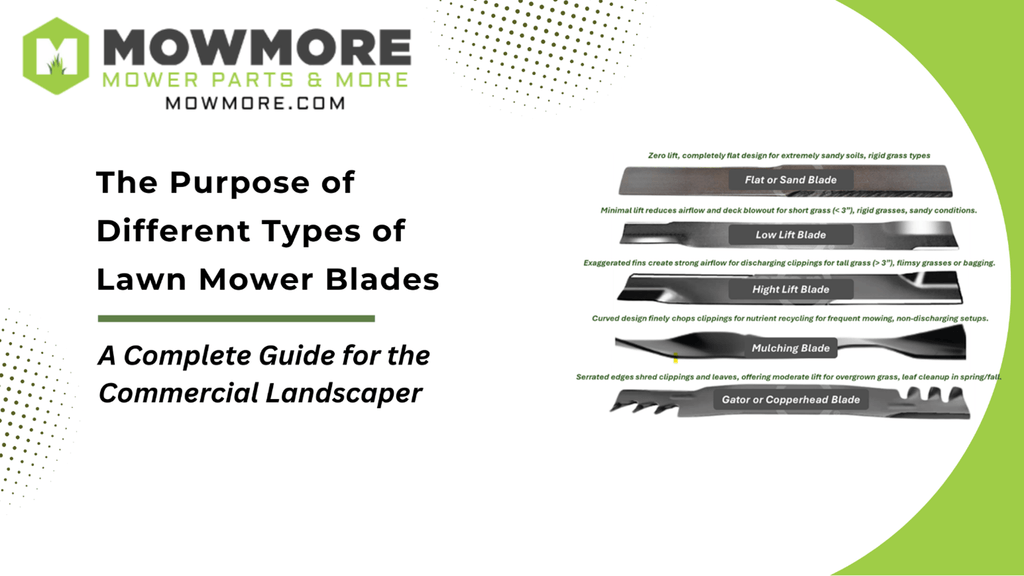
Have you ever wondered what happens to your old mower blades once they’re worn out? You might be surprised to learn that these sharp, sturdy pieces of metal don’t have to end up in the trash.
If you’ve been asking yourself, “Can mower blades be recycled? ” you’re in the right place. Understanding how to recycle your mower blades not only helps keep your yard clean but also protects the environment and saves resources. Keep reading, and you’ll discover simple steps you can take to give your old blades a second life.
Mower Blades And Recycling Basics
Mower blades are mostly made of steel. Steel is a metal that can be melted and reused many times. Some blades also have coatings to protect them from rust. These coatings may affect recycling.
Recycling mower blades depends on a few key points:
- Material type:Steel blades are highly recyclable.
- Blade condition:Rust or dirt must be cleaned off.
- Local recycling rules:Some centers accept metal blades, others do not.
- Blade size and shape:Large or sharp blades may need special handling.
Check with local recycling centers about their rules before recycling mower blades.

Credit: au.mowrator.com
Preparing Blades For Recycling
Before recycling mower blades, cleaning and safetyare very important. Remove any dirt, grass, and rust. Use a wire brush or cloth to clean the blades well. Wear thick glovesto protect your hands from sharp edges. Keep the blades away from children and pets during this process.
Remove all non-metal partssuch as plastic covers, rubber, or screws. These parts can damage recycling machines or lower the metal quality. Check the blades carefully and take off any stuck debris or parts. Only metal parts should be sent for recycling.
Where To Recycle Mower Blades
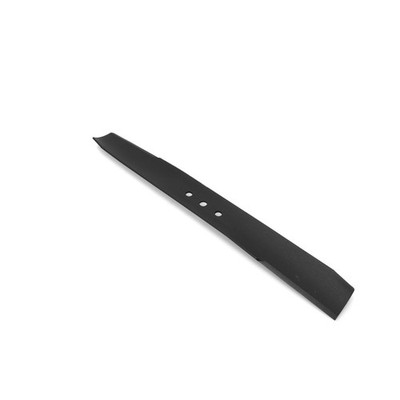
Mower blades are made of metal and can be recycled at scrap metal centers. Local recycling facilities or hardware stores often accept used blades for recycling. Proper disposal helps reduce waste and supports metal reuse.
Local Scrap Yards
Local scrap yards are great for recycling. They take old mower blades. These blades are metal and valuable. Scrap yards often pay for metal items. Check your local yard’s rules first. Some have special hours or fees. Make sure the blades are clean. No dirt or grass should be on them. This helps the recycling process. You help the environment too. Less metal waste ends up in landfills. This is a good choice for metal recycling.
Specialized Recycling Centers
Specialized recycling centers also accept mower blades. These centers focus on specific items. They know how to handle metal well. Call ahead to check their requirements. Some may need an appointment. Others accept drop-offs anytime. Make sure the blades are clean before you visit. This makes recycling easier. Specialized centers make sure metal is reused. This helps save resources. It also helps keep our planet clean.
Credit: www.ebay.ca
Alternatives To Recycling
Old mower blades can find new life through repurposing. They make strong garden tools like hoes or scrapers. Some people turn them into art piecesor metal decorations. This gives blades a second purpose instead of trashing them.
Proper disposal is key if repurposing isn’t possible. Many blades are made of steel, which can be taken to metal recycling centers. These places handle sharp metal safely. It’s important to wrap blades in thick paper or cloth to protect workers.
Never throw mower blades in regular trash. They can cause harm to garbage workers and damage machines.
Environmental Benefits Of Recycling Blades
Recycling mower bladeshelps keep metal waste out of landfills. Landfills fill up fast with many items that could be reused. By recycling blades, less trash ends up buried underground. This reduces pollutionand saves space for waste that cannot be recycled.
Natural resourceslike iron and steel are limited. Recycling blades means these metals can be used again. This lowers the need to mineand process new materials. Mining can harm the earth and use a lot of energy. Using recycled metal helps protect the planet and saves energy.

Credit: www.youtube.com
Common Challenges And Solutions
Mower blades often get rustyand damagedafter use. Rust weakens the metal, making recycling harder. Scraping or sanding can remove rust before recycling. Bent or broken blades may need cutting into smaller pieces.
Transporting mower blades requires care due to sharp edges. Wrapping blades in thick paper or cloth helps prevent injuries. Use strong boxes to avoid damage during transit. Always wear gloves when handling blades to stay safe.
| Challenge | Solution |
|---|---|
| Rust on blades | Remove rust by scraping or sanding |
| Bent or broken blades | Cut into smaller pieces before recycling |
| Sharp edges | Wrap blades in thick paper or cloth |
| Transport safety | Use strong boxes and wear gloves |
Frequently Asked Questions
Can Mower Blades Be Recycled At Metal Recycling Centers?
Yes, mower blades are made of steel and can be recycled at metal recycling centers. Proper cleaning and removal of non-metal parts are recommended before recycling.
How Should I Prepare Mower Blades For Recycling?
Remove dirt, grass, and plastic components before recycling mower blades. This ensures the blades are accepted and processed efficiently at recycling facilities.
Are There Environmental Benefits To Recycling Mower Blades?
Recycling mower blades reduces landfill waste and conserves natural resources by reusing metal. It also saves energy compared to producing new steel.
Can Mower Blades Be Repurposed Instead Of Recycled?
Yes, mower blades can be repurposed into tools or garden art. This extends their life and reduces environmental impact by avoiding waste.
Conclusion
Mower blades can be recycled and should be, whenever possible. Recycling helps save metal and reduces waste in landfills. Many local recycling centers accept mower blades safely. Always check rules before dropping off your blades. Proper recycling protects the environment and supports sustainability.
Remember to handle blades carefully to avoid injury. Recycling mower blades is a simple step anyone can take. It benefits both your community and the planet. Small actions like this make a big difference over time. Keep recycling in mind for your next blade replacement.





