
Is your push mower sputtering or refusing to start? The problem might be a worn-out spark plug.
Changing a spark plug in your push mower is simpler than you think and can save you a trip to the repair shop. Imagine the satisfaction of hearing your mower roar back to life, ready to tackle your lawn with ease.
In this guide, you’ll discover how to change a spark plug in just a few easy steps. You don’t need to be a mechanic to do it—just a bit of your time and a couple of basic tools. Ready to empower yourself with this handy skill? Let’s dive in and get your mower running smoothly again.
Tools Needed
Having the right tools ready before you start changing the spark plug on your push mower makes the job smoother and faster. You don’t want to be halfway through and realize you’re missing a key tool. Let’s look at exactly what you’ll need so you can tackle this task confidently.
Socket Wrench And Spark Plug Socket
A socket wrench with the correct size spark plug socket is essential. The spark plug socket usually has a rubber insert to grip the plug and prevent damage. Using this tool helps you remove and install the spark plug without slipping or stripping the threads.
Gap Gauge
Checking the spark plug gap is critical for your mower’s engine to run properly. A gap gauge lets you measure and adjust the gap to the manufacturer’s recommended setting. It’s a small tool that saves you from poor engine performance or starting problems later.
Replacement Spark Plug
Always have a new spark plug ready before you start. Make sure it matches your mower’s model specifications. Using the wrong plug can cause engine issues or damage.
Work Gloves
Protect your hands with sturdy work gloves. Spark plugs and engine parts can be dirty, hot, or sharp. Gloves keep your hands clean and safe during the process.
Rag Or Shop Towel
A rag is handy to wipe off dirt and oil around the spark plug area before removal. This prevents debris from falling into the engine cylinder. Keeping the area clean also helps you spot any problems like oil leaks.
Do you often overlook small tools like a gap gauge and then wonder why your mower won’t start? Having every tool on hand changes the experience from frustrating to straightforward.
Safety Measures
Changing a spark plug in a push mower requires careful attention to safety. Taking the right precautions protects you from injury and prevents damage to the mower. Always prioritize safety before starting any maintenance work.
Disconnect The Spark Plug Wire
Always remove the spark plug wire first. This stops the mower from starting accidentally. Grip the boot, not the wire, to avoid damage.
Work In A Well-ventilated Area
Perform the task outdoors or in a space with fresh air. Gas fumes can build up and become dangerous indoors. Good ventilation keeps you safe from harmful gases.
Use Proper Tools And Gloves
Use the correct spark plug wrench for the job. Wear gloves to protect your hands from cuts and dirt. This also helps you get a better grip.
Ensure The Engine Is Cool
Never touch the engine when it is hot. Wait at least 30 minutes after use. A cool engine prevents burns and makes the task safer.
Keep Flammable Materials Away
Remove any rags, paper, or fuel containers near your workspace. Sparks can ignite these materials. Keep the area clear and safe.
Locate The Spark Plug
Finding the spark plug on your push mower is the first crucial step to changing it. Knowing exactly where it is saves you time and frustration, especially if you’re not familiar with small engine parts. The spark plug is the key to your mower’s ignition system, so locating it correctly ensures you can maintain your mower’s performance.
Check Near The Engine Cylinder
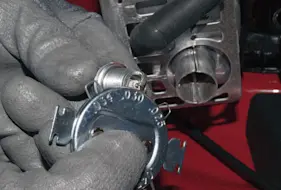
The spark plug is usually attached to the engine cylinder. Look for a thick wire leading to a small, metal part sticking out from the engine block. This metal part is the spark plug, often located near the top of the engine.
Look For The Spark Plug Wire
Follow the spark plug wire, which is often a thick, rubber-coated cable. It runs from the ignition coil to the spark plug. Removing this wire carefully will give you clear access to the plug itself.
Identify The Spark Plug Cap
The spark plug is covered by a spark plug cap or boot. This cap protects the connection and can be pulled off by hand or with gentle twisting. You might feel some resistance, but don’t force it too hard to avoid damage.
Consult Your Mower’s Manual
If you’re unsure about locating the spark plug, the owner’s manual is your best friend. It provides specific diagrams and instructions tailored to your mower’s model. Having the manual handy can prevent guesswork and ensure you find the right part quickly.
Have you ever started looking for a part only to find out it was hidden behind something else? Taking a moment to inspect the engine carefully can save you from that common mistake. What surprises have you found while checking your mower’s engine?
Credit: www.searspartsdirect.com
Remove The Old Spark Plug
Removing the old spark plug is a crucial part of maintaining your push mower’s engine. It might seem simple, but handling it carefully can save you from unnecessary damage or frustration. Let’s break down the process so you can do it confidently and correctly.
Disconnect Spark Plug Wire
First, locate the spark plug wire attached to the top of the spark plug. Gently pull the boot, not the wire itself, to avoid damaging the connection.
Have you noticed how often people tug on the wire and end up with a broken lead? Taking a little extra care here saves you from costly repairs later.
Once disconnected, set the wire aside where it won’t accidentally touch the spark plug or engine parts during the removal process.
Use Spark Plug Socket
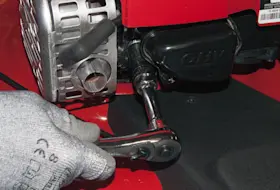
Next, grab a spark plug socket that fits your spark plug snugly. This special socket usually has a rubber insert to grip the plug securely.
Attach the socket to a ratchet or wrench, then turn counterclockwise to loosen the plug. It might feel tight at first, so apply steady, firm pressure.
Remember, forcing it too hard can strip the threads or break the plug, which would complicate your job.
Once loose, remove the spark plug carefully by hand, checking for any signs of wear or damage. This step helps you decide if a replacement is necessary beyond routine maintenance.
Inspect The Old Spark Plug
Inspecting the old spark plug helps find problems with the mower’s engine. It shows signs of wear or damage that affect performance. Checking the spark plug gives clues about the engine’s health and fuel quality.
Remove the spark plug carefully and clean off dirt. Examine the metal tip and ceramic insulator for cracks or deposits. Look for signs like black soot, oil, or corrosion.
Check For Carbon Deposits
Carbon deposits appear as black, dry soot on the spark plug tip. This can cause weak sparks and rough engine running. It often means the engine is running too rich or the air filter is dirty.
Look For Oil Or Wet Deposits
Oil or wet deposits on the spark plug indicate oil leaks or worn piston rings. This causes engine misfires and poor performance. The spark plug may need replacement if it is oily.
Inspect The Electrode Gap
The gap between the spark plug electrodes affects spark strength. Use a feeler gauge to measure the gap. If the gap is too wide or narrow, adjust it or replace the spark plug.
Check For Physical Damage
Cracks in the ceramic insulator or worn electrodes show physical damage. A damaged spark plug cannot create a proper spark. Replace any spark plug with visible damage to avoid engine issues.
Choose The Right Replacement
Choosing the right replacement spark plug is crucial for your push mower’s performance. A wrong spark plug can cause poor engine starts, reduced power, or even damage over time. Understanding the key factors ensures you pick a plug that fits perfectly and runs smoothly.
Check Your Mower’s Manual
Your mower’s manual contains specific information about the spark plug type and size. Look for details like the thread size, heat range, and gap settings.
Using the exact specifications helps your engine ignite fuel efficiently and avoids misfires. If you don’t have a manual, many manufacturers post this info online, or you can call customer support.
Understand Spark Plug Heat Range
Heat range indicates how quickly the spark plug dissipates heat. A plug that’s too hot can cause engine knocking, while one that’s too cold may foul quickly.
Ask yourself: Is your mower working in hot or cold conditions? Matching the heat range to your environment prevents engine wear and improves performance.
Choose The Right Electrode Type
Spark plugs come with different electrode materials like copper, platinum, or iridium. Copper plugs are usually cheaper but wear out faster.
Platinum and iridium plugs last longer and offer better spark but cost more upfront. Think about how often you want to replace the plug and how much you want to spend.
Check The Gap Size
The gap between the electrodes affects the spark’s strength. If the gap is too wide, your engine might struggle to start.
Most plugs come pre-gapped, but it’s smart to measure and adjust it with a gap tool. Proper gap size helps maintain smooth engine running and fuel efficiency.
Consider Brand And Quality
Some brands offer better durability and performance than others. Trusted brands often test their plugs extensively for reliability.
Choosing a quality spark plug reduces the chance of breakdowns and can save you money on repairs. Don’t just go for the cheapest option; think of it as an investment in your mower’s health.
Install The New Spark Plug
Installing the new spark plug correctly is key for your mower’s performance. This process ensures your engine starts smoothly and runs efficiently. Take your time to follow each part carefully.
Check The Gap
The spark plug gap must match the mower’s specifications. Use a spark plug gap tool to measure it. Adjust the gap gently by bending the electrode if needed. A correct gap helps the spark jump properly.
Thread The Spark Plug
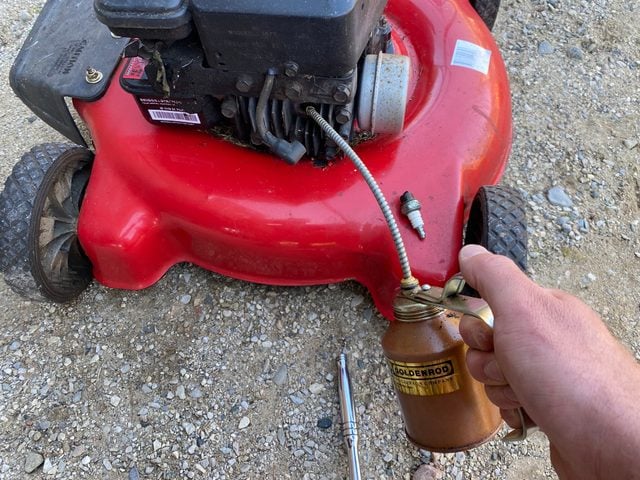
Place the spark plug into the hole by hand first. Turn it slowly to avoid cross-threading. This protects the threads and prevents damage. Hand threading is safer than using a wrench at this stage.
Tighten Securely
Use a spark plug socket and wrench to tighten the plug. Stop turning when it feels snug. Avoid overtightening to prevent cracking the plug or damaging the engine. Proper tightness ensures good contact and sealing.
Credit: www.familyhandyman.com
Reconnect The Spark Plug Wire
Reconnecting the spark plug wire is a crucial step after replacing the spark plug in your push mower. This connection allows the electrical current to reach the spark plug, enabling the engine to start and run smoothly. Ensuring a secure and proper connection helps avoid starting problems and improves mower performance.
Handle the spark plug wire carefully to avoid damage. The wire should fit snugly on the spark plug terminal for effective operation.
Locate The Spark Plug Wire
Find the wire that connects to the spark plug. It usually has a rubber boot at the end. This boot covers the spark plug terminal to protect it from dirt and moisture.
Check The Wire And Boot Condition
Inspect the wire and boot for cracks or wear. Replace the wire if it looks damaged. A damaged wire can cause poor engine performance or no start.
Attach The Wire To The Spark Plug
- Hold the boot firmly, not the wire itself.
- Push the boot onto the spark plug terminal until it clicks or feels tight.
- Do not force the wire if it does not fit easily.
Test The Connection
Gently tug the wire to check if it is secure. The wire should stay firmly attached without slipping off. A loose connection can cause engine problems.
Test The Mower
Testing the mower after changing the spark plug is essential. It confirms the spark plug works well and the mower runs smoothly. This step helps catch any issues early before mowing your lawn.
Prepare The Mower For Testing
Place the mower on a flat surface outside. Make sure the area is clear of obstacles. Check that the mower’s fuel tank has enough fresh gasoline. Ensure the mower’s handle is secure and ready for operation.
Start The Mower
Pull the starter cord firmly and steadily. Listen for the engine to start quickly. If the mower does not start, check the spark plug connection. Also, ensure the spark plug is properly tightened. Repeat pulling the cord until the engine runs.
Observe The Engine Performance
Watch the engine as it runs. It should run smoothly without sputtering or stalling. Listen for any strange noises like knocking or rough sounds. A steady, even sound shows the spark plug is working well.
Test The Mower Blade
Engage the blade control lever or switch. The blade should start spinning without hesitation. If the blade stalls or runs unevenly, the spark plug or other parts may need adjustment. Stop the mower immediately if anything feels wrong.
Shut Off The Mower Safely
Release the blade control to stop the blade. Turn off the engine using the mower’s stop switch or key. Wait for the blade to stop moving before moving the mower. Check the spark plug area for any signs of damage or leaks.
Credit: www.searspartsdirect.com
Maintenance Tips
Proper maintenance keeps your push mower running smoothly and extends its life. Regular care prevents breakdowns and saves money on repairs. Small tasks done often make a big difference.
Changing the spark plug is essential, but other steps help your mower perform at its best. Clean parts and check settings regularly for safety and efficiency.
Check The Spark Plug Gap
Use a gap tool to measure the spark plug gap. The gap must match the mower’s manual. A correct gap ensures proper spark and fuel ignition. Adjust it gently to avoid damage.
Clean The Air Filter
A dirty air filter limits airflow and reduces engine power. Remove the filter and tap out dirt or replace it if very dirty. Clean filters improve fuel efficiency and lower emissions.
Use Fresh Fuel
Old fuel causes starting problems and engine damage. Drain leftover fuel or add a fuel stabilizer. Always use fresh gasoline with the right octane level.
Inspect The Mower Blade
Sharp blades cut grass cleanly and reduce engine strain. Check for dents or dullness. Sharpen or replace blades as needed to keep your lawn neat.
Clean The Mower Deck
Grass buildup under the deck blocks airflow and causes rust. Remove debris after each use. A clean deck helps the mower run cooler and prevents clogs.
Store Properly In Off-season
Empty fuel tank or add stabilizer before storage. Keep the mower in a dry place. Cover it to protect from dust and moisture.
Frequently Asked Questions
How Often Should I Change Spark Plugs In A Push Mower?
Spark plugs in a push mower should be changed every 25 hours of use or annually. Regular replacement ensures optimal engine performance and fuel efficiency. Check the spark plug for wear or damage before deciding to replace it sooner.
What Tools Are Needed To Change Push Mower Spark Plugs?
You will need a spark plug wrench or socket, a ratchet, and possibly a gap gauge. These tools help safely remove the old spark plug and install the new one correctly. Having the right tools makes the job easier and faster.
How Do I Safely Remove A Spark Plug From A Push Mower?
First, disconnect the spark plug wire to prevent accidental starting. Use a spark plug socket and ratchet to turn the plug counterclockwise gently. Avoid forcing the plug to prevent thread damage in the cylinder head.
Can I Reuse Spark Plugs In A Push Mower?
Reusing spark plugs is not recommended if they show wear, corrosion, or fouling. Old plugs can cause poor engine performance or hard starts. It is best to replace them with new plugs for reliable mower operation.
Conclusion
Changing a spark plug in your push mower is simple and quick. Regular maintenance helps your mower run better and last longer. Always use the right tools and parts for safety. Check the spark plug often to avoid engine problems.
A clean, working spark plug keeps your mower starting easily. Try this easy task yourself and save time and money. Keep your mower ready for every mowing day. Small steps make a big difference in lawn care.





