Imagine getting ready for an important day, and when you turn your car’s key, nothing happens. Frustrating, right?
You might start wondering what could be wrong. One sneaky culprit could be your car’s spark plugs. These small components play a big role in getting your engine up and running. If they aren’t working properly, your car might not start at all.
But how exactly do spark plugs affect your car’s starting ability? And more importantly, how can you tell if they are the problem? Stick around as we dive into the world of spark plugs and unravel the mystery behind them causing starting issues. Knowing what to look for could save you time, money, and stress. Let’s get to the root of the problem and help you get back on the road smoothly.
Credit: www.waynesgarageinc.net
How Spark Plugs Work
Spark plugs play a crucial role in your car’s engine, yet many drivers overlook how they actually work. Understanding their function can help you grasp why bad spark plugs might cause your car not to start. Let’s break down the basics of how these small components keep your engine running.
What Spark Plugs Do
Spark plugs ignite the air-fuel mixture inside the engine cylinders. They create a small but powerful spark that triggers combustion. Without this spark, your engine won’t produce the power needed to start or run.
The Ignition Process
Your car’s ignition system sends a high-voltage current to the spark plugs. When this current jumps the gap at the tip of the plug, it creates a spark. This spark lights up the compressed fuel-air mix, producing an explosion that pushes the piston down and turns the engine.
Why The Spark Plug Gap Matters
The gap between the spark plug electrodes must be just right. Too wide or too narrow, and the spark might be weak or fail entirely. This can cause misfires, rough idling, or prevent the engine from starting at all.
Signs Of Spark Plug Wear
Over time, spark plugs get dirty or worn out. Carbon buildup, oil deposits, or electrode erosion can reduce their effectiveness. Have you noticed your car hesitating or struggling to start? These could be signs that your spark plugs need attention.
Maintaining Your Spark Plugs
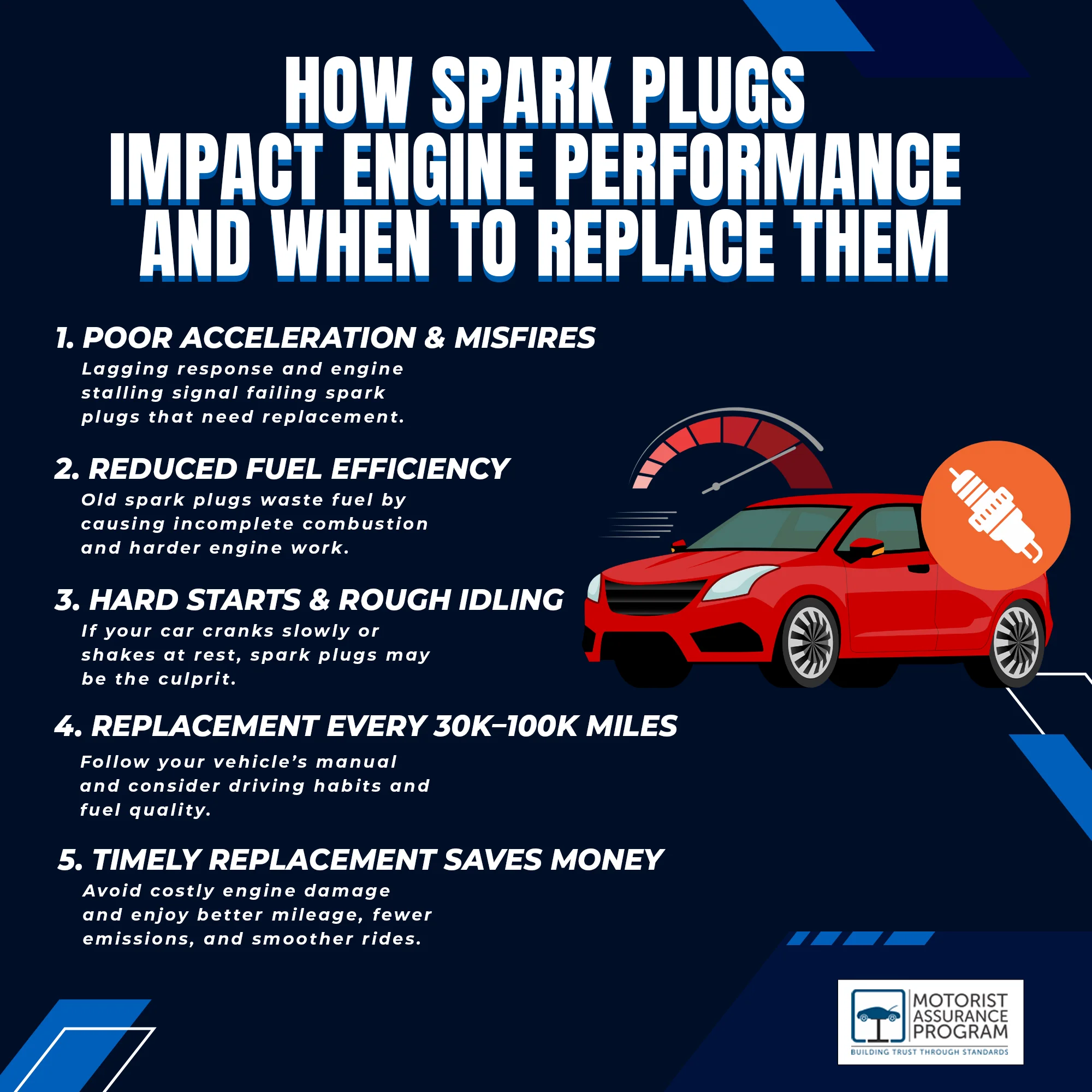
Regular checks and replacements keep your spark plugs in top shape. Most manufacturers recommend changing them every 30,000 to 100,000 miles, depending on the type. Skipping this simple maintenance can lead to starting issues and poor engine performance.
Credit: motorist.org
Signs Of Bad Spark Plugs
Bad spark plugs can cause many problems in your car. They affect engine performance and fuel use. Spotting signs of bad spark plugs early helps avoid bigger issues. These signs show your car may need new spark plugs.
Engine Misfires
Engine misfires happen when spark plugs fail to ignite fuel properly. This causes rough engine running and shaking. Misfires reduce power and cause jerking during driving. You might hear popping sounds from the engine too.
Poor Fuel Economy
Bad spark plugs burn fuel inefficiently. This wastes gas and lowers mileage. You may find yourself filling up the tank more often. Poor fuel economy can raise your driving costs quickly.
Difficulty Starting
Worn spark plugs make starting the car harder. The engine may crank longer or fail to start. Cold mornings can worsen this problem. Difficulty starting signals spark plugs need checking or replacement.
Can Bad Spark Plugs Prevent Starting?
Bad spark plugs can cause serious problems with starting your car. They play a key role in igniting the fuel-air mix inside the engine. Without a good spark, the engine will struggle to start or may not start at all. Understanding how faulty spark plugs affect starting helps in diagnosing car troubles.
Complete Engine Failure
Old or damaged spark plugs can stop the engine from firing completely. No spark means no ignition. The engine will crank but fail to start. This is a clear sign of spark plug issues. Replacing worn spark plugs often restores engine function quickly.
Intermittent Starting Issues
Bad spark plugs may cause the engine to start sometimes but not always. The car may turn over slowly or hesitate before starting. This happens because the spark plugs fire inconsistently. Such irregular sparks disrupt the combustion process. Cleaning or changing spark plugs usually fixes this problem.
Other Causes Of Starting Problems
When your car refuses to start, bad spark plugs might be the first thing you suspect. However, several other common issues can prevent your engine from turning over. Understanding these can save you time and money, and help you pinpoint the real culprit faster.
Battery Issues
A weak or dead battery is one of the most frequent reasons a car won’t start. Even if your lights turn on, the battery might not have enough power to crank the engine.
Corroded battery terminals or loose connections can also disrupt the flow of electricity. Have you ever tried jump-starting a car only to find it still won’t start? That’s often due to battery problems beyond just being discharged.
Starter Motor Problems
The starter motor is responsible for turning the engine over when you turn the key. If you hear a clicking noise or nothing at all when you try to start your car, the starter motor could be failing.
Sometimes, worn-out brushes or a faulty solenoid inside the starter motor cause these issues. It’s worth checking if your starter motor needs repair or replacement before assuming it’s something more complicated.
Fuel System Failures
Your engine needs fuel to start and run. Issues like a clogged fuel filter, a failing fuel pump, or empty fuel tank can stop your car from starting.
Have you ever noticed your engine cranking but not firing up? That’s a classic sign of fuel delivery problems. Regular maintenance on your fuel system can prevent these frustrating moments.
Testing Spark Plugs
Testing your spark plugs is a crucial step if your car refuses to start. Faulty spark plugs can interrupt the ignition process, leaving your engine silent. Knowing how to check them yourself can save time and avoid unnecessary repairs.
Visual Inspection
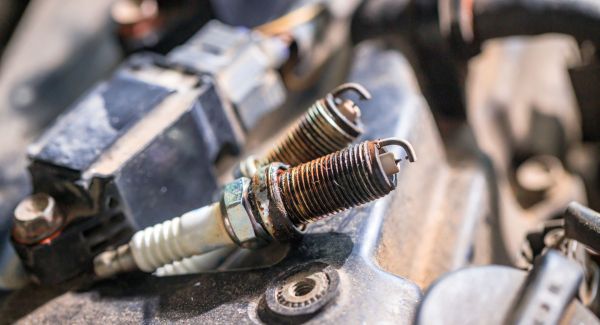
Start by removing the spark plugs carefully. Look closely for signs like carbon buildup, oily residue, or worn electrodes.
If you see cracks or heavy deposits, these indicate the plug is not firing properly. A clean, light tan color usually means the plug is healthy.
Have you ever noticed how a simple visual check reveals more than you expect? Sometimes, just spotting a damaged plug can explain why your car won’t start.
Spark Testing Tools
Using a spark tester is one of the easiest ways to confirm if the spark plug is working. These tools connect between the spark plug and ignition wire to show if the plug is producing a spark.
When you crank the engine, a strong blue spark means the plug is firing correctly. A weak or no spark points to a bad plug or ignition issue.
Investing in a spark tester can save you guesswork and help you diagnose problems right in your driveway.
Professional Diagnosis
If you’re unsure about your findings, a mechanic can perform a detailed check with advanced diagnostic tools. They can test spark plug performance under different conditions and pinpoint related engine problems.
Sometimes, the issue isn’t the spark plugs themselves but the ignition coils or wiring. Professionals can spot these hidden faults quickly.
Have you considered getting a second opinion to avoid replacing parts unnecessarily? A professional diagnosis might save you money and frustration.
Replacing Spark Plugs
Replacing spark plugs is a crucial task for keeping your car running smoothly. Faulty spark plugs can cause your engine to misfire or even prevent it from starting altogether. Knowing how to choose, replace, and when to seek professional help can save you time and money while improving your vehicle’s performance.
Choosing The Right Plugs
Not all spark plugs are the same. Your vehicle’s make, model, and engine type determine which plugs will work best.
- Check your owner’s manual for recommended spark plug specifications.
- Consider the material: copper plugs are affordable but wear out faster, while iridium and platinum plugs last longer.
- Look at the heat range – plugs too hot or too cold can cause engine problems.
Have you ever tried using a cheaper plug only to find your car running worse? Choosing the right plug upfront avoids such issues.
Diy Replacement Tips
Replacing spark plugs yourself is doable with basic tools and care. Start by allowing your engine to cool down completely to avoid burns.
- Use a spark plug socket and ratchet for easy removal and installation.
- Work on one spark plug at a time to avoid mixing up wires or coils.
- Check the gap on new plugs and adjust if necessary with a gap tool to match manufacturer specifications.
- Apply a small amount of anti-seize compound on the threads to prevent them from sticking.
Patience is key here. Rushing might damage the threads or break a plug inside the engine, leading to costly repairs.
When To Seek Help
Not every spark plug issue can be fixed at home. If you notice persistent rough idling, engine misfires, or the car still won’t start after replacing plugs, it’s time to consult a mechanic.
Complex engine diagnostics often require specialized equipment. Plus, some modern engines have coil-on-plug systems that are tricky to handle without experience.
Asking for professional help ensures the problem is correctly diagnosed and prevents you from spending money on unnecessary parts or repairs.
Preventing Spark Plug Problems
Preventing spark plug problems is key to keeping your car running smoothly and avoiding frustrating no-start situations. Spark plugs play a vital role in igniting the fuel-air mixture in your engine, so taking care of them can save you time and money. Let’s look at some practical ways to keep your spark plugs in top shape.
Regular Maintenance
Checking your spark plugs during routine car maintenance helps catch issues before they escalate. You don’t need to be a mechanic—just ask your service technician to inspect and clean the plugs if necessary. Regular maintenance also includes checking your ignition system and wiring, which can affect spark plug performance.
I once ignored a simple maintenance check and ended up stranded because my spark plugs were fouled. That experience taught me how a quick inspection can prevent bigger headaches.
Using Quality Fuel
The type of fuel you use affects how your spark plugs perform. Lower-quality fuel can leave deposits that clog or wear down plugs faster. Choosing reputable fuel brands reduces the chance of carbon buildup on your spark plugs.
Have you noticed your engine running rough after filling up at an unfamiliar gas station? Poor fuel quality might be the cause, impacting your spark plugs and overall performance.
Timely Replacements
Even the best spark plugs wear out over time. Following your vehicle’s recommended replacement schedule ensures you won’t face unexpected starting issues. Waiting too long to replace worn plugs can lead to misfires and decreased fuel efficiency.
Keep track of your spark plug lifespan based on mileage and engine type. Setting reminders can help you stay ahead and avoid those frustrating moments when your car just won’t start.

Credit: www.auburntoyota.com
Frequently Asked Questions
Can Bad Spark Plugs Prevent A Car From Starting?
Yes, faulty spark plugs can stop a car from starting. They fail to ignite the air-fuel mix properly, causing engine misfires or no ignition at all.
How Do Bad Spark Plugs Affect Engine Performance?
Bad spark plugs cause rough idling, poor acceleration, and reduced fuel efficiency. They disrupt combustion, leading to weak engine power and increased emissions.
How Often Should Spark Plugs Be Replaced?
Spark plugs should be replaced every 30,000 to 100,000 miles, depending on the type and vehicle. Regular checks prevent starting issues and engine damage.
What Are Common Signs Of Bad Spark Plugs?
Common signs include engine misfires, difficulty starting, rough idling, poor fuel economy, and a noticeable drop in power and acceleration.
Conclusion
Bad spark plugs can stop your car from starting. They cause weak sparks or no sparks at all. This makes the engine struggle to ignite fuel. Checking spark plugs is a simple way to find the problem. Replacing old or damaged plugs often fixes the issue fast.
Keep your spark plugs clean and in good shape. Doing this helps your car start smoothly every time. Don’t ignore spark plug problems to avoid getting stranded. Taking care of them saves time and money in the long run.





