When you turn the key in your car’s ignition and nothing happens, it’s easy to feel a wave of panic. Is it something serious?
Could it be expensive to fix? You might not think that a small component like a spark plug could be the culprit, but it absolutely can be. A bad spark plug can indeed prevent your car from starting. But how does this tiny part play such a big role in your vehicle’s functionality?
Understanding this could save you time, money, and a lot of stress. We’ll dive into how a faulty spark plug can stall your plans and how you can spot the signs before it becomes a bigger issue. Stick around to learn more, so you’re never left stranded again.

Credit: www.auburntoyota.com
Role Of Spark Plugs In Engine Start
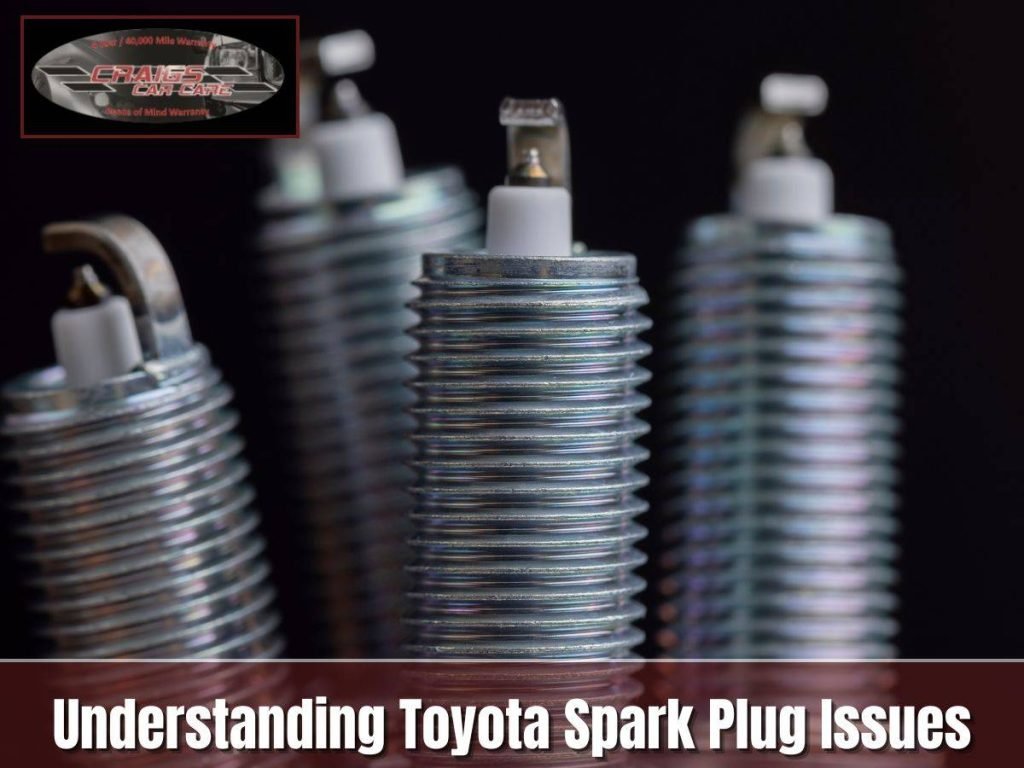
Spark plugs play a vital role in starting a car’s engine. They create the spark needed to ignite the fuel-air mixture inside the engine cylinders. Without a proper spark, the engine cannot start or run smoothly. The condition and performance of spark plugs directly affect the engine’s ability to start and operate efficiently.
How Spark Plugs Ignite Fuel
Spark plugs produce a small electric spark at the right moment. This spark lights the fuel and air mixture inside the engine cylinder. The explosion from this ignition pushes the piston down, creating the power needed to move the vehicle. This process happens thousands of times per minute while the engine runs.
The spark must be strong and timed perfectly. Weak or delayed sparks cause the engine to misfire or not start at all. Spark plugs need to withstand high heat and pressure to work correctly.
Spark Plug Condition And Performance
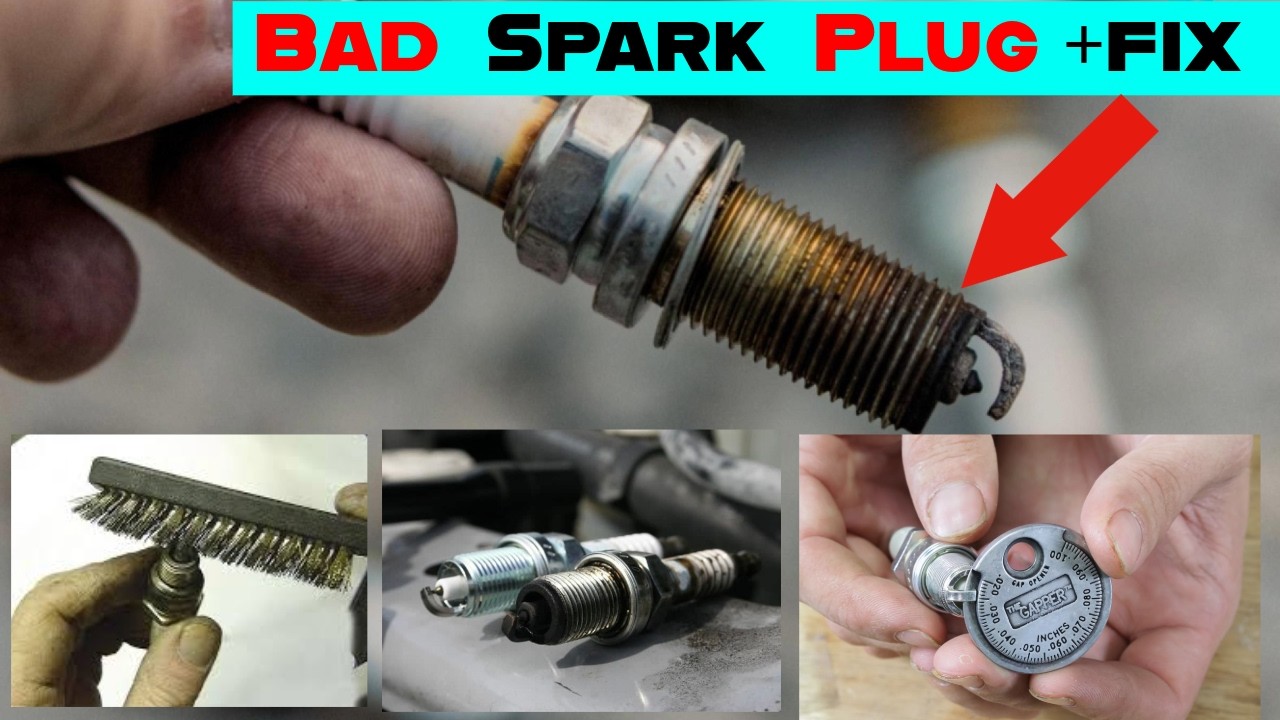
Worn or damaged spark plugs reduce engine performance. Signs include difficulty starting, rough idle, and poor fuel efficiency. Carbon buildup, worn electrodes, or cracks can stop the spark from forming.
Regular inspection and replacement of spark plugs ensure reliable engine starts. Clean and properly gapped spark plugs provide the best spark. Bad spark plugs can cause the engine to fail to start or run poorly.
Credit: www.youtube.com
Common Signs Of Bad Spark Plugs
Bad spark plugs can cause many problems in your car’s engine. Recognizing the signs early helps avoid bigger issues. Watch for changes in how your car runs. These signs often show that spark plugs need attention or replacement.
Engine Misfires And Rough Idling
Bad spark plugs cause the engine to misfire. The engine may run unevenly or jerk while driving. You might feel vibrations when the car is idling. These problems happen because the spark plugs fail to ignite fuel properly.
Poor Fuel Efficiency
Worn spark plugs reduce fuel efficiency. Your car uses more fuel than usual to run. This happens because incomplete combustion wastes fuel. You will notice more stops at the gas station.
Difficulty Starting The Car
Bad spark plugs make it hard to start the engine. The car may crank longer before it starts. Sometimes, it may fail to start at all. This occurs because the spark plugs cannot create a strong spark to ignite fuel.
Can A Bad Spark Plug Prevent Starting?
Can a bad spark plug prevent your car from starting? The short answer is yes, but the situation is a bit more nuanced. A faulty spark plug can disrupt the ignition process, making it difficult or even impossible for your engine to turn over and start properly.
Understanding how spark plugs work in your engine can help you diagnose starting issues more effectively. They create the spark that ignites the air-fuel mixture in your engine cylinders. Without a proper spark, combustion won’t happen, and your engine won’t run.
Spark Plug Failure Vs Other Issues
Not every no-start problem is caused by a bad spark plug. Other components like the battery, starter motor, or fuel system might be the real culprits. Comparing symptoms can help you pinpoint the issue:
- Battery problems:Clicking sound when you turn the key, dim dashboard lights.
- Starter motor issues:Engine doesn’t crank at all, no sound or a grinding noise.
- Fuel system faults:Engine cranks but doesn’t catch, smell of fuel.
- Spark plug failure:Engine cranks, but no ignition or rough start.
Have you ever struggled with a car that cranks but just won’t catch? It might be time to check those spark plugs first.
When Spark Plugs Cause No-start Problems
Bad spark plugs can cause no-start issues by failing to produce the spark needed for ignition. Worn electrodes, carbon buildup, or cracks in the ceramic insulator can all prevent the spark plug from functioning correctly.
Sometimes, only one bad spark plug can stop your engine from starting, especially in smaller engines. You might notice rough idling or a sudden drop in power before the no-start condition appears.
Testing spark plugs is simple and affordable. Removing and inspecting them can reveal visible damage or fouling. If you’re unsure, swapping out spark plugs with new ones can quickly confirm if they are the cause.
Next time your car won’t start, ask yourself: Have I checked the spark plugs? This small check might save you time and money.
Diagnosing Spark Plug Problems
Diagnosing spark plug problems is essential to fix a car that won’t start. Spark plugs create the spark needed for the engine to run. Faulty spark plugs can stop the engine from igniting fuel properly. Identifying issues early saves time and money on repairs.
Visual Inspection Techniques
Start by removing the spark plugs carefully. Look for visible signs of damage or wear. Check for:
- Black soot or carbon buildup on the electrodes
- Cracks or chips on the ceramic insulator
- Worn or eroded electrodes
- Oil or fuel deposits around the plug
- Corrosion on the metal parts
These signs show the plug may not work well and could cause starting problems.
Using Diagnostic Tools
A spark plug tester helps check spark strength. Connect it between the spark plug and ignition wire. Watch for a strong, blue spark. A weak or no spark means the plug or ignition system may fail.
An OBD-II scanner reads engine trouble codes. It can point to ignition or misfire problems linked to spark plugs.
Testing Spark Plug Functionality
Remove the spark plug and dry it fully. Use a multimeter to check resistance. A good spark plug shows low resistance. High or infinite resistance means the plug is faulty.
Reinstall the plug and start the engine. Listen for smooth running. Rough idling or misfires suggest spark plug issues.
Replacing And Maintaining Spark Plugs
Replacing and maintaining spark plugs is vital for a car’s smooth start and efficient engine performance. Worn or dirty spark plugs can cause the engine to misfire or not start at all. Regular care helps avoid these issues and extends the life of the engine. Knowing how to choose, replace, and maintain spark plugs keeps the car running reliably.
Choosing The Right Spark Plugs
Select spark plugs that match your car’s engine specifications. Check the owner’s manual for the recommended type and size. Different engines need specific heat ranges and electrode designs. Using incorrect spark plugs can cause poor ignition and engine damage. Opt for plugs from trusted brands for better durability and performance.
Replacement Intervals
Spark plugs usually need replacement every 30,000 to 100,000 miles. The exact interval depends on the plug type and vehicle model. Copper plugs wear out faster, needing frequent changes. Platinum and iridium plugs last longer but still require periodic checks. Follow the manufacturer’s schedule to avoid starting problems.
Tips For Longer Spark Plug Life
- Keep the engine clean and free of oil or dirt.
- Check spark plugs regularly for signs of wear or deposits.
- Use the correct gap size to maintain proper spark strength.
- Avoid harsh driving habits that cause extra stress on plugs.
- Ensure the ignition system is in good condition for consistent spark.
Other Factors Affecting Car Start
Several factors can prevent a car from starting beyond a bad spark plug. Understanding these elements helps in diagnosing the issue quickly. Problems in the battery, fuel system, or ignition components often stop the engine from turning over.
Battery And Starter Issues
The battery powers the car’s electrical system. A dead or weak battery cannot provide enough power to start the engine. Corroded or loose battery terminals also interrupt the current flow.
The starter motor turns the engine over. A faulty starter can cause a clicking sound or no response at all. Starter problems often arise from worn-out parts or electrical faults.
Fuel System Problems
Fuel must reach the engine for it to start. A clogged fuel filter blocks fuel flow. A failing fuel pump cannot deliver fuel at the right pressure.
Dirty or old fuel can cause poor combustion. Fuel injectors may also get clogged, reducing fuel spray into the engine.
Ignition System Components
The ignition system creates the spark to ignite fuel. Faulty ignition coils fail to send spark to the plugs. Worn distributor caps and rotors cause weak or no spark.
Bad wiring or connections in the ignition system stop the spark from reaching the engine. Ignition timing issues also affect starting performance.

Credit: www.reddit.com
Frequently Asked Questions
Can A Bad Spark Plug Prevent A Car From Starting?
Yes, a bad spark plug can stop your car from starting. It fails to ignite the air-fuel mix, causing no combustion.
How To Identify A Faulty Spark Plug?
Look for symptoms like engine misfires, rough idling, and poor acceleration. A visual inspection may show carbon buildup or wear.
Can Replacing Spark Plugs Fix Starting Issues?
Replacing worn spark plugs often resolves starting problems. New plugs ensure proper ignition and improve engine performance and fuel efficiency.
How Often Should Spark Plugs Be Replaced?
Spark plugs usually need replacement every 30,000 to 100,000 miles, depending on the type and vehicle. Check your owner’s manual for specifics.
Conclusion
A bad spark plug can stop your car from starting. It affects the engine’s ability to ignite fuel. Replacing faulty spark plugs can solve this issue quickly. Regular checks keep your car running smoothly. Don’t ignore engine trouble signs or delayed starts.
Simple maintenance saves time and money. Keep spark plugs clean and in good shape. Your car will start easier and run better. Small parts can cause big problems. Stay alert and take care of your vehicle.





