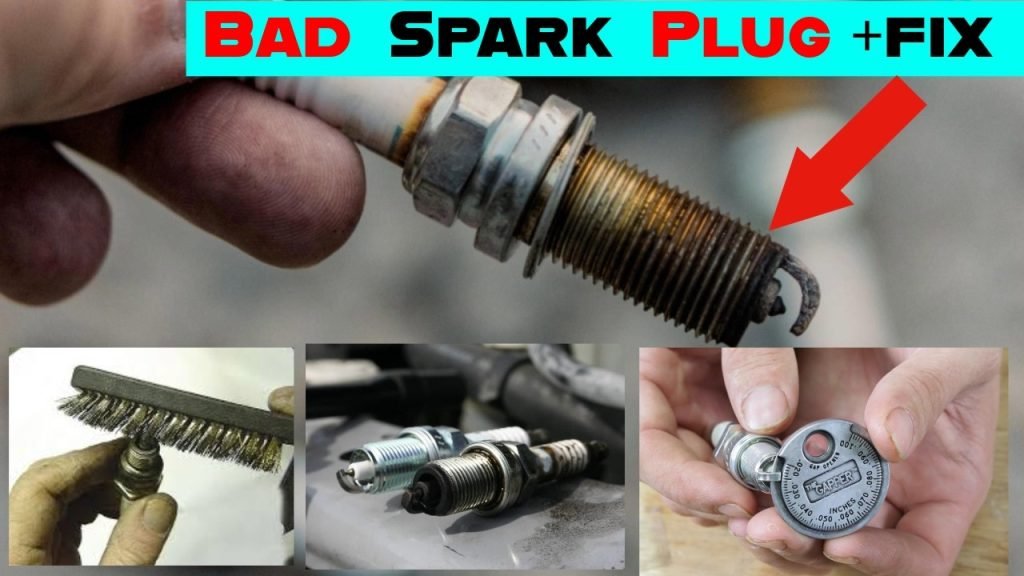
Are you noticing strange noises or a decrease in your car’s performance? Your spark plugs might be the culprit.
Understanding what a bad spark plug looks like can save you time and money. Imagine driving smoothly without unexpected hiccups or costly repairs. That’s the difference a healthy spark plug can make. You might wonder how something so small can have such a big impact on your car’s performance.
This article will unravel the mystery, showing you exactly what to look for and why it matters. Stick around to discover how you can spot the signs of a failing spark plug before it leads to bigger problems. Your car—and your wallet—will thank you.
Identifying A Bad Spark Plug
Identifying a bad spark plug is crucial for keeping your vehicle running smoothly. A faulty spark plug can cause poor engine performance, reduced fuel efficiency, and difficulty starting your car. Knowing what to look for helps you catch problems early and avoid costly repairs.
Visual Clues On Spark Plug Condition
Take a close look at your spark plug’s tip and insulator. A healthy spark plug typically has a light tan or grayish color on the electrode and porcelain.
- Black soot:Indicates a rich fuel mixture or weak ignition. Your spark plug may be fouled and not sparking properly.
- Oily deposits:Show oil leaking into the combustion chamber. This can lead to misfires and poor engine performance.
- Worn or rounded electrodes:Result from long-term use. They reduce spark efficiency and can cause rough idling.
- Cracked porcelain:Can cause misfires by allowing the spark to jump to the wrong place.
Have you ever noticed black soot on your spark plug but ignored it? That small detail often points to bigger engine issues waiting to be fixed.
Common Spark Plug Problems
Several issues can signal a bad spark plug beyond just its appearance. Watch for symptoms like:
- Engine misfires:Your car may hesitate or jerk during acceleration.
- Hard starting:Difficulty turning the engine over can mean weak or no spark.
- Poor fuel economy:A failing spark plug wastes fuel by not igniting properly.
- Rough idling:The engine may shake or sound uneven when stopped.
Remember, these problems often occur gradually. Regular inspection of your spark plugs can save you from unexpected breakdowns.

Credit: www.toyotanation.com
Signs Of Spark Plug Failure
Spark plugs are vital for your engine’s performance. When they fail, the engine struggles to work smoothly. Recognizing early signs can help avoid bigger problems and costly repairs. Watch for changes in how your car runs. These signs usually show that spark plugs need attention or replacement.
Engine Misfires And Rough Idling
Bad spark plugs cause the engine to misfire. The engine may jerk or hesitate during acceleration. You might feel vibrations when the car is idle. This rough idling happens because the spark plug cannot ignite the fuel properly. Misfires reduce engine power and cause uneven running.
Poor Fuel Efficiency
Faulty spark plugs burn more fuel than needed. The engine compensates for weak sparks by using extra fuel. This lowers your car’s mileage. You may notice filling the gas tank more often. Worn spark plugs waste fuel and increase running costs.
Difficulty Starting The Engine
Old or damaged spark plugs make starting the engine hard. The engine may crank longer before it fires up. Sometimes, it fails to start at all. Spark plugs must create a strong spark to ignite the fuel-air mix. Weak or no spark causes starting problems.
Spark Plug Wear And Damage
Understanding spark plug wear and damage is key to keeping your engine running smoothly. A worn or damaged spark plug can cause misfires, reduced fuel efficiency, and even engine damage over time. Spotting the signs early helps you avoid costly repairs and keeps your vehicle performing at its best.
Carbon Fouling
Carbon fouling happens when black, dry soot builds up on the spark plug’s electrodes. This usually indicates a rich fuel mixture or weak ignition spark. If you notice your spark plug coated with thick black carbon, it might be time to check your air filter or fuel system.
Have you ever experienced rough idling or poor acceleration? Carbon fouling could be the culprit, blocking the spark needed to ignite the fuel properly.
Oil Fouling
Oil fouling occurs when oil leaks into the combustion chamber and coats the spark plug. The plug will look wet, shiny, and dark, often causing misfires and poor engine performance. This type of fouling signals potential issues like worn piston rings or valve guides.
If your spark plug appears oily, don’t ignore it. Addressing oil leaks early can save your engine from serious damage.
Electrode Erosion
Electrode erosion happens naturally as spark plugs age, but excessive wear means they can’t produce a strong spark anymore. The center and ground electrodes become rounded or thin, increasing the gap and reducing ignition efficiency.
Have you checked your spark plugs lately? If the electrodes look worn down or uneven, replacing them could restore your engine’s power and fuel economy.

Credit: www.reddit.com
Effects Of Bad Spark Plugs On Performance
Bad spark plugs cause several problems that affect your car’s performance. They disrupt the engine’s normal function. This leads to issues you can feel and hear while driving. Knowing these effects helps spot spark plug problems early.
Reduced Power And Acceleration
Bad spark plugs fail to ignite the fuel properly. This results in less power from the engine. Your car will feel slow and weak. Acceleration becomes sluggish, making it hard to speed up. Climbing hills or merging on highways feels tougher.
Increased Emissions
Faulty spark plugs cause incomplete fuel burning. This creates more harmful gases in the exhaust. Your car releases higher levels of carbon monoxide and hydrocarbons. Increased emissions can harm the environment. It might also cause your car to fail emissions tests.
Engine Knocking And Noise
Bad spark plugs lead to uneven combustion inside the engine. This causes knocking or pinging sounds. The noise means the engine is struggling. Continued knocking can damage engine parts over time. It’s a clear sign that spark plugs need checking or replacing.
When To Replace Spark Plugs
Knowing when to replace your spark plugs can save you from unexpected car troubles and improve your vehicle’s performance. Spark plugs wear out over time, and driving with bad ones can lead to poor fuel efficiency, rough idling, and difficulty starting your engine. Understanding the right time to change them helps you avoid these issues and keeps your car running smoothly.
Recommended Replacement Intervals
Most manufacturers suggest replacing spark plugs every 30,000 to 100,000 miles, depending on the type of spark plug and your driving conditions. Copper spark plugs usually need replacement closer to 30,000 miles, while platinum or iridium plugs can last up to 100,000 miles.
Check your car’s owner manual for the exact interval. If you drive mostly in stop-and-go traffic or harsh conditions, consider replacing them earlier. Have you ever noticed your car hesitating during acceleration? That might be a sign your plugs are overdue for replacement.
Signs It’s Time For New Spark Plugs
- Engine Misfires:If your engine stumbles or misfires, bad spark plugs might be the culprit.
- Reduced Fuel Efficiency:Notice more frequent visits to the gas station? Worn plugs can cause poor combustion, wasting fuel.
- Difficulty Starting:Struggling to start your car on cold mornings can indicate spark plug problems.
- Rough Idling:A rough or uneven idle often points to spark plug wear.
- Check Engine Light:A warning light on your dashboard might be signaling spark plug issues.
Pay attention to these signs. Ignoring them can lead to costly engine repairs. Have you checked your spark plugs lately?
Maintaining Spark Plug Health
Maintaining the health of your spark plugs is key to keeping your engine running smoothly and efficiently. Spark plugs fire up your engine’s combustion process, so any damage or wear can lead to misfires, poor fuel economy, and rough idling. Taking care of them regularly helps you avoid costly repairs and keeps your vehicle performing at its best.
Regular Inspection Tips
Check your spark plugs every 20,000 to 30,000 miles, or as recommended by your vehicle’s manual. Look for signs like excessive carbon buildup, worn electrodes, or cracked insulators. These indicate that your spark plug isn’t working properly and needs replacement.
Use a spark plug socket and a gap gauge to inspect each plug. If the gap is wider or narrower than the manufacturer’s specs, it can cause poor ignition. Keep an eye out for oil or fuel deposits, which might signal engine problems beyond just the spark plugs.
Proper Installation Practices
When installing new spark plugs, always use the correct type and heat range specified for your engine. Cross-threading or overtightening can damage the threads and cause poor contact, leading to misfires. Hand-tighten first, then use a torque wrench to tighten to the exact torque recommended.
Apply a small amount of anti-seize compound on the threads only if your spark plugs don’t come pre-coated. This prevents them from sticking in the cylinder head, making future removal easier. Remember, the right installation ensures your spark plugs last longer and perform better.
Credit: www.swedespeed.com
Frequently Asked Questions
What Does A Bad Spark Plug Look Like?
A bad spark plug often shows signs like black soot, oil deposits, or worn electrodes. It may appear cracked or corroded, indicating poor engine performance or misfires.
How To Identify Spark Plug Damage Visually?
Look for carbon buildup, melted electrodes, or cracks. These visual clues suggest overheating or improper combustion, signaling the need for replacement.
Can A Bad Spark Plug Cause Engine Problems?
Yes, faulty spark plugs cause rough idling, poor fuel economy, and difficulty starting. They can also lead to engine misfires and reduced power.
Why Does My Spark Plug Have Oily Deposits?
Oily deposits on spark plugs usually indicate oil leaks or worn piston rings. This contaminates the plug and disrupts proper ignition in the engine.
Conclusion
A bad spark plug shows clear signs of wear and damage. Cracks, heavy deposits, or a worn tip mean trouble. These issues can cause engine problems and poor fuel use. Checking spark plugs often helps keep your car running well.
Replace bad plugs quickly to avoid bigger repairs later. Healthy spark plugs help your engine start fast and run smooth. Stay alert to these signs and take action early. Your car will thank you with better power and fuel savings.





