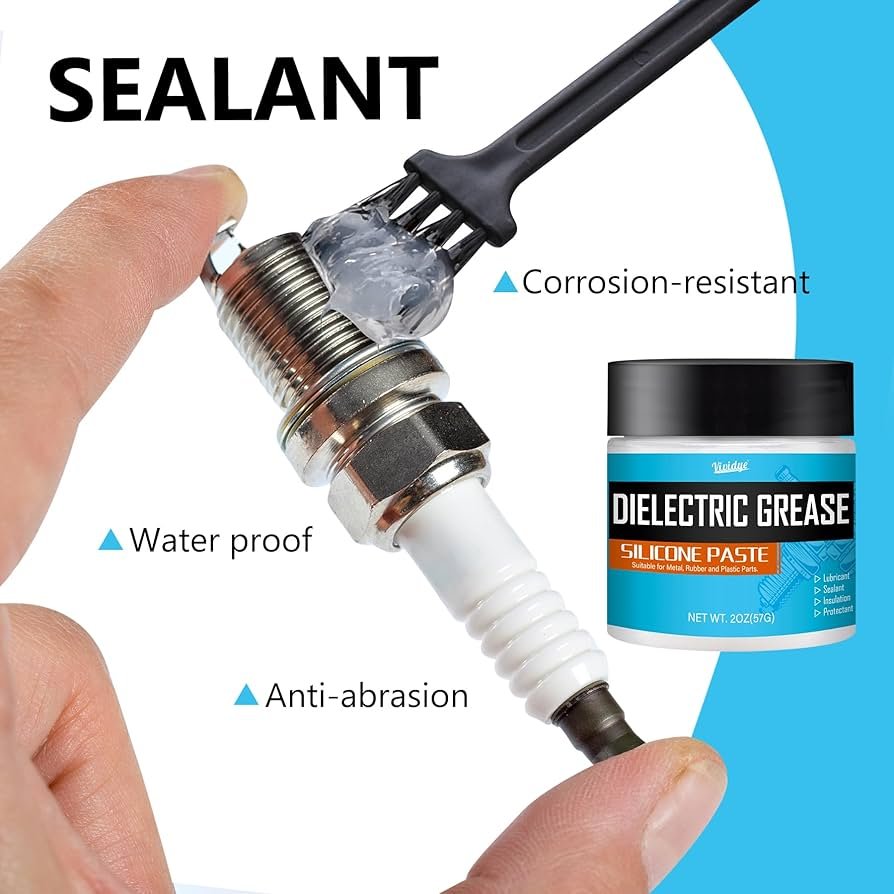
Are you looking to enhance your vehicle’s performance and ensure a smooth ride every time you hit the road? Understanding where to put dielectric grease on spark plugs can make all the difference.
This small yet crucial detail can prevent common issues like corrosion and misfires, ultimately extending the life of your engine. But where exactly should you apply it for the best results? We’ll guide you through the process step-by-step, ensuring you get it right the first time.
By the end, you’ll not only know how to apply dielectric grease but also feel more confident in maintaining your vehicle. Stay with us, and discover how a simple trick can keep your engine running at its best.
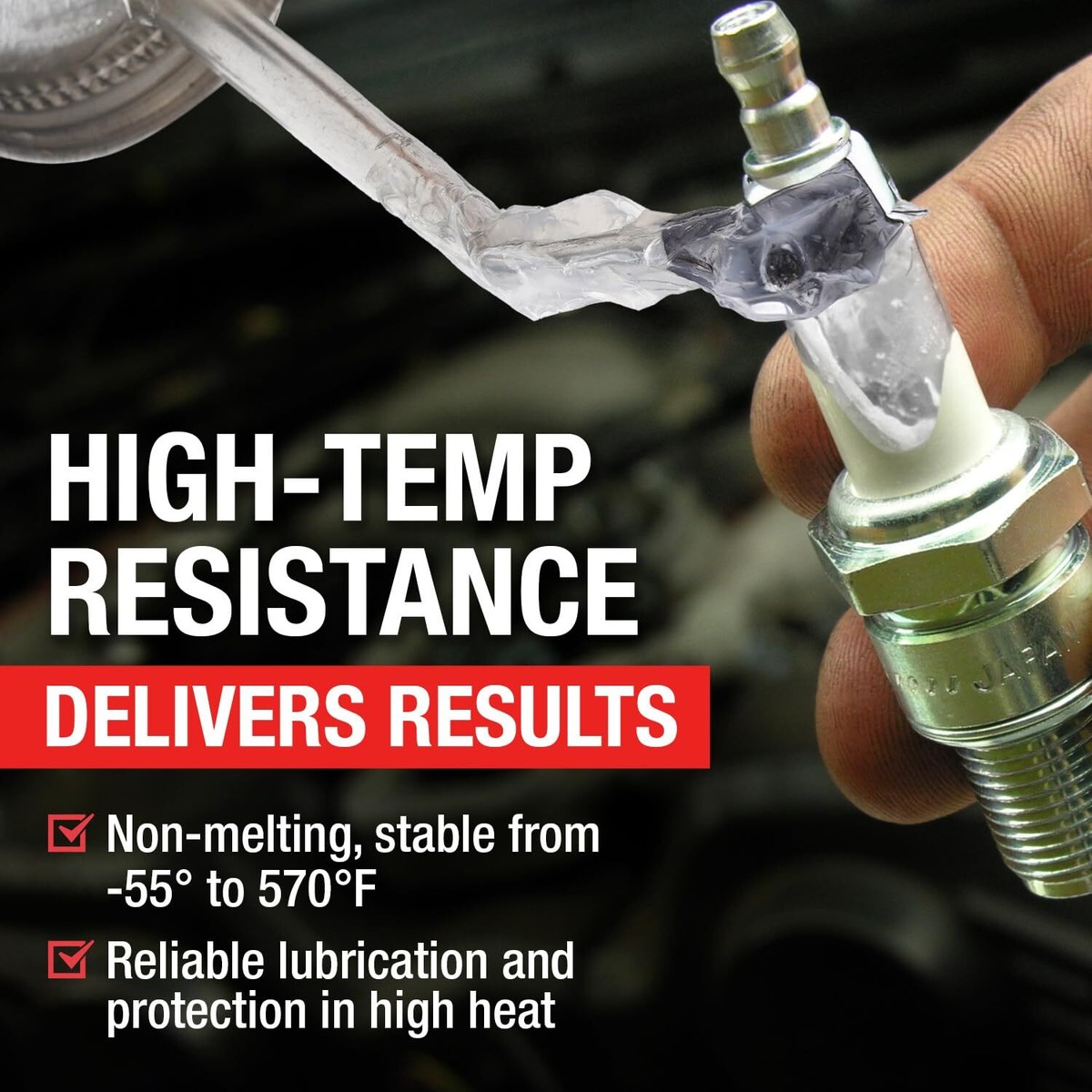
Credit: www.iars.co.in
Purpose Of Dielectric Grease
Dielectric grease serves a special purpose in maintaining spark plugs and their connections. It helps protect electrical parts from moisture and dirt. This grease creates a barrier that keeps the spark plug functioning well. It also helps in preventing corrosion and wear.
Using dielectric grease correctly can improve your vehicle’s performance and extend spark plug life. It ensures a clean and secure connection between the spark plug and the ignition system. This simple step can avoid many common ignition problems.
Benefits For Spark Plugs
- Prevents moisture from causing corrosion
- Stops dirt and debris from entering connections
- Improves electrical insulation between parts
- Reduces wear and tear on spark plug boots
- Makes future removal of spark plugs easier
How It Works
Dielectric grease is a non-conductive substance. It does not carry electricity but protects electrical contacts. When applied, it forms a thin, waterproof layer. This layer blocks water and contaminants.
The grease also seals gaps between the spark plug boot and the spark plug. This seal prevents sparks from jumping to the wrong place. It keeps the electric current flowing through the proper path.
Thanks to its insulating properties, dielectric grease keeps connections dry and clean. This helps the ignition system work more reliably and efficiently.

Credit: www.youtube.com
Ideal Spots For Application
Applying dielectric grease correctly helps protect spark plugs and ignition parts. It stops moisture, dirt, and corrosion from causing problems. Knowing the right spots to apply grease ensures better spark plug performance and longer life.
Spark Plug Boot Interior
Apply dielectric grease inside the spark plug boot. This area connects the boot to the spark plug. Grease creates a seal that keeps water and dirt out. It also prevents the boot from sticking to the plug. A small amount is enough to cover the interior surface.
Ignition Coil Connector
Use dielectric grease on the ignition coil connector. This is where the coil meets the spark plug wire. Grease stops corrosion and moisture buildup at the connection. It helps maintain a strong electrical signal. Apply a thin layer on the connector’s contact points only.
Wire Terminals
Grease the wire terminals that connect to the ignition system. These terminals face heat and moisture. Grease prevents rust and ensures a secure connection. Avoid using too much to keep contacts clean. A light coat protects wires and improves spark delivery.
Areas To Avoid
Knowing where not to apply dielectric grease on spark plugs is just as important as knowing where to use it. Misplacing the grease can cause poor engine performance or even damage. Avoid these critical areas to keep your spark plugs working well and your engine running smooth.
Spark Plug Threads
Do not put dielectric grease on the spark plug threads. The threads must make a clean metal-to-metal contact with the engine. Grease here can stop the spark plug from tightening properly. This may cause poor grounding and misfires. The threads should be clean and dry before installation.
Electrode Tips
Never apply dielectric grease on the electrode tips. The electrode is where the spark jumps to ignite fuel. Grease on the electrode can block this spark. It leads to weak ignition or no spark at all. Keep the electrode tips free from any grease or dirt for best performance.
Step-by-step Application Guide
Applying dielectric grease to your spark plugs might sound simple, but the right approach makes a big difference in performance and longevity. This guide walks you through the process with clear, practical steps to ensure you get it right the first time. Paying attention to each stage helps avoid common mistakes and keeps your engine running smoothly.
Cleaning Before Application
Before adding any grease, make sure the spark plug and boot are clean and dry. Dirt or moisture can cause poor contact and reduce the effectiveness of the grease. Use a clean cloth or a small brush to remove any debris or old grease from the spark plug connector.
Inspect the spark plug boot carefully. If you spot any cracks or damage, replacing the boot is a better option than applying grease to a compromised part. Clean surfaces help the grease do its job properly and prevent electrical issues.
Applying The Grease
Apply a small amount of dielectric grease inside the spark plug boot where it will touch the spark plug. A thin layer is enough; too much grease can cause it to squeeze out and attract dirt. Use your finger or a small brush to spread the grease evenly, focusing on the inner walls of the boot.
Make sure not to get any grease on the spark plug’s firing tip. Grease on the electrode can interfere with the spark and reduce engine efficiency. The goal is to create a protective barrier against moisture and corrosion without impacting the spark itself.
Reassembling Components
After applying the grease, carefully push the spark plug boot back onto the spark plug until it snaps securely into place. You should feel a slight click or resistance that confirms a good connection. This snug fit ensures proper electrical contact and keeps moisture out.
Double-check the wiring and surrounding components for any signs of wear or loose connections before closing the hood. Getting this right can save you from frustrating engine misfires or rough starts down the road. Have you noticed any difference in engine smoothness after greasing your spark plugs?
Common Mistakes To Avoid
Applying dielectric grease on spark plugs helps protect against moisture and corrosion. Many people make simple mistakes that reduce its effectiveness. Avoid these errors to ensure your spark plugs work well and last longer.
Using Excessive Amounts
Using too much dielectric grease can cause problems. It may block the spark plug’s connection points. This can reduce the spark’s strength. Apply only a thin, even layer. Just enough to coat the boot and terminal area.
Applying On Wet Surfaces
Never apply dielectric grease on wet or dirty spark plugs. Moisture can trap under the grease. This leads to corrosion instead of protection. Always clean and dry the spark plug before applying grease. A dry surface ensures better sealing and performance.

Credit: www.lotustalk.com
Tips For Maintenance
Keeping your spark plugs in top condition means more than just applying dielectric grease once. Proper maintenance helps prevent misfires, corrosion, and tough removal later on. Let’s look at some practical tips to keep your spark plugs working smoothly over time.
Regular Inspection
Check your spark plugs regularly for signs of wear or damage. Look for cracks, corrosion, or buildup around the boot and terminal. If you spot any issues, it’s a clear signal to clean or replace the plug.
While inspecting, also examine the dielectric grease. Has it worn off or become dirty? A thin, even layer of grease should remain on the boot to protect against moisture and corrosion. If it’s missing or contaminated, it’s time to reapply.
When To Reapply
Dielectric grease isn’t a one-time fix. You should reapply it every time you remove the spark plug boot. This keeps the seal tight and prevents moisture from creeping in.
If you notice rough starts, engine misfires, or corrosion around the plug boot, these are clues that the grease layer may be compromised. Don’t wait for serious problems to appear—freshen up the grease during routine tune-ups.
Frequently Asked Questions
Where Exactly Should Dielectric Grease Be Applied On Spark Plugs?
Apply dielectric grease on the inside of the spark plug boot. Avoid putting it on the spark plug electrode or threads. This ensures a secure seal and prevents moisture and corrosion without disrupting spark plug function.
Can Dielectric Grease Improve Spark Plug Performance?
Yes, dielectric grease helps protect spark plug boots from moisture and corrosion. It also prevents electrical arcing. However, it does not enhance the spark plug’s actual firing performance or power output.
Is It Harmful To Put Dielectric Grease On Spark Plug Threads?
No, putting dielectric grease on spark plug threads is not harmful. It helps prevent threads from seizing due to heat and corrosion. Use a small amount to avoid excess grease interfering with the spark plug’s grounding.
How Often Should Dielectric Grease Be Reapplied On Spark Plugs?
Reapply dielectric grease whenever you service or replace spark plugs. This usually occurs every 30,000 to 50,000 miles. Regular application ensures continuous protection against moisture and electrical issues.
Conclusion
Applying dielectric grease on spark plugs helps prevent moisture and corrosion. Focus on the inside of the spark plug boot, not on the metal tip. This small step keeps the spark plug connections clean and dry. It also makes removing the boots easier later.
Use just a small amount for best results. Remember, too much grease can cause problems. Following this simple advice improves your engine’s performance and lifespan. Keep your car running smoothly by protecting spark plug parts properly. Simple care goes a long way.





