Have you ever wondered about the origins of the riding lawn mower, that trusty machine that saves you hours of labor and makes lawn care a breeze? Imagine cutting vast stretches of grass without breaking a sweat.
It sounds like a dream, doesn’t it? Understanding when riding lawn mowers were invented can give you a fascinating glimpse into the evolution of gardening technology. This piece of history not only highlights human ingenuity but also shows how far we’ve come in making your lawn care routine more efficient and enjoyable.
Ready to uncover the story behind this essential garden tool? Keep reading, and you’ll discover how this innovation changed the way you tend to your lawn, bringing convenience right to your fingertips.
Credit: tractors.fandom.com
Early Lawn Mowing Methods
Before the invention of riding lawn mowers, maintaining a neat and tidy lawn was a physically demanding task. People had to rely on basic tools that required significant effort and time. Understanding these early lawn mowing methods helps you appreciate how far technology has come in making yard work easier and more efficient.
Manual Mowers And Scythes
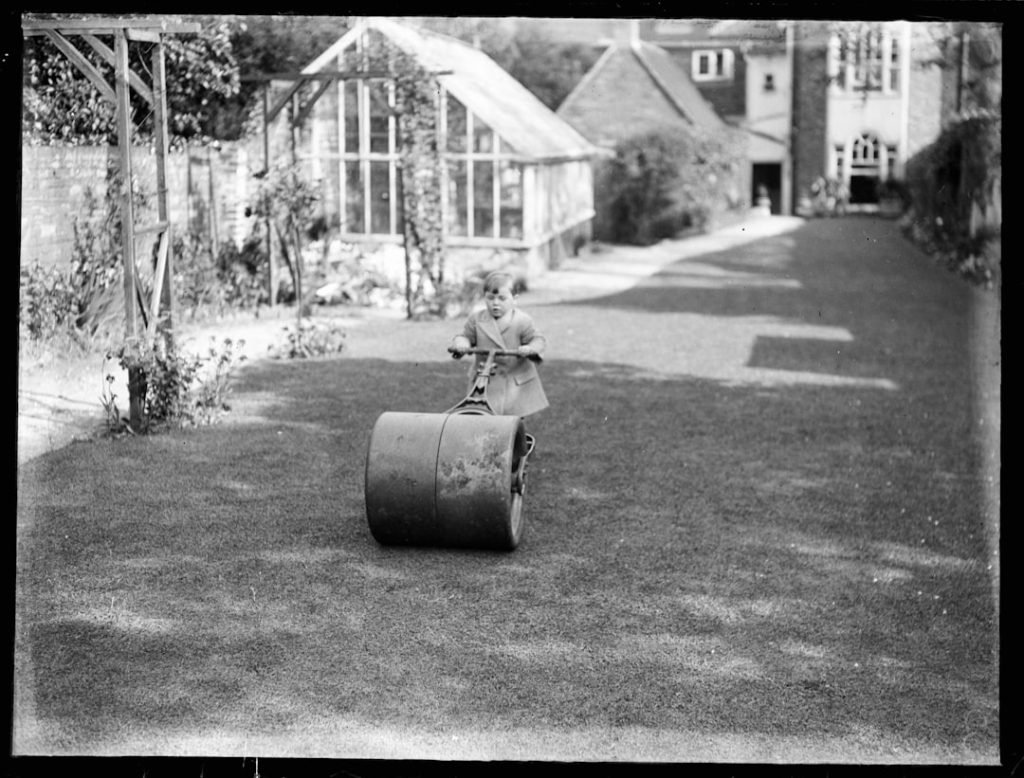
Manual lawn mowers appeared in the early 19th century and quickly became popular. These push mowers had a set of rotating blades that cut grass as you pushed them forward. Although they required physical effort, they were a big step up from traditional cutting methods.
Before manual mowers, many people used scythes to cut grass. A scythe is a long, curved blade attached to a handle, swung in a wide arc to slice through grass. Using a scythe needed skill and strength, and it was slow work for large areas.
Limitations Of Traditional Tools
Both manual mowers and scythes had their drawbacks. Manual mowers were tough to use on uneven ground, and pushing them for long periods could be exhausting. Scythes required constant sharpening and were impractical for detailed lawn shaping.
Have you ever tried mowing a large lawn with just a push mower or a hand tool? It can quickly become tiresome, and the results might not be as even as you want. These limitations created a demand for a more efficient way to maintain lawns, setting the stage for future innovations.

Credit: storytellergarden.co.uk
Birth Of The Riding Mower
The birth of the riding lawn mower marked a big change in how people maintain their lawns. Before riding mowers, people used push mowers or manual tools. These were tiring and slow, especially for large yards. The idea of a machine that you could sit on and ride while cutting grass brought ease and speed. This innovation grew from many early inventions and clever minds.
First Patents And Designs
The first patents for riding lawn mowers appeared in the early 1900s. Inventors wanted to create machines that combined a mower with a small motor. Early designs used gasoline engines and simple cutting blades.
One of the earliest patents described a mower where the user could sit and drive. These designs were basic and heavy but showed the potential of riding mowers. Over time, improvements made them lighter and easier to use.
Key Inventors And Innovators
Several inventors helped shape the riding mower. John Albert Burr is often credited with early patents in the 1920s. He worked on motorized lawn cutters that could be ridden.
Another important figure was Clarence Leo “Leo” Johnson. He developed practical models in the 1930s and 1940s that became popular with homeowners.
Manufacturers like Deere & Company also played a role. They improved engine power and mower designs to suit larger areas. These innovators helped create the riding mowers known today.
Technological Advances
Technological advances shaped the riding lawn mower into a practical tool. Early models were basic and required a lot of effort. Over time, new technology made these machines easier to use and more efficient.
Engine Improvements
Engines grew more powerful and reliable. Small gas engines replaced manual push systems. This change allowed users to mow large lawns faster. Manufacturers improved fuel efficiency to save money and reduce pollution. Modern engines run smoother and need less maintenance. Some models even use electric motors for quieter operation.
Safety Features Introduction
Safety became a key focus as riding mowers grew popular. Manufacturers added features to protect users from accidents. Automatic shut-off systems stop the blades if the driver leaves the seat. Shields and guards prevent contact with moving parts. Bright lights and signals improve visibility during use. These features help reduce injuries and make mowing safer for everyone.
Popular Models Through The Decades
Riding lawn mowers have evolved greatly since their invention. Each decade introduced new features and designs. Popular models reflect changes in technology and user needs. This section explores key models from the 1950s to today.
1950s And 1960s Breakthroughs
The first riding mowers appeared in the 1950s. Early models focused on basic functionality and ease of use. Companies like Cushman and Jacobsen led the way. These mowers had simple engines and sturdy frames.
In the 1960s, improvements included better engines and more comfortable seats. The introduction of hydrostatic transmissions made driving easier. Brands such as John Deere and Toro became well-known during this time.
Modern Riding Mowers
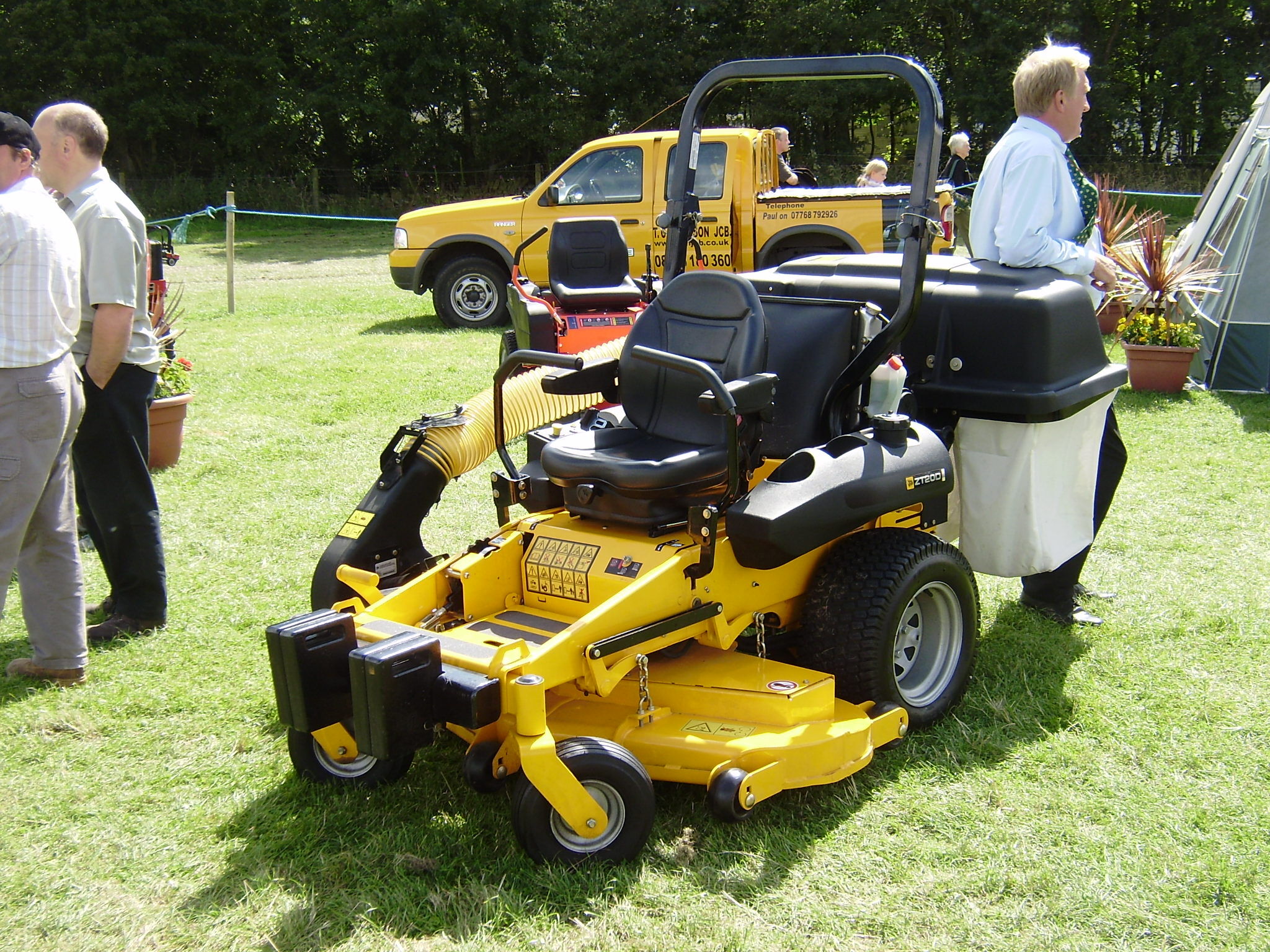
Today’s riding mowers come with advanced features. Powerful engines and precise cutting decks are standard. Many models offer electric starts and ergonomic controls. Smart technology now allows some mowers to navigate yards automatically.
Popular modern brands include Husqvarna, Cub Cadet, and Troy-Bilt. These mowers often have mulching capabilities and adjustable cutting heights. Users enjoy a smoother, faster mowing experience than ever before.
Impact On Lawn Care
The invention of riding lawn mowers changed how people maintain their yards. They brought a new level of ease and speed to lawn care, impacting daily routines and the way we approach outdoor chores. Understanding their influence helps you appreciate the convenience and responsibilities they bring.
Efficiency And Convenience
Riding lawn mowers cut down the time it takes to mow large areas significantly. Instead of pushing a mower back and forth, you simply sit and steer, which saves your energy and effort.
Think about a big yard you might have or know about. Using a riding mower means you can finish the job in minutes rather than hours. This extra time can be spent on other activities you enjoy or on improving your lawn with less stress.
Also, these machines often come with attachments for tasks like leaf collection or snow removal. This versatility means you don’t need multiple tools cluttering your garage. Doesn’t it make you wonder how much easier yard work becomes with just one machine?
Environmental Considerations
While riding mowers offer convenience, their environmental impact is important to consider. Traditional models often use gasoline engines, which can contribute to air pollution and noise.
However, recent developments have introduced electric and battery-powered riding mowers. These options reduce emissions and operate more quietly, making them better choices for eco-conscious users.
You might ask yourself: How can I balance efficiency with environmental responsibility? Choosing a mower with cleaner technology or maintaining your equipment properly can help reduce its footprint.
Ultimately, your choice affects not just your lawn but the community and environment around you. What steps are you willing to take to ensure your lawn care is both effective and sustainable?

Credit: en.wikipedia.org
Frequently Asked Questions
When Was The First Riding Lawn Mower Invented?
The first riding lawn mower was invented in 1921 by John Albert Burr. It made mowing large lawns faster and less tiring. This innovation marked a key development in lawn care technology.
Who Invented The Riding Lawn Mower?
John Albert Burr is credited with inventing the riding lawn mower. He designed it to improve efficiency in lawn maintenance. His invention revolutionized how large lawns were maintained.
How Did Riding Mowers Evolve Over Time?
Riding mowers evolved from simple mechanical designs to powerful, engine-driven machines. Advances include better engines, comfort features, and improved cutting systems. These improvements made lawn care easier and more efficient.
Why Are Riding Lawn Mowers Popular Today?
Riding mowers are popular because they save time and reduce effort. They are ideal for large yards and offer comfort during use. Their efficiency and convenience make them a top choice.
Conclusion
Riding lawn mowers have a long, interesting history. They first appeared in the early 20th century. These machines made lawn care easier and faster. Today, many people use riding mowers for large yards. Their invention changed how we maintain grass.
Understanding their origin helps appreciate their value. Small machines grew into powerful, reliable tools. Riding mowers continue to evolve with new technology. They remain a helpful part of yard work. Knowing when they started gives us a glimpse of progress.
Simple, effective, and handy—riding mowers stand the test of time.





