Your lawn mower is like a trusty sidekick, keeping your yard looking neat and tidy. But to ensure it runs smoothly, you need to give it the care it deserves.
One crucial aspect of this maintenance is knowing when to change the oil. You might be wondering why this is important or how often you should do it. Well, you’re in the right place. In the following paragraphs, you’ll discover the signs that it’s time for a change, how fresh oil can extend the life of your mower, and tips to make the process hassle-free.
Keep reading to learn how a simple oil change can keep your lawn mower in top shape and your grass looking greener than ever.

Credit: www.youtube.com
Why Oil Matters
Oil is the lifeblood of your lawn mower’s engine. It keeps the parts moving smoothly and prevents damage. Without clean oil, the engine can overheat and wear out quickly. Changing the oil regularly ensures your mower works well and lasts longer.
Role Of Oil In Lawn Mowers
Oil lubricates the engine’s moving parts. It reduces friction and stops parts from rubbing together harshly. Oil also helps cool the engine by carrying heat away. It cleans the engine by trapping dirt and metal particles. Without good oil, the engine parts wear down fast and can break.
Signs Of Oil Degradation
Oil changes color as it gets dirty. Dark, thick oil means it is old and full of debris. If the oil smells burnt, it shows the engine is overheating. Low oil levels can cause strange noises and poor mower performance. Check the oil often to catch these signs early.
Ideal Oil Change Frequency
Changing lawn mower oil at the right time keeps the engine running smooth. The ideal oil change frequency varies based on several factors. Knowing these helps extend the life of your mower and maintain its performance.
Manufacturer Recommendations
Check the owner’s manual for specific oil change intervals. Most manufacturers suggest changing oil after the first 5 hours of use. After that, change oil every 25 to 50 hours of operation. Following these guidelines ensures the engine stays well-lubricated.
Impact Of Usage Intensity
Heavy use wears oil faster. Frequent mowing or rough terrain means changing oil more often. Light use allows longer periods between changes. Consider how often and how hard you use the mower before setting a schedule.
Seasonal Considerations
Cold weather thickens oil, reducing its flow. Change oil before winter storage to avoid engine damage. In spring, fresh oil helps start the mower easily. Adjust oil change timing based on seasonal mowing habits for best results.
Checking Oil Condition
Checking the oil condition in your lawn mower is key to keeping the engine running smoothly. Clean, properly leveled oil ensures the mower cuts efficiently without overheating or damage. Knowing how to inspect and identify the oil’s state can save you from costly repairs and improve your mower’s lifespan.
How To Inspect Oil Level
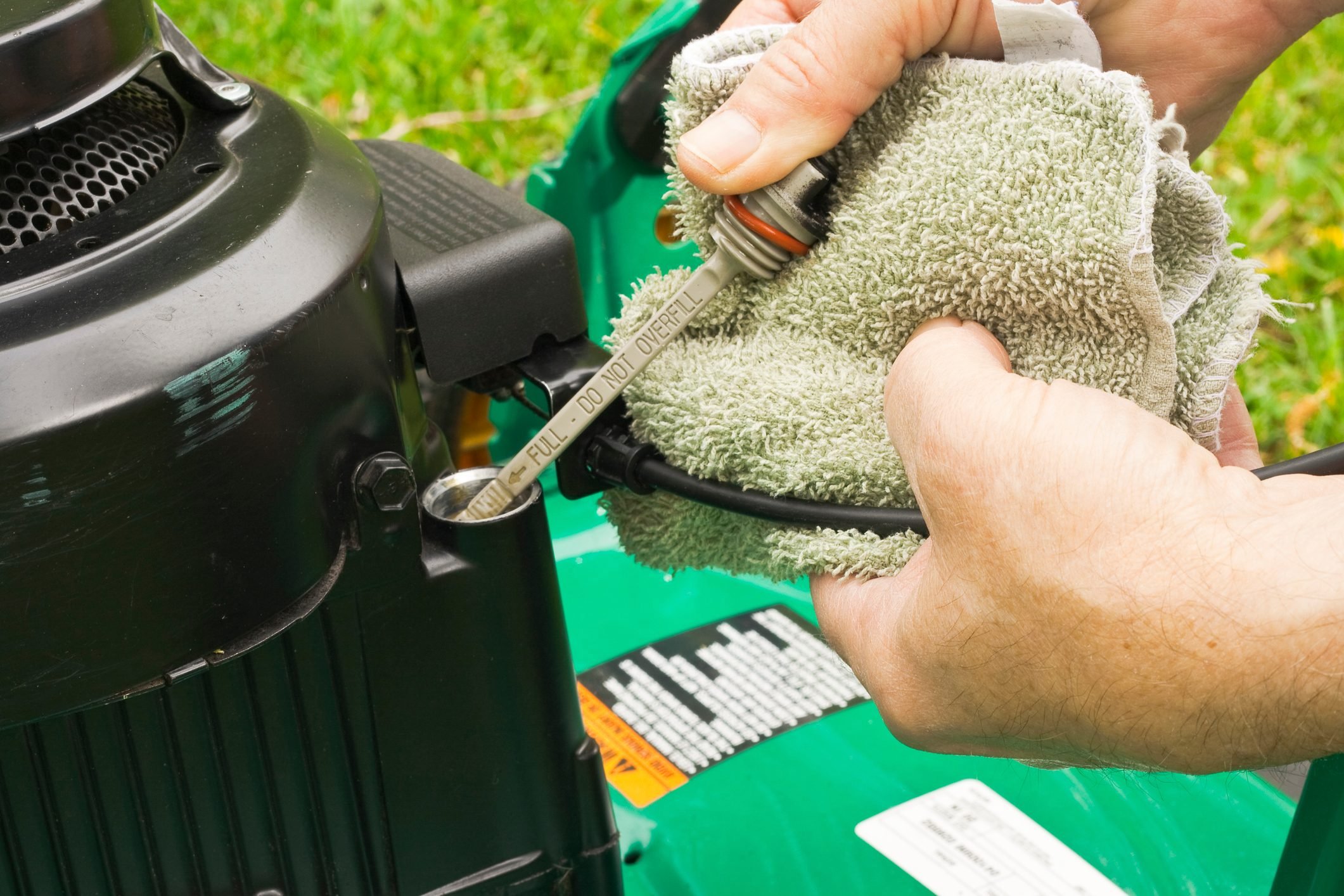
Start by placing your mower on a flat surface to get an accurate reading. Pull out the dipstick or oil cap and wipe it clean with a rag or paper towel. Reinsert the dipstick fully, then pull it out again to check where the oil reaches.
The oil level should be between the minimum and maximum marks on the dipstick. If it’s below the minimum, add oil slowly and recheck to avoid overfilling. Overfilling can cause engine problems just like low oil levels.
Identifying Dirty Or Contaminated Oil
Clean oil is usually amber or light brown and somewhat transparent. When the oil looks dark, thick, or has particles floating in it, that’s a sign it’s dirty or contaminated. Cloudy or milky oil can indicate water or coolant contamination, which requires immediate attention.
Have you noticed your mower’s oil getting darker faster than expected? This can happen if you mow in dusty areas or after heavy use. Changing the oil regularly based on these signs, not just the calendar, helps maintain peak mower performance.
Choosing The Right Oil
Choosing the right oil is key to keeping your lawn mower running smoothly. The right oil protects the engine from wear and heat. It also ensures better performance and longer engine life. Understanding oil types and their properties helps you make the best choice for your mower.
Types Of Lawn Mower Oils
Lawn mower oils come in different types, mainly:
- Conventional Oil:Basic oil suitable for regular use and older engines.
- Synthetic Oil:Offers better protection in extreme temperatures and lasts longer.
- Synthetic Blend:Mix of conventional and synthetic, balancing cost and performance.
- High-Mileage Oil:Designed for engines with many hours of use to reduce leaks and wear.
Check your mower’s manual to see which type suits your model.
Viscosity And Additives
Viscosity means how thick the oil is. It affects how well the oil flows at different temperatures. Common viscosities for lawn mowers are 10W-30 and 5W-30.
Choose the viscosity based on the climate you mow in. Thicker oils protect better in hot weather. Thinner oils flow easier in cold weather.
Additives in the oil help clean the engine and prevent corrosion. They also reduce engine wear and improve performance. Oils with detergents and anti-wear additives are ideal.
Step-by-step Oil Change
Changing the oil in your lawn mower keeps the engine running smoothly. A simple oil change extends the mower’s life and improves performance. Follow these clear steps to change the oil safely and effectively. No special tools needed.
Preparing Your Mower
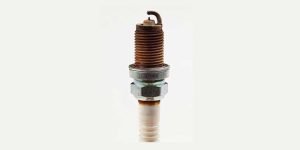
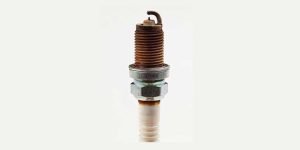
Move the mower to a flat, clean area. Turn off the engine and let it cool for at least 30 minutes. Gather tools: a wrench, oil drain pan, funnel, and new oil. Check the owner’s manual for the right oil type and amount. Remove the spark plug wire to prevent accidental starting.
Draining Old Oil
Locate the oil drain plug or use the dipstick hole if no plug exists. Place the drain pan under the oil outlet. Loosen the drain plug carefully with a wrench. Let all the old oil drain out. Clean the drain plug and replace it tightly. Dispose of old oil at a recycling center.
Refilling With New Oil
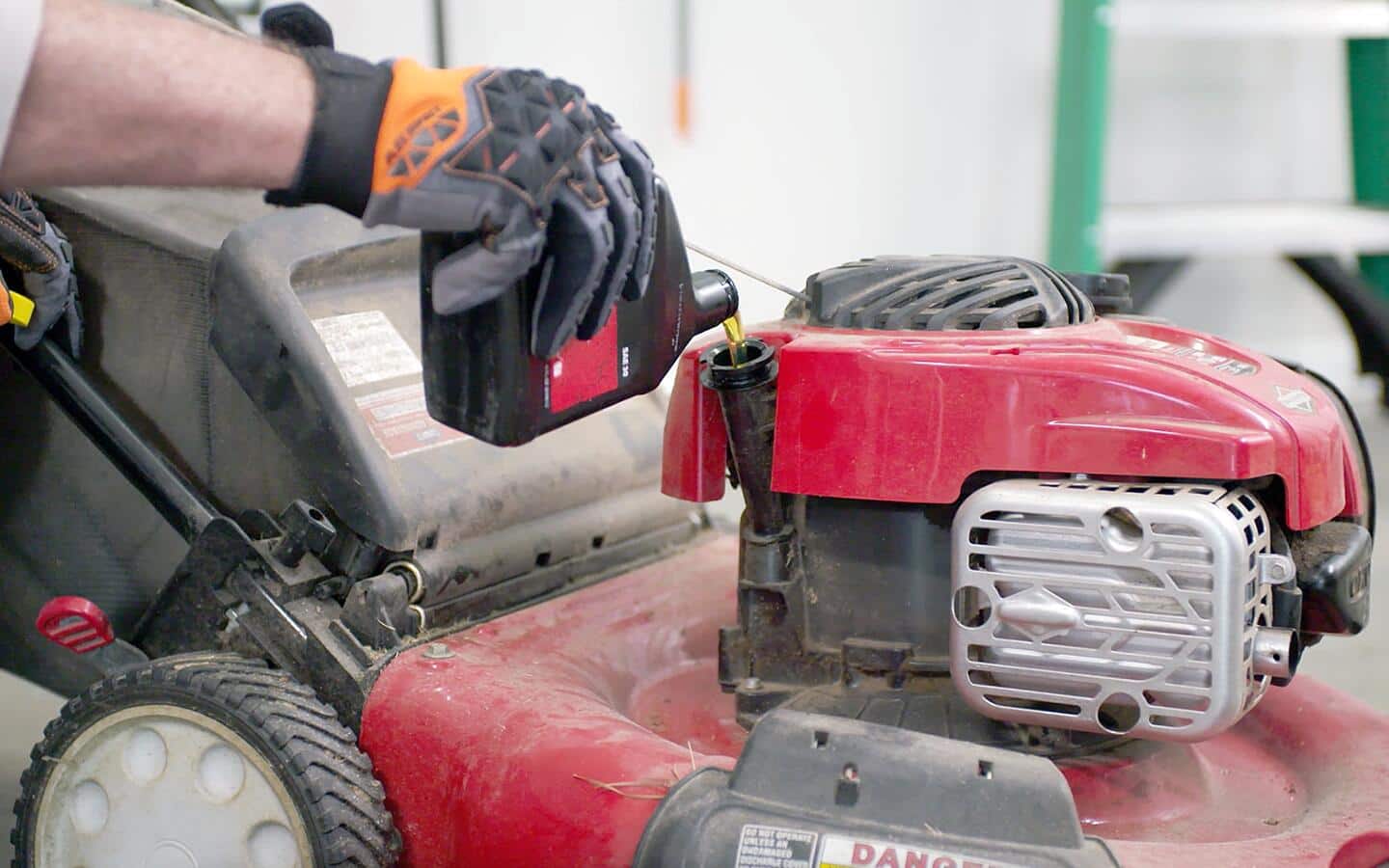
Remove the oil fill cap or dipstick. Use a funnel to pour new oil into the fill hole. Add oil slowly to avoid overfilling. Check the oil level with the dipstick. Add or remove oil until it reaches the full mark. Reattach the oil fill cap and the spark plug wire. Start the mower and check for leaks.
Credit: www.familyhandyman.com
Maintenance Tips For Longevity
Keeping your lawn mower in top shape requires more than just changing the oil at the right time. Paying attention to maintenance tips can extend the life of your mower and save you money on repairs. Small habits like regular checks and proper storage make a big difference in performance and longevity.
Regular Oil Checks
Checking the oil level frequently helps you catch problems early before they cause damage. Make it a habit to inspect the oil every time you mow. This simple step can prevent engine wear and keep your mower running smoothly.
Look for oil that’s dark or gritty—these are signs it needs changing. Also, ensure the oil level is within the recommended range. Too much or too little oil can harm your engine, so use the dipstick to measure carefully.
Storage And Off-season Care
How you store your mower affects how long it lasts. Before putting it away for winter, drain the old oil and add fresh oil to protect engine parts from rust and corrosion.
Remove any grass clippings or debris that can trap moisture. Cover the mower or store it in a dry place to avoid damage from weather. These steps reduce wear and make starting your mower in spring much easier.
Credit: www.homedepot.com
Frequently Asked Questions
How Often Should I Change Lawn Mower Oil?
Change lawn mower oil after every 25-50 hours of use. For new mowers, change after first 5 hours. Regular oil changes ensure engine efficiency and longevity.
What Type Of Oil Is Best For Lawn Mowers?
Use SAE 30 oil for warm weather and 10W-30 for cooler temperatures. Check your mower’s manual for recommended oil type to ensure optimal performance.
Can I Use Car Engine Oil In A Lawn Mower?
Yes, you can use car engine oil if it meets the mower’s specifications. However, lawn mower oil is specially formulated for small engines and may last longer.
How Do I Know When Lawn Mower Oil Is Low?
Check the oil level using the dipstick before each use. If oil appears dark or below the recommended level, it’s time to add or change the oil.
Conclusion
Changing your lawn mower oil keeps the engine running smooth. Old oil can cause damage and reduce mower life. Check the oil after every 25 hours of use. Use the right oil type for best results. Clean oil helps your mower cut grass better.
Regular oil changes save money on repairs later. Don’t wait until the mower shows problems. A small habit makes a big difference. Keep your lawn mower healthy and ready to work. Simple steps lead to a longer-lasting machine.