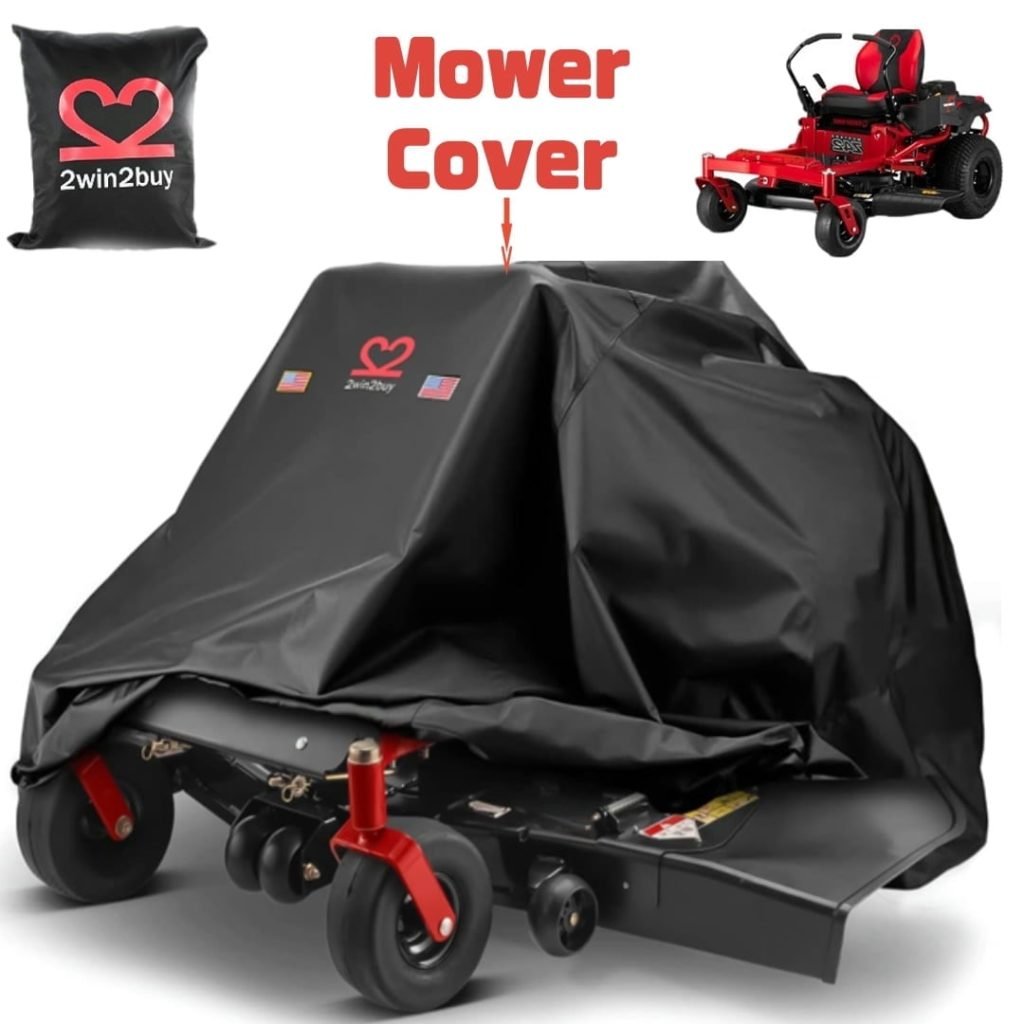
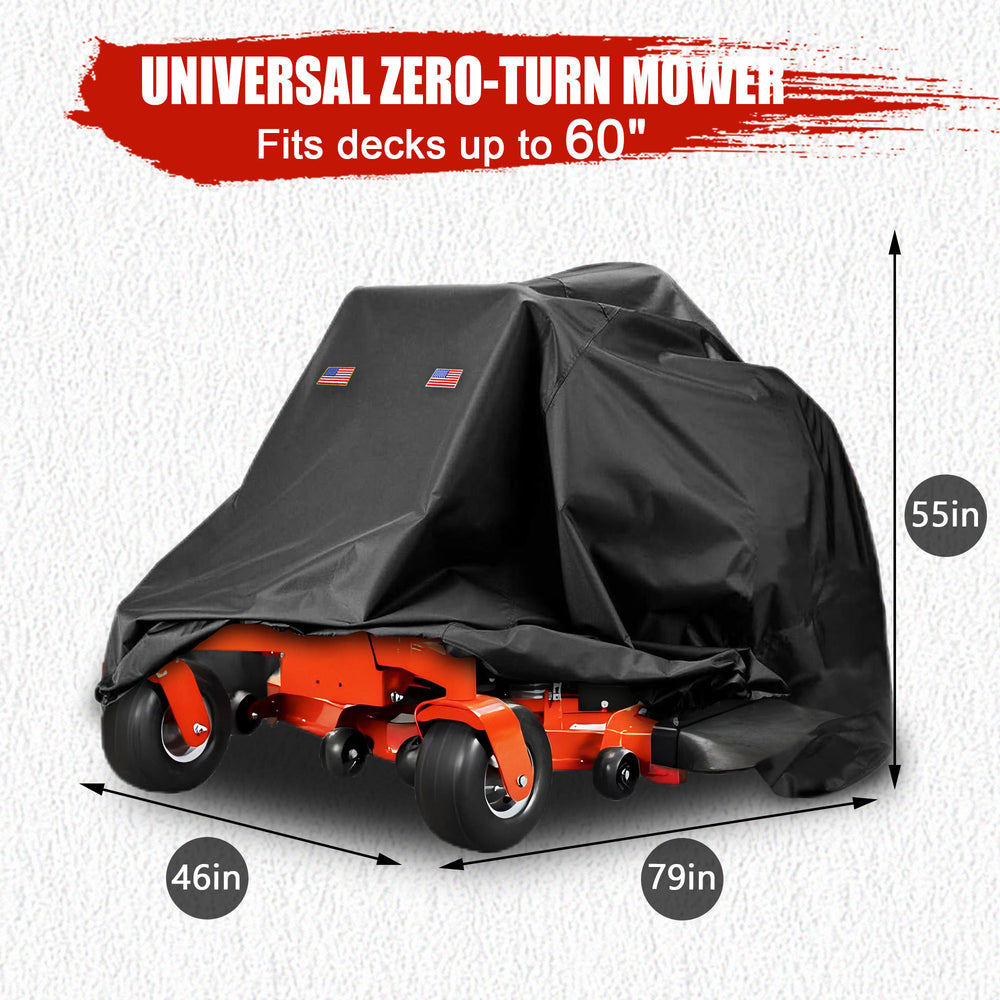
A 60-inch mower is a serious investment, and the wrong cover can leave it exposed to rain, UV rays, dust, and moisture that leads to rust. Many owners grab a “universal” cover only to find it flapping in the wind or tearing after a few weeks. The right cover fits snugly, breathes properly, and stands up to the seasons. This guide covers exactly how to measure your mower, which materials offer real protection, and the key features to look for when buying a cover for a 60-inch deck.
Why a Proper Fit Matters More Than You Think
A cover that is too small will stress the seams and eventually rip. A cover that is too large can pool water on top, creating a breeding ground for mold and mildew. Moisture trapped under a loose cover accelerates corrosion on metal components, especially the deck and exposed pulleys. In practice, the most common mistake I see is buying based on deck width only and ignoring overall length and height. A zero-turn mower with a roll cage, for example, needs several extra inches of height compared to a standard lawn tractor. Getting the fit right from the start saves you the cost of replacing a cover after one season. You can also read our guide on when to rebuild mower transmission.
How to Measure Your 60-Inch Mower for a Cover
Before you shop, take three measurements with the mower parked on a level surface and the deck fully lowered. Use a tape measure and write down the numbers.
Width (Deck and Overall)
- Deck width: Measure the cutting deck from outside edge to outside edge. For a 60-inch deck, this should be about 60 inches. Some covers list the deck size as the model fit, but always confirm the actual width.
- Overall width: Measure the widest point of the mower, which may be the wheels or the steering levers on a zero-turn.
Length
Measure from the front of the bumper (or the front of the hood) to the rearmost point, including the discharge chute if it sticks out. For baggers or mulching attachments, measure with those attached. You can also read our guide on honda vs john deere riding mower.
Height
Measure from the ground to the highest fixed point—usually the top of the roll cage, the steering wheel, or the seat back. If you have a canopy or a sunshade, include that height.
Once you have these numbers, compare them to the cover’s listed dimensions. A good cover should have at least 2–4 inches of extra length and width to allow for a relaxed fit without being baggy. The height should be at least an inch taller than your measurement to avoid stretching the fabric over sharp edges. For more on this, see our guide on how to remove mildew from mower cover.

Always measure the deck width, overall length, and highest point before buying a cover.
Material Comparison: Which Fabric Offers the Best Protection?
The material determines how well the cover repels water, resists UV damage, and allows trapped moisture to escape. Here is a breakdown of the three most common options:
| Material | Water Resistance | Breathability | UV Protection | Durability | Best For |
|---|---|---|---|---|---|
| Heavy-Duty Polyester (600D+) | High (with coating) | Good (with vents) | Excellent | Very good | All-season outdoor storage |
| Vinyl / PVC | Excellent | Poor | Good | Fair (can crack in cold) | Wet climates, short-term use |
| Lightweight Polyester (150–300D) | Moderate | Good | Low | Low | Indoor storage, occasional dust cover |
From my experience, a 600-denier or higher polyester cover with a waterproof coating and integrated mesh vents is the best all-around choice. It breathes enough to prevent condensation while shedding rain effectively. Vinyl covers are fully waterproof but trap moisture underneath, which can lead to rust on unpainted metal parts. If you live in a humid area, skip vinyl and go for a breathable polyester cover.
Top Durable Covers for 60-Inch Mowers
While specific models change year to year, the features that separate a good cover from a great one remain consistent. The following picks are based on the material quality, fit, and feedback from owners.
Premium Pick: Heavy-Duty Polyester with UV Protection
- Material: 600D polyester with a waterproof PU coating and a UV-resistant outer layer.
- Fit: Designed for 60-inch decks, with extra length for zero-turn mowers up to 72 inches overall.
- Vents: Two mesh vents on the sides to reduce condensation.
- Fastening: Elastic hem, adjustable straps, and a buckle under the center.
- Warranty: 3–5 years depending on the brand.
Owners consistently report that this style holds up to full sun and heavy rain for three seasons before showing wear. The elastic hem keeps the cover tight even in gusty conditions.
Value Pick: Budget-Friendly Polyester Cover
- Material: 300D polyester with a water-resistant coating.
- Fit: Snug on most 60-inch lawn tractors; may be tight on zero-turn models with large roll cages.
- Vents: Single vent at the rear.
- Fastening: Drawstring hem only.
- Warranty: 1–2 years.
This cover is fine for occasional use or for mowers stored under a carport. It will not survive extended direct sunlight as well as the premium option, but it is a solid choice if you are on a tight budget.
Heavy-Duty Option: Vinyl Laminated Cover
- Material: Vinyl-laminated polyester with heat-sealed seams.
- Fit: Roomy, with extra length for baggers and attachments.
- Vents: None (not breathable).
- Fastening: Straps with buckles and a reinforced grommet for a lock.
- Warranty: 2 years.
Best for areas with persistent rain or snow, where absolute waterproofing is a priority. The trade-off is that you must periodically remove the cover to allow the mower to dry out. If you leave it on for weeks without checking, rust can form on the deck.

Vinyl covers offer total waterproofing but require occasional removal to let the mower breathe.
Key Features to Look For
Beyond material, small details make a big difference in daily use.
Ventilation Panels
Mesh vents or grommets allow air to circulate, preventing condensation from building up. Without them, moisture trapped under the cover can cause the seat to mildew and the deck to rust. Always choose a cover with at least two vents.
Secure Fastening System
Elastic hems are the bare minimum. For windy areas, look for straps that loop under the mower or a drawstring that cinches tight. Some covers include a buckle that you can secure with a padlock to deter theft.
UV Protection
A UV-resistant coating or fabric treatment prevents the cover from fading and becoming brittle. Over time, unprotected covers degrade and lose their water repellency. Check the product description for “UV stabilised” or “UV resistant.”
Storage Bag
A included storage bag makes it easy to keep the cover clean when not in use. It also helps extend the life of the cover by preventing dirt and debris from being ground into the fabric.
Brand Comparisons
Real-world ratings and warranty terms often reveal which brands stand behind their products. The table below summarises the general landscape—your specific model may vary, but these averages hold true across major retailers.
| Brand Type | Average Customer Rating | Typical Warranty | Price vs Quality |
|---|---|---|---|
| Premium outdoor brand | 4.5 / 5 | 3–5 years | Higher price, excellent durability |
| Mid-range specialist | 4.2 / 5 | 2–3 years | Good balance of cost and longevity |
| Economy / universal | 3.8 / 5 | 1–2 years | Affordable, but may need replacement sooner |
When reading reviews, pay attention to comments about fit for 60-inch decks specifically. Many universal covers are sized for a 54-inch or 48-inch deck and will be too small. Look for reviews that mention “60-inch deck” and “zero-turn” if that is your mower type.
Maintenance and Care Tips
A cover that is properly looked after can last several years. Here is how to keep yours in top shape.
Cleaning Your Cover
- Brush off loose dirt and leaves with a soft broom before storing.
- For heavier grime, use a mild soap (like dish soap) and lukewarm water. Scrub gently with a soft brush.
- Rinse thoroughly with a hose. Leftover soap residue can attract dirt and damage the coating.
- Never use bleach, solvents, or fabric softeners. They break down the waterproof layer.
- Hang the cover to dry completely before folding. Folding a damp cover invites mildew.
Storage Recommendations
- Keep the cover in a cool, dry place when not in use. A garage or shed works well.
- Avoid storing it in direct sunlight, which can degrade the fabric over time.
- Fold it loosely rather than rolling it tightly, to prevent creases that can crack the coating.
- If the cover came with a storage bag, use it. It keeps dust and insects away.
Extending Cover Lifespan
- Inspect the cover every few months for small tears or seam separation. Repair them immediately with a fabric patch kit or seam sealer.
- Be careful not to drag the cover over rough concrete or sharp edges on the mower.
- If you live in an area with heavy snow, remove the cover after a storm to prevent the weight of snow from straining the fabric.
- For winter storage, consider a two-layer approach: a breathable cover underneath an additional waterproof tarp on top. This keeps the mower dry while allowing airflow.
Proper storage of the cover when not in use extends its life and keeps it clean.
Frequently Asked Questions
What size cover fits a 60-inch mower?
A cover labeled for 60-inch decks is the starting point, but always check the product’s overall dimensions. Many covers list a range—for example, “fits 60–66 inch decks.” Measure your mower’s length and height as well, especially if you have a zero-turn with a roll cage.
Are universal mower covers good for 60-inch mowers?
They can work, but they rarely fit perfectly. A universal cover that claims to fit “up to 60 inches” may actually be too short in length or too low in height. A dedicated 60-inch cover designed for your mower type (tractor or zero-turn) provides better protection and a longer lifespan.
What material is best for a 60-inch mower cover?
Heavy-duty polyester (600D or higher) with a waterproof coating and UV protection offers the best balance of durability, breathability, and weather resistance. Vinyl is more waterproof but lacks breathability, so it is better suited for short-term use in wet climates.
How do I measure my mower for the right cover?
Measure the deck width, overall length (from front bumper to rearmost point), and the highest fixed point (roll cage or steering wheel). Add 2–4 inches to each measurement for a comfortable fit. Compare these numbers to the cover’s stated dimensions.
Can I use a cover if my mower has a bagger or attachment?
Yes, but you need to measure the mower with the attachment installed. Some covers are designed to accommodate baggers, while others are not. Look for a cover that lists “fits with bagger” or provides extra length.
How often should I replace my mower cover?
Inspect the cover each season. If you see cracking, thinning, or tears that cannot be repaired, replace it. A well-made cover with proper care typically lasts 3–5 years.
Conclusion
Choosing the right cover for a 60-inch mower comes down to accurate measurements, the right material, and a few key features like ventilation and secure fastening. A heavy-duty polyester cover with UV protection and mesh vents gives you the best protection for year-round outdoor storage. Measuring your mower correctly—including length and height, not just deck width—ensures a snug fit that won’t tear or blow off.
Take a few minutes to measure your mower and compare the dimensions to the cover’s specs. Your mower will stay dry, clean, and ready to mow when you need it. And if you’re storing it for a long period, follow the maintenance tips above to keep the cover itself in good condition for years. For more help with keeping your mower in top shape, check out our guides on routine upkeep and preventing a clogged intake.





