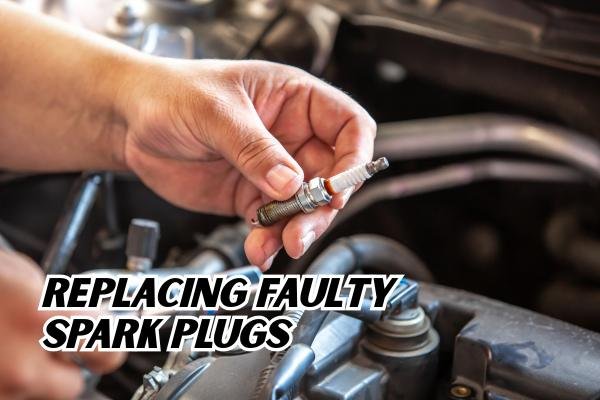
Are your car’s engine troubles driving you up the wall? It might be time to look under the hood and give those spark plugs a once-over.
These tiny powerhouses play a vital role in keeping your car running smoothly, and knowing when to change them can save you from costly repairs down the road. If you’re unsure about the signs that indicate it’s time for a change, or the benefits of doing so, stick around.
You’re about to discover why maintaining your spark plugs is crucial for your car’s performance and how it can even boost your fuel efficiency. Don’t let a simple oversight put your vehicle at risk—let’s dive into the world of spark plugs and ensure your car stays in top shape.
Credit: www.westsideauto.com.au
Signs It’s Time To Replace Spark Plugs
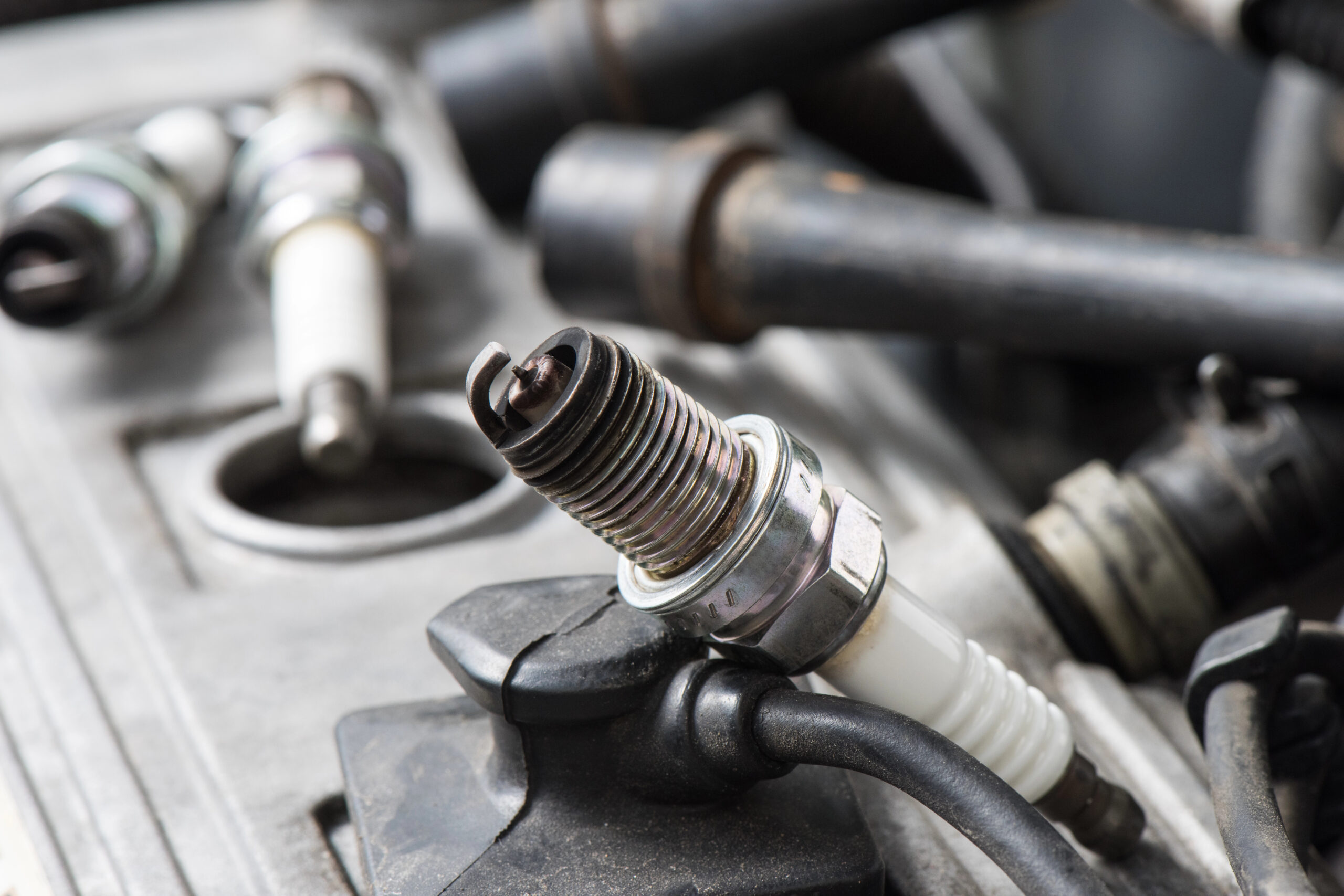
Knowing when to replace your spark plugs can save you from costly repairs and keep your engine running smoothly. Spark plugs play a crucial role in igniting the fuel-air mixture inside your engine. If they start to fail, you’ll notice several signs that can’t be ignored.
Engine Misfires And Rough Idling
If your engine stutters or misfires, it’s often a clear sign of worn spark plugs. You might feel the car shaking or hear uneven engine sounds, especially when idling. Have you ever experienced a rough idle that just won’t smooth out? That’s your spark plugs struggling to maintain a steady spark.
Poor Fuel Efficiency
Notice your gas mileage dropping without changing your driving habits? Failing spark plugs can cause incomplete combustion, which wastes fuel. This means your engine burns more fuel to get the same power, hitting your wallet hard. Check your fuel efficiency regularly—it’s an easy way to catch spark plug issues early.
Difficulty Starting The Engine
When your car takes longer to start or needs multiple attempts, faulty spark plugs could be the culprit. Spark plugs deliver the spark necessary to ignite the engine’s fuel. If that spark is weak or inconsistent, starting your car becomes a frustrating task. Have you ever stood outside your car, turning the key over and over? That’s a moment to inspect your spark plugs.
Reduced Acceleration
Do you feel your car lagging or hesitating when you press the gas pedal? Worn spark plugs can reduce engine power and responsiveness. This means your car won’t accelerate as quickly or smoothly as it used to. Don’t ignore these signs—poor acceleration often signals that your spark plugs need replacing before more serious damage occurs.
Credit: jerry.ai
Choosing The Right Spark Plugs
Choosing the right spark plugs can make a huge difference in your vehicle’s performance and fuel efficiency. It’s not just about picking any spark plug off the shelf; understanding the types, heat range, materials, and compatibility ensures your engine runs smoothly. Let’s break down what you need to know before making that choice.
Types Of Spark Plugs
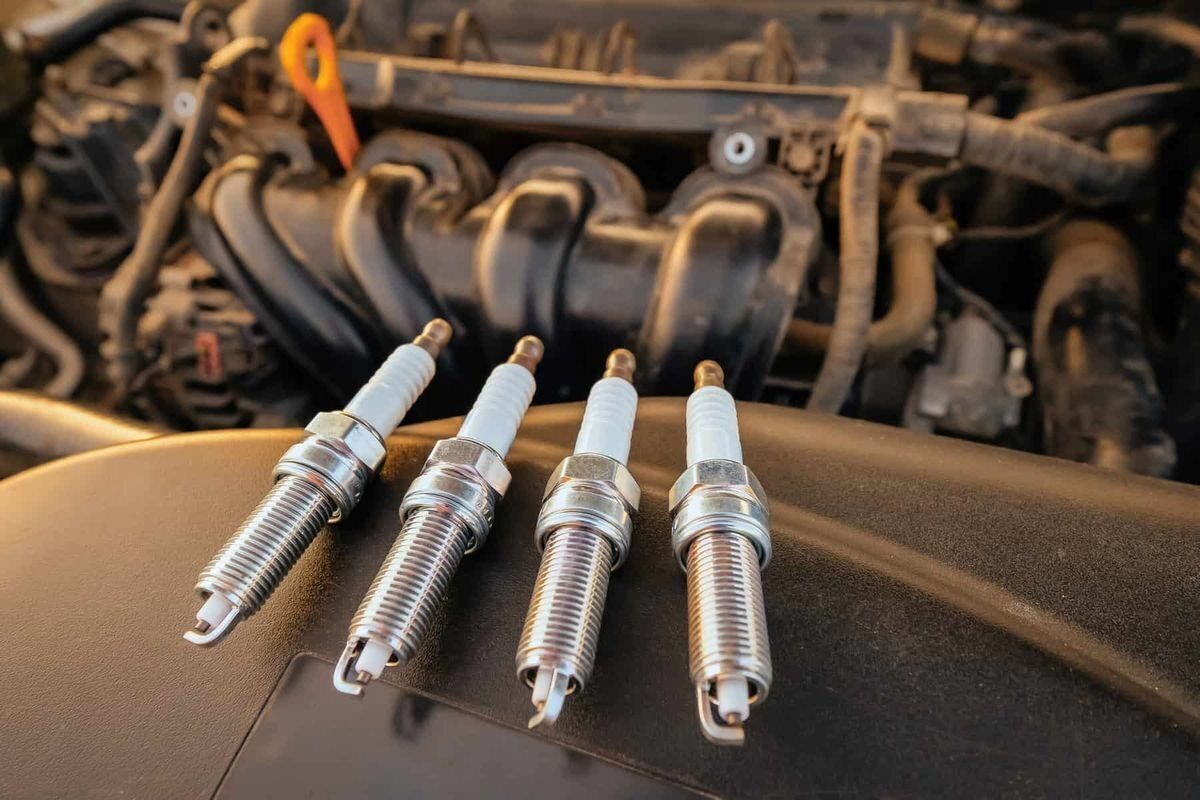
Spark plugs come in various types, each designed for specific engine needs. The most common are copper, platinum, and iridium plugs.
- Copper:Great for older vehicles and budget-friendly, but they wear out faster.
- Platinum:Offer better longevity and performance than copper; ideal for modern engines.
- Iridium:The most durable and efficient, often used in high-performance or newer vehicles.
Think about your driving style and vehicle age when selecting a type. Are you looking for long-term reliability or just a quick fix?
Heat Range Importance
The heat range of a spark plug determines how quickly it can dissipate heat from the combustion chamber. Picking a plug with the wrong heat range can lead to engine knocking or fouling.
Hot plugs retain more heat and are better for short trips or low-speed driving. Cold plugs dissipate heat faster and suit high-performance or high-speed engines.
Ask yourself: Does your driving involve mostly city traffic or highway cruising? That answer helps you pick the right heat range.
Material Differences
The material of the spark plug’s electrode affects its durability and efficiency. Iridium and platinum electrodes last longer and provide a stronger spark compared to copper.
Iridium plugs, for example, can last up to 100,000 miles, saving you time and money on replacements. Copper plugs may cost less upfront but require more frequent changes.
Consider if you prefer a plug that lasts longer or one that fits your budget better over the short term.
Compatibility With Your Vehicle
Not all spark plugs fit every engine. Your vehicle’s make, model, and engine type dictate the correct plug size, thread length, and heat range.
Check your owner’s manual or consult with a trusted mechanic to confirm compatibility. Using the wrong plug can cause misfires, reduced fuel economy, or even engine damage.
Have you ever tried installing the wrong spark plug? That experience alone highlights why compatibility should never be overlooked.
When To Change Spark Plugs
Spark plugs play a vital role in your car’s engine. They ignite the air-fuel mixture, powering the vehicle. Knowing when to change spark plugs keeps your engine running smoothly. Worn spark plugs can cause poor fuel economy and rough starts. Timely replacement helps avoid engine problems and costly repairs.
Mileage Recommendations
Most spark plugs last between 30,000 and 100,000 miles. The exact mileage depends on the type of spark plug. Copper plugs usually need replacement around 30,000 miles. Platinum and iridium plugs can last up to 100,000 miles. Check your car’s mileage to plan spark plug changes.
Manufacturer Guidelines
Vehicle makers provide specific spark plug change intervals. These are found in the owner’s manual. Following these guidelines ensures optimal engine performance. Some cars require more frequent changes due to engine design. Always follow the manufacturer’s advice for best results.
Impact Of Driving Conditions
Harsh driving conditions wear out spark plugs faster. Short trips, stop-and-go traffic, and dusty roads increase wear. Frequent idling and heavy loads also affect spark plugs. Changing spark plugs sooner can prevent engine issues in tough conditions. Adjust your maintenance schedule based on your driving habits.
Credit: beachautomotive.com
Step-by-step Spark Plug Replacement
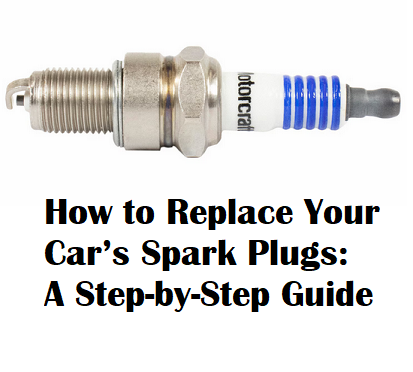
Replacing spark plugs on your own can save money and boost your car’s performance. The process is straightforward if you prepare properly and follow each step carefully. Let’s walk through the essential actions to get your spark plugs swapped efficiently and safely.
Gathering Necessary Tools
Before you start, make sure you have the right tools on hand. You’ll need a spark plug socket, a ratchet wrench, an extension bar, and a gap gauge. Having a torque wrench is also helpful to tighten the plugs to the correct specification without overdoing it.
Don’t forget safety gloves and eye protection. A clean rag or compressed air can clear debris around the plug holes. Missing a tool can slow you down, so check twice before opening the hood.
Removing Old Spark Plugs
Begin by disconnecting the spark plug wires or coil packs carefully to avoid damage. Use the ratchet with the spark plug socket to loosen and remove each old plug. Turn counterclockwise gently; if a plug feels stuck, try penetrating oil but avoid forcing it.
Keep track of the order of wires and plugs. This prevents mix-ups when reconnecting. Have you noticed how much easier the engine runs after removing worn plugs? It’s a clear sign of why this maintenance matters.
Inspecting And Gapping New Plugs
Look at each new spark plug closely before installation. Check for any manufacturing defects or damage during shipping. Use your gap gauge to measure the electrode gap and adjust it to match your vehicle’s specifications.
Incorrect gaps can cause misfires or poor fuel economy. Even if your new plugs come pre-gapped, it’s wise to verify. Have you ever skipped this step and faced engine trouble later? Don’t let that happen.
Installing New Spark Plugs
Start threading each new plug by hand to avoid cross-threading, which can damage the cylinder head. Once hand-tight, use the torque wrench to tighten the plugs to the recommended torque setting. Over-tightening can strip threads; under-tightening can cause poor contact.
Reconnect the wires or coil packs in the correct order. Give the wires a slight twist as you push them on to ensure a snug fit. After installation, listen to your engine’s smooth hum and enjoy the improved responsiveness.
Maintenance Tips For Longer Spark Plug Life
Maintaining your spark plugs properly can save you money and improve your vehicle’s performance. Spark plugs wear out over time, but with the right care, you can extend their life significantly. Here are some practical tips to help you get the most out of your spark plugs.
Regular Engine Tune-ups
Keeping your engine tuned up is crucial for spark plug health. During a tune-up, mechanics check and adjust the ignition system, fuel system, and engine timing. This helps prevent misfires and uneven wear on your spark plugs.
Have you ever noticed rough idling or decreased fuel efficiency? Those are signs your spark plugs might need attention, often caught early during a tune-up. Scheduling tune-ups based on your vehicle’s manual can prevent premature spark plug failure.
Using Quality Fuel
The type of fuel you use directly affects your spark plugs. Lower-quality fuel can leave deposits that clog and damage the plugs over time. Using cleaner, higher-octane fuel reduces carbon buildup and keeps spark plugs firing smoothly.
If you drive in areas with poor fuel quality, consider adding fuel system cleaners occasionally. This simple step can protect your spark plugs and improve overall engine performance.
Avoiding Engine Overheating
Overheating stresses spark plugs and shortens their lifespan. High engine temperatures can cause the electrodes to wear faster or even melt. You can protect your spark plugs by monitoring your engine’s cooling system and addressing overheating issues promptly.
Do you check your coolant levels regularly? Ignoring overheating symptoms can lead to costly repairs beyond just spark plugs. Keeping your engine cool keeps your spark plugs working efficiently for longer.
Common Mistakes To Avoid
Changing spark plugs might seem straightforward, but many car owners make avoidable errors that can affect engine performance and longevity. These mistakes often come from rushing the job or ignoring small but crucial details. Understanding what to avoid can save you time, money, and frustration down the road.
Over-tightening Spark Plugs
It’s tempting to tighten spark plugs as much as possible, thinking it will secure them better. However, over-tightening can strip the threads in the cylinder head or even crack the plug itself. Have you ever felt resistance but kept turning? That’s a warning sign to stop.
Using a torque wrench set to the manufacturer’s recommended specification is the best way to avoid this. If you don’t have one, tighten the plug until it’s snug, then give it an additional quarter turn. This simple step protects your engine from costly damage.
Neglecting Spark Plug Gaps
Many skip checking or adjusting the spark plug gap, assuming the plugs come ready to use. Incorrect gaps can cause misfires, poor fuel economy, and rough idling. I once replaced plugs without checking the gap and noticed immediate engine hesitation—it was a costly lesson.
Use a feeler gauge to measure the gap before installation. If it doesn’t match your vehicle’s specs, carefully adjust it. This small adjustment ensures optimal spark and smooth engine performance.
Ignoring Manufacturer Specs
Using the wrong spark plug type or ignoring recommended specs can harm your engine’s efficiency. Each engine is designed for specific heat ranges and sizes, which affect combustion and performance. Have you ever grabbed a cheaper plug without checking compatibility? The impact may not be immediate but can reduce engine life.
Always consult your owner’s manual or a trusted source to find the right spark plugs. Installing the correct ones keeps your engine running cleaner and longer.
Frequently Asked Questions
When Should I Change Spark Plugs In My Car?
Spark plugs should be changed every 30,000 to 100,000 miles. Check your vehicle’s manual for exact intervals. Regular replacement ensures optimal engine performance and fuel efficiency.
How Do I Know If Spark Plugs Need Changing?
Signs include engine misfires, poor fuel economy, rough idling, and difficulty starting. Inspect spark plugs if you notice these symptoms to avoid engine damage.
Can Old Spark Plugs Damage My Engine?
Yes, worn spark plugs can cause misfires and reduce engine power. This leads to poor fuel efficiency and potential long-term engine issues if not replaced timely.
What Type Of Spark Plugs Should I Use?
Use spark plugs recommended by your vehicle’s manufacturer. Options include copper, platinum, or iridium plugs, each offering different durability and performance levels.
Conclusion
Changing spark plugs keeps your car running smooth and strong. Worn plugs cause poor fuel use and engine trouble. Regular checks help spot problems early and save money. Good spark plugs improve power and start your engine faster. Remember to follow your car’s service guide for the best timing.
A small part, big effect. Keep your ride healthy and enjoy the drive.





