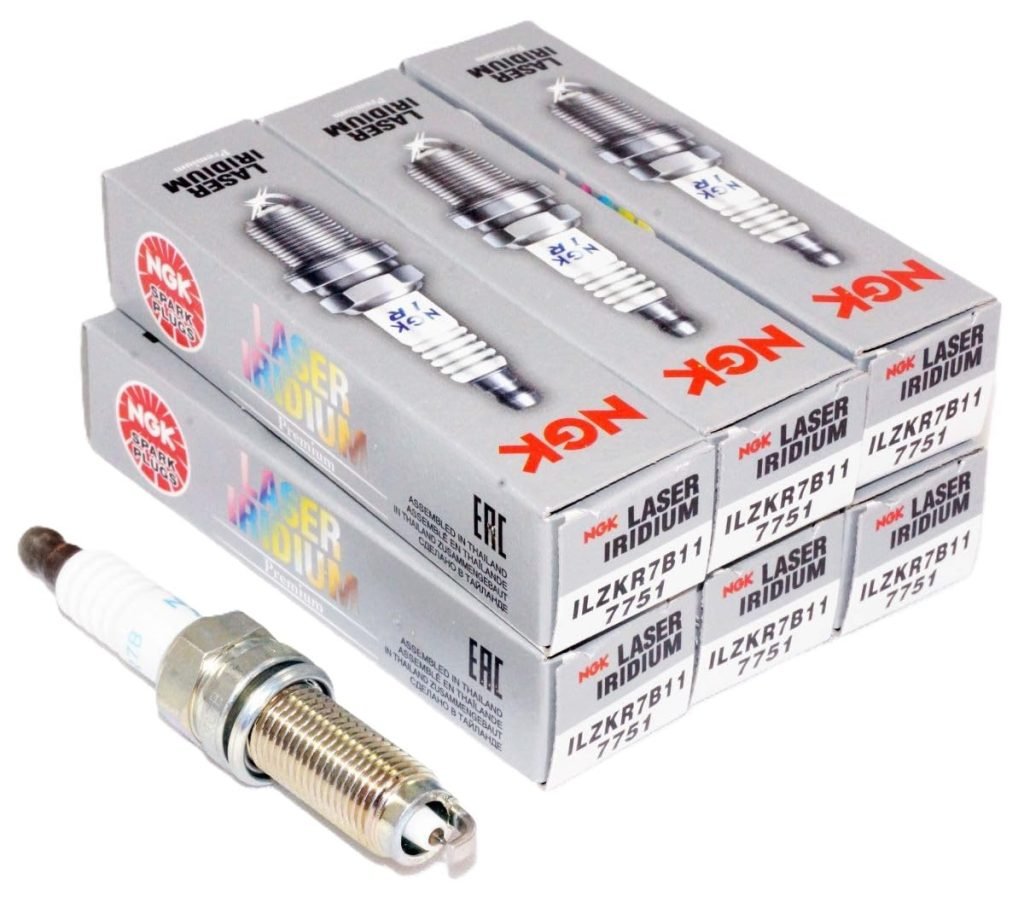
Imagine you’re cruising down the highway, and suddenly, your car starts to sputter and hesitate. Frustrating, isn’t it?
There’s a good chance the culprit could be your spark plugs. These small yet mighty components play a crucial role in keeping your engine running smoothly. But what exactly are spark plugs, and why are they so important for your vehicle’s performance?
Understanding the basics of spark plugs can save you time, money, and a whole lot of stress. Dive into this article to discover how these tiny parts can make a big difference in your driving experience, and learn how you can keep your car in top shape with the right spark plug knowledge.

Credit: www.amazon.ca
Role Of Spark Plugs
The role of spark plugs in your vehicle is more critical than many realize. These small components are the key to starting your engine and keeping it running smoothly. Understanding what spark plugs do can help you maintain your car better and avoid unexpected breakdowns.
Ignition Process
Spark plugs create the spark that ignites the air-fuel mixture inside the engine’s cylinders. This tiny explosion generates the power needed to move your car. Without a spark plug firing correctly, the engine won’t start or will run poorly.
Think about the last time your car hesitated or stalled—chances are, a weak or dirty spark plug played a role. The spark plug’s ability to generate a strong spark at the right moment controls how efficiently your engine fires up each time you turn the key.
Impact On Engine Efficiency
Efficient spark plugs improve fuel consumption by ensuring complete combustion of fuel. Poorly functioning spark plugs cause misfires, which waste fuel and reduce power. This not only hurts your wallet but also increases harmful emissions.
Have you noticed your car struggling to accelerate or using more fuel than usual? Faulty spark plugs might be the culprit. Keeping your spark plugs clean and in good condition can boost your engine’s performance and save money on gas.

Credit: www.amazon.ca
Types Of Spark Plugs
Choosing the right spark plug can make a noticeable difference in your vehicle’s performance. Spark plugs come in several types, each with unique features that suit different engines and driving habits. Understanding these types helps you pick the best option for your car and driving style.
Copper
Copper spark plugs are the most basic and budget-friendly option. They conduct electricity well but wear out faster than other types because their center electrode is made of copper with a nickel alloy coating.
If you drive an older car or a vehicle that doesn’t require high-performance plugs, copper plugs can work fine. However, you’ll need to replace them more often, sometimes every 20,000 to 30,000 miles.
Platinum
Platinum spark plugs last longer than copper ones due to their platinum-tipped electrodes. This metal resists corrosion and wear, so these plugs maintain performance over time.
Many modern vehicles use platinum plugs because they offer a good balance between cost and durability. You can expect to change them roughly every 60,000 miles, which means fewer trips to the mechanic.
Iridium
Iridium spark plugs are the premium choice with the longest lifespan. Iridium is harder and more durable than platinum, allowing for a finer electrode that improves ignition efficiency and fuel economy.
Although they cost more upfront, iridium plugs can last up to 100,000 miles or more. If you want the best performance and less maintenance, these plugs are worth considering.
Choosing The Right Spark Plug
Choosing the right spark plug is essential for your vehicle’s performance and fuel efficiency. Picking the wrong one can lead to engine misfires, poor mileage, or even damage. Understanding what fits your vehicle and driving style helps you avoid these issues and keep your engine running smoothly.
Vehicle Specifications
Your vehicle’s make, model, and engine type dictate the type of spark plug you need. Always check the manufacturer’s guide or manual for recommended spark plugs. Using the exact specification ensures proper fit, heat tolerance, and optimal combustion.
For instance, a high-performance sports car requires a different spark plug than a daily commuter. Even the gap size between the electrodes matters for ignition timing. Have you ever tried fitting a plug that wasn’t right? It usually leads to rough starts and engine knocking.
Driving Conditions
The environment you drive in affects your spark plug choice. Frequent stop-and-go city driving demands plugs that handle frequent ignition cycles well. Long highway drives might need plugs that perform consistently under sustained heat.
Consider extreme conditions too, like dusty roads or cold climates. Some plugs come with special coatings or designs to resist fouling and corrosion. What kind of driving do you do most often? Your answer can guide you to the best spark plug type.
Heat Range Importance
The heat range of a spark plug indicates how quickly it can transfer heat from the tip to the engine head. Choosing the right heat range prevents overheating or fouling. If the plug runs too hot, it can cause pre-ignition and engine damage.
On the other hand, a plug that runs too cold may foul quickly with carbon deposits. You want a plug that reaches the right temperature to burn off deposits but stays cool enough to avoid damage. Have you noticed your engine’s performance drop after changing spark plugs? Heat range might be the reason.
Signs Of Worn Spark Plugs
Worn spark plugs can silently sabotage your vehicle’s performance. Noticing subtle changes early can save you from costly repairs and frustrating breakdowns. Here are some clear signs your spark plugs might need attention.
Engine Misfires
Have you ever felt your car jerk or hesitate while driving? That could be an engine misfire, often caused by worn spark plugs. Misfires happen when the spark plugs fail to ignite the fuel-air mixture efficiently, leading to rough engine operation.
This issue not only reduces power but can also damage other parts like the catalytic converter. If your engine feels uneven or stalls at low speeds, it’s time to check those plugs.
Poor Fuel Economy
Are you filling up your tank more often than usual? Worn spark plugs can lower your fuel efficiency by causing incomplete combustion. This means your engine burns more fuel to produce the same power.
Watching your miles per gallon drop without changing your driving habits is a strong hint that your spark plugs need replacement. Improving fuel economy starts with ensuring your spark plugs fire correctly.
Difficulty Starting
Struggling to start your car, especially on cold mornings? Worn spark plugs make it harder for your engine to ignite the fuel mixture. This results in slow cranking or multiple attempts before the engine catches.
If you notice your car hesitates to start or requires extra effort turning the key, don’t ignore it. Replacing old spark plugs can restore smooth and quick starts, saving you time and stress.
Spark Plug Maintenance
Maintaining your spark plugs is key to keeping your engine running smoothly and efficiently. Neglecting them can lead to poor fuel economy, misfires, or even engine damage. Regular care not only extends their life but also ensures your vehicle performs at its best.
Cleaning Techniques
Cleaning spark plugs can be a simple way to improve performance without immediate replacement. You can use a wire brush or a specialized spark plug cleaner to remove carbon deposits and dirt.
Be gentle to avoid damaging the electrode or insulator. Avoid using abrasive materials that can wear down the plug. After cleaning, inspect the plug for cracks or heavy wear—if you see any, replacement is a better choice.
Gapping Spark Plugs
The gap between the electrodes affects how the spark jumps to ignite the fuel-air mixture. You can check and adjust this gap with a feeler gauge or a spark plug gap tool.
Refer to your vehicle’s manual for the correct gap size. If the gap is too wide or too narrow, your engine might misfire or lose power. Adjusting the gap yourself can save you a trip to the mechanic and improve your car’s responsiveness.
Replacement Intervals
Knowing when to replace your spark plugs is crucial. Most manufacturers recommend changing them every 30,000 to 100,000 miles, depending on the type of spark plug and driving conditions.
Pay attention to signs like rough idling, difficulty starting, or decreased fuel efficiency—these can indicate worn plugs. Keeping track of your replacement intervals ensures your engine runs efficiently and prevents unexpected breakdowns.
Installation Tips
Installing spark plugs correctly is key for your engine’s performance. Small mistakes can cause big problems. Follow these tips to ensure a smooth and safe installation. Proper care helps your spark plugs last longer and work better.
Proper Torque
Use a torque wrench for precise tightening. Too much force can damage the spark plug or the cylinder head. Too little torque may cause poor contact and misfires. Check your vehicle manual for the exact torque value. Turn the spark plug until it feels snug, then tighten to the specified torque.
Avoiding Cross-threading
Cross-threading happens when the spark plug is forced at the wrong angle. It can ruin the threads and cause leaks. Start threading by hand to feel the correct path. If it doesn’t turn easily, stop and realign. Never use power tools for the first turns to avoid damage.
Using Anti-seize
Apply a small amount of anti-seize compound on the spark plug threads. This prevents rust and makes future removal easier. Use only a thin layer to avoid over-tightening. Some spark plugs come pre-coated, so check before adding more. Clean old thread residue before applying new compound.
Enhancing Performance
Enhancing your vehicle’s performance often starts with small but impactful changes, and spark plugs play a crucial role in this. They ignite the air-fuel mixture inside the engine, directly affecting power, fuel efficiency, and smoothness. Understanding how to optimize spark plugs can make a noticeable difference in how your car drives.
Upgrading Spark Plugs
Stock spark plugs can limit your engine’s potential. Upgrading to high-performance spark plugs, like iridium or platinum types, can improve ignition efficiency. These plugs last longer and withstand higher temperatures, which means better combustion and more power.
Have you noticed rough idling or difficulty starting your car? It might be time to try upgraded plugs to restore smooth operation. I once swapped out the standard plugs on my car, and the acceleration felt sharper almost immediately.
Tuning For Better Combustion
Simply installing better spark plugs isn’t enough; tuning your engine to match these plugs is key. Adjusting the ignition timing ensures the spark fires at the optimal moment to maximize fuel burn. This fine-tuning can improve throttle response and reduce emissions.
Think about the last time your engine felt sluggish—could a timing adjustment solve that? Many drivers overlook this step, but tuning paired with quality plugs brings out the best in your engine.
Regular Engine Checks
Keeping spark plugs clean and in good condition prevents misfires and power loss. Check them regularly for wear, deposits, and proper gap size. Replacing worn plugs on time keeps your engine running efficiently and avoids costly repairs down the road.
Have you ever ignored a small engine issue until it became a big problem? Regular inspections of your spark plugs can save you from that frustration and expense.

Credit: lordco.com
Frequently Asked Questions
What Are Spark Plugs And How Do They Work?
Spark plugs ignite the air-fuel mixture inside the engine’s cylinders. They create a spark that starts combustion, powering the vehicle. Proper spark plug function is essential for engine performance and fuel efficiency.
How Often Should Spark Plugs Be Replaced?
Spark plugs typically last between 30,000 to 100,000 miles. Replacement depends on the type and vehicle model. Regular inspection helps maintain engine efficiency and prevents misfires.
What Are Common Signs Of Faulty Spark Plugs?
Symptoms include engine misfires, rough idling, poor acceleration, and decreased fuel efficiency. If your car shows these signs, checking spark plugs is recommended.
Can Spark Plugs Affect Fuel Economy?
Yes, worn spark plugs reduce combustion efficiency. This leads to increased fuel consumption and higher emissions. Replacing spark plugs can improve mileage and reduce pollution.
Conclusion
Spark plugs help engines start and run smoothly. They create sparks that ignite the fuel-air mix inside the engine. Clean and good spark plugs improve car performance and save fuel. Worn-out plugs cause problems like hard starts and poor mileage.
Checking spark plugs regularly keeps your engine healthy. Simple maintenance can prevent costly repairs later. Remember, spark plugs are small but very important parts. Taking care of them helps your vehicle work better every day.





