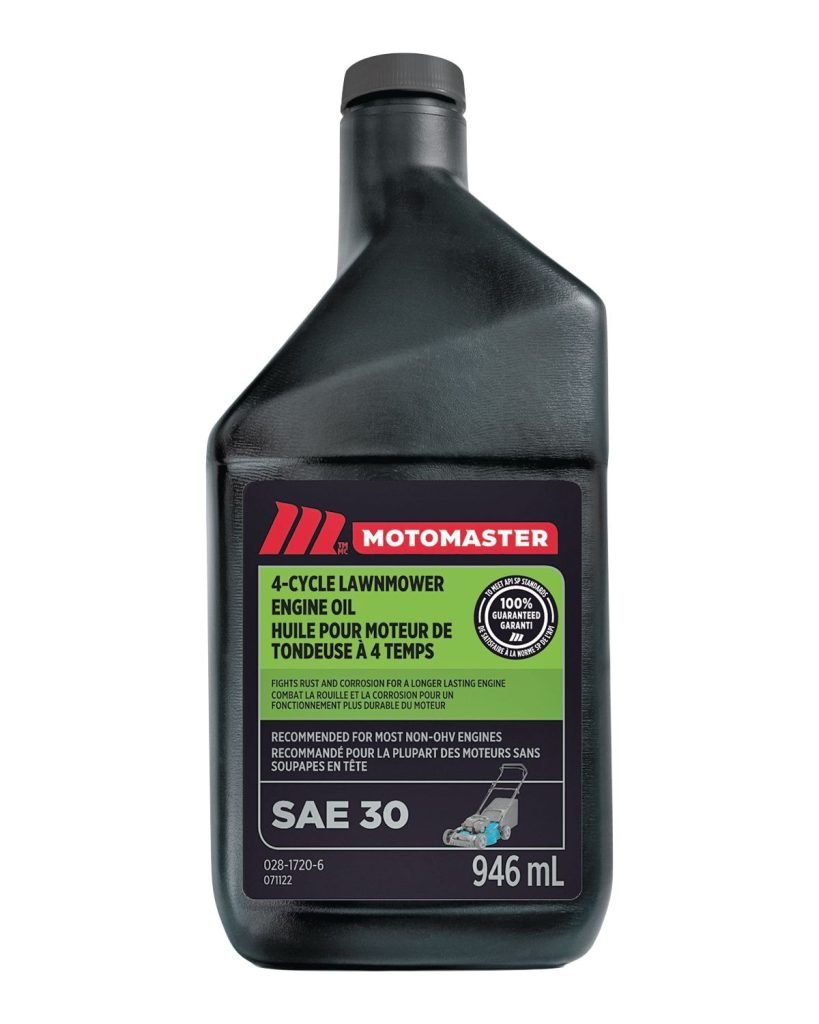
Ever found yourself staring at your lawn mower, wondering what type of oil it needs? You’re not alone.
Choosing the right oil is crucial for keeping your lawn mower running smoothly and efficiently. It can make the difference between a machine that purrs like a kitten and one that grinds to a halt mid-mow. We’ll delve into the specifics of lawn mower oils, demystifying the options and helping you make the best choice for your trusty grass-cutter.
Stick around, because understanding this simple yet vital component could save you time, money, and a lot of frustration.
Choosing The Right Oil
Choosing the right oil for your lawn mower is essential for its performance and longevity. The correct oil reduces wear and tear on the engine. It also helps the machine run smoothly under different weather conditions. Using the wrong oil can cause engine damage or poor fuel efficiency. Understanding the types of oils and their properties helps you pick the best option.
Types Of Lawn Mower Oils
Lawn mower oils mainly come in two types: conventional and synthetic. Conventional oil is made from refined crude oil. It works well for many basic lawn mowers. Synthetic oil is chemically engineered for better performance. It offers improved protection at extreme temperatures. Some oils are blends of both types, combining benefits from each.
Synthetic Vs Conventional Oils
- Synthetic Oils: Last longer and protect better in cold and hot weather.
- Conventional Oils: Usually cheaper but may need more frequent changes.
- Blended Oils: Mix both to balance cost and performance.
Synthetic oils keep the engine cleaner and reduce friction. Conventional oils suit older or less-used mowers. Think about your mower’s age and how often you use it.
Viscosity And Oil Grades
Viscosity means how thick or thin the oil is. Lawn mower engines usually use oils with grades like 10W-30 or 5W-30. The first number shows oil flow in cold temperatures. The second number shows thickness when the engine is hot. The right grade depends on your local climate and mower type. Check your mower’s manual for the recommended oil grade.

Credit: www.amazon.com
Oil For Different Engines
Choosing the right oil for your lawn mower depends largely on the type of engine it uses. Different engines have unique needs that affect performance and longevity. Knowing what oil suits your mower can save you from costly repairs and keep your machine running smoothly.
2-stroke Engine Oil Needs
Two-stroke engines require a special blend of oil and gasoline mixed together. This mix lubricates the engine parts since these engines don’t have a separate oil reservoir. Using regular motor oil or the wrong ratio can cause poor performance and damage.
Look for oils labeled specifically for 2-stroke engines, often called 2T oil. The typical mix ratio is 50:1 (gasoline to oil), but check your mower’s manual to be sure. Some synthetic 2-stroke oils offer better protection and less smoke, which might be worth trying if you want a cleaner experience.
4-stroke Engine Oil Requirements
Four-stroke engines have a separate oil reservoir just like a car, so you use pure oil without mixing it with gas. This oil lubricates the engine continuously, reducing wear and keeping the mower running efficiently. Using the right viscosity, like 10W-30 or 5W-30, depends on the temperature where you mow.
Always choose oils that meet the API service classifications recommended in your mower’s manual. Synthetic oils can enhance engine life, especially if you mow frequently or in tough conditions. Have you ever noticed your mower running rough after an oil change? That might be a sign to switch to a higher-quality or correct viscosity oil.
How To Check Oil Levels
Checking the oil level in your lawn mower is a simple but important task. Proper oil levels keep the engine running smoothly. Low or dirty oil can cause damage and reduce mower performance. Regular oil checks help you spot problems early and extend mower life.
Tools Needed
- Clean rag or paper towel
- Flat surface to park the mower
- Gloves (optional for cleanliness)
Step-by-step Checking Process
- Park the mower on a flat, level surface and turn off the engine.
- Wait a few minutes for the oil to settle inside the engine.
- Locate the oil fill cap or dipstick, usually near the engine.
- Remove the oil cap or dipstick and wipe it clean with a rag.
- Insert the dipstick back into the oil tube fully, then pull it out again.
- Check the oil level on the dipstick markings. It should be between “Full” and “Add.”
- If oil is low, add the type recommended by the mower’s manual.
- Replace the oil cap or dipstick securely before starting the mower.
When To Change Lawn Mower Oil
Knowing when to change your lawn mower oil is key to keeping the engine running smoothly and extending the life of your mower. Oil lubricates the engine parts, prevents overheating, and helps avoid costly repairs. But how do you tell the right time to switch out the oil? Let’s explore the signs of old or dirty oil and the recommended intervals for oil changes.
Signs Of Old Or Dirty Oil
Old or dirty oil loses its ability to protect your engine effectively. Here are some clear signs to look for:
- Dark or Black Oil:Fresh oil is usually amber or light brown. If the oil looks very dark or black, it’s time for a change.
- Thick or Sludgy Texture:When oil becomes thick or sticky, it can’t flow properly through the engine, which causes damage.
- Unusual Engine Noises:If you hear knocking or louder engine sounds, dirty oil might be the culprit.
- Excessive Smoke:Blue or black smoke coming from the mower exhaust may indicate oil problems.
Have you checked your oil color recently? A quick look can save you from bigger problems down the road.
Recommended Oil Change Intervals
How often you should change your lawn mower oil depends on several factors including the type of mower and usage frequency.
| Lawn Mower Type | Oil Change Interval |
|---|---|
| Push Mowers | After every 25-50 hours of use or once a season |
| Riding Mowers | Every 50 hours of use or twice a season |
| New Mowers | After the first 5 hours of use, then follow regular intervals |
Seasonal changes also play a role. If you store your mower over winter, changing the oil before storage prevents corrosion inside the engine. What’s your mower’s oil change routine? Adjusting it based on your mower’s condition can boost its performance and lifespan.
Oil Change Procedure
Maintaining your lawn mower’s engine oil is crucial for its smooth operation and longevity. Changing the oil regularly keeps the engine parts well-lubricated and prevents damage from old, dirty oil. Here’s how you can handle the oil change procedure effectively and safely.
Draining Old Oil
Start by warming up your mower for a few minutes to make the oil flow easier. Then, position the mower on a flat surface and place a container beneath the oil drain plug or spout.
Remove the plug carefully, allowing the old oil to drain completely. Have some rags handy to wipe any spills—you don’t want oil on your grass or driveway. How often do you check your oil level? Regular checks can prevent messy surprises during draining.
Refilling With New Oil
Once drained, replace the drain plug securely to avoid leaks. Use a funnel to pour in the correct type and amount of new oil, as specified in your mower’s manual.
Don’t overfill; too much oil can cause engine damage just like too little. After filling, run the engine briefly, then turn it off and check the oil level again with the dipstick to ensure it’s just right.
Disposing Of Used Oil Safely
Used oil is hazardous to the environment, so never pour it down drains or on the ground. Store the old oil in a sealed container and take it to a local recycling center or auto shop that accepts used oil.
Did you know many communities offer free oil recycling? Keeping your lawn care eco-friendly is easier than you think when you dispose of oil properly.
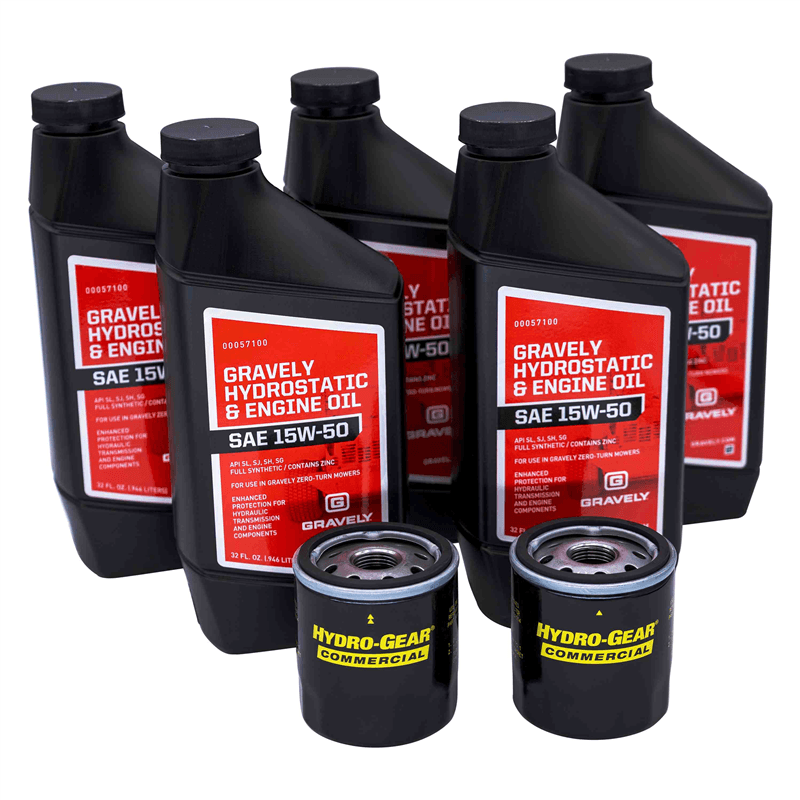
Credit: www.ariens.com
Common Oil Mistakes To Avoid
Using the right oil in your lawn mower is vital for its performance. Many make simple mistakes that cause engine problems. Avoiding these errors helps your mower run longer and smoother.
Using Wrong Oil Type
Not all oils suit lawn mower engines. Using car engine oil or heavy oil can harm the mower. Always choose oil made for small engines. Check the mower’s manual for the recommended oil type.
Overfilling Or Underfilling
Too much oil can cause leaks or smoke. Too little oil leads to engine damage from poor lubrication. Fill the oil to the level mark on the dipstick. Avoid guessing the correct amount.
Ignoring Oil Maintenance
Old oil loses its ability to protect the engine. Skipping oil changes causes dirt buildup and engine wear. Change the oil regularly based on the mower’s use. Clean oil keeps the engine cool and running well.
Tips For Maintaining Peak Performance
Maintaining your lawn mower’s peak performance depends greatly on how well you care for its engine oil and storage. Proper oil use and regular checks help the engine run smoothly. Good storage keeps the mower ready for use and extends its life.
Regular Oil Checks
Check the oil level before each use. Low oil can cause serious engine damage. Use the dipstick to see if the oil is between the minimum and maximum marks. Change the oil after every 25 hours of mowing or as the manual suggests. Dirty oil reduces engine efficiency and can cause wear.
Using Quality Oil Brands
Choose oils made specifically for lawn mowers or small engines. Quality oils keep the engine clean and protect against rust. Look for oils labeled SAE 30 for warm weather or 10W-30 for varying temperatures. Avoid using car engine oil as it may not have the right additives.
Storing Lawn Mower Properly
Store the mower in a dry, sheltered place to prevent rust and damage. Drain the oil or change it before long storage periods. Remove all grass and dirt from the mower to avoid clogging. Cover the mower with a breathable cloth to keep dust away but allow air circulation.
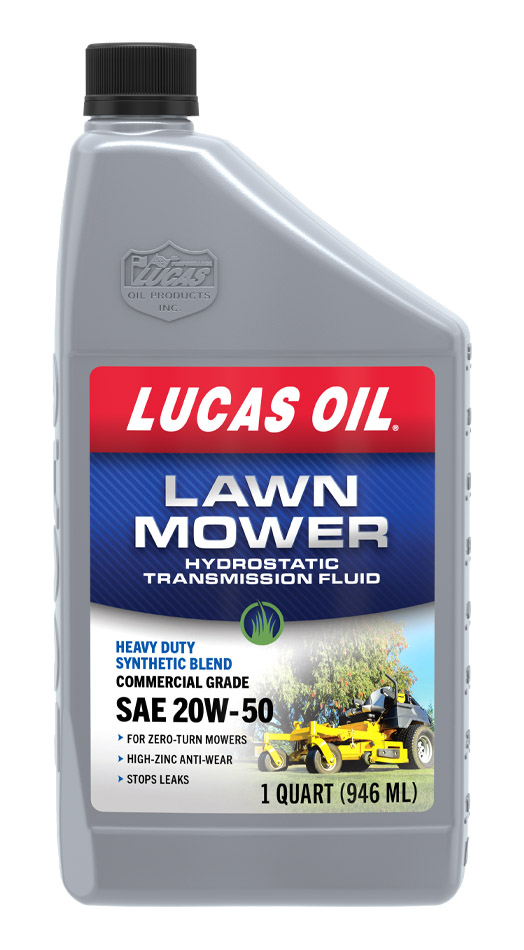
Credit: www.lucasoil.com
Frequently Asked Questions
What Type Of Oil Is Best For Lawn Mowers?
The best oil for lawn mowers is SAE 30 for warm weather. For cold climates, use 10W-30. Always check your mower’s manual for the recommended oil type to ensure optimal engine performance and longevity.
Can I Use Car Engine Oil In Lawn Mowers?
Yes, you can use car engine oil, but only 10W-30 or SAE 30. Avoid synthetic oils unless specified by the manufacturer. Using the right oil type prevents engine damage and improves mower efficiency.
How Often Should I Change Lawn Mower Oil?
Change lawn mower oil after every 25 hours of use or once per mowing season. Regular oil changes maintain engine health and improve performance. Always dispose of used oil responsibly.
Is Synthetic Oil Suitable For Lawn Mowers?
Synthetic oil can be used if recommended by the mower’s manual. It offers better protection and lasts longer in extreme temperatures. However, standard SAE 30 oil is sufficient for most regular mowers.
Conclusion
Choosing the right oil keeps your lawn mower running well. Use the type recommended in the mower’s manual. Regular oil changes protect the engine and improve performance. Too thick or thin oil can cause damage. Check oil levels before each use for smooth operation.
Clean oil means a longer mower life. Take care of your mower, and it will take care of your lawn. Simple steps make a big difference in mower health. Keep your grass neat with proper mower care.





