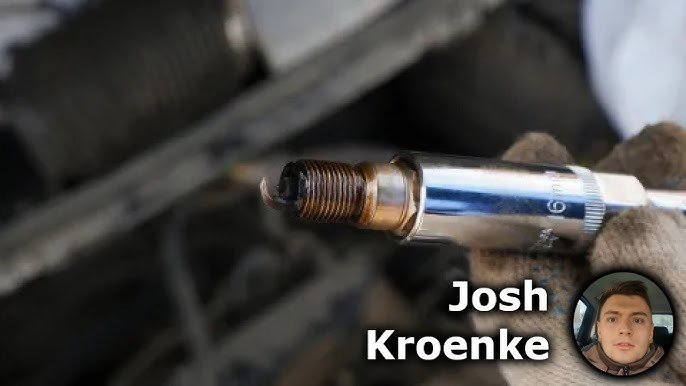
Have you ever popped the hood of your car, only to discover oil in your spark plugs? It’s a sight that can make any car owner nervous.
The good news is, you’re not alone, and it’s an issue you can tackle with a little guidance. Oil in your spark plugs isn’t just a messy problem; it can lead to engine troubles and reduced performance if not addressed promptly.
But don’t worry—understanding the root cause and knowing how to fix it can save you from future headaches and costly repairs. In this guide, we’ll walk you through everything you need to know to get your engine running smoothly again. So, grab your tools and let’s dive in—your car’s health depends on it!

Credit: www.reddit.com
Causes Of Oil In Spark Plugs
Oil on spark plugs signals a problem inside the engine. It harms engine performance and causes misfires. Identifying the cause helps fix the issue fast. Several engine parts can let oil reach spark plugs. Understanding these causes prevents further damage and saves repair costs.
Worn Valve Seals
Valve seals stop oil from entering the combustion chamber. Over time, these seals wear out or crack. Worn valve seals let oil leak down the valve guides. Oil then coats the spark plugs and fouls them. This causes poor engine running and smoky exhaust.
Damaged Piston Rings
Piston rings keep oil and combustion gases separate. Damaged or broken piston rings allow oil to pass into the cylinder. Oil reaches the spark plugs and fouls their tips. This reduces spark plug efficiency and engine power. It may also cause increased oil consumption.
Faulty Cylinder Head Gasket
The cylinder head gasket seals the cylinder head and engine block. A faulty gasket can let oil leak into the combustion chamber. This oil contaminates the spark plugs and causes misfires. The engine may overheat or lose compression too. It requires immediate attention to avoid major damage.
Pcv Valve Issues
The PCV valve controls engine pressure and oil vapor flow. A stuck or clogged PCV valve causes pressure buildup. This forces oil vapor into the intake manifold. Oil vapor mixes with air and reaches the spark plugs. This causes oil deposits on the plugs and poor engine performance.
Identifying Oil-fouled Spark Plugs
Identifying oil-fouled spark plugs is important for keeping your engine running smoothly. Oil fouling happens when engine oil seeps into the combustion chamber. This oil coats the spark plugs, causing poor ignition and engine problems. Recognizing the signs early can help prevent costly repairs and improve engine health.
Visual Inspection Tips
Remove the spark plug for a close look. Oil-fouled plugs appear wet and shiny with black or dark brown oil deposits. The electrode and insulator may be covered in oily residue. Normal plugs look dry and clean or have light tan deposits. Use a bright light and magnifier for better inspection.
Symptoms Of Oil Contamination
- Engine misfires or runs rough
- Hard starting or no start at all
- Reduced fuel efficiency
- Increased exhaust smoke, especially blue smoke
- Loss of power during acceleration
These signs suggest oil is affecting spark plug performance. Check plugs to confirm contamination.
Impact On Engine Performance
Oil on spark plugs stops proper sparks from forming. This leads to incomplete fuel burning. The engine misfires and loses power. Fuel consumption rises as the engine struggles. Over time, oil fouling can damage the catalytic converter and other parts. Fixing the problem quickly keeps your engine healthy.
Cleaning Oil-fouled Spark Plugs
Cleaning oil-fouled spark plugs can restore engine performance without costly replacements. Oil on spark plugs causes misfires and rough idling. Removing oil deposits can improve ignition and fuel efficiency. This process requires some tools and careful steps to avoid damage. Knowing when cleaning is enough or replacement is needed saves time and money.
Necessary Tools And Materials
- Socket wrench with spark plug socket
- Wire brush or spark plug cleaner
- Carburetor or brake cleaner spray
- Clean, lint-free cloth
- Compressed air (optional)
- Safety gloves and goggles
Step-by-step Cleaning Process
Remove the spark plug carefully using the socket wrench. Avoid dropping it on hard surfaces.
Spray the spark plug with carburetor or brake cleaner. Let it soak for a few minutes to dissolve oil.
Use the wire brush to scrub the metal parts gently. Focus on removing oil and carbon buildup.
Wipe the spark plug with a clean cloth to remove loosened dirt.
Blow compressed air to dry the spark plug completely. This removes any remaining cleaner and debris.
Check the spark plug gap with a gauge. Adjust if necessary before reinstalling.
When To Replace Instead Of Clean
- Excessive oil fouling that does not clean off
- Cracked or damaged ceramic insulator
- Worn or corroded electrodes
- Repeated fouling after cleaning
- Engine performance issues persist despite cleaning

Credit: www.chryslerminivan.net
Repairing Underlying Engine Issues
Fixing oil in your spark plugs isn’t just about cleaning them. It often means digging deeper into your engine’s health. Repairing the underlying engine issues can prevent oil leaks from recurring and save you from repeated repairs.
Replacing Valve Seals
Worn valve seals are a common cause of oil sneaking into the combustion chamber. These seals prevent oil from dripping down the valve stems. If they fail, oil leaks into the cylinders and fouls your spark plugs.
Replacing valve seals isn’t always simple, but it’s necessary for a lasting fix. You’ll need to remove the valve cover and carefully swap out the old seals for new ones. Once done, you’ll likely notice cleaner combustion and better engine performance.
Fixing Piston Rings
Damaged piston rings can let oil pass into the combustion chamber as well. These rings seal the gap between the piston and cylinder wall, keeping oil and combustion gases separate. When they wear out, oil seeps past and contaminates your spark plugs.
Repairing piston rings often involves removing the cylinder head and pistons. This is a bigger job but crucial if the rings are the culprit. Think about the long-term benefits: improved compression and reduced oil consumption.
Addressing Head Gasket Problems
A blown head gasket can cause oil and coolant to mix, leading to oil on spark plugs. This gasket seals the engine block and cylinder head, preventing fluid leaks. If it’s compromised, you might see oil fouling along with other symptoms like overheating.
Fixing a head gasket requires precision. It involves removing the cylinder head, cleaning surfaces, and installing a new gasket. Ignoring this can cause more severe engine damage, so don’t delay if you suspect this issue.
Servicing The Pcv Valve
The Positive Crankcase Ventilation (PCV) valve helps control engine pressure and recycles gases. If it gets clogged or stuck open, pressure builds up and pushes oil into the intake manifold and spark plugs. This small part can cause big problems.
Check your PCV valve regularly and replace it if it’s faulty. It’s a quick fix that can prevent oil contamination and improve your engine’s efficiency. Have you checked your PCV valve during your last tune-up?
Preventing Oil From Reaching Spark Plugs
Preventing oil from reaching the spark plugs is key to keeping your engine running smoothly. Oil in spark plugs causes misfires, rough idling, and poor fuel economy. Stopping oil leaks early saves time and money on repairs. Simple habits and checks help avoid this issue.
Regular Maintenance Tips
Check your engine oil level often. Overfilled oil can leak into spark plug wells. Replace valve cover gaskets at the first sign of wear. Clean spark plug areas to spot leaks early. Change spark plugs at recommended intervals to maintain engine health.
Using Quality Engine Oil
Choose the right engine oil grade for your vehicle. Low-quality oil breaks down faster and causes sludge buildup. Use oil with proper additives to protect engine seals. Follow your car manual for oil change frequency. Clean oil prevents leaks and protects spark plugs.
Monitoring Engine Performance
Notice any rough running or hard starts. These signs suggest oil may reach spark plugs. Listen for unusual engine noises that hint at gasket problems. Use a diagnostic tool to check engine error codes. Early detection prevents severe damage and costly fixes.
Timely Repairs And Inspections
Fix oil leaks as soon as you find them. Replace worn gaskets and seals promptly. Inspect spark plug wells during oil changes. Seek professional help for persistent leaks. Regular inspections keep oil away from spark plugs and extend engine life.

Credit: www.reddit.com
When To Seek Professional Help
Knowing when to seek professional help for oil in spark plugs can save you time, money, and frustration. Some problems go beyond simple fixes and require expert knowledge and tools. Recognizing these moments helps you avoid worsening the issue or causing new damage.
Complex Engine Repairs
If you notice oil on your spark plugs repeatedly, it may indicate a deeper engine problem. Issues like worn valve guides, damaged piston rings, or a blown head gasket need skilled hands to fix. Attempting these repairs yourself without experience can lead to more costly damage.
Consider your comfort level with engine work. Are you confident removing cylinder heads or replacing seals? If not, it’s time to call a professional.
Diagnostic Testing
Sometimes, oil on spark plugs is just a symptom of a hidden problem. Professional mechanics use diagnostic tools like compression tests, leak-down tests, and engine scanners to pinpoint the exact cause. These tests reveal issues you might miss with a visual inspection alone.
Have you ever tried fixing a problem only to have it come back? Proper diagnostics prevent guesswork and repeated repairs.
Cost Considerations
At first glance, paying a mechanic may seem expensive. However, improper DIY repairs can lead to bigger bills down the road. Professional repairs often come with warranties, giving you peace of mind and long-term savings.
Think about the value of your time and the risk of making the problem worse. Can you afford to spend weekends troubleshooting when an expert could fix it faster?
Frequently Asked Questions
What Causes Oil In Spark Plugs?
Oil in spark plugs is usually caused by worn piston rings, valve seals, or damaged cylinder walls. These issues allow oil to leak into the combustion chamber and foul the spark plugs, leading to misfires and poor engine performance.
How To Clean Oil From Spark Plugs Safely?
To clean oil from spark plugs, remove them carefully and wipe off excess oil with a clean rag. Use a spark plug cleaner or carburetor cleaner spray to remove stubborn residue. Avoid using abrasive tools that can damage the spark plug surface.
Can Oil-fouled Spark Plugs Be Reused?
Oil-fouled spark plugs can sometimes be reused if cleaned properly. However, if oil contamination is severe or recurrent, replacement is recommended to ensure optimal engine performance and prevent future issues.
How To Prevent Oil From Reaching Spark Plugs?
Regularly maintain your engine by checking and replacing worn piston rings and valve seals. Avoid overfilling engine oil and perform routine oil changes to minimize oil leakage into the combustion chamber.
Conclusion
Fixing oil in spark plugs helps your engine run smooth. Clean or replace spark plugs to stop oil buildup. Check seals and gaskets to prevent leaks. Regular maintenance keeps your car healthy and reliable. Small steps can save you costly repairs later.
Stay attentive to engine signs and act quickly. A well-maintained engine means better fuel and power. Keep your vehicle in good shape for longer drives.





