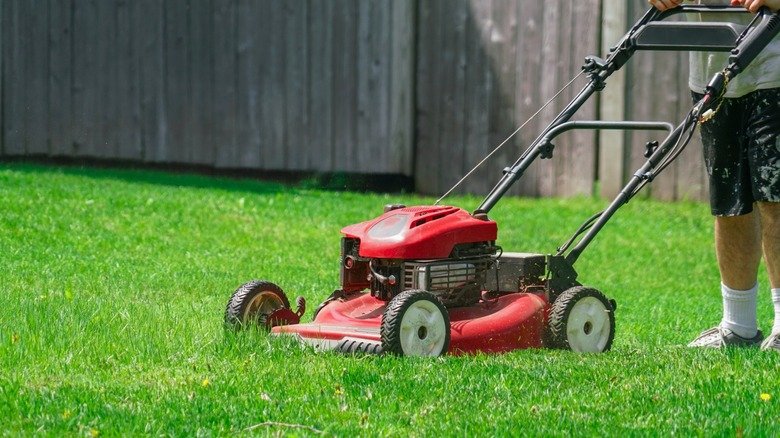
Have you ever stood in front of your lawn mower, fuel can in hand, and wondered, “What petrol should I use?” You’re not alone.
Picking the right petrol for your lawn mower might seem straightforward, but using the wrong type can lead to engine trouble, increased maintenance costs, and even a shorter lifespan for your mower. Imagine effortlessly gliding your mower across your lawn, knowing it’s powered by the best fuel for optimal performance.
By choosing the right petrol, you ensure that your mower runs smoothly, efficiently, and lasts longer. Dive into this guide to discover exactly which petrol will keep your lawn mower—and your lawn—in tip-top shape.
Types Of Petrol For Lawn Mowers
Choosing the right petrol for your lawn mower is more important than many realize. Different types of petrol can impact your mower’s performance, efficiency, and engine health. Understanding the options helps you make smarter choices that save you time and money.
Unleaded Petrol
Unleaded petrol is the most common fuel for lawn mowers. It’s widely available and free from harmful lead additives, which helps protect your engine and the environment.
Most modern lawn mowers are designed to run smoothly on unleaded petrol with an octane rating of 87 or higher. Using unleaded petrol reduces the risk of engine knocking and keeps the mower running efficiently.
Ethanol-blended Fuels
Ethanol-blended petrol, often labeled as E10 or E15, contains a percentage of ethanol mixed with regular petrol. While ethanol helps reduce emissions, it can attract moisture and cause problems if the mower is stored for long periods.
If you rarely use your mower, consider ethanol-free petrol to avoid gum and corrosion inside the engine. Ask yourself: is convenience worth the potential maintenance headaches?
Premium Vs Regular Petrol
Premium petrol has a higher octane rating than regular petrol. Some users think premium fuel improves mower performance, but that’s not always true.
Check your mower’s manual to see what octane rating it requires. Using premium petrol in a mower designed for regular petrol usually doesn’t provide noticeable benefits and can be an unnecessary expense.
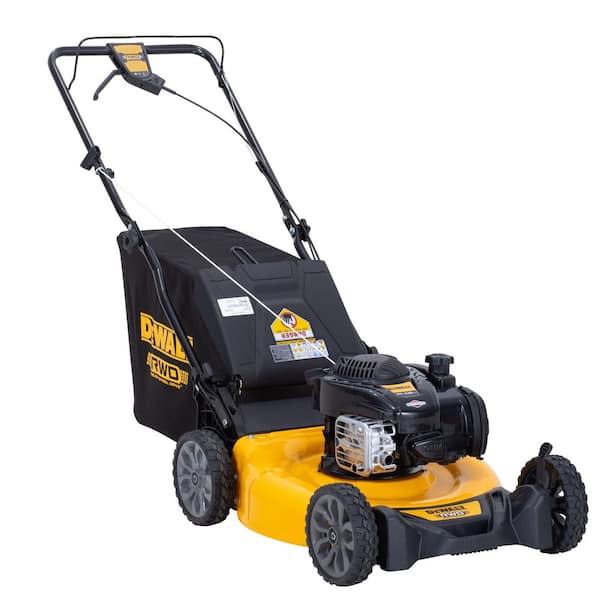
Credit: www.homedepot.com
Recommended Fuel For Different Mowers
Choosing the right fuel for your lawn mower is key to its performance and lifespan. Different mowers need specific types of petrol or fuel mixtures to run smoothly. Using the correct fuel helps reduce engine wear and avoids costly repairs. Below are the recommended fuels for common types of lawn mowers.
2-stroke Engines
2-stroke engines need a mix of petrol and oil. This mix lubricates the engine parts while running. The usual ratio is 50:1 petrol to oil, but check your mower’s manual. Use high-quality 2-stroke oil for cleaner burning and less smoke. Never use pure petrol in these engines, as it can cause damage.
4-stroke Engines
4-stroke engines run on regular unleaded petrol only. These engines have a separate oil reservoir, so mixing oil with petrol is not necessary. Use petrol with an octane rating of 87 or higher for best results. Avoid using fuel with more than 10% ethanol to protect engine parts.
Electric Vs Petrol Mowers
Electric mowers do not need petrol at all. They run on rechargeable batteries or power cords. Petrol mowers offer more power and mobility but require fuel care. Electric mowers are quieter and produce no emissions. Choose petrol mowers for large yards and electric for small spaces.
Fuel Quality And Its Impact
Fuel quality plays a crucial role in how well your lawn mower performs and how long it lasts. Using the right petrol with good quality can prevent engine problems and save you money on repairs. Poor fuel can clog carburetors, reduce power, and even cause your mower to stall unexpectedly.
Octane Ratings
Choosing petrol with the correct octane rating is essential for your lawn mower’s engine. Most lawn mowers run well on regular unleaded petrol with an octane rating of 87. Using a higher octane fuel than recommended usually doesn’t improve performance but can cost more.
Check your mower’s manual to know the recommended octane. Using a lower rating can cause knocking, which damages the engine over time. Have you ever noticed your mower sputtering or making unusual noises? That might be a sign of incorrect octane fuel.
Avoiding Contaminants
Contaminants like dirt, water, and old fuel can harm your mower’s engine. Water in petrol leads to rust and poor combustion, while dirt clogs fuel filters and carburetors. Always use clean, fresh petrol to keep your mower running smoothly.
One tip is to fill your mower’s tank from a clean container, not directly from a gas can that’s been sitting outside. Have you ever had to clean out a clogged carburetor? Avoiding contaminants can save you from that hassle.
Storage Tips For Fuel
Storing petrol correctly helps maintain its quality and your mower’s performance. Keep fuel in a cool, dry place away from direct sunlight to slow down degradation. Use an approved container with a tight seal to prevent evaporation and contamination.
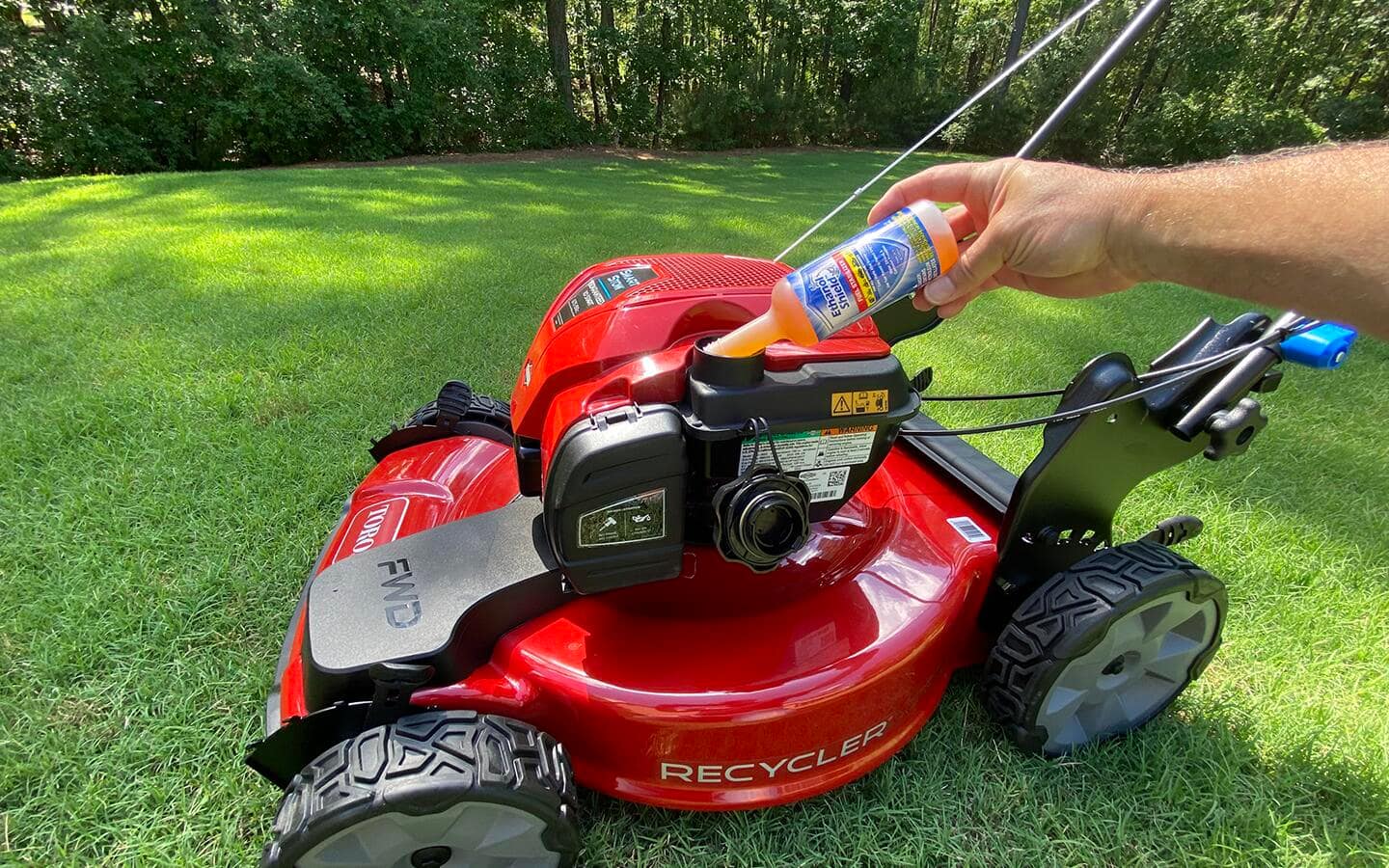
If you don’t use your mower often, consider adding a fuel stabilizer to extend the petrol’s life. How long has your petrol been sitting unused? Old fuel can cause starting problems, so fresh fuel is key for a quick and easy start every season.

Credit: smokeybear.com
Mixing Petrol With Oil
Mixing petrol with oil is essential for lawn mowers that use 2-stroke engines. Unlike 4-stroke engines, these mowers don’t have a separate oil reservoir, so the fuel and oil must be combined before use. Getting this mix right ensures your mower runs smoothly and lasts longer.
Correct Ratios For 2-stroke Engines
The most common petrol-to-oil ratio for 2-stroke lawn mowers is 50:1, meaning 50 parts petrol to 1 part oil. However, some engines require 40:1 or even 32:1, so always check your mower’s manual first. Using too little oil can cause engine damage, while too much can lead to smoke and poor performance.
To mix 50:1, add 20 ml of oil to 1 litre of petrol. For 40:1, use 25 ml of oil per litre. Measuring accurately with a small container or syringe helps avoid mistakes.
Types Of Oil To Use
Use only high-quality 2-stroke engine oil designed for air-cooled engines. Synthetic oils offer better protection and cleaner burning, but standard mineral oils work fine for occasional use. Avoid using automotive or 4-stroke oil, as they don’t mix properly with petrol and can harm your mower.
Some manufacturers also recommend oil labeled “TC-W3” or “JASO FD” for optimal performance. Choosing the right oil reduces carbon buildup and keeps your engine running cool.
Common Mixing Mistakes
- Mixing petrol and oil directly in the mower’s tank – this can cause uneven mixing and poor engine lubrication.
- Using the wrong ratio – this leads to engine knocking or excessive smoke.
- Failing to shake the mixture well – petrol and oil separate quickly, so stir or shake before filling the mower.
- Storing mixed fuel for too long – it loses effectiveness after about 30 days, so prepare only what you need.
Have you ever experienced your mower stalling or smoking a lot? The cause is often a simple mixing error. Taking a few minutes to mix petrol and oil properly saves you from costly repairs and frustration.
Fuel Maintenance Practices
Proper fuel maintenance keeps your lawn mower running smoothly. Fuel can degrade and cause engine problems if not cared for. Regular checks and simple steps help avoid costly repairs. Clean, fresh fuel improves mower performance and extends its life.
Using Fuel Stabilizers
Fuel stabilizers keep gasoline fresh for longer. Add stabilizer to the fuel tank before storing the mower. It stops fuel from breaking down and forming deposits. This prevents clogging and keeps the engine running well. Use stabilizers especially if the mower sits unused for weeks.
Draining Old Fuel
Old fuel loses its power and can damage your mower. Drain the fuel tank before long storage periods. Dispose of the old fuel safely according to local rules. Empty tanks stop gum and varnish buildup inside the mower. Always refill with fresh gasoline before the next use.
Cleaning The Fuel System
A clean fuel system ensures proper fuel flow and engine efficiency. Check fuel lines, filters, and carburetors for dirt and blockages. Replace clogged filters and clean the carburetor if needed. Regular cleaning stops engine stalls and hard starts. It helps your lawn mower work at its best.
Troubleshooting Fuel Issues
Troubleshooting fuel issues in lawn mowers is key to keeping them running smoothly. Fuel problems often cause common mower troubles. Recognizing these problems early can save time and money. Understanding the signs of bad fuel helps prevent damage. Knowing how bad fuel affects performance allows quick action. Replacing fuel at the right time ensures the mower works well.
Signs Of Bad Fuel
- Engine won’t start or struggles to start
- Rough idling or stalling during use
- Strong smell of fuel around the mower
- Black smoke coming from the exhaust
- Fuel looks cloudy or has particles inside
Effects On Performance
Bad fuel reduces engine power and speed. The mower may hesitate or jerk while cutting. Increased fuel consumption occurs with poor fuel quality. Engine parts can wear out faster due to deposits. Frequent stalling interrupts mowing and causes frustration. Poor performance lowers overall mowing efficiency.
When To Replace Fuel
- Fuel stored longer than 30 days loses quality
- After winter storage, always replace old fuel
- If fuel smells sour or looks discolored
- When mower shows signs of poor engine performance
- After adding fuel stabilizer, follow recommended times
Credit: www.homedepot.com
Frequently Asked Questions
What Type Of Petrol Is Best For Lawn Mowers?
Regular unleaded petrol with an octane rating of 87 or higher is ideal for most lawn mowers. Avoid using premium or diesel fuels, as they can harm the engine or reduce performance.
Can I Use Ethanol-free Petrol In My Lawn Mower?
Yes, ethanol-free petrol is preferred for lawn mowers. It prevents engine damage and keeps fuel systems clean, ensuring longer engine life and better performance.
Is Mixing Oil With Petrol Necessary For Lawn Mowers?
Mixing oil with petrol is only needed for 2-stroke engines. For 4-stroke engines, use straight petrol and add oil separately as instructed.
How Long Can Petrol Be Stored For Lawn Mowers?
Petrol can be stored up to one month safely. Use fuel stabilizers to extend storage life and avoid engine problems from stale petrol.
Conclusion
Petrol for lawn mowers must be clean and fresh. Use regular unleaded petrol with no more than 10% ethanol. Avoid old or contaminated fuel to keep engines running well. Always check your mower’s manual for the right fuel type. Proper petrol helps your mower start easily and work smoothly.
Taking care of your mower fuel saves time and money. Keep your lawn mower ready for every mowing job. Simple steps make a big difference in mower performance.





