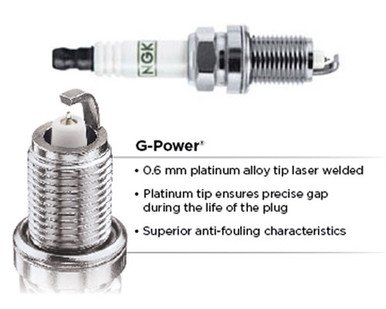
Imagine cruising down the open road, your engine purring smoothly like a contented cat. But what if something disrupts this harmony?
One tiny component can make all the difference – the spark plug gap. You might be wondering, what exactly is this gap, and why should you care? Understanding the spark plug gap is like unlocking a secret code to your car’s engine performance.
It can mean the difference between a smooth ride and a frustrating trip to the mechanic. Dive into this article to discover how mastering this small detail can enhance your driving experience and save you money. Ready to become a savvy car owner? Let’s rev up your knowledge and get started!
Spark Plug Gap Basics
Understanding the spark plug gap is key to keeping engines running smoothly. This gap affects how well the spark ignites the fuel. Small changes in the gap size can make a big difference in engine performance. Let’s explore the basics of spark plug gaps and why they matter.
What Is Spark Plug Gap
The spark plug gap is the distance between two electrodes on a spark plug. It is where the electric spark jumps to ignite the fuel-air mix. This gap size varies by engine type and manufacturer. Too small or too large a gap can cause engine problems.
The gap is measured in thousandths of an inch or millimeters. Mechanics use special tools to set this gap accurately. Proper gap size ensures the spark is strong and consistent.
Why Gap Size Matters
The gap size controls the spark’s strength and timing. A correct gap means better fuel burning and smoother engine running. If the gap is too wide, the spark may be weak or fail. If too narrow, the spark loses energy and can misfire.
Proper gap size helps improve fuel efficiency and reduce emissions. It also prevents engine misfires and rough idling. Setting the right gap leads to better engine power and longer spark plug life.

Credit: www.youtube.com
Effects Of Incorrect Gap
Having the correct spark plug gap is more than just a technical detail; it directly affects how your engine runs. An incorrect gap can cause a range of issues that might seem unrelated to the spark plugs at first. Understanding these effects helps you spot problems early and maintain your vehicle’s health effectively.
Impact On Engine Performance
An incorrect spark plug gap can cause weak or inconsistent sparks. This leads to misfires, which reduce your engine’s power and smoothness. You might notice your car hesitating during acceleration or lacking the usual punch on the road.
Worse, if the gap is too wide, the spark may fail to jump across the electrodes, causing the engine to stall unexpectedly. Too narrow a gap can create a weak spark that doesn’t ignite the air-fuel mixture efficiently. Have you ever felt your car stutter without warning? The spark plug gap might be the culprit.
Fuel Efficiency And Emissions
Incorrect gaps affect how completely the fuel burns inside the cylinders. Poor combustion leads to wasted fuel and higher emissions. This means you spend more at the pump and contribute more pollution to the environment.
Imagine trying to light a campfire with damp wood—it won’t burn well, right? A bad spark plug gap is similar; it prevents the fuel from burning cleanly. Fixing the gap can improve your miles per gallon and lower harmful exhaust gases.
Starting And Idling Issues
A wrong gap can make starting your engine a frustrating experience. You may find your car struggles to start on cold mornings or stalls frequently when idling. This happens because the spark isn’t strong enough to ignite the fuel mixture reliably.
During idling, the engine needs consistent firing to keep running smoothly. If your spark plug gap isn’t right, you might hear rough or uneven engine sounds. Have you experienced rough idling that disappears after the engine warms up? Checking the gap could solve this mystery.
How To Measure The Gap
Measuring the spark plug gap is important for engine performance. The gap controls the spark size, which affects fuel combustion. Too small or too large a gap can cause misfires or poor fuel economy. Knowing how to measure it helps keep your engine running smoothly.
Tools Needed
- Feeler gauge or spark plug gap tool
- Flat surface or workbench
- Gloves (optional for safety)
- Owner’s manual or spark plug specification sheet
Step-by-step Measurement
- Clean the spark plug tip to remove dirt and deposits.
- Check the recommended gap size in the owner’s manual.
- Insert the feeler gauge blade into the gap between electrodes.
- The blade should slide with slight resistance.
- If the blade is too loose or tight, adjust the gap carefully.
- Use the tool’s curved tip to bend the side electrode gently.
- Recheck the gap until it matches the recommended size.
When To Check The Gap
- Before installing new spark plugs.
- During regular vehicle maintenance.
- If the engine runs rough or misfires.
- After long periods of use or high mileage.
- When switching to a different spark plug brand or model.
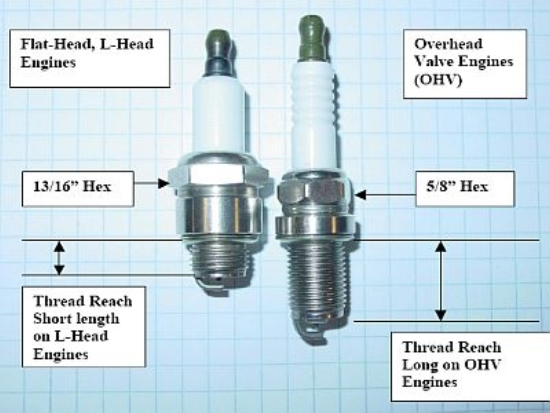
Credit: www.vanguardpower.com
Adjusting The Spark Plug Gap
Adjusting the spark plug gap is a crucial task that impacts your engine’s performance and fuel efficiency. The gap refers to the distance between the center and ground electrodes of the spark plug. If this gap is too wide or too narrow, the spark may not ignite the fuel-air mixture properly, causing misfires or poor engine running.
Properly adjusting the gap ensures a strong, consistent spark, which helps your engine run smoothly. It’s a simple step, but it requires care and precision to avoid damaging the plug or affecting its function. Have you ever wondered how to adjust the gap without risking harm to your spark plugs?
Safe Gap Adjustment Techniques
Start by checking the manufacturer’s recommended gap size for your vehicle. Use a feeler gauge to measure the gap accurately. This tool slides between the electrodes and shows the exact distance.
To adjust the gap, gently bend the ground electrode. Use a spark plug gap tool or a small flathead screwdriver for this. Move slowly and apply light pressure—small changes make a big difference.
After adjusting, re-measure the gap. Repeat until it matches the recommendation exactly. Remember, too wide a gap can cause hard starts, while too narrow can weaken the spark.
Avoiding Damage To Spark Plugs
Handling spark plugs roughly can break the fragile electrodes or damage the ceramic insulator. Never use pliers or metal tools that can chip or crack the plug.
Always hold the spark plug by the metal shell, not the ceramic part, when adjusting. Applying excessive force can alter the electrode’s shape or cause tiny fractures that lead to premature failure.
After adjustment, avoid touching the electrode with your fingers. Oils and dirt can create hotspots or reduce spark effectiveness. Keep the plugs clean and dry for the best results.
Manufacturer Recommendations
Manufacturer recommendations are your best guide when setting the spark plug gap. These guidelines are based on extensive testing to ensure optimal engine performance and fuel efficiency. Ignoring these specs can lead to misfires, poor mileage, or even engine damage.
Finding The Right Gap Size
Each spark plug comes with a specific gap size suggested by the vehicle or spark plug maker. This gap controls how the spark jumps between the electrodes, igniting the air-fuel mix. Using a gap that’s too wide or too narrow can cause weak sparks or incomplete combustion.
To find the right gap size, check your owner’s manual or the spark plug packaging. Sometimes, the recommended gap is listed on a sticker under the hood or in the service manual. If you can’t find it, visiting the manufacturer’s website can also help.
Variations By Vehicle Type
Not all vehicles use the same spark plug gap. High-performance cars often require a wider gap for a stronger spark, while regular passenger vehicles use smaller gaps for smoother running. Diesel engines typically don’t use spark plugs at all, relying on compression for ignition instead.
Motorcycles, trucks, and older cars may have different gap sizes even within the same brand. This means you must always check your specific model’s recommendation rather than assuming one size fits all. Have you ever experienced engine hesitation because of a wrong gap? Adjusting it to the recommended size can solve that instantly.
Signs Of Worn Or Faulty Spark Plugs
Recognizing the signs of worn or faulty spark plugs can save you from costly repairs and frustrating breakdowns. Spark plugs play a vital role in your engine’s performance, and when they start to fail, your vehicle will let you know in several clear ways. Paying attention to these signals helps you maintain smooth running and better fuel efficiency.
Common Symptoms
- Engine Misfires:Your engine may hesitate or jerk during acceleration. This happens because the spark plugs fail to ignite the fuel-air mixture properly.
- Poor Fuel Economy:If you notice you’re filling up the tank more often, worn spark plugs could be the culprit. They cause incomplete combustion, wasting fuel.
- Difficulty Starting:Hard starts or extended cranking can indicate spark plug issues. Faulty plugs struggle to create a strong enough spark to ignite the engine.
- Rough Idle:Your engine may feel shaky or uneven when idling. This happens due to inconsistent firing of the spark plugs.
- Reduced Acceleration:If your vehicle feels sluggish or less responsive, worn plugs might be limiting your power output.
When To Replace Spark Plugs
Not all spark plugs wear out at the same rate, so it’s important to check your vehicle’s manual for recommended intervals. Generally, spark plugs should be inspected every 30,000 to 50,000 miles, but some modern plugs last up to 100,000 miles.
If you experience any of the symptoms above consistently, don’t wait for a breakdown. Replacing spark plugs at the right time prevents further engine damage and keeps your ride smooth.
Have you ever noticed your car stalling or hesitating and ignored it? That delay can cost you more in repairs down the road. Stay ahead by keeping an eye on these signs and acting promptly.
Tips For Maintaining Spark Plug Health
Maintaining the health of your spark plugs is key to keeping your engine running smoothly and efficiently. Neglecting them can lead to poor fuel economy, rough idling, and even engine misfires. Taking simple steps to care for your spark plugs can save you time and money on repairs.
Regular Inspection
Check your spark plugs at regular intervals to catch issues early. Look for signs like carbon buildup, worn electrodes, or cracked insulators. These problems can affect the spark plug gap and reduce performance.
Use a spark plug gauge to measure the gap and compare it to your vehicle’s specifications. If the gap is off, adjust it carefully to restore optimal spark. Remember, a gap that’s too wide or too narrow can cause misfires or inefficient combustion.
Choosing Quality Spark Plugs
Not all spark plugs are created equal. Investing in high-quality plugs designed for your engine model ensures better durability and consistent performance. Cheaper plugs might save money initially but could wear out faster or cause engine issues.
Consider options like iridium or platinum spark plugs if your vehicle supports them; they tend to last longer and maintain their gap better. Have you ever switched to a premium spark plug and noticed an immediate improvement in engine smoothness? That experience highlights how much quality matters.

Credit: www.theengineeringchoice.com
Frequently Asked Questions
What Is The Ideal Spark Plug Gap Size?
The ideal spark plug gap size varies by engine type. Typically, it ranges from 0. 028 to 0. 060 inches. Correct gap ensures efficient ignition and optimal engine performance. Always check your vehicle’s manual for the precise measurement.
How Does Spark Plug Gap Affect Engine Performance?
A correct spark plug gap ensures a strong spark for combustion. If the gap is too wide, ignition weakens, causing misfires. Too narrow a gap leads to incomplete combustion. Proper gap improves fuel efficiency and reduces emissions.
How To Measure The Spark Plug Gap Accurately?
Use a feeler gauge to measure the spark plug gap. Insert the gauge blade between the electrodes gently. The blade should slide with slight resistance. Adjust the gap by carefully bending the ground electrode if needed.
Can Incorrect Spark Plug Gap Damage The Engine?
Yes, an incorrect spark plug gap can cause misfires and poor combustion. This leads to reduced power, increased fuel consumption, and potential engine damage. Maintaining the correct gap protects engine health and improves overall performance.
Conclusion
The spark plug gap affects how your engine runs every day. A correct gap helps the spark jump easily and burn fuel well. Too small or too big gaps cause poor engine performance and more fuel use. Checking and setting the gap right keeps your car smooth and saves money.
Simple tools can measure the gap quickly. Remember, small steps make a big difference in car care. Keep your spark plugs in good shape for better driving and longer engine life.





