Have you ever noticed your car acting up without warning? Maybe it’s struggling to start, or you feel a sudden drop in power while driving.
These could be signs that your spark plugs are going bad. Spark plugs play a crucial role in keeping your engine running smoothly. When they fail, your car’s performance suffers—and so does your peace of mind. You’ll discover exactly what happens when spark plugs go bad, how to spot the warning signs early, and why fixing them quickly can save you time and money.
Keep reading to protect your ride and avoid unexpected breakdowns.
Credit: www.youtube.com
Common Spark Plug Problems
Understanding common spark plug problems can save you from unexpected car troubles. Spark plugs play a crucial role in engine performance, and any issue with them affects your ride. Let’s look at some typical problems that occur and how they impact your vehicle.
Worn Electrodes
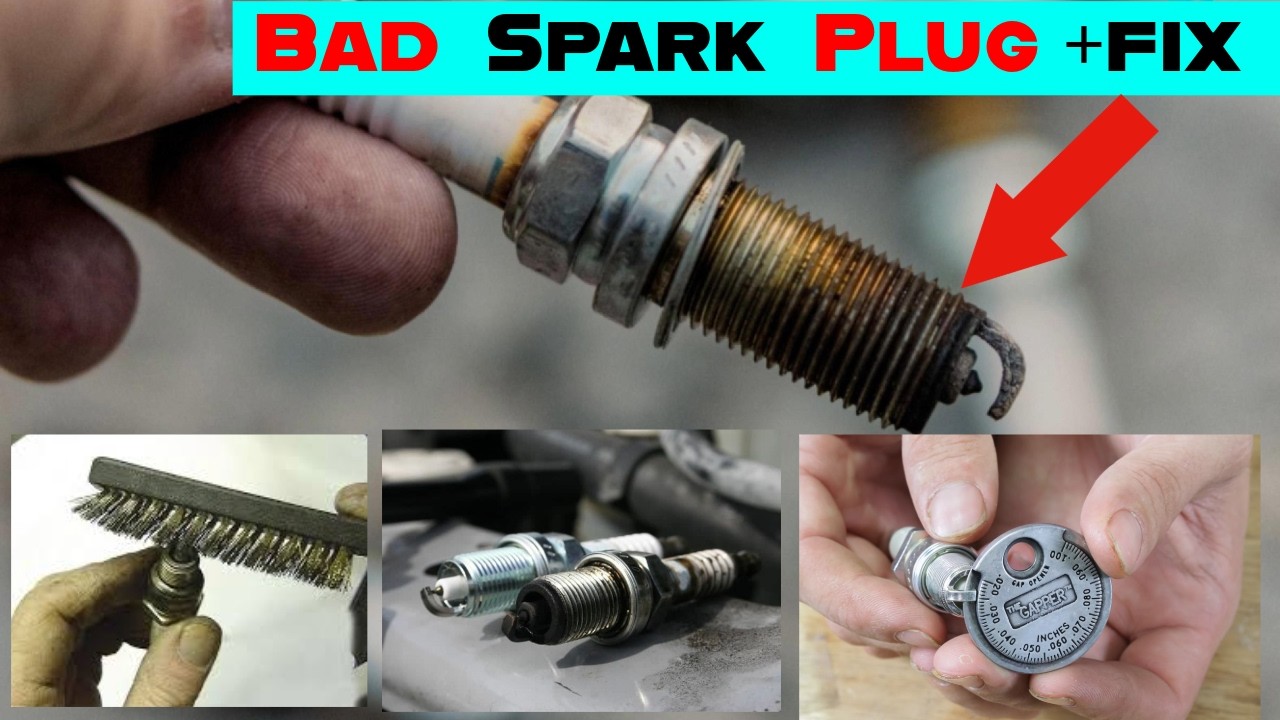
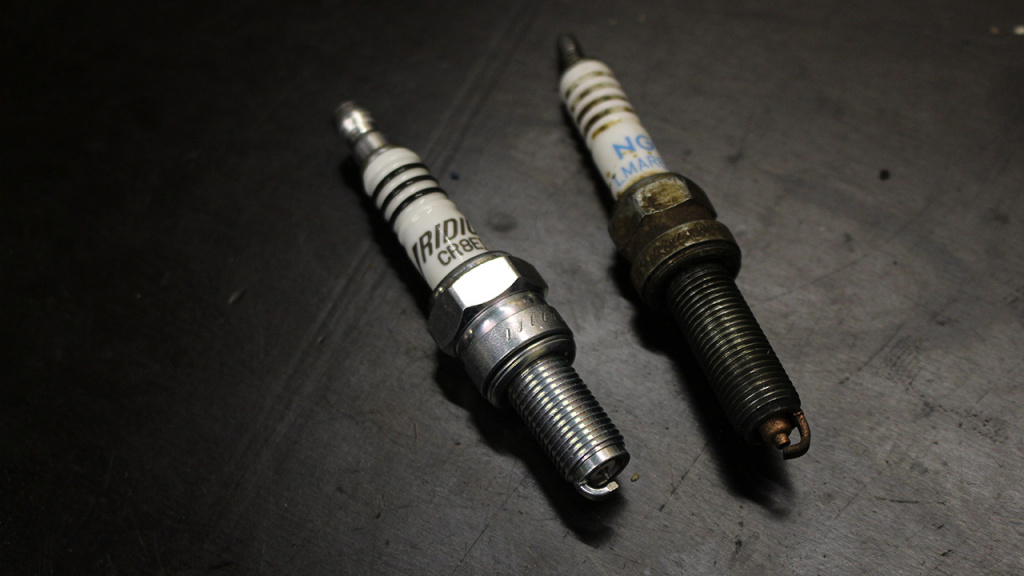
Electrodes wear down over time due to constant sparking. When they become too thin or rounded, the spark weakens, causing misfires and rough idling. Have you noticed your engine struggling or losing power? It might be time to inspect those electrodes.
Carbon Deposits
Carbon buildup on spark plugs happens when the engine runs too rich or doesn’t burn fuel completely. These deposits block the spark and reduce efficiency, leading to poor fuel economy. Cleaning or replacing your plugs can restore smooth engine performance.
Overheating
Excessive heat damages spark plugs by melting the electrode or cracking the insulator. Overheating often results from wrong plug heat range or engine issues like timing problems. If your engine feels hotter than usual, check if your spark plugs are coping with the temperature.
Cracked Insulator
The ceramic insulator around the spark plug can crack from physical damage or extreme heat. Cracks cause misfires because the spark leaks out instead of igniting the fuel-air mix. Have you ever tapped a spark plug during maintenance and noticed tiny cracks? That’s a sign to replace it immediately.

Credit: www.reddit.com
Symptoms Of Bad Spark Plugs
Bad spark plugs cause several noticeable problems in your car’s performance. These parts ignite the air-fuel mix in the engine. When they fail, the engine cannot run smoothly. Watching for signs helps catch issues early. Here are common symptoms of bad spark plugs to watch for.
Engine Misfires
Misfires happen when spark plugs fail to ignite fuel properly. The engine feels jerky or rough while running. You may hear popping sounds or shaking. This can cause damage if ignored over time.
Poor Fuel Economy
Worn spark plugs reduce fuel efficiency. The engine burns more fuel to compensate for weak sparks. This leads to more frequent visits to the gas station. Lower mileage per gallon is a clear warning sign.
Difficulty Starting
Bad spark plugs make starting the engine harder. The spark needed to ignite fuel weakens or disappears. This causes longer cranking times or no start at all. Cold mornings often highlight this problem.
Rough Idling
The engine may idle unevenly or stall at stoplights. This happens because the spark plugs cannot keep combustion steady. You might feel vibrations or hear irregular engine noise. It’s a sign to check the plugs soon.
Lack Of Acceleration
Cars with bad spark plugs often lag when accelerating. The engine struggles to produce enough power. You feel the delay or hesitation when pressing the gas pedal. This loss of power affects driving safety and comfort.
Effects On Engine Performance
Bad spark plugs can seriously affect how your engine runs. They disrupt the smooth firing of the engine, causing noticeable changes in performance. Understanding these effects helps you spot problems early and avoid costly repairs.
Reduced Power Output
Your engine relies on spark plugs to ignite the fuel-air mixture. When spark plugs wear out or fail, the ignition becomes weak or inconsistent. This leads to slower acceleration and less overall power.
You might feel your car struggling on hills or during overtaking maneuvers. Have you noticed your vehicle not responding like it used to? That’s often the first sign of spark plug issues.
Increased Emissions
Faulty spark plugs cause incomplete combustion inside the engine. This incomplete burning produces more pollutants like carbon monoxide and unburned hydrocarbons.
Cars with bad spark plugs often fail emissions tests. If you care about the environment and want to avoid fines, keeping your spark plugs in good shape is crucial.
Engine Damage Risks
Ignoring bad spark plugs can lead to bigger engine problems. Misfires caused by bad plugs create extra stress on the engine components.
This stress can cause damage to the catalytic converter and even lead to engine knocking. Have you ever experienced rough idling or strange noises? These could be early warnings that your engine is under strain.
Inspection And Diagnosis
Inspecting and diagnosing spark plugs is key to keeping your engine running smoothly. Faulty spark plugs cause poor engine performance, hard starts, and lower fuel efficiency. Early detection helps avoid bigger problems.
Inspection starts with a close look at the spark plugs. Certain tools can provide deeper insights. Knowing when to seek professional help saves time and money.
Visual Spark Plug Check
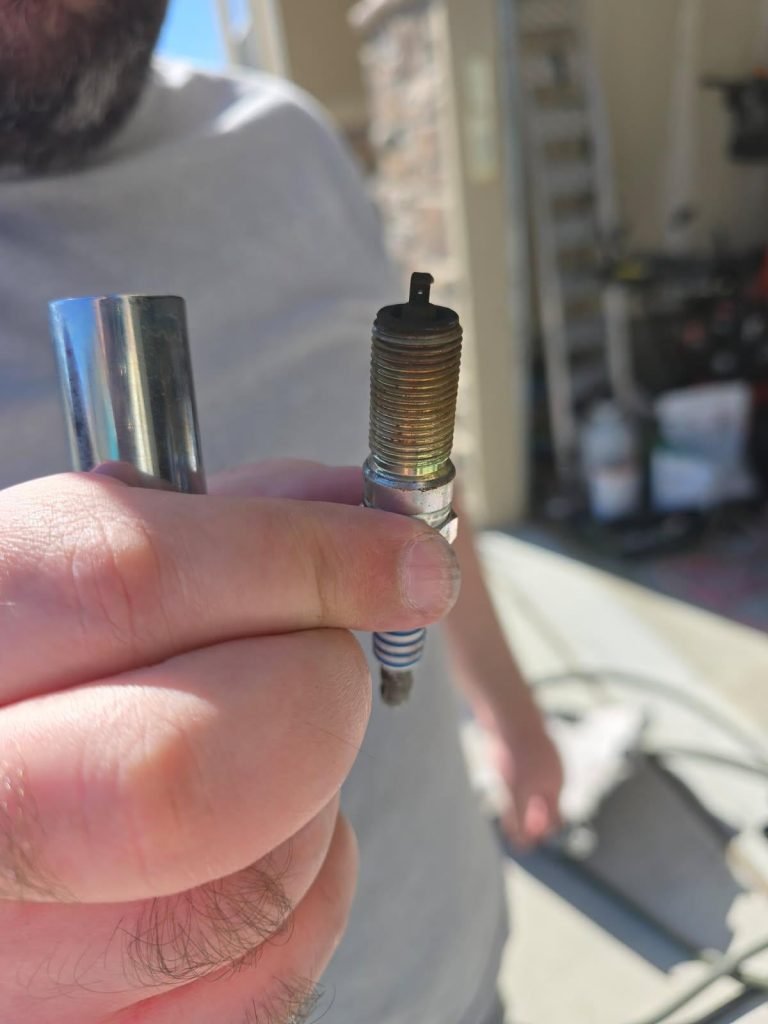
Remove the spark plug carefully. Examine the tip and electrode for damage or wear. Look for signs like:
- Black soot, indicating carbon buildup
- Oily residue, showing oil leaks
- White deposits, caused by overheating
- Cracked or chipped insulator
- Worn electrodes
Compare the spark plug’s condition to the vehicle manual standards. This simple check reveals many common issues.
Using Diagnostic Tools
Advanced tools can identify spark plug problems beyond visual checks. A multimeter measures spark plug resistance. High resistance means a weak plug.
OBD-II scanners read engine error codes. Codes related to misfires often point to spark plugs. These tools give precise information for diagnosis.
When To Consult A Mechanic
Complex issues need professional attention. A mechanic can test spark plug gaps and ignition systems. They use specialized tools for thorough checks.
Persistent engine misfires or poor performance after replacing spark plugs require expert diagnosis. Trust a mechanic to fix hard-to-find problems safely.
Repair And Replacement Options
When spark plugs start to fail, deciding how to fix the problem quickly can save your engine from further damage. Repair and replacement options vary depending on your comfort level with car maintenance, budget, and the type of vehicle you drive. Understanding these options helps you make a smart choice and keeps your car running smoothly.
Choosing The Right Spark Plug
Not all spark plugs are created equal. Your vehicle’s manual usually recommends specific types based on engine design and performance needs. Using the wrong spark plug can cause poor fuel economy or engine misfires.
Consider factors like heat range, electrode type, and gap size. Iridium and platinum spark plugs last longer but cost more upfront. Copper plugs might be cheaper but wear out faster. Ask yourself: Are you aiming for long-term reliability or a quick, budget-friendly fix?
Diy Replacement Tips
Replacing spark plugs yourself can save money and give you a sense of accomplishment. Make sure you have the right tools, including a spark plug socket, a ratchet, and a gap gauge. Work on a cool engine to avoid burns and follow safety precautions.
Remember to check the gap on new plugs and adjust if necessary. Tighten the plugs to the manufacturer’s torque specification to prevent damage. If you’ve never done it before, watching a few tutorial videos can make the process less intimidating.
Professional Service Benefits
Sometimes, leaving the job to a professional is the safer, smarter choice. Mechanics can spot related issues like worn ignition coils or dirty fuel injectors during a spark plug replacement. This can save you money by addressing problems early.
Professionals also have specialized tools and expertise to handle tricky engines or difficult-to-reach plugs. If your vehicle is under warranty, professional service might be required to keep it valid. Have you considered how much time and stress you might avoid with expert help?
Preventive Maintenance Tips
Preventive maintenance keeps spark plugs healthy and your engine running smoothly. Checking and caring for spark plugs avoids costly repairs. Small efforts protect your vehicle’s performance and fuel efficiency. These tips help you maintain spark plugs effectively.
Regular Inspection Schedule
Inspect spark plugs every 30,000 miles or as your car manual suggests. Look for signs like worn electrodes, carbon buildup, or cracks. Clean or replace plugs to prevent engine misfires. Regular checks catch problems early and save money.
Fuel Quality Impact
Use high-quality fuel to reduce spark plug deposits. Poor fuel causes carbon buildup and fouling. Avoid cheap or contaminated gasoline to extend spark plug life. Quality fuel improves engine combustion and spark plug efficiency.
Driving Habits That Help
Drive your car regularly to keep spark plugs working well. Avoid frequent short trips that prevent full engine warm-up. Gentle acceleration and steady speeds reduce spark plug stress. Smooth driving habits support longer spark plug life.
Credit: finntrail.com
Frequently Asked Questions
What Are The Signs Of Bad Spark Plugs?
Bad spark plugs cause engine misfires, rough idling, and poor acceleration. You may also notice decreased fuel efficiency and difficulty starting the engine.
How Do Bad Spark Plugs Affect Car Performance?
Worn spark plugs reduce engine power and fuel economy. They cause uneven combustion, leading to rough rides and increased emissions.
Can Bad Spark Plugs Damage The Engine?
Yes, bad spark plugs can cause misfires that stress engine components. Prolonged issues may lead to costly repairs and decreased engine lifespan.
How Often Should Spark Plugs Be Replaced?
Spark plug replacement depends on your vehicle and plug type. Typically, replace them every 30,000 to 100,000 miles for optimal performance.
Conclusion
Bad spark plugs can cause many car issues. Reduced engine performance. Poor fuel efficiency. Hard starts in cold weather. These are common signs. Regular maintenance helps prevent these problems. Checking spark plugs often is key. It ensures your car runs smoothly.
Ignoring faulty plugs can lead to bigger repairs. And more costs. Keeping your spark plugs in good shape is simple. This keeps your car reliable. Safety on the road improves too. A small check can save you trouble. And keep your car running well.
Always prioritize regular car check-ups. Your vehicle will thank you.