Have you ever wondered what new spark plugs can do for your car? If your engine feels sluggish or your fuel efficiency has dropped, the problem might be closer than you think.
New spark plugs don’t just help your car start—they can boost your engine’s performance, save you money on gas, and even reduce harmful emissions. Keep reading to find out exactly how new spark plugs can make a big difference in your driving experience.

Credit: www.aftermarketnews.com
Role Of Spark Plugs
The role of spark plugs in your vehicle is often underestimated, yet they are crucial for engine performance. These small components create the spark needed to ignite the air-fuel mixture inside the engine cylinders. Without a properly functioning spark plug, your engine can misfire, lose power, or even fail to start.
Spark Plug Function In Engines
Spark plugs act as the ignition source for your engine’s combustion process. When your engine’s piston compresses the air-fuel mix, the spark plug produces a tiny but powerful electrical spark. This spark ignites the mixture, causing a controlled explosion that pushes the piston down and powers your car.
Think about the last time your car hesitated or stalled at a traffic light. That could have been a sign of worn-out spark plugs. By ensuring your spark plugs are new and functioning, you help maintain smooth engine operation and better fuel efficiency.
Types Of Spark Plugs
Spark plugs come in several types, each designed to meet different engine needs and driving conditions. The most common types include:
- Copper Spark Plugs:Affordable and excellent for older vehicles, but wear out faster.
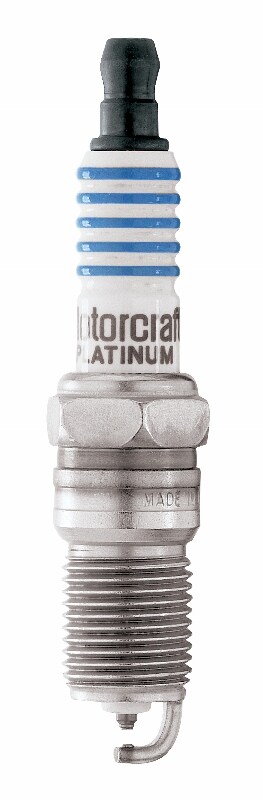
- Platinum Spark Plugs:Last longer than copper and provide better performance for modern engines.
- Iridium Spark Plugs:Known for durability and superior ignition, ideal for high-performance vehicles.
Choosing the right spark plug depends on your car’s make and how you drive. Have you ever checked your owner’s manual to see which spark plug type is recommended? Using the correct type can improve how your engine starts and runs every day.
Signs Of Worn Spark Plugs
Worn spark plugs affect your car’s engine in many ways. They cause poor engine starts and rough idling. Knowing the signs helps fix issues early and keeps the engine running smoothly. Below are clear signs that spark plugs may need replacement.
Common Symptoms
- Engine misfires or runs unevenly
- Hard starting or slow starts
- Reduced fuel efficiency
- Engine hesitation during acceleration
- Increased exhaust emissions
- Unusual engine noises like knocking
Impact On Vehicle Performance
Worn spark plugs reduce the engine’s power output. The car may feel sluggish or less responsive. Fuel burns less efficiently, causing higher consumption. Emission levels rise, which can fail emissions tests. The engine may stall or hesitate under load. Regular spark plug checks improve vehicle reliability and smoothness.
Performance Boost From New Spark Plugs
Installing new spark plugs can give your car a noticeable performance boost. These small components play a big role in how efficiently your engine runs. You might not realize how much a simple change can improve your vehicle’s overall power and responsiveness until you experience it firsthand.
Improved Combustion
New spark plugs create a stronger, more consistent spark. This helps ignite the air-fuel mixture in the engine’s cylinders more completely.
Better combustion means your engine burns fuel more efficiently. You’ll likely see smoother acceleration and better fuel economy as a result.
Have you ever noticed your engine hesitating or feeling sluggish? Worn-out spark plugs often cause this by producing weak sparks that don’t fully ignite the fuel.
Enhanced Engine Power
Fresh spark plugs can restore lost engine power. They ensure that each cylinder fires correctly, delivering the right amount of energy for optimal performance.
With new plugs, your car responds quicker when you press the gas pedal. This improvement might surprise you if your vehicle has been feeling underpowered lately.
Think about how often you rely on your car’s power during daily driving or on the highway. Upgrading your spark plugs can help your engine perform at its best when you need it most.

Credit: beachautomotive.com
Fuel Efficiency Improvements
New spark plugs play a key role in improving fuel efficiency. They help the engine burn fuel more completely. This means the engine uses less fuel for the same power. Better fuel efficiency saves money and reduces trips to the gas station.
Better Fuel Burn
Fresh spark plugs create a strong spark. This spark ignites the fuel-air mix evenly. Complete ignition means more power from less fuel. Old or dirty spark plugs can cause weak sparks. This leads to wasted fuel and lower engine performance.
With new spark plugs, combustion is smoother and faster. The engine runs cleaner and uses fuel wisely. Drivers notice better mileage and smoother starts.
Reduced Emissions
Efficient fuel burning lowers harmful emissions. New spark plugs help reduce unburned fuel in exhaust gases. This means fewer pollutants released into the air. Cleaner combustion supports a healthier environment.
Regular spark plug replacement helps keep your car eco-friendly. It also ensures your vehicle meets emission standards. This can prevent costly repairs or fines later on.
Choosing The Right Spark Plugs
Choosing the right spark plugs is key for your vehicle’s performance. New spark plugs help your engine start easier and run smoother. Picking the correct type affects fuel efficiency, power, and engine life.
Different spark plugs fit different engines. The wrong choice can cause misfires or damage. Understanding your options makes the selection simple and effective.
Material Options
Spark plugs come in various materials. Each offers unique benefits and durability.
- Copper:Good conductor and budget-friendly. Lasts around 20,000 miles.
- Platinum:More durable than copper. Can last up to 60,000 miles.
- Iridium:Stronger and lasts longest, often over 100,000 miles. Ideal for high-performance engines.
Choosing the right material depends on your driving habits and budget.
Compatibility With Vehicle
Each vehicle needs specific spark plugs. Check the owner’s manual for recommended types.
Key factors include:
- Thread size and length
- Heat range
- Gap size
Using plugs designed for your engine ensures proper ignition and avoids damage.
Installation Tips
Installing new spark plugs can improve your engine’s performance and fuel efficiency. Proper installation is key to getting the best results. Follow simple tips to ensure your spark plugs work well and last longer.
When To Replace
Check your vehicle’s manual for recommended spark plug replacement intervals. Signs that spark plugs need replacing include:
- Engine misfires or rough idling
- Reduced fuel economy
- Difficulty starting the engine
- Loss of power during acceleration
Inspect spark plugs visually for worn or damaged electrodes. Replace them if the tips look eroded or covered with deposits.
Diy Vs Professional Installation
Installing spark plugs yourself saves money and offers hands-on experience. Basic tools like a spark plug socket and a torque wrench are needed. Take care to:
- Set the correct gap between electrodes
- Clean the spark plug hole before installation
- Tighten plugs to the recommended torque
Professional installation ensures proper handling and checks for related engine issues. Choose experts if unsure about the process or if your engine is complex.
Maintenance For Longevity
Maintaining new spark plugs is key to extending their life and ensuring your engine runs smoothly. Regular care prevents buildup and damage, which can affect performance. Simple maintenance helps avoid costly repairs and keeps fuel efficiency high.
Cleaning And Inspection
Clean spark plugs remove dirt and carbon deposits that block sparks. Use a soft brush or spark plug cleaner for gentle cleaning. Avoid harsh tools that can damage the plug’s surface.
Inspect each plug for wear and cracks. Check the electrode for erosion or buildup. Replace any spark plugs that show signs of damage or heavy wear to keep the engine firing properly.
Signs To Check Regularly
- Engine misfires or rough idling
- Hard starts or slow acceleration
- Reduced fuel efficiency
- Unusual engine noises
- Visual damage on the spark plug
Regular checks catch problems early, before they affect your car’s performance. Spotting these signs helps maintain spark plug health and engine reliability.
Credit: www.billcolwellford.com
Frequently Asked Questions
What Do New Spark Plugs Improve In A Car?
New spark plugs improve engine performance, fuel efficiency, and smooth idling. They provide better ignition, reducing misfires and emissions. This results in a more reliable and responsive driving experience.
How Often Should Spark Plugs Be Replaced?
Spark plugs should be replaced every 30,000 to 100,000 miles. The exact interval depends on the vehicle and spark plug type. Regular replacement prevents engine problems and maintains optimal performance.
Can New Spark Plugs Save Fuel?
Yes, new spark plugs enhance fuel efficiency by ensuring complete fuel combustion. This reduces wasted fuel and lowers emissions, helping you save money and protect the environment.
What Symptoms Indicate Worn Spark Plugs?
Worn spark plugs cause engine misfires, rough idling, poor acceleration, and increased fuel consumption. If your car shows these signs, it’s time to inspect or replace the spark plugs.
Conclusion
New spark plugs improve your vehicle’s performance. They ensure efficient fuel combustion. This leads to better engine power. Plus, they reduce emissions, helping the environment. Regularly replacing spark plugs can boost fuel efficiency. This saves money on gas over time.
New plugs also contribute to smoother engine starts. This enhances overall driving experience. Prioritize regular maintenance for optimal vehicle health. Keep your car running smoothly and efficiently. Investing in new spark plugs pays off in the long run. They are a simple yet vital component for car performance.