Ever wondered what that strange noise coming from your car might be? You’re not alone.
When your vehicle starts acting up, it can be a cause for concern, especially if you’re not sure what’s going on under the hood. One of the common culprits? A bad spark plug. But what does a bad spark plug sound like, and how can you tell if that’s the issue?
By understanding the telltale sounds and signs, you can save time, money, and frustration. Dive into this article to uncover the secrets of your car’s audio clues and ensure your ride remains smooth and reliable. Don’t let an unfamiliar noise ruin your day—find out if your spark plugs are the problem.
Common Noises Of Bad Spark Plugs
Recognizing the common noises of bad spark plugs can save you from costly repairs and unexpected breakdowns. Your car’s engine communicates problems through sounds, and spark plugs are often the source of strange noises. Paying attention to these hints helps you act quickly and keep your vehicle running smoothly.
Popping And Backfiring Sounds
Popping noises often occur when spark plugs fail to ignite the fuel-air mixture properly. You might hear sharp pops coming from the exhaust or intake. Backfiring, a louder and more alarming sound, happens when unburned fuel ignites outside the combustion chamber. This is a clear sign your spark plugs need inspection.
Rattling And Knocking
If your engine sounds like it’s rattling or knocking, poor spark plug performance could be the culprit. These noises happen when the combustion process is uneven or delayed, causing vibrations inside the engine. Have you noticed this sound during acceleration? It’s a warning you shouldn’t ignore.
Sputtering And Misfiring
Sputtering feels like your engine is struggling to maintain power, often accompanied by jerky movements. Misfires occur when one or more spark plugs fail to ignite the fuel correctly, leading to inconsistent engine performance. This can lower fuel efficiency and increase emissions, making your ride less smooth and more costly.
Unusual Engine Vibrations
Unusual vibrations, especially at idle or low speeds, often trace back to bad spark plugs. When plugs don’t fire evenly, the engine’s balance is thrown off, causing noticeable shaking. Have you experienced this after a long drive or during a cold start? It might be time to check your spark plugs.
Causes Behind Spark Plug Noise
Understanding the causes behind spark plug noise can save you time and money on car repairs. Spark plugs are small but vital components that keep your engine running smoothly. When they start making unusual sounds, it’s often a signal that something needs your attention.
Worn Or Damaged Electrodes
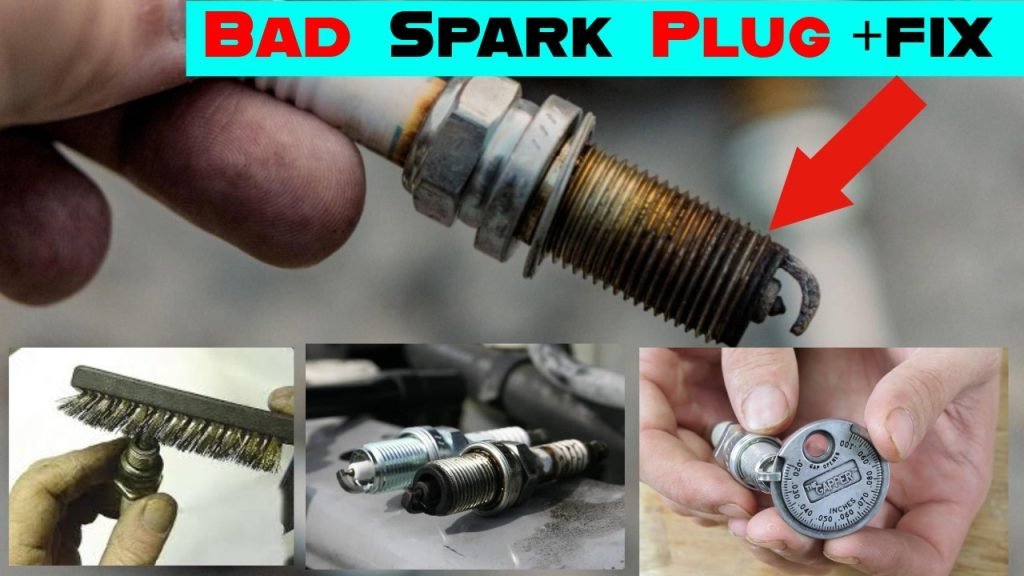
Electrodes wear out over time due to constant sparking. If the electrodes are eroded or chipped, the spark plug can produce a sharp clicking or popping noise. This happens because the spark struggles to jump the gap cleanly, leading to inefficient combustion.
Have you ever noticed a sudden drop in engine power along with strange noises? That’s a strong hint your electrodes might be wearing thin and should be checked immediately.
Carbon Buildup Issues
Carbon deposits can accumulate on the spark plug’s surface, especially if your engine runs rich or the fuel isn’t burning completely. This buildup can cause a rattling or ticking noise as the spark plug misfires. It also reduces the spark’s effectiveness, leading to rough engine performance.
Cleaning or replacing plugs clogged with carbon can restore your engine’s smooth sound and improve fuel efficiency.
Incorrect Spark Plug Gap
The gap between the electrodes must be precise. If it’s too wide or too narrow, the spark plug struggles to generate a consistent spark. This inconsistency often results in a popping or tapping noise and can cause your engine to hesitate or stall.
Checking the gap with a feeler gauge is a simple fix that can eliminate these annoying sounds and improve your car’s responsiveness.
Ignition System Problems
Sometimes, the noise isn’t just about the spark plugs themselves but the wider ignition system. Faulty ignition coils, bad wires, or a weak battery can cause irregular spark plug firing. This leads to unusual clicking or sputtering noises as the system fails to deliver proper voltage.
Have you inspected your ignition system recently? A quick diagnostic can pinpoint these issues before they cause more serious engine troubles.
Effects Of Faulty Spark Plugs On Engine Performance
Faulty spark plugs can silently sabotage your engine’s performance without obvious signs at first. The spark plug’s job is to ignite the air-fuel mixture inside the engine cylinders efficiently. When they fail, your engine struggles to run smoothly, affecting everything from fuel use to power delivery.
Reduced Fuel Efficiency
A bad spark plug causes incomplete combustion, meaning fuel doesn’t burn fully. This wastes gas and forces your engine to work harder to maintain speed. Have you noticed your fuel gauge dropping faster than usual? That might be your spark plugs sending a hidden signal.
Difficulty Starting The Engine
Your car may hesitate or crank longer before starting if the spark plugs aren’t firing properly. This happens because the spark needed to ignite the fuel-air mix is weak or inconsistent. Think about how frustrating it is on a cold morning when your engine just won’t catch—faulty plugs could be the culprit.
Loss Of Power And Acceleration
When spark plugs fail, your engine can’t generate the power it should. You might feel sluggish acceleration or a noticeable drop in overall performance. This is especially clear when merging onto highways or climbing hills—moments when your engine demands full strength.
Increased Emissions
Incomplete combustion from faulty spark plugs increases harmful emissions. This not only harms the environment but can also lead to failed emissions tests. If you care about clean air and avoiding costly fines, keeping your spark plugs in check is crucial.

Credit: www.dodge-dart.org
Diagnosing Spark Plug Problems By Sound
Diagnosing spark plug problems by sound can save you time and money before heading to a mechanic. Your car’s engine communicates through noises, and learning to interpret these sounds helps you catch issues early. Paying close attention to the engine’s rhythm and unusual noises can pinpoint spark plug troubles effectively.
Listening Techniques While Idling
Idling is the perfect time to listen for spark plug issues because the engine runs at a consistent, low speed. Sit quietly with the hood open and focus on the engine’s smoothness. A healthy spark plug should produce a steady, even sound without interruptions.
If you hear uneven popping, misfires, or a rough, choppy rhythm, your spark plugs may be failing. Try to notice if the sound comes and goes or if it’s persistent. This can help you determine if the problem is spark plug-related or caused by something else.
Using Diagnostic Tools
Sound alone sometimes isn’t enough, so diagnostic tools can confirm your suspicions. A mechanic’s stethoscope or an OBD-II scanner can reveal misfires and engine irregularities linked to spark plugs. These tools help you pinpoint which cylinder is causing the noise, making repairs more accurate.
Even a simple phone app that records engine sounds can assist in comparing and analyzing abnormal noises. Recording your engine’s sound while idling or accelerating allows you to track changes over time. Have you ever thought about how much your phone can do for basic car diagnostics?
Comparing Normal Vs Bad Spark Plug Sounds
Understanding the difference between normal and faulty spark plug sounds is crucial. A normal spark plug emits a steady, rhythmic clicking or ticking sound. It blends smoothly into the engine’s overall hum without disruption.
Bad spark plugs often cause irregular noises like sputtering, loud popping, or a knocking sound. These irregularities usually indicate misfires or incomplete combustion. Next time you hear a sudden change in your engine’s tone, ask yourself if it sounds like your car is trying to tell you something important.
Preventing Spark Plug Noise Issues
Noise from a bad spark plug can be annoying and may signal engine trouble. Preventing these noises helps keep your engine running smooth. Simple steps can reduce spark plug issues and avoid costly repairs.
Regular Maintenance Tips
Check your spark plugs often. Dirt and wear cause noise and poor performance. Use a clean cloth to wipe spark plugs. Tighten them if loose. Replace damaged spark plugs right away. Keep your engine clean to avoid dirt build-up around spark plugs.
Choosing The Right Spark Plugs
Pick spark plugs that match your vehicle’s engine type. Use plugs recommended by the car maker. Different engines need different heat ranges and sizes. Using the wrong plug can cause noise or damage. Always buy quality spark plugs from trusted brands.
When To Replace Spark Plugs
Listen for knocking or popping sounds from the engine. These noises may mean plugs are worn out. Replace spark plugs every 30,000 to 50,000 miles or as your car manual says. Signs like rough idling or poor fuel economy also mean it’s time to change plugs. Regular replacement keeps your engine quiet and efficient.
Credit: www.velosterturbo.org

Credit: www.reddit.com
Frequently Asked Questions
What Sound Does A Bad Spark Plug Make?
A bad spark plug often causes a sputtering or popping noise. It may also create a tapping or knocking sound during engine operation.
How Can I Identify Spark Plug Issues By Sound?
Listen for irregular engine noises like misfires, popping, or rough idling. These sounds can signal spark plug problems.
Can A Bad Spark Plug Cause Engine Knocking?
Yes, faulty spark plugs can cause engine knocking or pinging. This happens due to improper combustion timing.
Does A Bad Spark Plug Affect Car Performance?
Definitely. A bad spark plug reduces engine power, causes rough idling, and lowers fuel efficiency.
Conclusion
Bad spark plug sounds often include popping, sputtering, or rough idling. These noises signal your engine is not running smoothly. Ignoring these sounds can cause bigger car problems later. Regularly check and replace spark plugs to keep your engine healthy.
Clear, steady engine sounds mean your spark plugs work well. Listen carefully to your car; it tells you when something is wrong. Taking simple steps can save you time and money. Keep your vehicle running strong and avoid unexpected breakdowns.





