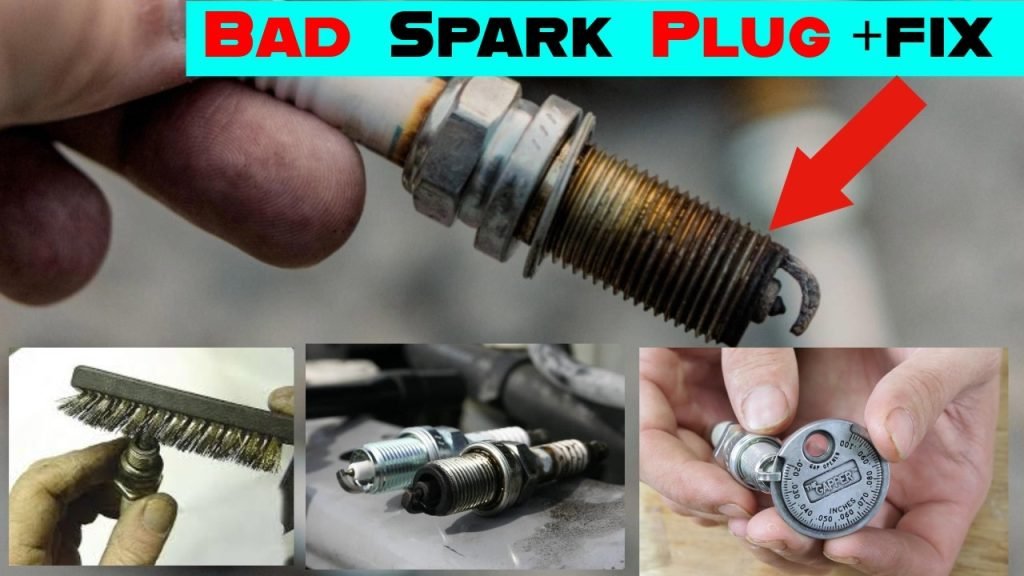
Ever wondered why your car isn’t running as smoothly as it used to? It might be time to take a closer look under the hood, specifically at your spark plugs.
These tiny components play a crucial role in powering your vehicle, yet they’re often overlooked. Understanding what a bad spark plug looks like can save you from unexpected breakdowns and costly repairs. Are you ready to discover the tell-tale signs of faulty spark plugs and ensure your car runs at its best?
Keep reading to uncover the secrets that could keep your engine purring like a kitten.
Credit: finntrail.com
Common Spark Plug Issues
Spark plugs play a vital role in engine performance. Problems with spark plugs can cause poor fuel efficiency, rough idling, and difficulty starting your vehicle. Recognizing common spark plug issues helps maintain engine health. Below are typical signs that a spark plug may be failing or damaged.
Worn Electrodes
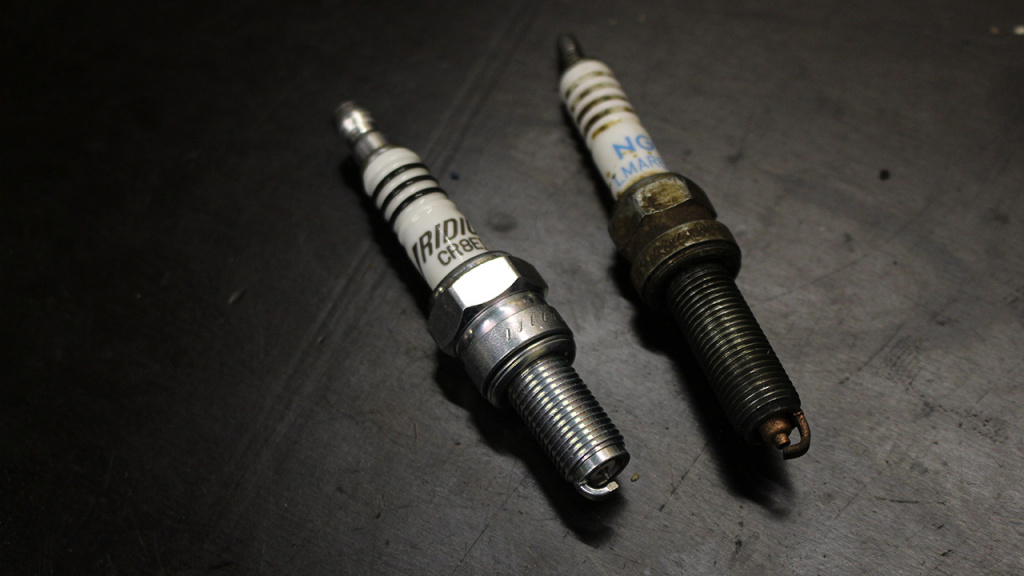
Electrodes wear down over time due to constant sparking. This wear increases the gap between electrodes. A larger gap makes it harder for the spark to jump. The result is weak ignition and engine misfires. Worn electrodes often appear rounded or thin compared to new ones.
Excessive Carbon Deposits
Carbon buildup looks like a dry, black soot on the spark plug tip. It happens when fuel burns improperly or the engine runs rich. These deposits block the spark and reduce performance. Excess carbon can cause hard starts and poor acceleration.
Oil Fouling
Oil fouling shows as wet, oily deposits on the spark plug. This condition occurs if oil leaks into the combustion chamber. Oil fouling prevents sparks from firing properly. Engines with oil-fouled plugs often stall or run rough.
Overheating Signs
Overheated spark plugs have white, blistered, or melted areas. High engine temperatures cause this damage. Overheating reduces the plug’s lifespan and can harm the engine. Symptoms include knocking sounds and loss of power.

Credit: www.toyotanation.com
Visual Clues Of Damage
Spotting a bad spark plug starts with a careful look at its physical condition. Visual clues tell you a lot about the plug’s health and how it’s affecting your engine’s performance. Knowing what damage looks like can save you time and money by helping you decide when it’s time for a replacement.
Cracked Or Broken Insulator
The insulator is the white ceramic part of the spark plug. If you see cracks or chips here, it means the plug is compromised. Even a small crack can cause misfires because it allows electrical energy to escape.
Have you ever noticed your engine running rough after a cold start? A cracked insulator might be the culprit. Don’t ignore this damage, as it can lead to bigger engine issues.
Corroded Terminals
Corrosion often appears as a greenish or whitish buildup on the metal terminals of the spark plug. This happens due to moisture or chemical exposure over time. Corroded terminals disrupt the electrical flow, causing poor ignition.
If your car struggles to start or idles poorly, check the terminals for corrosion. Cleaning might help temporarily, but severe corrosion means it’s better to replace the plug.
Burnt Or Blistered Appearance
A spark plug with a burnt or blistered look usually has a blackened, melted, or bubble-like surface. This indicates excessive heat or improper fuel mixture. Such damage can cause weak sparks and reduce engine efficiency.
Ever smelled something burning while driving? It could be linked to overheated spark plugs. Identifying this visual clue early can prevent costly repairs down the road.
Performance Symptoms Linked To Bad Plugs
Bad spark plugs can cause noticeable changes in your vehicle’s performance. If your car feels off, it might be due to worn-out or damaged plugs. Paying attention to these performance symptoms can save you time and money by catching issues early.
Engine Misfires
One of the most common signs of bad spark plugs is engine misfires. You might feel your car jerking or hesitating when you accelerate. This happens because the spark plug is failing to ignite the fuel properly, leading to incomplete combustion.
Have you ever driven and noticed a sudden loss of power? That’s a clear signal your spark plugs might be struggling. Ignoring misfires can cause damage to other engine parts over time.
Poor Fuel Economy
If you’re filling up the gas tank more often than usual, bad spark plugs could be to blame. Worn plugs don’t burn fuel efficiently, causing your engine to consume more gas. This means higher costs and more frequent stops at the pump.
Think about the last time your fuel mileage dropped unexpectedly. Could faulty spark plugs be the hidden reason behind that? Replacing them can often restore your car’s original fuel efficiency.
Hard Starts
Struggling to start your car, especially in cold weather, is another red flag. Bad spark plugs can make it harder for your engine to catch a spark and turn over. This delay is frustrating and can leave you stranded if it gets worse.
Have you noticed your car takes longer than usual to start? Pay attention to how your spark plugs look and perform. Timely replacement can help you avoid those cold mornings stuck in the driveway.

Credit: www.reddit.com
Spark Plug Maintenance Tips
Maintaining spark plugs helps your engine run smoothly and efficiently. Good care prevents misfires and poor fuel economy. Simple steps can extend spark plug life and keep your vehicle in good shape.
Regular Inspection Intervals
Check spark plugs every 30,000 miles or as your car manual suggests. Early inspection finds issues before damage occurs. Look for signs of wear, corrosion, or deposits on the plug.
Proper Cleaning Methods
Use a wire brush or spark plug cleaner to remove dirt and carbon. Avoid harsh chemicals that can damage the plug. Clean gently to protect the electrode and insulator.
When To Replace
Replace spark plugs if you see worn electrodes, heavy deposits, or cracks. Engine misfires or rough idling also signal replacement time. Follow your car’s recommended replacement schedule for best results.
Frequently Asked Questions
What Are Common Signs Of A Bad Spark Plug?
A bad spark plug shows symptoms like engine misfires, rough idling, and poor acceleration. It may also cause difficulty starting your vehicle. Inspect for worn electrodes, heavy deposits, or cracks on the ceramic insulator. These signs indicate the spark plug needs replacement.
How Does A Bad Spark Plug Affect Engine Performance?
A bad spark plug reduces fuel efficiency and causes engine misfires. It leads to rough idling and slower acceleration. The engine may hesitate or stall during driving. Replacing faulty spark plugs restores smooth engine operation and improves overall vehicle performance.
What Does A Fouled Spark Plug Look Like?
A fouled spark plug appears black and sooty due to carbon buildup. It may also have oily deposits if the engine leaks oil. These conditions prevent proper sparking, causing misfires and poor fuel combustion. Cleaning or replacing fouled plugs is essential for engine health.
Can A Cracked Spark Plug Cause Engine Problems?
Yes, a cracked spark plug can cause engine misfires and poor performance. Cracks allow combustion gases to escape, disrupting ignition. This leads to rough idling, reduced power, and increased emissions. Inspect plugs regularly and replace any with visible cracks.
Conclusion
A bad spark plug often shows clear signs. It may look dirty, oily, or worn out. These signs affect your engine’s performance. Replacing a bad spark plug keeps your car running smooth. Check spark plugs regularly to avoid bigger problems.
A small issue can save you from costly repairs. Remember, clean and healthy spark plugs mean better fuel use. Stay alert to these visual clues for better car care.





