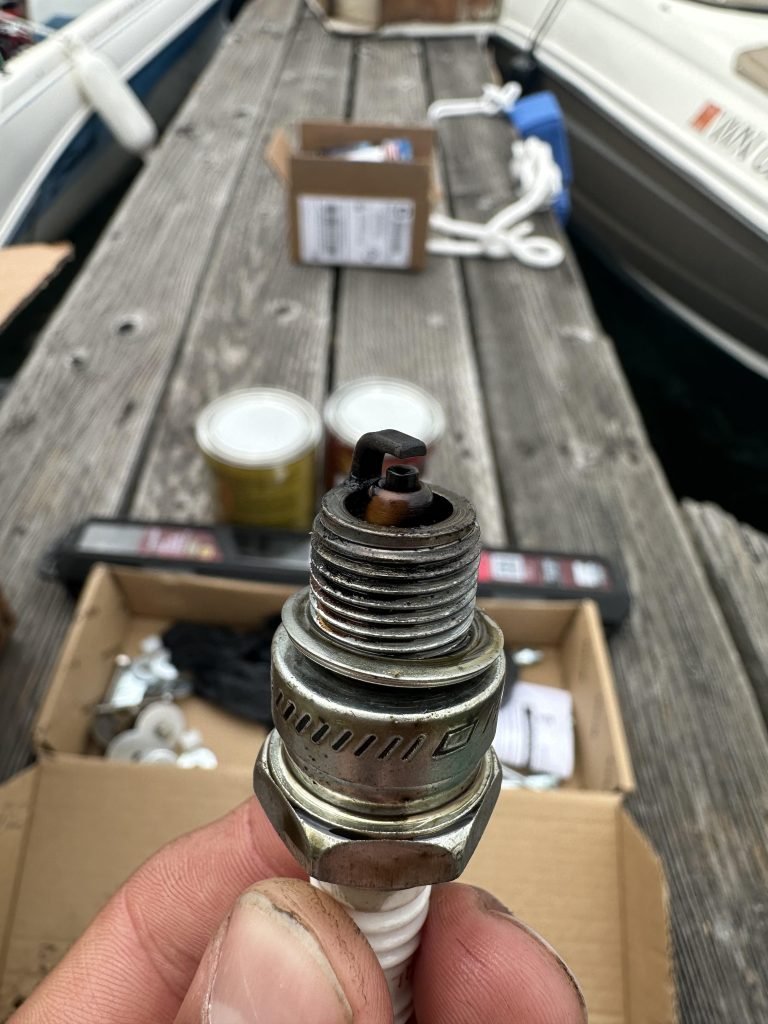
Have you ever noticed your car struggling to start or running rough? One common culprit might be a fouled spark plug.
But what exactly is a fouled spark plug, and why should you care? Understanding this simple yet crucial part of your engine can save you time, money, and frustration. Keep reading to discover how a fouled spark plug affects your vehicle’s performance and what you can do to fix it before small problems turn into big headaches.

Credit: www.reddit.com
Spark Plug Basics
Spark plugs are small but mighty components in your vehicle’s engine. They create the spark needed to ignite the air-fuel mixture inside the engine cylinders. Without properly functioning spark plugs, your engine won’t run smoothly or efficiently.
Role In Engine Performance
Spark plugs directly influence how well your engine performs. They ignite the fuel mixture at just the right moment, which affects power output, fuel efficiency, and emissions.
If a spark plug is fouled or dirty, it can cause misfires, rough idling, or even difficulty starting your vehicle. Have you ever noticed your car hesitating or losing power suddenly? That’s often a sign of spark plug issues.
Keeping spark plugs clean and in good condition helps maintain smooth acceleration and better mileage. It also reduces harmful emissions, making your car friendlier to the environment.
Types Of Spark Plugs
Not all spark plugs are the same. Choosing the right type depends on your vehicle and driving needs.
- Copper Spark Plugs:These are affordable and have good conductivity but wear out faster.
- Platinum Spark Plugs:Last longer than copper and provide better performance, especially in modern engines.
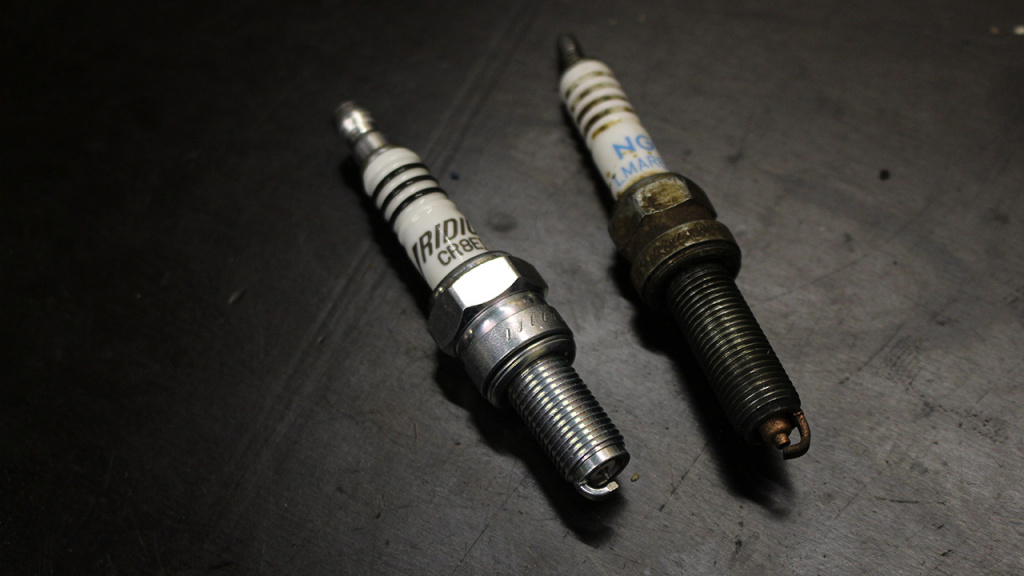
- Iridium Spark Plugs:Known for durability and excellent ignition, ideal for high-performance or newer cars.
- Double Platinum or Double Iridium:Designed for waste spark ignition systems, offering even greater durability.
Choosing the wrong spark plug type can lead to fouling or poor engine response. Have you checked which spark plugs your car needs? Using the right one can save you time and money on repairs.

Credit: www.youtube.com
Causes Of Fouling
A fouled spark plug stops the engine from running smoothly. It happens when dirt or deposits cover the plug’s tip. This buildup blocks the spark from igniting the fuel-air mix properly. Several factors cause this fouling. Understanding these causes helps in fixing the problem quickly.
Oil Contamination
Oil can leak into the combustion chamber. This leak coats the spark plug with oily residue. The oil prevents the spark from firing correctly. Worn piston rings or valve seals often cause this oil leak. It leads to poor engine performance and rough idling.
Carbon Buildup
Carbon deposits form from burning fuel. Too much carbon covers the spark plug tip. It blocks the spark and causes misfires. Short trips and low-speed driving increase carbon buildup. Using the wrong air-fuel mix also adds to this problem.
Fuel Issues
Using the wrong fuel type affects spark plug health. Rich fuel mixtures leave wet deposits on the plug. These deposits cause fouling and reduce spark strength. Old or poor-quality fuel also contributes to fouling. Keeping fuel clean and correct helps avoid these issues.
Overheating Problems
High engine temperatures damage the spark plug. Overheating burns the plug’s tip and insulator. This damage causes pre-ignition and detonation. Faulty cooling systems or wrong spark plug heat range cause overheating. Overheated plugs fail to ignite fuel efficiently.
Signs Of A Fouled Spark Plug
Recognizing the signs of a fouled spark plug helps keep your engine running smoothly. Spark plugs ignite the air-fuel mix in the engine. When fouled, they lose this ability, causing several noticeable problems.
Early detection prevents bigger engine issues and costly repairs. Watch for these common signs that indicate a spark plug needs attention.
Engine Misfires
Engine misfires happen when the spark plug fails to ignite fuel properly. This causes a jerking or shaking feeling while driving. Misfires reduce engine power and can damage other parts over time.
Poor Fuel Economy
A fouled spark plug burns more fuel than usual. Your car uses extra gas but does not perform better. This leads to more frequent visits to the gas station and higher expenses.
Hard Starting
Starting the engine becomes difficult with fouled spark plugs. You may hear repeated clicking or slow cranking. The engine struggles to catch fire and run smoothly.
Rough Idling
The engine runs unevenly when idling if spark plugs are fouled. You may notice vibrations or a rattling sound. Rough idling signals poor combustion inside the engine.
Diagnosing The Problem
Diagnosing a fouled spark plug can feel tricky if you’re not sure where to start. The key is to carefully check for signs that indicate trouble and use the right tools to confirm your suspicions. Paying close attention will save you time and prevent unnecessary replacements.
Visual Inspection Tips
Begin by removing the spark plug and looking closely at its tip and insulator. A fouled spark plug often has a black, sooty deposit, which shows incomplete combustion or oil contamination.
Look for:
- Black, dry soot:Usually means the engine is running too rich or the air filter is clogged.
- Wet, oily coating:Could indicate leaking valve seals or piston ring problems.
- Cracks or chips:Damage to the ceramic insulator can cause misfires.
Have you noticed your spark plug looks different from the last time you checked? This change often points to an underlying engine issue.
Using A Spark Plug Tester
A spark plug tester helps you see if the spark plug is producing a strong spark. Connect the tester to your spark plug and crank the engine to observe the spark.
A bright blue spark means the plug is working well, while a weak or no spark suggests fouling or ignition system problems.
Using a tester can pinpoint if the plug itself is faulty or if the problem lies elsewhere in the ignition system. This step prevents you from replacing parts unnecessarily.
When To Seek Professional Help
If the spark plug looks fouled but cleaning doesn’t restore performance, it’s time to consult a mechanic. Persistent fouling might signal deeper engine problems like fuel mixture issues or worn components.
Also, if you’re uncomfortable performing inspections or using testing tools, professionals have the right equipment and experience to diagnose the problem accurately.
Remember, addressing spark plug issues early prevents more costly repairs down the line. Don’t wait until your engine starts misfiring or stalling.
Simple Fixes And Maintenance
Simple fixes and regular maintenance can keep your spark plugs in top shape and prevent engine problems. Addressing fouled spark plugs early saves you time and money. You don’t need to be a mechanic to handle basic cleaning or replacement if you know what to look for and how to act.
Cleaning Techniques
Cleaning fouled spark plugs can restore performance if the damage isn’t severe. Start by removing the spark plug carefully with a wrench.
Use a wire brush or spark plug cleaner to remove carbon deposits and dirt from the metal parts. Avoid abrasive tools that can damage the ceramic insulator.
After cleaning, check the electrode gap with a feeler gauge and adjust it to the manufacturer’s specifications. Reinstall the plug securely but don’t overtighten it.
Replacing Spark Plugs
Sometimes cleaning isn’t enough, and replacement is the best option. Look for signs like cracked insulators, worn electrodes, or persistent fouling despite cleaning.
Choose the correct spark plug type and heat range for your engine model. Installing the wrong plug can cause poor performance or further fouling.
Before installing new plugs, apply a small amount of anti-seize compound on the threads to make future removal easier. Tighten them to the recommended torque to avoid damage.
Preventive Measures
Preventing spark plug fouling starts with good engine maintenance habits. Use the right fuel and oil recommended by your vehicle’s manufacturer.
Keep your air filter clean to ensure proper air flow and prevent a rich fuel mixture that fouls plugs. Regularly check ignition timing and engine sensors as they affect combustion quality.
Have you ever noticed your engine running rough after skipping maintenance? Staying proactive with these simple steps helps you avoid frustrating breakdowns and costly repairs.
Choosing The Right Spark Plug
Choosing the right spark plug plays a key role in your vehicle’s performance. It affects fuel efficiency, engine power, and smooth starts. Picking the wrong spark plug may cause fouling or misfires. Knowing the basics helps you select the best option for your engine and driving style.
Material Options
Spark plugs come in different materials. Copper plugs conduct electricity well but wear out faster. Platinum plugs last longer and resist fouling better. Iridium plugs offer the best durability and performance but cost more. Choose a material that suits your budget and driving needs.
Heat Range Considerations
Heat range shows how fast a spark plug can cool itself. A cold plug cools quickly and suits high-speed engines. A hot plug retains heat longer, good for low-speed or short trips. Using the wrong heat range may cause carbon build-up or overheating.
Compatibility With Your Vehicle
Check your vehicle’s manual for recommended spark plugs. Size, thread, and gap must match your engine. Using an incompatible plug can damage the engine or reduce efficiency. Always buy spark plugs designed for your car model and engine type.
Credit: finntrail.com
Frequently Asked Questions
What Causes A Spark Plug To Become Fouled?
A spark plug becomes fouled due to oil, carbon buildup, or fuel deposits. These contaminants hinder spark production and engine performance.
How Does A Fouled Spark Plug Affect Engine Performance?
A fouled spark plug causes misfires, rough idling, poor acceleration, and reduced fuel efficiency. It disrupts proper combustion in the engine.
How Can You Identify A Fouled Spark Plug?
Signs include difficulty starting the engine, rough running, and decreased power. Visual inspection shows black, oily, or sooty deposits on the plug.
Can Fouled Spark Plugs Damage The Engine?
Yes, fouled plugs can cause misfires and incomplete combustion, leading to engine damage over time if not addressed promptly.
Conclusion
Fouled spark plugs can cause many car troubles. They lead to misfires, poor fuel economy, and engine stalling. Regular checks keep your car running smoothly. Clean or replace them when needed. This helps maintain engine health. A well-maintained engine lasts longer and performs better.
Ignoring spark plug issues can lead to bigger problems. Remember, a little attention now prevents larger costs later. Keep your spark plugs in good shape. Your car will thank you.





