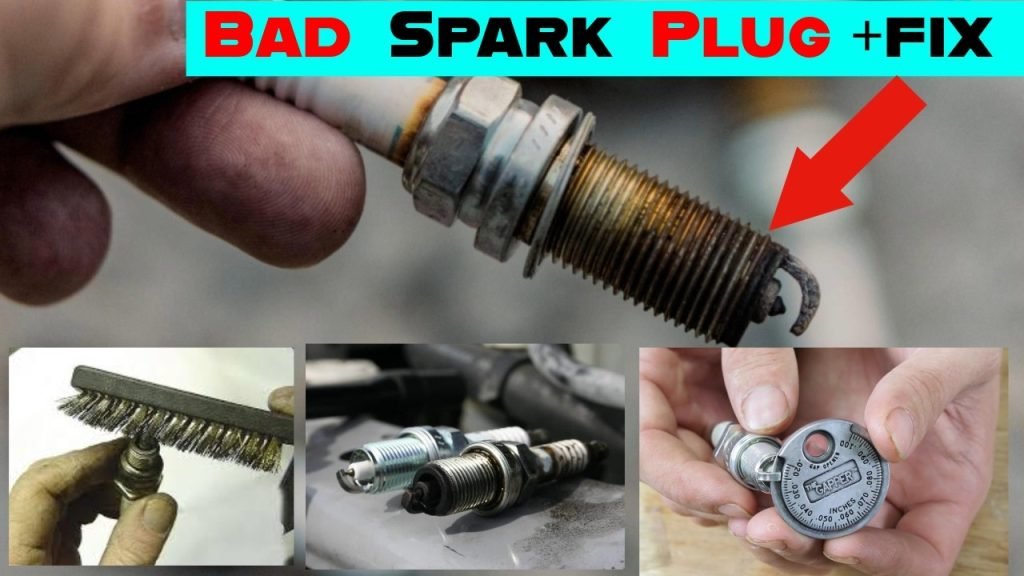
Have you ever wondered what’s really going on under the hood when your car starts acting up? One sneaky culprit could be your spark plugs.
These tiny components play a big role in your vehicle’s performance, and when they go bad, they can cause a whole host of issues. But how can you tell if your spark plugs are to blame? Knowing what bad spark plugs look like can save you time, money, and a lot of frustration.
We’ll break down the telltale signs of worn-out spark plugs, so you can keep your car running smoothly and avoid unexpected breakdowns. Stick with us to uncover the secrets that could keep your engine purring like a kitten. You won’t want to miss this essential guide!

Credit: www.toyotanation.com
Common Spark Plug Issues
Spark plugs play a vital role in engine performance. Problems with spark plugs can cause rough starts, poor fuel economy, and engine misfires. Identifying common spark plug issues helps maintain a smooth-running engine. Here are some typical signs of bad spark plugs and what they look like.
Worn Electrodes
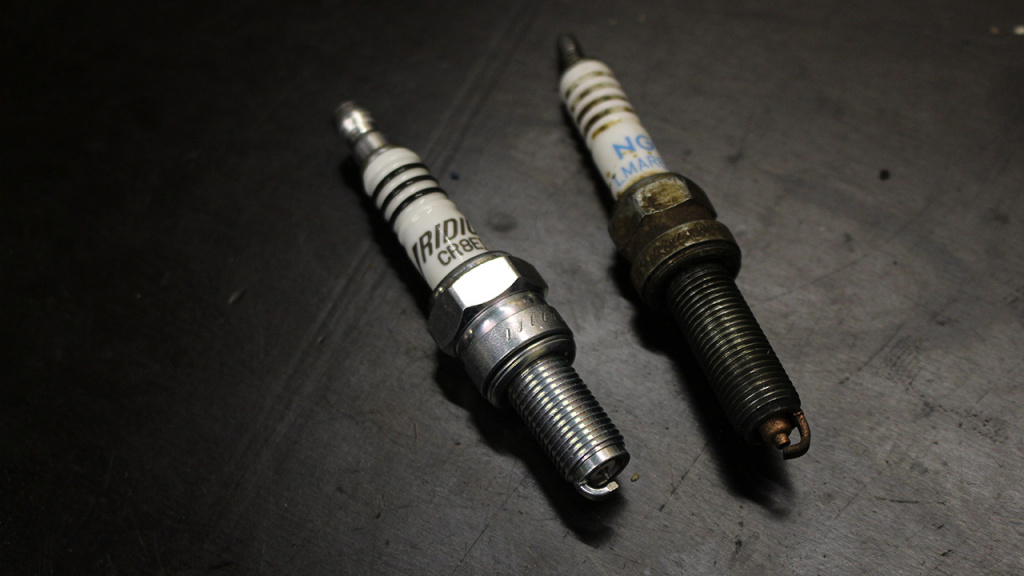
Electrodes wear out over time due to constant sparks. They appear rounded or eroded instead of sharp and clean. Worn electrodes increase the gap, causing weak sparks. This leads to engine misfires and poor fuel efficiency.
Carbon Deposits
Carbon buildup looks like a dry, black, sooty layer on the spark plug. It happens from incomplete fuel burning or a rich fuel mixture. Carbon deposits prevent proper sparking and reduce engine power.
Oil Fouling
Oil fouling covers the spark plug with a wet, oily residue. This occurs when oil leaks into the combustion chamber. Oil fouling causes misfires and rough engine idling, making the engine hard to start.
Overheating Damage
Overheating damages the spark plug’s insulator and electrode. The insulator may appear cracked or blistered. Electrodes may look melted or burnt. Overheating causes poor engine performance and possible engine damage.
Visual Signs Of Damage
Spotting visual signs of damage on your spark plugs can save you from unexpected car troubles. These signs often reveal underlying engine issues and help you decide if a replacement is needed. Knowing what to look for will empower you to keep your engine running smoothly.
Black Sooty Appearance
A spark plug covered in black, sooty deposits usually means your engine is running too rich, with too much fuel and not enough air. This thick, black coating can cause misfires and poor fuel economy.
If you notice this on your plugs, check your air filter and fuel system. Has your car been idling more than usual lately?
White Or Ashy Deposits
White or ashy deposits on the spark plug tip often indicate overheating or the use of poor-quality fuel or oil additives. These deposits can cause weak sparks and rough engine performance.
Have you ever seen a spark plug looking like this after a long highway drive? It’s a warning to inspect your cooling system and fuel quality.
Cracked Insulator
The insulator is the ceramic part surrounding the center electrode. Cracks in this area can cause misfires and poor engine performance because the spark may escape or weaken.
Physical damage like this can happen during installation or removal, or from extreme engine vibration. Handle spark plugs carefully to avoid this issue.
Corroded Threads
Corrosion on the spark plug threads can make removal difficult and interfere with proper grounding. This corrosion often results from moisture or engine contaminants.
Have you ever struggled to unscrew a spark plug because it felt stuck? Corroded threads might be the culprit, signaling it’s time for a replacement.
Performance Symptoms To Watch
Bad spark plugs can cause many issues that affect your car’s performance. Watch for signs that show your spark plugs might be failing. Early detection helps avoid bigger engine problems and saves money on repairs.
Performance symptoms often appear before you see physical damage on spark plugs. These signs are clear signals to check your spark plugs or get a professional diagnosis. Pay close attention to how your car runs and handles.
Engine Misfires
One common symptom of bad spark plugs is engine misfires. The engine skips or hesitates during acceleration. This happens because the spark plug fails to ignite the fuel properly. Misfires make your ride jerky and unstable.
Poor Fuel Economy
Bad spark plugs cause poor fuel economy. The engine burns more fuel to compensate for weak sparks. You may notice you need to fill the tank more often. This wastes money and harms the environment.
Hard Starts
Starting your car becomes difficult with bad spark plugs. The engine struggles to fire up on the first try. It may take several attempts before the engine runs smoothly. Cold weather often makes this problem worse.
Rough Idling
A rough or shaky idle can signal spark plug issues. The engine vibrates or sounds uneven when the car is stopped. This happens due to inconsistent sparks in the combustion chamber. It makes driving uncomfortable and may cause damage over time.

Credit: www.reddit.com
When To Inspect Spark Plugs
Knowing when to inspect spark plugs helps keep your engine running smoothly. Spark plugs wear out over time and affect engine performance. Regular checks prevent bigger car troubles. Here are key moments to check spark plugs for signs of damage or wear.
Mileage Intervals
Check spark plugs at regular mileage intervals. Most car makers suggest inspecting plugs every 30,000 to 50,000 miles. Some newer models use long-life plugs lasting 60,000 miles or more. Follow your vehicle’s manual for exact timing. Regular checks avoid sudden engine problems.
After Engine Issues
Inspect spark plugs right after engine troubles appear. Rough idling, hard starts, or poor fuel economy often point to bad plugs. Misfires or loss of power also signal spark plug problems. Checking plugs helps find the cause fast. Replace any plugs that look worn or damaged.
Routine Maintenance Tips
- Clean plugs if they have light carbon deposits.
- Check plug gaps and adjust as needed.
- Look for cracks, corrosion, or heavy deposits.
- Replace plugs showing signs of wear or damage.
- Use proper tools to avoid plug damage during inspection.
Routine inspections keep your engine healthy. Spark plugs in good shape improve fuel efficiency and reduce emissions.
Replacing And Maintaining Spark Plugs
Replacing and maintaining spark plugs is key to keeping your engine running smoothly. Worn or dirty spark plugs can cause misfires, poor fuel efficiency, and rough idling. Knowing how to choose, install, and clean spark plugs can save you time and money while improving your vehicle’s performance.
Choosing The Right Spark Plugs
Not all spark plugs are created equal. You need to pick plugs that match your vehicle’s make, model, and engine type. Check your owner’s manual or ask a trusted mechanic to find the correct heat range and gap size.
Consider the type of spark plug material too: copper plugs heat up quickly but wear out faster, while iridium or platinum plugs last longer and provide better performance. Have you noticed a difference after switching to a higher-quality spark plug?
Proper Installation Tips
Installing spark plugs correctly is just as important as choosing the right ones. Always start by cleaning the area around the spark plug hole to avoid dirt falling into the engine. Hand-thread the spark plug first to avoid cross-threading, then tighten it with a torque wrench to the manufacturer’s specs.
Over-tightening can damage the threads, and under-tightening can cause poor contact or leaks. If you’re unsure about the right torque, a quick search for your car’s specifications can prevent costly mistakes.
Regular Cleaning Practices
Keeping spark plugs clean extends their life and maintains engine efficiency. Use a wire brush or spark plug cleaner to gently remove carbon deposits and dirt. Avoid harsh abrasives that can damage the electrodes.
Inspect your plugs regularly for signs of oil or fuel fouling, which could indicate other engine issues. Have you checked your spark plugs lately? A simple cleaning might just bring back that smooth engine start you’ve been missing.
Credit: finntrail.com
Frequently Asked Questions
What Are The Signs Of Bad Spark Plugs?
Bad spark plugs show signs like rough idling, poor acceleration, and engine misfires. They may have worn electrodes or heavy deposits. These issues cause inefficient combustion and reduced fuel economy.
How Do Bad Spark Plugs Affect Engine Performance?
Bad spark plugs cause weak sparks, leading to incomplete fuel burning. This results in rough starts, hesitation, and reduced power. Fuel efficiency drops, and emissions increase, affecting overall engine health.
Can Bad Spark Plugs Damage My Car’s Engine?
Yes, bad spark plugs can lead to engine misfires and overheating. This stresses engine components and may cause long-term damage. Timely replacement prevents costly repairs and maintains smooth engine operation.
What Does A Worn Spark Plug Look Like?
Worn spark plugs often have eroded electrodes, black soot, or oily deposits. They may appear cracked or burnt. These visual cues indicate poor combustion and the need for replacement.
Conclusion
Bad spark plugs often show clear signs of wear or damage. They may look black, oily, or cracked. These signs mean your engine can run poorly or use more fuel. Checking spark plugs helps keep your car running smooth. Change them as needed to avoid bigger problems.
Simple steps like this save money and time. Keep your engine healthy by watching spark plug condition closely.





