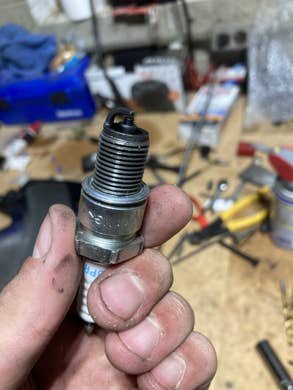
Are you experiencing engine troubles and suspect your spark plugs might be the culprits? If your vehicle isn’t running smoothly, there’s a chance those tiny but mighty components are fouling faster than they should.
Understanding what causes spark plugs to foul quickly is crucial for maintaining your car’s performance and longevity. You’ll discover the common culprits behind this issue, helping you to address the problem head-on and keep your engine purring like new. Curious about what’s behind this frequent frustration?
Read on to uncover the secrets that could save you time, money, and endless headaches on the road.
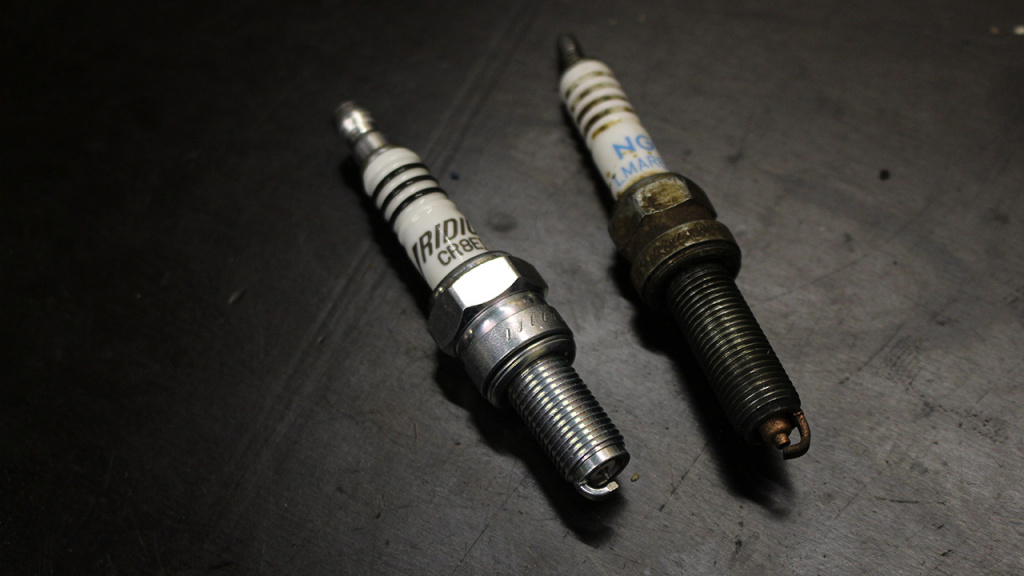
Credit: finntrail.com
Common Signs Of Spark Plug Fouling
Spark plug fouling affects engine performance and efficiency. Recognizing common signs helps in early detection and repair. Early action can prevent costly engine damage and improve driving comfort.
Engine Misfires
Misfires happen when spark plugs fail to ignite the air-fuel mix. The engine may run rough or jerk during acceleration. Misfires cause uneven power delivery and reduce engine smoothness.
Frequent misfires often mean spark plugs are dirty or worn out. Carbon buildup or oil deposits can block the spark’s path. Clean or replace fouled spark plugs to restore proper engine function.
Poor Fuel Economy
Fouled spark plugs lead to incomplete combustion. The engine burns more fuel to maintain power. Drivers notice more frequent visits to the gas station.
Reduced fuel efficiency also means higher emissions. A simple spark plug check can save money and reduce pollution. Proper maintenance keeps fuel economy at its best.
Difficulty Starting
Hard starts indicate weak or no spark from the plugs. Fouling can cause the spark to be weak or inconsistent. This results in slow or failed engine starts.
Cold weather makes starting issues worse with fouled plugs. Replacing or cleaning spark plugs improves start-up reliability. Smooth starts improve driver confidence and vehicle dependability.
Fuel-related Causes
Fuel-related issues are a major reason spark plugs foul quickly. Understanding how your fuel mixture and quality affect spark plugs can save you time and money on repairs. Let’s break down the common fuel causes that might be tripping up your engine’s performance.
Rich Fuel Mixture
A rich fuel mixture means too much fuel and not enough air in the combustion chamber. This imbalance leads to incomplete combustion, causing carbon deposits to build up on the spark plugs.
Have you noticed black, sooty plugs during an inspection? That’s a classic sign of a rich mixture. Fixing this often involves checking your carburetor settings or fuel injection system to ensure proper air-fuel ratios.
Low-quality Fuel
Using low-quality fuel can introduce impurities that clog spark plugs quickly. Cheap gasoline often contains additives that leave behind sticky residues or excessive carbon deposits.
It’s tempting to save a few cents at the pump, but your spark plugs may pay the price. Opting for reputable fuel brands can extend spark plug life and improve overall engine efficiency.
Frequent Short Trips
Do you often drive short distances where the engine doesn’t fully warm up? This can cause fuel to remain partially unburned, leading to fouling on the spark plugs.
Engines need time to reach optimal temperature for clean combustion. Consider combining errands or taking longer drives occasionally to help clear out deposits and protect your spark plugs.
Oil And Engine Issues
Oil and engine issues often cause spark plugs to foul quickly. Oil can enter the combustion chamber and coat the spark plug. This creates deposits that reduce the spark plug’s ability to fire correctly. Engine parts that wear out or fail can let oil leak past seals and rings. This leads to excessive oil burning and fouling of the spark plugs. Understanding these problems helps identify why spark plugs foul prematurely.
Worn Piston Rings
Piston rings seal the gap between the piston and cylinder wall. When these rings wear out, oil leaks into the combustion chamber. The oil burns along with the fuel and leaves deposits on the spark plug. Worn piston rings also reduce engine compression, causing poor engine performance. This wear is common in older engines or those with high mileage.
Valve Seal Problems
Valve seals stop oil from entering the combustion chamber through the valves. If these seals crack or harden, oil seeps past them during engine operation. The oil then burns and fouls the spark plugs. Valve seal problems often cause blue smoke from the exhaust during engine start or idle. Replacing faulty valve seals stops oil from fouling the spark plugs.
Excessive Oil Consumption
Engines that consume too much oil tend to foul spark plugs faster. Excess oil in the combustion chamber coats the plugs with thick deposits. Causes include worn engine parts, poor maintenance, or using the wrong oil type. Monitoring oil levels and consumption helps catch problems early. Fixing the cause of oil consumption protects spark plugs and engine health.

Credit: www.challengertalk.com
Ignition System Problems
Ignition system problems can cause your spark plugs to foul quickly, disrupting your engine’s performance and efficiency. These issues often go unnoticed until symptoms like rough idling or poor fuel economy appear. Understanding how faults in your ignition system affect spark plugs can help you spot problems early and avoid costly repairs.
Incorrect Spark Plug Heat Range
Using spark plugs with the wrong heat range is a common ignition-related cause of fouling. Plugs that are too cold don’t get hot enough to burn off deposits, leading to carbon buildup. On the other hand, plugs that are too hot can cause pre-ignition and damage.
Think about a time you replaced plugs without checking the heat range. Did you notice your engine running rough soon after? It’s a sign that choosing the right heat range is critical for your vehicle’s specific engine design.
Faulty Ignition Timing
Ignition timing controls when the spark plug fires within the combustion cycle. If the timing is off, fuel may not burn completely, leaving unburned residues on the plugs. This incomplete combustion quickly fouls the spark plugs and reduces engine power.
Have you ever adjusted your timing or had a mechanic do it? If not, it might be worth checking, especially if you experience misfires or hesitation. Proper timing ensures the spark plugs ignite fuel at the optimal moment for clean combustion.
Damaged Ignition Components
Worn or damaged ignition parts, such as coils, wires, or distributors, can weaken the spark or cause inconsistent firing. This weak spark struggles to ignite the fuel-air mixture fully, causing carbon deposits and fouled plugs. Replacing faulty components often restores spark strength and plug health.
Next time you notice your spark plugs fouling quickly, inspect the ignition components closely. Small cracks in wires or corrosion on connectors are easy to miss but can make a big difference in spark quality. Regular maintenance on these parts keeps your ignition system firing strong and your plugs clean.
Environmental And Maintenance Factors
Environmental and maintenance factors play a key role in how fast spark plugs foul. These elements affect how well the spark plug fires and how long it lasts. Understanding these factors helps keep your engine running smoothly and avoids frequent spark plug problems.
Cold Weather Effects
Cold weather can cause spark plugs to foul quickly. Engines take longer to warm up, leading to incomplete fuel burning. This leaves deposits on the spark plug tip. Moisture in the air can mix with fuel, creating a sticky residue. This residue blocks the spark, reducing engine performance.
Poor Engine Maintenance
Neglecting regular engine care harms spark plugs. Dirty air filters allow dust and dirt into the engine. This dirt can build up on spark plugs, causing misfires. Old or low-quality engine oil also affects spark plug health. Worn-out oil leads to carbon deposits that foul spark plugs faster.
Use Of Improper Spark Plugs
Using the wrong spark plugs speeds up fouling. Each engine needs a specific spark plug type and heat range. If the spark plug is too cold, it won’t burn off deposits properly. Too hot, and it may cause pre-ignition or damage. Wrong plugs do not fit well, leading to poor combustion and faster fouling.
Credit: www.piloteers.org
Preventive Measures
Preventing spark plugs from fouling quickly is essential to keep your engine running smoothly and efficiently. Taking proactive steps can save you time and money on repairs. Here are some practical measures you can take to extend the life of your spark plugs.
Regular Engine Tune-ups
Keeping your engine well-tuned helps prevent spark plugs from fouling. During a tune-up, mechanics check and adjust ignition timing, fuel delivery, and air filters, all of which affect spark plug performance.
If you’ve ever noticed rough idling or poor acceleration, it might be time for a tune-up. Regular maintenance ensures your engine runs cleanly and reduces deposits on your spark plugs.
Using Quality Fuel And Oil
The fuel and oil you use directly impact spark plug health. Low-quality fuel can contain impurities that leave residue, causing spark plugs to foul faster.
Choosing high-grade fuel and synthetic oils can minimize carbon buildup. Have you checked your fuel brand lately? Switching to better quality might be the easiest fix you haven’t tried.
Timely Spark Plug Replacement
Even with the best care, spark plugs wear out over time. Replacing them at the manufacturer’s recommended intervals prevents fouling and engine issues.
Waiting too long can lead to misfires and reduced fuel efficiency. Keep track of your spark plug’s lifespan and swap them out before problems start.
Frequently Asked Questions
What Are Common Causes Of Spark Plug Fouling?
Spark plug fouling is caused by oil leaks, fuel additives, or carbon buildup. Poor engine maintenance and incorrect spark plug heat range also contribute to fouling.
How Does Engine Oil Cause Spark Plugs To Foul?
Engine oil can leak into the combustion chamber due to worn piston rings or valve seals. This oil coats the spark plug, causing fouling and misfires.
Can Bad Fuel Quality Foul Spark Plugs Quickly?
Yes, low-quality or contaminated fuel leaves deposits on spark plugs. These deposits disrupt spark formation, leading to quicker fouling and reduced engine performance.
Does Driving Style Affect Spark Plug Fouling?
Frequent short trips and idling cause incomplete combustion. This leads to carbon deposits on spark plugs and accelerates fouling.
Conclusion
Spark plugs foul quickly due to oil leaks or poor fuel quality. Dirt and carbon build-up also cause problems. Driving habits affect spark plug life too. Regular checks and cleanings help keep them working well. Fixing engine issues early prevents spark plug fouling.
Clean spark plugs improve engine performance and fuel efficiency. Pay attention to your car’s condition to avoid quick fouling. Simple care keeps spark plugs lasting longer and your car running smooth.





