Have you ever wondered why your car suddenly starts misfiring or struggles to start? The answer might lie in your spark plugs.
These small but mighty components play a crucial role in keeping your engine running smoothly. But like any part of your vehicle, spark plugs don’t last forever. Understanding what makes spark plugs go bad can save you from unexpected breakdowns and costly repairs.
You’ll discover the common reasons behind spark plug failure and how to spot the warning signs early. Keep reading to learn how to protect your engine and keep your car performing at its best.

Credit: www.reddit.com
Common Causes Of Spark Plug Failure
Spark plugs play a key role in your vehicle’s engine. They ignite the fuel-air mix inside cylinders. Over time, spark plugs wear out and stop working well. Several common reasons cause this failure. Understanding these can help maintain your engine’s health and avoid costly repairs.
Wear And Tear Over Time
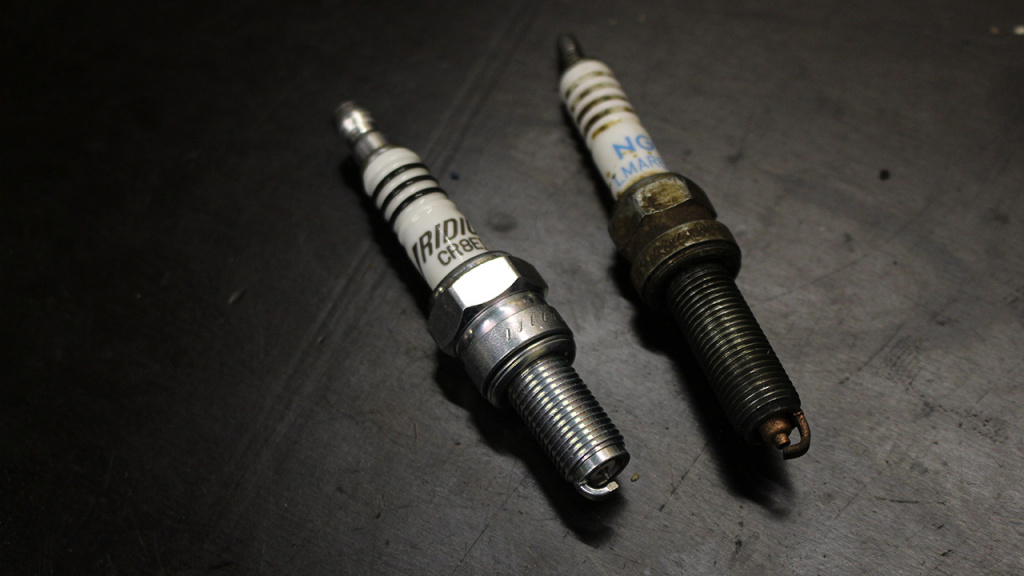
Spark plugs face constant heat and pressure inside engines. This causes gradual erosion of the electrodes. As they wear, sparks weaken and misfire rates rise. Regular replacement is necessary to keep engines running smoothly.
Carbon Deposits Buildup
Incomplete fuel burning leaves carbon deposits on spark plugs. These black, sooty layers block sparks. Carbon buildup reduces ignition efficiency and causes engine roughness. Cleaning or changing plugs stops these issues.
Oil Contamination
Oil leaks inside the combustion chamber coat spark plugs. Oil deposits prevent sparks from firing properly. This leads to poor engine performance and higher emissions. Fixing leaks and replacing plugs restore function.
Overheating Issues
Excessive heat can damage spark plugs quickly. Overheating melts the electrodes and insulator. This results in weak sparks and engine misfires. Proper cooling and choosing the right plug type prevent overheating.
Incorrect Spark Plug Gap
The gap between electrodes must be precise. Too wide or narrow gaps cause weak sparks or no spark. Incorrect gaps lead to poor fuel combustion and engine problems. Checking and adjusting the gap is essential.
Poor Fuel Quality
Low-quality fuel contains impurities that harm spark plugs. Deposits from bad fuel reduce spark plug life. Using clean, recommended fuel helps maintain spark plug condition and engine health.
Engine Misfires
Misfires strain spark plugs and cause damage. They happen when the fuel-air mix fails to ignite properly. Frequent misfires wear out plugs faster and reduce engine power. Diagnosing and fixing misfires improves spark plug life.
Credit: finntrail.com
Symptoms Of Bad Spark Plugs
Recognizing the symptoms of bad spark plugs can save you from unexpected breakdowns and costly repairs. Spark plugs play a crucial role in your engine’s performance, and when they start failing, your car will let you know in several noticeable ways. Paying attention to these signs helps you act quickly and keep your vehicle running smoothly.
Rough Engine Idle
If your engine feels shaky or uneven when idling, bad spark plugs might be the cause. Instead of a smooth hum, you may notice vibrations or a stuttering sound. This happens because faulty spark plugs can’t ignite fuel consistently, leading to uneven combustion.
Difficulty Starting Engine
Have you ever turned your key and the engine hesitated or took longer to start? Worn spark plugs can make ignition harder by failing to produce a strong enough spark. This issue becomes more obvious in cold weather or after your car has been sitting idle for a while.
Reduced Fuel Efficiency
Notice your gas mileage dropping without a change in driving habits? Bad spark plugs can cause incomplete fuel combustion, meaning your engine burns more fuel than necessary. This not only costs you money but also signals your engine isn’t performing at its best.
Engine Misfiring
Sudden jerks or pauses during acceleration are classic signs of engine misfires linked to spark plug trouble. Each misfire interrupts the smooth power delivery from your engine, making driving feel less responsive. Ignoring this can lead to further damage in the engine over time.
Loss Of Power
If your car struggles to accelerate or feels sluggish, suspect your spark plugs. Weak or fouled plugs limit the engine’s ability to generate power efficiently. This can be frustrating, especially when you need your vehicle to perform at its peak during overtaking or climbing hills.
Increased Emissions
Bad spark plugs can cause incomplete combustion, increasing harmful emissions from your vehicle. This might lead to failing an emissions test or triggering the check engine light. Keeping your spark plugs in good condition helps your car stay eco-friendly and compliant with regulations.
Easy Fixes For Spark Plug Problems
Spark plug problems can cause engine misfires and poor fuel efficiency. Fixing these issues helps your vehicle run smoothly. Many spark plug issues have simple solutions you can try at home. These easy fixes save money and extend spark plug life.
Cleaning Spark Plugs
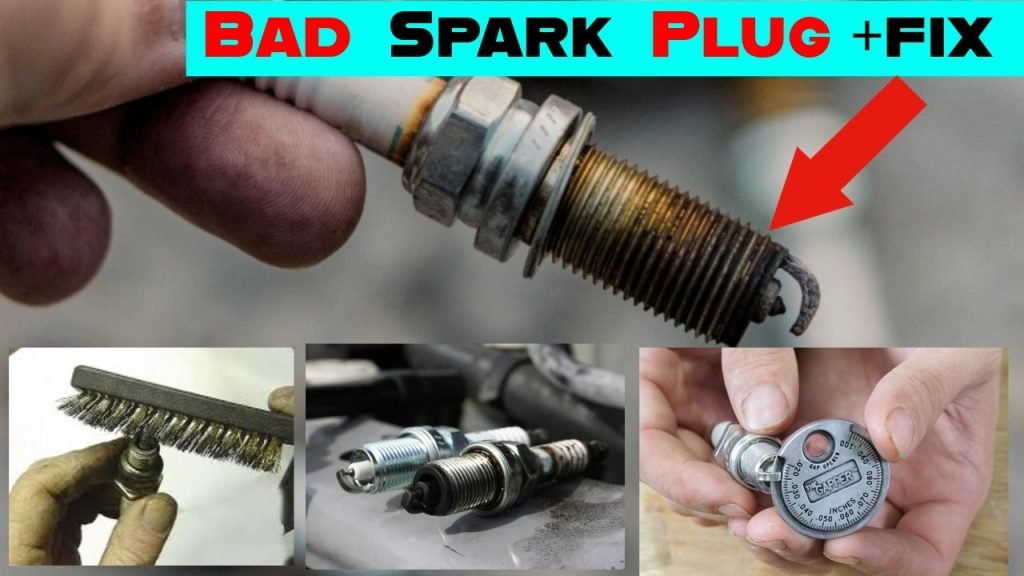
Dirty spark plugs cause weak sparks and engine trouble. Remove the plugs and clean them with a wire brush or spark plug cleaner. Remove carbon buildup and dirt gently. Dry the plugs before reinstalling to ensure good contact.
Replacing Worn Spark Plugs
Old spark plugs wear down and lose effectiveness. Replace them regularly to maintain engine power. Use the correct type and size for your vehicle. New plugs improve ignition and fuel economy.
Adjusting Spark Plug Gap
The gap between the spark plug electrodes affects spark strength. Check the gap with a feeler gauge. Adjust the gap to the manufacturer’s recommended size by bending the ground electrode carefully. Proper gaps ensure reliable ignition.
Using Quality Fuel
Low-quality fuel can cause deposits on spark plugs. Use good quality gasoline to reduce fouling. Clean fuel helps keep spark plugs and engine parts free of buildup. This improves engine performance and reduces maintenance.
Regular Engine Maintenance
Regular maintenance keeps spark plugs in good shape. Change oil, replace air filters, and check spark plug wires. Clean engines run cooler and reduce spark plug wear. Schedule tune-ups to catch issues early.
Checking Ignition System
Faulty ignition parts affect spark plug function. Inspect ignition coils, wires, and distributor caps for damage. Replace worn parts to ensure strong spark delivery. A healthy ignition system supports spark plug performance.

Credit: www.reddit.com
Preventing Future Spark Plug Issues
Preventing spark plug problems helps keep your engine running smoothly. Simple care steps extend spark plug life and improve fuel efficiency. Follow these tips to avoid early spark plug failure and costly repairs.
Follow Manufacturer Replacement Intervals
Check your vehicle’s manual for spark plug replacement schedules. Changing spark plugs on time prevents wear and poor engine performance. Old plugs cause misfires and reduce fuel economy.
Keep Engine Components Clean
Clean engine parts help spark plugs work better. Dirt and oil can cause plugs to foul and fail. Regular engine cleaning reduces buildup and keeps spark plugs firing properly.
Use Recommended Spark Plug Types
Choose spark plugs that match your vehicle’s specifications. Using the wrong type can cause damage or poor ignition. Stick to the brand and heat range suggested by the manufacturer.
Monitor Engine Performance
Watch for signs like rough idling or slow acceleration. These may indicate spark plug problems. Early detection allows quick fixes before damage worsens.
Address Engine Problems Promptly
Fix engine issues such as oil leaks or ignition faults quickly. These problems can harm spark plugs and reduce their lifespan. Prompt repairs protect your engine and spark plugs.
Frequently Asked Questions
What Are The Main Causes Of Spark Plug Failure?
Spark plugs fail mainly due to wear, carbon buildup, oil fouling, and overheating. These issues reduce ignition efficiency and engine performance, leading to misfires and poor fuel economy. Regular inspection and maintenance help prevent these problems.
How Does Carbon Buildup Affect Spark Plugs?
Carbon buildup insulates the spark plug, preventing proper spark formation. This leads to weak ignition, rough idling, and reduced engine power. Cleaning or replacing spark plugs regularly helps maintain optimal engine performance.
Can Overheating Damage Spark Plugs?
Yes, overheating can cause spark plugs to crack, wear out prematurely, or erode electrodes. This results in misfires and engine knocking. Proper engine cooling and timely spark plug replacement prevent overheating damage.
How Often Should Spark Plugs Be Replaced?
Most spark plugs should be replaced every 30,000 to 100,000 miles, depending on type and vehicle. Regular replacement ensures consistent engine performance, better fuel efficiency, and fewer ignition problems.
Conclusion
Spark plugs play a vital role in engine performance. They can wear out due to age, overheating, or oil contamination. Regular checks help catch issues early. Replace them when they show wear or damage. This keeps your vehicle running smoothly and efficiently.
Timely replacement can prevent costly repairs. A small part, but crucial for optimal engine function. Keep your vehicle in top shape by paying attention to spark plugs. Simple maintenance makes a big difference. Don’t overlook their importance. Protect your engine’s health and enjoy a smooth drive.
Stay aware, stay efficient.





