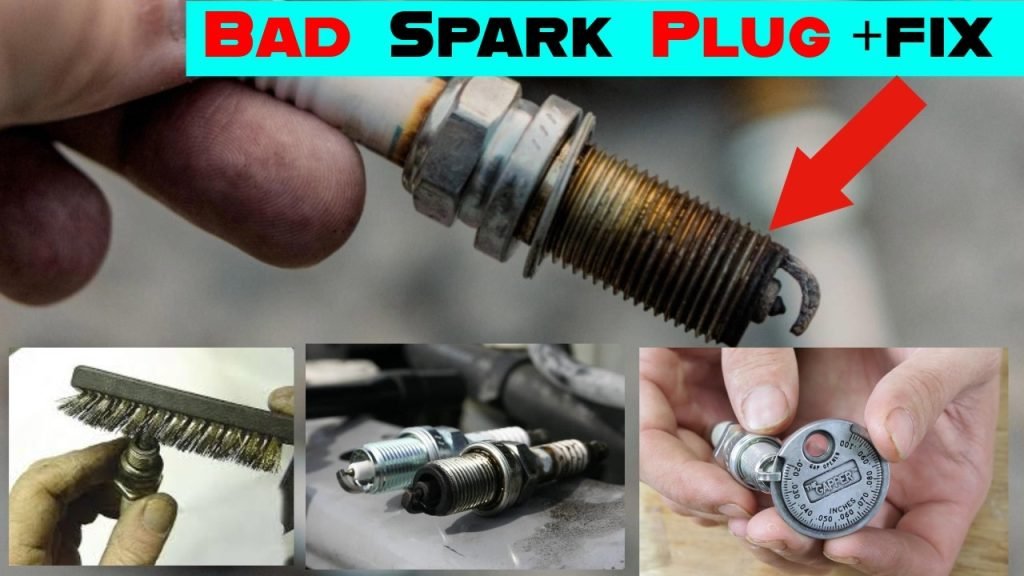
Are you noticing your car isn’t running as smoothly as it used to? Perhaps it’s struggling to start, or maybe it’s not accelerating like it once did.
These could be signs pointing to an often overlooked but crucial component: your spark plugs. When your spark plugs are in bad shape, they can wreak havoc on your car’s performance, fuel efficiency, and even lead to costly repairs. Understanding the symptoms of bad spark plugs can save you time, money, and stress.
You’ll discover the telltale signs that indicate your spark plugs might need some attention, ensuring your car remains reliable and efficient. Stick with us as we delve into these symptoms and help you keep your vehicle in top shape!
Common Spark Plug Symptoms
Recognizing the common symptoms of bad spark plugs can save you from unexpected car troubles and costly repairs. Spark plugs play a crucial role in igniting the air-fuel mixture inside your engine. When they start to fail, your vehicle’s performance immediately takes a hit, often in ways that are easy to notice if you know what to look for.
Engine Misfires
One of the clearest signs of worn spark plugs is engine misfiring. You might feel your car jerk or hesitate during acceleration. This happens because the spark plug isn’t firing correctly, causing incomplete combustion in one or more cylinders.
Have you ever experienced a sudden loss of power while driving? That could be your spark plugs struggling to keep up. Fixing this early prevents further damage to your engine.
Difficulty Starting
If your car takes longer than usual to start or requires several attempts, bad spark plugs might be the cause. Spark plugs provide the initial spark that ignites your engine’s fuel; without a strong spark, starting becomes frustratingly slow.
Think about how your car starts on cold mornings. A weak or inconsistent spark can make starting feel like a guessing game, especially in chilly weather. Don’t ignore this warning sign.
Poor Fuel Economy
Noticing you’re filling up your gas tank more often? Faulty spark plugs can cause your engine to burn fuel inefficiently. This means your car uses more gas to go the same distance.
Tracking your fuel costs month-to-month can reveal if your spark plugs are to blame. Improving this can save you money and reduce your carbon footprint.
Rough Idling
When your engine feels rough or shaky while idling, your spark plugs might be misfiring. This uneven engine behavior is a direct result of inconsistent sparks causing incomplete combustion.
Imagine sitting at a stoplight and feeling your car vibrate more than usual. That’s a telltale sign that your spark plugs need attention. Addressing this early keeps your ride smooth and comfortable.

Credit: www.youtube.com
Performance Issues
Performance issues are often the first sign that your spark plugs might be failing. These small components play a huge role in keeping your engine running smoothly. If you notice your vehicle isn’t responding the way it used to, your spark plugs could be the culprit.
Lack Of Acceleration
Have you ever pressed the gas pedal and felt nothing happen right away? That hesitation or delay in acceleration is a common symptom of bad spark plugs. Worn or dirty plugs struggle to ignite the fuel-air mixture efficiently, causing your engine to lag when you need power most.
This means your car might feel sluggish during everyday driving or when merging onto a highway. If you want to regain that quick response, checking your spark plugs is a smart first step.
Engine Surging
Engine surging feels like your car is suddenly speeding up and slowing down without your input. This uneven power delivery can make driving unpredictable and even unsafe. Bad spark plugs can cause inconsistent firing, leading to this jerky behavior.
Think about the last time your engine hesitated or revved oddly—did it coincide with rough idling or shaky movements? That’s a red flag you shouldn’t ignore.
Reduced Power Output
If your vehicle seems weaker on hills or struggles to maintain speed, reduced power output might be at play. Spark plugs that fail to generate a strong spark reduce combustion efficiency, robbing your engine of its full strength.
You don’t have to put up with a car that feels less powerful. Regularly inspecting and replacing spark plugs can help maintain your engine’s peak performance and fuel economy.
Visual Signs On Spark Plugs
Visual signs on spark plugs can tell you a lot about the health of your engine. Checking your spark plugs regularly is a simple way to spot problems before they escalate. Knowing what to look for can save you time and money on repairs.
Carbon Fouling
Carbon fouling appears as a dry, black soot covering the spark plug tip. It often results from an overly rich fuel mixture or frequent short trips where the engine doesn’t fully warm up. If you notice this, your engine may be running inefficiently, causing poor fuel economy and rough idling.
Oil Deposits
Oil deposits on spark plugs look wet and shiny, sometimes with a dark brown or black color. This indicates oil is leaking into the combustion chamber, often due to worn piston rings or valve seals. Ignoring this can lead to more serious engine damage, so it’s important to address oil leaks quickly.
Worn Electrodes
Electrodes wear down over time, becoming rounded or eroded. This wear affects spark quality and can cause misfires or difficulty starting your vehicle. If your spark plugs look like this, replacing them can restore smooth engine performance and improve fuel efficiency.

Credit: craigscarcare.com
Warning Lights And Diagnostics
Warning lights and diagnostics are key tools for spotting bad spark plugs. They alert drivers to problems early. These signals help prevent engine damage and costly repairs. Understanding these warnings can save time and money.
Check Engine Light
The check engine light often turns on due to spark plug issues. This light means the car’s computer found a problem. It may blink or stay steady. A blinking light warns of serious misfires that need quick attention. A steady light suggests a less urgent issue but still requires a check.
Error Codes Related To Ignition
Diagnostic scanners read error codes from the car’s computer. Codes like P0300 to P0312 indicate ignition problems. They point to misfires in specific cylinders or general ignition faults. These codes help mechanics find which spark plugs cause trouble. Quick diagnosis leads to faster, more accurate repairs.
Effects On Emissions
Bad spark plugs affect your car’s emissions. They cause incomplete fuel burning. This leads to harmful gases leaving the tailpipe. Poor combustion increases pollutants and smoke. It can also cause your car to fail emission tests. Understanding these effects helps keep your vehicle clean and efficient.
Increased Exhaust Smoke
Faulty spark plugs cause poor ignition of fuel. Unburned fuel exits through the exhaust. This creates thick, black, or white smoke. The smoke may smell stronger than usual. Excess smoke shows your engine is not running right. It also harms the environment by releasing more pollutants.
Failed Emission Tests
Emission tests measure harmful gases from your vehicle. Bad spark plugs raise levels of carbon monoxide and hydrocarbons. These gases fail to meet legal limits. A failed test means your car is not eco-friendly. You may face fines or need repairs. Replacing spark plugs often solves this problem fast.

Credit: www.r6messagenet.com
When To Replace Spark Plugs
Knowing when to replace your spark plugs can save you from unexpected car troubles and keep your engine running smoothly. Spark plugs wear out over time, and ignoring the signs can lead to poor fuel efficiency, engine misfires, or even costly repairs. Understanding the right timing and recognizing warning signals helps you maintain your vehicle’s performance without guesswork.
Mileage Recommendations
Most spark plugs have a recommended replacement interval based on mileage. Typically, standard copper plugs last about 20,000 to 30,000 miles, while platinum or iridium plugs can last up to 60,000 to 100,000 miles.
Your vehicle’s owner manual is the best place to check the exact mileage recommendation. If you’ve hit that mileage or are close to it, planning a replacement soon is wise. Remember, driving conditions like frequent short trips or heavy traffic can cause plugs to wear out faster.
Signs It’s Time For New Plugs
Watch for these common symptoms that indicate your spark plugs need replacement:
- Engine Misfires:Notice your engine stuttering or hesitating? Misfires often point to worn or dirty spark plugs.
- Hard Starts:If your car struggles to start or requires multiple attempts, spark plugs might be the culprit.
- Reduced Fuel Efficiency:A drop in miles per gallon can happen when plugs don’t ignite fuel efficiently.
- Rough Idling:Feeling unusual vibrations or roughness when the engine is idle often signals plug problems.
- Check Engine Light:A sudden check engine light can sometimes be traced back to spark plug issues.
Have you ever ignored these signs only to face a breakdown later? Don’t wait until a small spark plug issue turns into a big hassle. Checking spark plugs during regular maintenance can keep surprises at bay and your car running strong.
Frequently Asked Questions
What Are The Common Signs Of Bad Spark Plugs?
Common signs include engine misfires, rough idling, poor acceleration, and reduced fuel efficiency. Spark plugs cause ignition issues when worn or dirty.
How Does A Faulty Spark Plug Affect Engine Performance?
A faulty spark plug causes weak combustion, leading to rough running, misfires, and power loss. It also increases fuel consumption and emissions.
Can Bad Spark Plugs Cause Starting Problems?
Yes, worn spark plugs can make starting difficult. They fail to ignite the fuel-air mixture properly, causing engine crank but no start.
Why Does My Car Misfire With Bad Spark Plugs?
Bad spark plugs cause incomplete combustion in cylinders. This results in engine misfires, rough running, and noticeable vibrations during acceleration or idling.
Conclusion
Bad spark plugs cause many car problems. You may notice rough idling, poor fuel economy, or hard starts. Engine misfires and loss of power often occur. These signs mean your spark plugs need checking soon. Fixing them keeps your car running smooth and saves money.
Don’t ignore these symptoms to avoid bigger repairs. Regular maintenance helps your engine stay healthy. Keep an eye on your car’s performance. It pays to act early and drive safely.





