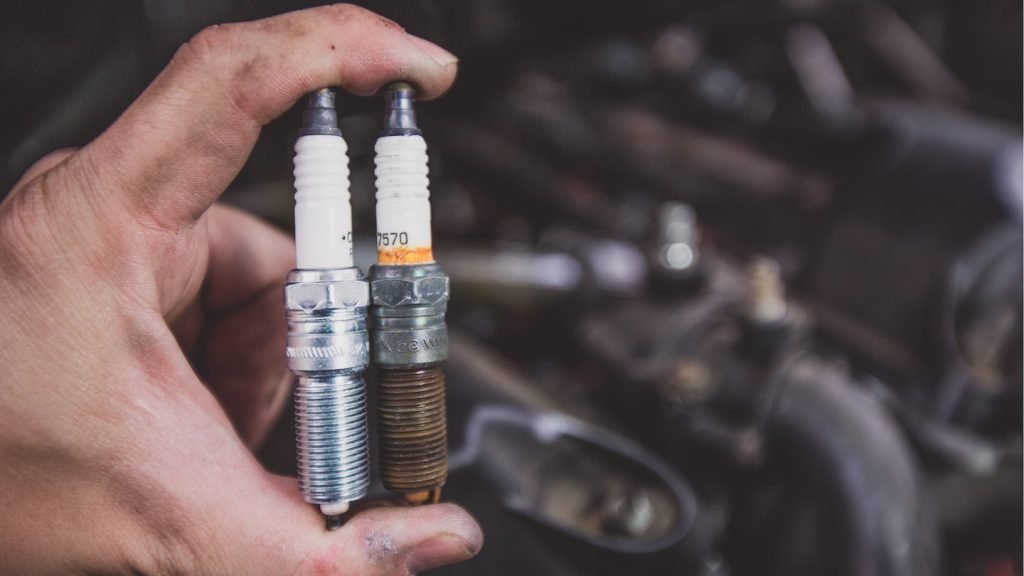
Have you ever wondered what keeps your car engine running smoothly? If you’re like most people, you might not give it much thought until something goes wrong.
One small yet crucial component that plays a significant role in your vehicle’s performance is the spark plug. These little wonders might seem insignificant, but they are essential for igniting the fuel-air mixture that powers your car. Without them, you’d be going nowhere fast.
So, what exactly are spark plugs in a car, and why should you care about them? By the end of this article, you’ll understand their vital role and how they can impact your driving experience. Keep reading to discover how these tiny devices can make a world of difference in your daily commute.
Role Of Spark Plugs
Spark plugs play a crucial role in a car’s engine. They create the spark that starts the combustion process. Without spark plugs, the engine cannot run efficiently or at all. Their role ensures the engine ignites the fuel-air mixture properly. This ignition drives the car’s power and performance.
Ignition Process In Engines
The ignition process begins inside the engine’s cylinders. A mix of fuel and air fills the cylinder. The spark plug then produces a spark at just the right moment. This spark ignites the fuel-air mixture. The burning mixture creates an explosion that pushes the piston. This movement powers the engine and moves the car forward.
Spark Plug Functionality
Spark plugs convert electrical energy into a spark. They receive a high voltage from the ignition coil. The spark plugs create a small, controlled spark in the combustion chamber. This spark must be strong enough to ignite the fuel-air mix. They also help transfer heat away from the combustion chamber. Proper spark plug function improves fuel efficiency and engine performance.
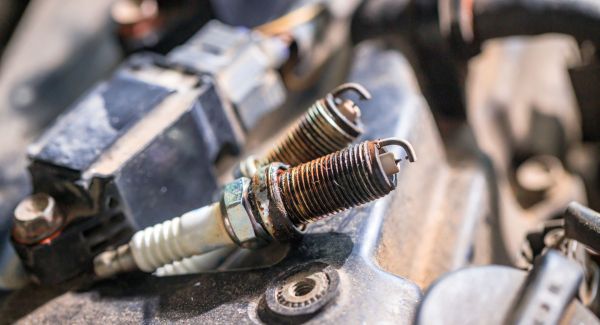
Credit: www.waynesgarageinc.net
Types Of Spark Plugs
Spark plugs come in different types to suit various engines and driving needs. Each type uses a unique material for its electrodes. This affects performance, lifespan, and cost. Understanding the types helps choose the right spark plug for your car.
Copper Spark Plugs
Copper spark plugs have a solid copper core. They provide excellent heat conductivity. This helps keep the engine cool during combustion. Copper plugs are often the cheapest option. They work well in older engines but wear out faster. Frequent replacement is necessary for copper plugs.
Platinum Spark Plugs
Platinum spark plugs last longer than copper ones. They have a platinum disc welded to the electrode tip. This makes the spark plug more durable and resistant to wear. Platinum plugs improve ignition efficiency and fuel economy. They are a good choice for daily driving and modern engines.
Iridium Spark Plugs
Iridium spark plugs are the most durable and efficient. The electrode tip is made of iridium, a very hard metal. These plugs provide a strong, consistent spark. They offer better fuel efficiency and smoother engine performance. Iridium plugs usually cost more but need less frequent replacement.
Signs Of Worn Spark Plugs
Worn spark plugs can cause several problems in your car’s engine. They affect how well your engine runs and can lead to bigger issues if ignored. Recognizing the signs early helps keep your vehicle in good shape.
Engine Misfires
One common sign of worn spark plugs is engine misfires. This happens when the spark plug fails to ignite the fuel properly. You might feel the engine stutter or jerk while driving. Misfires can also cause rough idling and loss of power.
Poor Fuel Economy
Worn spark plugs reduce fuel efficiency. They do not burn fuel as cleanly as new ones. This means the engine uses more gas to perform the same work. You will notice more frequent trips to the gas station and higher fuel costs.
Starting Issues
Starting the car can become difficult with bad spark plugs. The engine may crank longer before starting or fail to start at all. This happens because the spark plugs cannot create a strong enough spark to ignite the fuel-air mix.

Credit: carfromjapan.com
Choosing The Right Spark Plugs
Choosing the right spark plugs is key for your car’s performance. The correct plugs improve fuel efficiency and engine power. Wrong plugs can cause misfires and poor starts. Understanding factors like engine type, heat range, and gap settings helps you pick the best fit.
Compatibility With Engine Type
Not all spark plugs fit every engine. Check your car’s manual for recommended plug types. Engines differ in size and design. Some need iridium plugs, others copper or platinum. Using compatible plugs ensures smooth ignition and avoids damage.
Heat Range Considerations
Heat range shows how well a spark plug handles temperature. A plug too hot can cause pre-ignition. A plug too cold may foul quickly. Match the heat range to your driving style and engine design. This balance keeps your engine running clean and cool.
Gap Settings
The gap is the space between the spark plug’s electrodes. Proper gap size is crucial for efficient sparks. Too wide a gap makes starting hard. Too narrow a gap reduces power. Always set the gap according to your car’s specifications for best results.
Installing Spark Plugs
Installing spark plugs is a key part of car maintenance. Good spark plugs help the engine run smoothly and save fuel. Replacing old or faulty spark plugs boosts engine performance and reliability.
The process is simple with the right tools and steps. Careful installation avoids engine problems and ensures long-lasting spark plugs. Follow these instructions to install spark plugs safely and effectively.
Tools Needed
- Spark plug socket
- Ratchet wrench
- Torque wrench
- Spark plug gap tool
- Extension bar (optional)
- Anti-seize compound (optional)
- Compressed air or brush
- Gloves and safety glasses
Step-by-step Installation
- Remove the engine cover if needed to access spark plugs.
- Clean the area around spark plugs using compressed air.
- Disconnect the spark plug wire or coil pack carefully.
- Use the spark plug socket and ratchet to loosen and remove old plugs.
- Check and adjust the gap on new spark plugs with the gap tool.
- Apply a small amount of anti-seize on the plug threads if desired.
- Insert the new spark plug by hand to avoid cross-threading.
- Tighten the spark plug with a torque wrench to the manufacturer’s specs.
- Reconnect the spark plug wire or coil pack firmly.
- Replace the engine cover and start the engine to test.
Safety Tips
- Work on a cool engine to avoid burns.
- Wear gloves and safety glasses for protection.
- Disconnect the battery if needed to prevent shocks.
- Handle spark plug wires gently to avoid damage.
- Use the correct spark plug type for your car model.
- Do not over-tighten spark plugs to avoid thread damage.
- Keep the work area clean and organized.
Maintaining Spark Plug Performance
Maintaining your car’s spark plugs is crucial for keeping the engine running smoothly and efficiently. Ignoring their condition can lead to poor fuel economy, rough idling, or even engine misfires. Paying attention to their performance means you save money on repairs and enjoy a more responsive drive.
Cleaning Techniques
Keeping spark plugs clean helps maintain their ability to ignite the fuel-air mixture effectively. You can clean them by gently brushing off carbon deposits with a wire brush or using a specialized spark plug cleaner. Avoid harsh abrasives or sandblasting, as these can damage the electrode and reduce lifespan.
After cleaning, check for oil or fuel residue that might indicate other engine problems. If the deposits keep coming back quickly, you might need to investigate further or replace the plugs altogether.
Regular Inspection
Checking your spark plugs regularly is a simple way to catch issues early. Look for signs like worn electrodes, cracks in the ceramic insulator, or heavy buildup of deposits. These signs point to reduced performance or potential failure.
Try inspecting them every 20,000 to 30,000 miles, or more often if your car shows rough idling or trouble starting. Have you noticed your engine hesitating or losing power? Spark plug inspection might be the first place to check.
Replacement Intervals
Replacing spark plugs at the right time prevents engine problems and maintains fuel efficiency. Most manufacturers recommend changing them between 30,000 and 100,000 miles, depending on the plug type and driving conditions.
High-performance or iridium spark plugs usually last longer, but if you notice persistent misfires or poor fuel economy, don’t wait for the mileage limit. Consider your driving habits and environment—stop-and-go city traffic wears them faster than highway cruising.
Impact On Car Performance
The condition of your car’s spark plugs plays a crucial role in how well your vehicle performs. These small components directly influence key aspects like acceleration, fuel use, and emissions. Understanding their impact can help you maintain your car better and avoid unexpected issues on the road.
Acceleration And Power
Your car’s spark plugs ignite the air-fuel mixture inside the engine cylinders. If the plugs are worn or dirty, the ignition can be weak or inconsistent. This leads to sluggish acceleration and a noticeable drop in engine power.
Think about times when your car felt slow to respond or struggled going uphill. Often, this happens because the spark plugs aren’t firing properly. Replacing or cleaning them can bring back the quick throttle response and smooth power delivery you expect.
Fuel Efficiency
Efficient combustion depends heavily on spark plugs firing at the right moment. Faulty plugs cause incomplete burning of fuel, which wastes gas and reduces mileage. You might notice you’re filling up the tank more often than usual without driving more.
Improving your spark plug condition is one of the simplest ways to save on fuel costs. It’s a small maintenance step that can have a significant effect on how far your car goes per gallon.
Emission Control
Bad spark plugs can increase harmful emissions by causing unburned fuel to exit the engine. This not only harms the environment but can also cause your car to fail emission tests. If you care about your car passing inspections and running clean, don’t overlook spark plugs.
Keeping spark plugs in good shape helps your vehicle burn fuel more completely, reducing smoke and toxic gases. Ask yourself: when was the last time you checked your plugs? It might be time to give them a look for the sake of cleaner air and a healthier engine.

Credit: simonsautorepairtaunton.com
Frequently Asked Questions
What Are The Main Functions Of Spark Plugs?
Spark plugs ignite the air-fuel mixture in the engine cylinders. They create a spark that starts combustion. This process powers the engine and keeps the car running efficiently.
How Often Should Spark Plugs Be Replaced?
Typically, spark plugs should be replaced every 30,000 to 100,000 miles. Replacement depends on the type and vehicle usage. Regular checks ensure optimal engine performance and fuel efficiency.
What Causes Spark Plugs To Fail Prematurely?
Spark plugs can fail due to carbon buildup, oil leaks, or overheating. Faulty ignition systems and poor fuel quality also contribute. Regular maintenance helps prevent premature failure.
How Do Bad Spark Plugs Affect Car Performance?
Bad spark plugs cause misfires, poor fuel economy, and rough idling. They reduce engine power and increase emissions. Timely replacement improves overall vehicle performance and smooth operation.
Conclusion
Spark plugs help your car start and run smoothly. They create sparks that ignite the fuel inside the engine. Without good spark plugs, the engine may run poorly or not start at all. Regularly checking and replacing spark plugs keeps your car healthy.
It also saves fuel and lowers harmful emissions. Understanding spark plugs helps you care for your vehicle better. Simple maintenance can avoid costly repairs later. Keep your car’s spark plugs clean and in good shape. Your engine will thank you with better performance and reliability.





