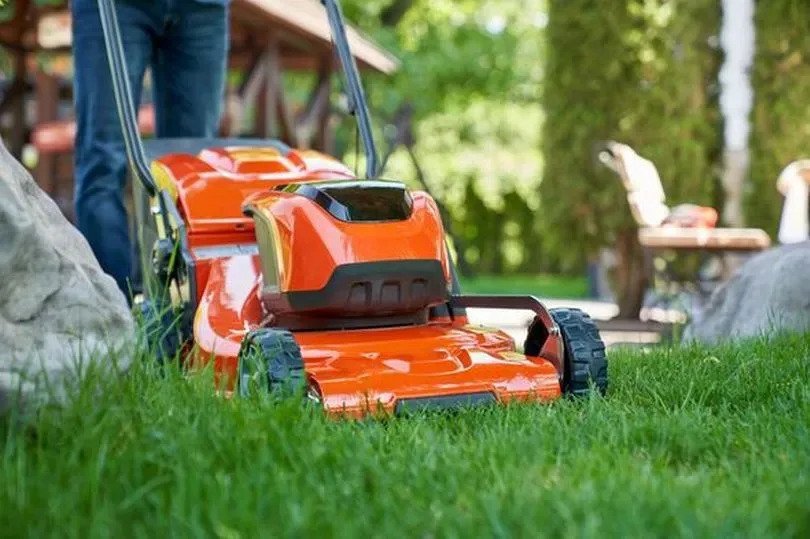
Have you ever stopped to think about what happens to the tiny creatures living in your lawn when you mow it? Your regular mowing routine might be doing more harm than you realize.
Insects play a big role in keeping your garden healthy, but cutting the grass could be putting their homes and lives at risk. If you care about your lawn and the little bugs that make it thrive, keep reading to discover how mowing affects them—and what you can do to help protect your backyard’s tiny heroes.

Credit: www.yahoo.com
Impact Of Mowing On Insect Populations
Mowing the lawncan remove plants that insects use for food and shelter. This reduces safe spacesfor many bugs to live and hide. Some insects lay eggs on grass or flowers. Cutting grass interrupts their life cycleand stops new bugs from growing.
Insects like bees and butterflies need flowers for nectar. Mowing often cuts these flowers down before insects can feed. This can lower the number of pollinatorsin your yard.
- Habitat loss:Less grass and flowers means fewer homes for insects.
- Life cycle disruption:Eggs and larvae may get destroyed by mower blades.
- Food shortage:Fewer flowers mean less nectar for important insects.

Credit: uk.style.yahoo.com
Types Of Insects Affected By Lawn Mowing
Pollinatorssuch as bees, butterflies, and ladybugs are key to plant life. Mowing can disturb their habitats and food sources. These insects help flowers grow by moving pollen from one plant to another.
Beneficial insectslike spiders and predatory beetles control pests naturally. Mowing may reduce their hiding spots and lower their numbers. This can lead to more plant damage from harmful bugs.
Soil-dwelling insectslive in the ground and help break down dead leaves and plants. Earthworms and ants improve soil health and water flow. Cutting grass too short or too often can harm these insects by exposing them to the sun.
Ground insectssuch as beetles and crickets often hide under grass blades. Frequent mowing can crush them or force them to leave. Less insect life means fewer food options for birds and other animals.
Frequency And Timing Of Mowing
Frequent mowingcan harm insects by destroying their homes. It is best to mow less often to help them survive. Grass left longer gives insects a safe place to live and hide.
Mowing too often stops flowers from growing. Flowers are important food for many insects like bees and butterflies. Letting grass grow a bit longer supports their needs.
- Best mowing timesare late morning or early afternoon.
- Insects are less active then, so fewer get hurt.
- Avoid mowing early morning or evening when bugs are most active.
- Try to mow only when grass needs it, not on a strict schedule.
Lawn Management Practices That Help Insects
Mowing the lawn less often helps insects. Long grass is a safe home. Cutting at the right height is key. Let the grass grow a bit longer. It provides shelter for small creatures. Use manual tools like scythes or push mowers. They are gentler on the ground. Electric mowers make less noise. This is good for insects. Avoid mowing when flowers bloom. Bees and butterflies need them.
Design special spaces for insects. Plant wildflowers that attract bees. Native plants are best for local bugs. Add small water sources like birdbaths. Insects need water too. Leave some leaves on the ground. They make great insect homes. Avoid chemicals that harm bugs. Use natural pest control methods. Create small rock piles or wood logs. Insects love to hide there.
Environmental Benefits Of Insect-friendly Lawns
Insect-friendly lawnshelp increase biodiversity. These lawns support many types of insects. They provide safe homesand food sourcesfor bugs like bees, butterflies, and beetles.
Such lawns improve pollination. Pollinators move pollen from flower to flower. This helps plants grow and produce fruits. Healthy pollination keeps the whole ecosystem strong.
- More insects mean better soil health.
- Insects break down dead plants and waste.
- They serve as food for birds and other animals.
Less mowing allows wildflowers to bloom. Wildflowers attract more pollinators and other useful insects. This supports a balanced and healthy environment.

Credit: mygardenlife.com
Frequently Asked Questions
Does Mowing Lawn Harm Beneficial Insects?
Mowing can disturb insects, reducing habitat and food sources. However, frequent mowing limits flowering plants that attract pollinators. Less mowing or varied mowing schedules help preserve beneficial insect populations and support biodiversity in lawns.
How Often Should I Mow To Protect Insects?
Mow less frequently to allow flowering plants to grow. This supports insects by providing nectar and shelter. Aim for mowing every 2-3 weeks during peak insect activity to balance lawn care and insect protection.
Can Mowing Times Affect Insect Survival?
Yes, mowing during peak insect activity can harm them. Early morning or late evening mowing reduces insect disturbance. Adjust mowing schedules to avoid active insect periods and minimize harm.
What Lawn Alternatives Support More Insects?
Planting wildflowers, native grasses, or creating insect-friendly zones supports insects better than traditional lawns. These alternatives provide nectar, pollen, and shelter, promoting a healthy insect ecosystem in your yard.
Conclusion
Mowing your lawn can harm insects by destroying their homes. Cutting grass too short leaves little shelter for bugs. Many insects rely on tall grass to hide and feed. Letting some areas grow wild helps protect these tiny creatures. Try mowing less often or raising your mower blade.
Small changes make a big difference for insect life. Healthy lawns support more insects and improve your garden. Balance lawn care with nature’s needs for a thriving yard.





