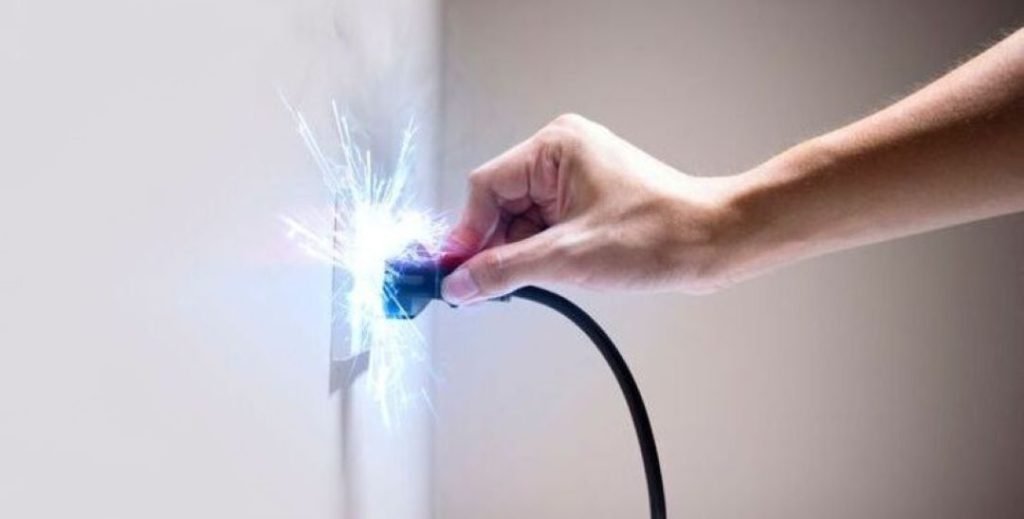
Have you ever plugged in an appliance only to see a sudden spark? It might have caught you off guard, leaving you to wonder, “Is it dangerous if a plug sparks?”
This seemingly small event can send a jolt of worry through your mind, and rightly so. Electrical sparks can be more than just a minor inconvenience—they could be a sign of a larger issue lurking in your home. Understanding the reasons behind this phenomenon and knowing what steps to take can protect your home and ensure your peace of mind.
We’ll unravel the mystery behind sparking plugs and guide you on how to handle them safely. Ready to transform your worry into knowledge? Let’s dive in.
Credit: www.angi.com
Why Plugs Spark
Have you ever noticed a small spark when you plug in a device? Understanding why plugs spark can help you decide if it’s harmless or a warning sign. Sparks happen due to the flow of electricity, but not every spark means danger.
Common Causes
Sparks often appear because of the sudden connection of electricity to a device. When you insert a plug, the electrical contacts inside the socket and plug meet, sometimes causing a tiny spark. This usually happens because the circuit is completing, allowing current to flow.
Other causes include:
- Loose connections inside the plug or outlet
- Worn-out or damaged wiring
- High power demand from the device being plugged in
- Moisture or dirt inside the outlet
When Sparks Are Normal
A small, quick spark when plugging in a device can be normal, especially if the appliance has a motor or a capacitor. This happens because these components draw a short burst of electricity at startup. For example, plugging in a vacuum cleaner or a refrigerator may cause this brief spark without any risk.
Ask yourself: Does the spark last only a second or two? Is the plug and outlet in good condition? If yes, then the spark is likely harmless.
When Sparks Indicate Trouble
If you notice frequent sparks or sparks accompanied by burning smells, heat, or visible damage, it’s a red flag. This could mean loose wiring, faulty outlets, or overloaded circuits that might lead to electrical fires.
Repeated sparking could also indicate worn-out plugs or sockets needing replacement. Don’t ignore sparks that happen every time you plug in a device—these signs need immediate attention to keep you safe.
Risks Of Sparking Plugs
Sparking plugs might seem like a minor nuisance, but they carry serious risks that you shouldn’t ignore. Understanding these dangers helps you take quick action to protect your home and devices. Let’s break down the key risks you face when a plug sparks.
Fire Hazards
Sparks from a plug can easily ignite nearby flammable materials. Dust, fabric, or paper near the outlet can catch fire within seconds.
I once noticed a spark while plugging in a heater. A small flame started, and I quickly unplugged it before things got worse. This close call taught me how fast a spark can turn dangerous.
Always check the outlet for signs of burning or melting plastic. If you see any, stop using it immediately and get it inspected by a professional.
Electrical Shocks
Sparks often signal faulty wiring or loose connections. These issues increase the risk of electrical shocks, which can cause serious injury.
Have you ever felt a slight shock when touching a plug? That’s a warning sign. Ignoring it puts you at risk every time you use the outlet.
To stay safe, avoid touching sparking plugs and call an electrician to fix the problem. Your safety is worth the cost.
Damage To Devices
Electrical sparks can send voltage spikes through your devices, damaging sensitive components. This can shorten the lifespan of your electronics or destroy them completely.
Imagine losing your laptop or TV due to a faulty plug. It’s frustrating and expensive.
Using surge protectors and fixing sparking plugs quickly helps protect your devices from unexpected damage.
Immediate Actions To Take
Seeing sparks from a plug can be alarming. Acting quickly and correctly can prevent further damage or risk. Here are some immediate steps to protect yourself and your home.
Unplugging Safely
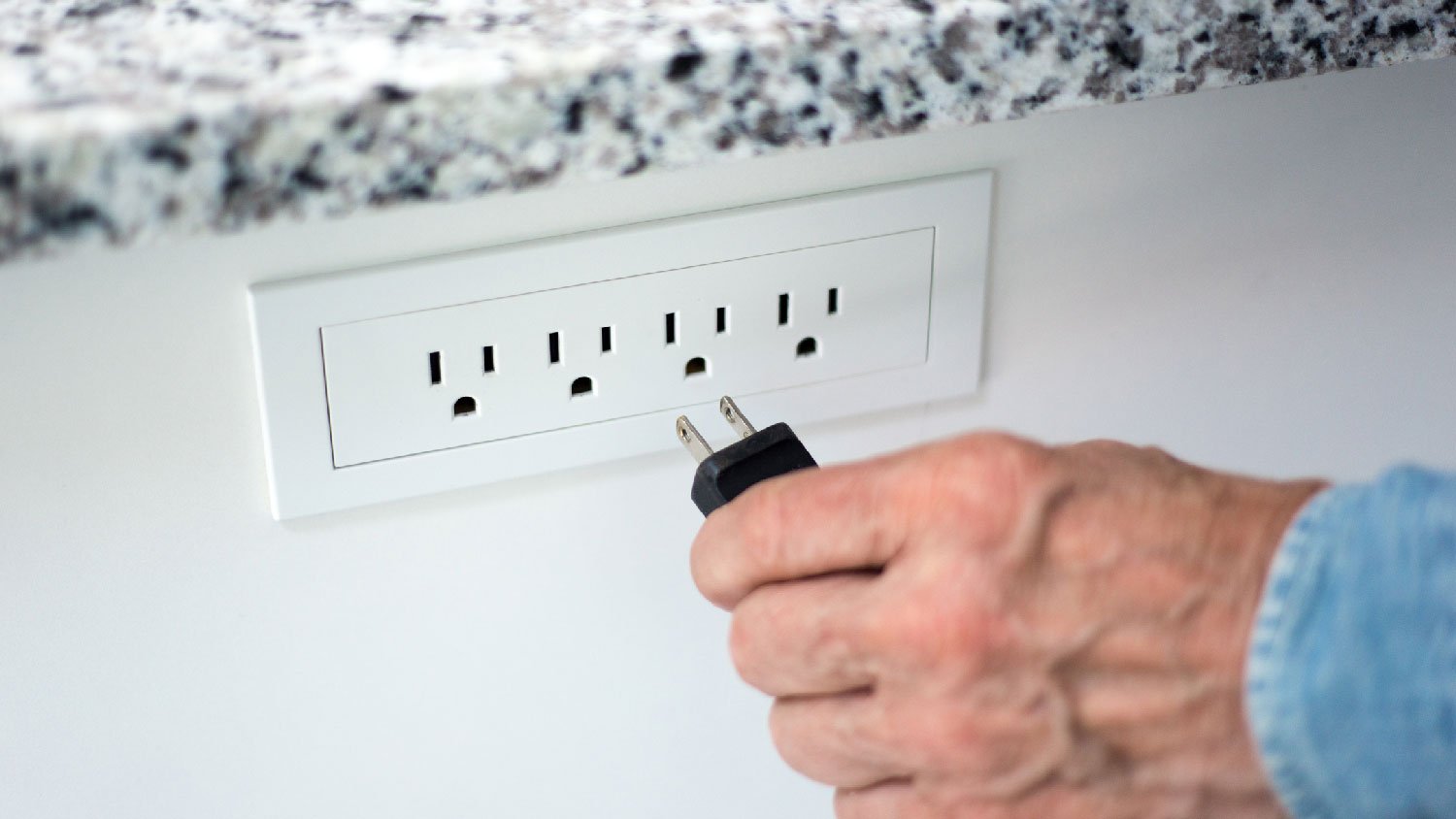
First, do not rush to pull the plug out with wet hands or force it. Instead, switch off the appliance connected to the plug if possible. Then, firmly grasp the plug—not the cord—and pull it straight out of the socket.
This careful approach reduces the chance of electrical shock or damaging the wiring further. Have you ever yanked a cord and caused more problems? Taking your time here makes all the difference.
Checking For Visible Damage
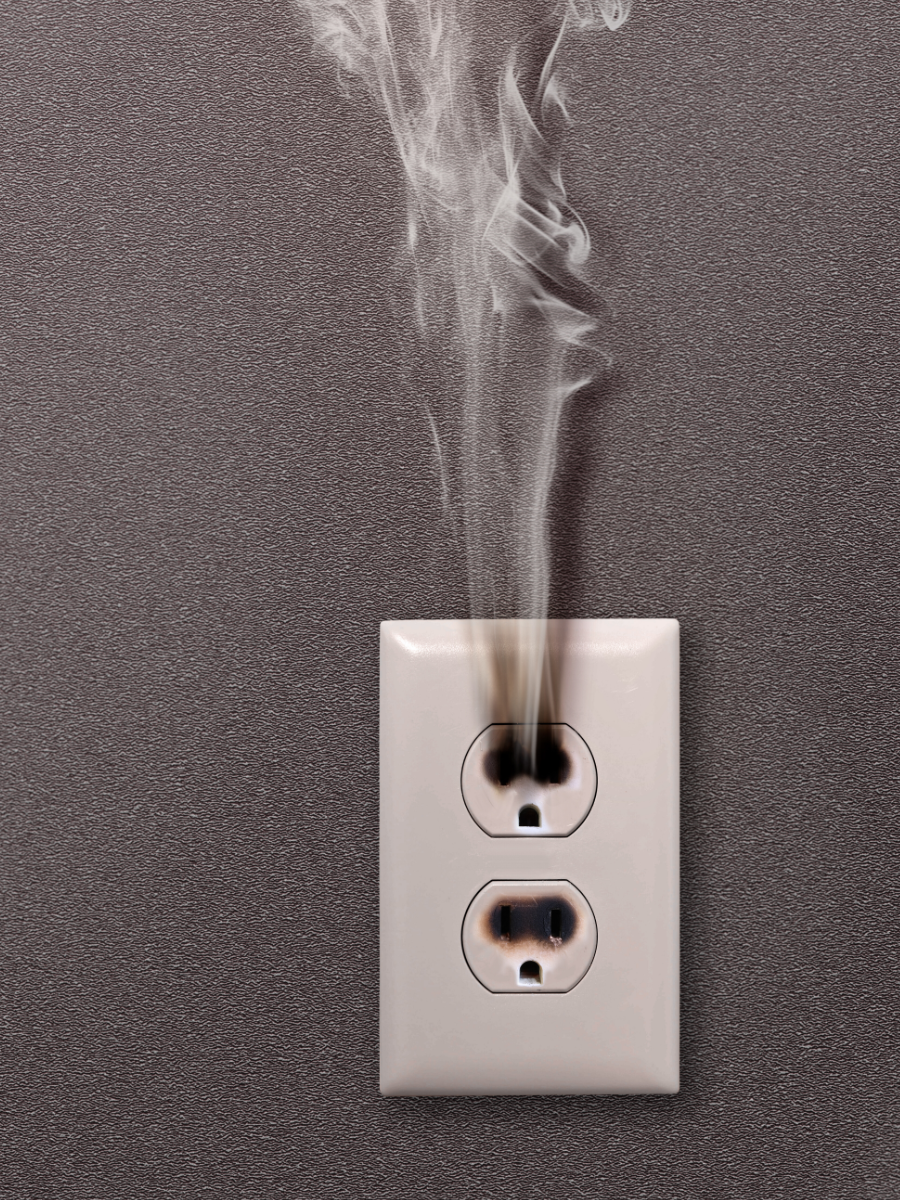
After unplugging, examine the plug and socket closely. Look for scorch marks, melted plastic, or exposed wires. These signs indicate serious electrical issues that need professional attention.
Even if the damage seems minor, don’t ignore it. Faulty plugs can quickly become fire hazards or cause shocks, so consider replacing or repairing them promptly.
Avoiding Water Near Sparks
Water and electricity never mix safely. If you notice sparks, make sure no liquids are nearby. Even a small spill near a sparking plug can cause short circuits or electric shocks.
Think about your kitchen or bathroom—areas prone to moisture—and keep plugs dry and away from sinks or wet counters. Have you checked your home for such risky spots recently?
Credit: maxelectric.us
Preventing Plug Sparks
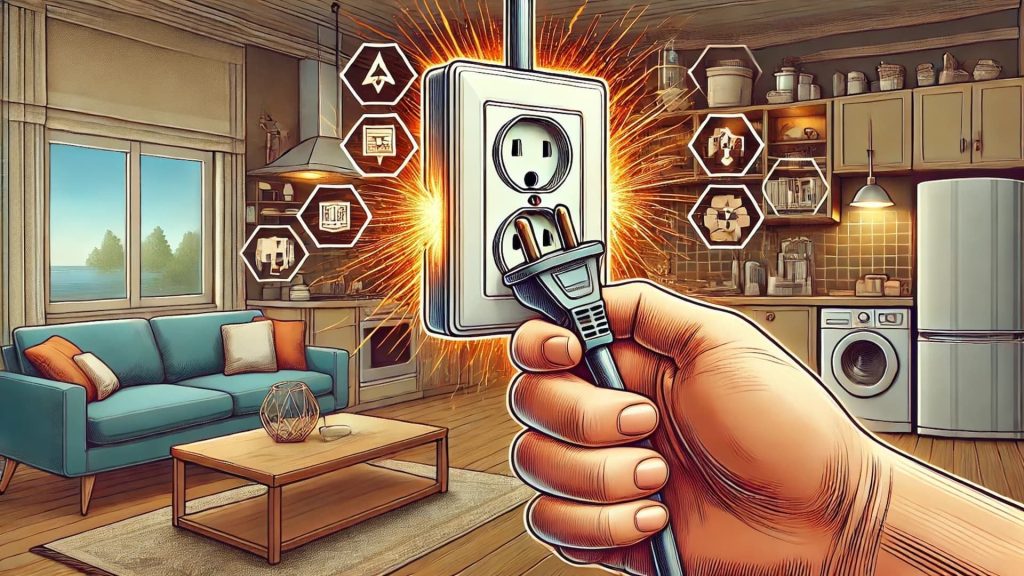
Preventing plug sparks is crucial for home safety. Sparks can cause fires or damage electrical devices. Taking simple steps reduces risks and keeps your home safe.
Using Quality Plugs And Sockets
Choose plugs and sockets made from strong materials. Cheap ones may have loose connections that cause sparks. Look for products with safety certifications. Replace old or damaged plugs promptly. Good quality parts ensure steady electrical flow.
Regular Electrical Inspections
Check your electrical system regularly for signs of wear. Look for burn marks, loose wires, or flickering lights. Hire a licensed electrician to inspect your home yearly. Early detection of faults can stop sparks before they start. Keep records of all inspections and repairs.
Avoiding Overloading Circuits
Do not plug too many devices into one outlet. Overloading circuits causes overheating and sparks. Use power strips with built-in surge protectors. Spread out appliances across different outlets. Know the limit of each circuit in your home to prevent damage.
When To Call An Electrician
Sparking plugs can be alarming, but not every spark signals immediate danger. Knowing when to call an electrician can protect your home and family from hidden electrical hazards. It’s important to recognize the warning signs and understand why professional help matters.
Signs Of Serious Electrical Issues
Not all sparks are harmless. If you notice any of these signs, it’s time to stop guessing and call an electrician:
- Frequent sparking:Sparks that happen repeatedly when plugging in or using an outlet.
- Burning smell or scorch marks:Any sign of burnt plastic or a smoky odor near the outlet.
- Flickering lights:Lights dimming or flickering when using certain appliances.
- Outlet feels hot:An outlet or plug that’s warm to the touch.
- Breaker trips often:Circuit breakers that trip frequently when using specific plugs or devices.
Ignoring these signs can lead to serious fire risks or electrical shocks. Have you ever experienced flickering lights that made you worry about your wiring?
Professional Inspection Importance
Calling a qualified electrician ensures a thorough and safe evaluation of your electrical system. They use specialized tools to detect hidden faults that you can’t see or smell.
Electricians also know current safety codes and can recommend upgrades or repairs that prevent future problems. DIY fixes might seem tempting, but they often miss underlying issues that cause sparks.
Getting a professional inspection early can save you money and keep your home safe. Don’t wait until a small spark turns into a big problem.
Credit: www.righttouchelectrical.com
Frequently Asked Questions
Why Does A Plug Spark When Plugged In?
A plug sparks due to sudden electrical contact or loose wiring. It causes a brief surge of electricity. This is common but can indicate potential electrical issues needing inspection.
Is It Dangerous If A Plug Sparks Occasionally?
Occasional sparking can be normal, but frequent sparks are risky. They might cause electrical fires or damage appliances. It’s best to have a professional check the wiring if sparks occur regularly.
How Can I Prevent A Plug From Sparking?
Ensure plugs fit tightly in sockets and avoid overloading outlets. Regularly inspect wiring for damage. Use quality plugs and replace faulty ones promptly to prevent sparking and electrical hazards.
What Should I Do If My Plug Sparks Continuously?
Unplug the device immediately and avoid using the socket. Contact a qualified electrician to inspect and repair the issue. Continuous sparking signals serious electrical problems that need urgent attention.
Conclusion
A plug that sparks can be a serious warning sign. Sparks may cause fires or damage to your devices. Always check your outlets and plugs carefully. Don’t ignore any unusual sounds or smells. Turning off the power before fixing helps keep you safe.
Call a professional electrician if sparks keep happening. Taking quick action protects your home and family. Stay alert and act fast to avoid bigger problems. Safety should always come first with electrical issues.





