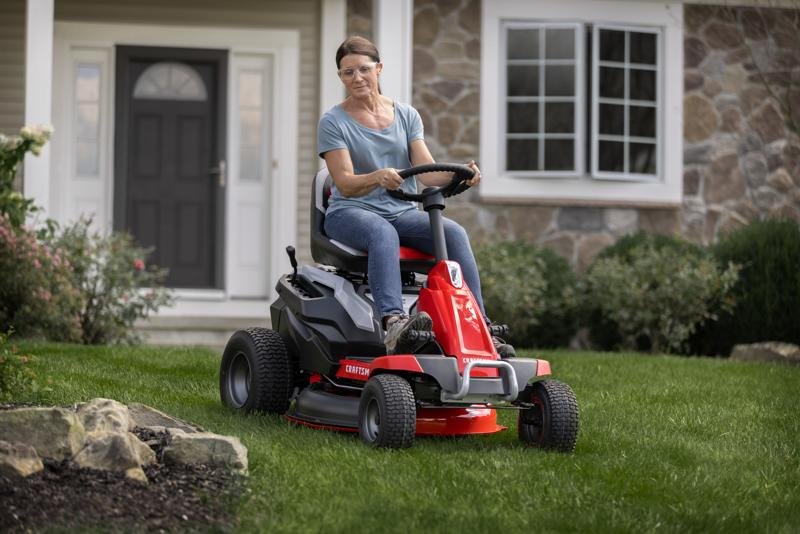
Have you ever wondered how wide riding lawn mowers really are? If you’re searching for the perfect fit for your yard, this question might be more important than you think.
Choosing the right width can make mowing your lawn faster, more efficient, and even more enjoyable. Imagine easily maneuvering around trees, flower beds, and other obstacles without breaking a sweat. You’ll discover everything you need to know about the width of riding lawn mowers, and why it’s crucial for your lawn care routine.
Stick around, because the insights you gain here could transform how you maintain your outdoor space.
Credit: www.sfstractor.com
Riding Mower Width Basics
Understanding riding mower width helps choose the right model for your lawn. The width affects mowing time, ease of use, and storage needs. Knowing the basics makes your lawn care efficient and less tiring.
Standard Cutting Widths
Riding mowers usually have cutting widths between 30 and 60 inches. Smaller models cut around 30 to 42 inches. These are good for tight spaces and small yards.
Larger mowers offer widths from 48 to 60 inches. These cover big lawns faster. The wider the deck, the fewer passes needed to mow your lawn.
- 30-42 inches: Compact yards, easy to maneuver
- 42-48 inches: Medium lawns, balance of size and speed
- 48-60 inches: Large properties, faster mowing
Factors Influencing Width
The mower’s width depends on your lawn size and shape. Narrow decks work well in tight areas and around obstacles. Wider decks save time on open, flat lawns.
Storage space also matters. Wide mowers need more room in your garage or shed. The mower’s engine power can limit the deck size too. Stronger engines handle wider decks better.
Consider your budget. Larger cutting decks usually cost more. Maintenance and blade replacement costs can increase with deck size.
Credit: www.craftsman.com
Types Of Riding Lawn Mowers
Riding lawn mowers come in different types to fit various yard sizes and tasks. Each type has a unique width and design. Choosing the right type helps you mow efficiently and comfortably.
Compact Models
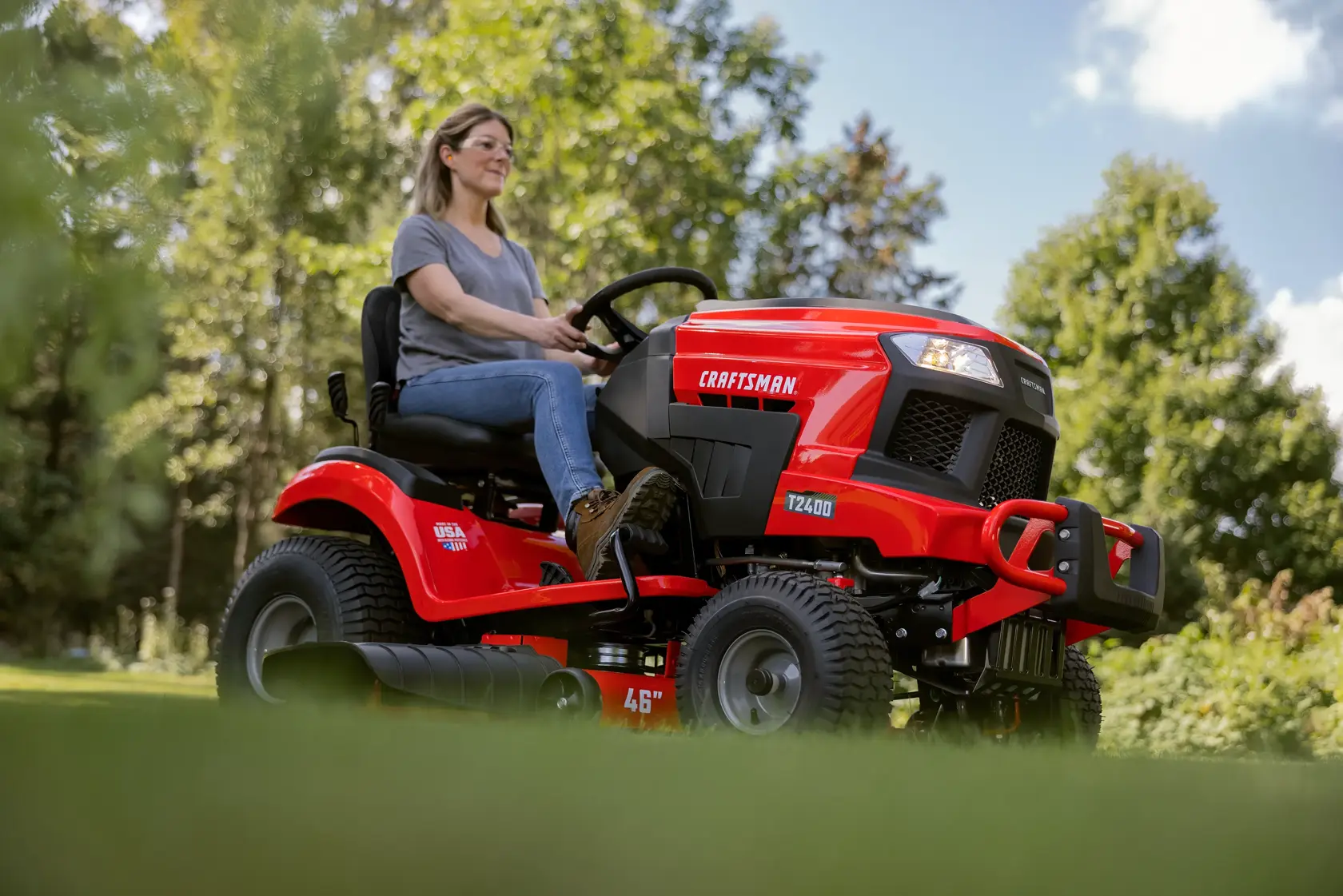
Compact riding mowers are small and easy to maneuver. Their cutting decks usually range from 30 to 42 inches wide. They fit well in tight spaces and small yards. These models are lighter and simpler to store.
Mid-size Options
Mid-size mowers offer a balance of power and size. Their cutting widths typically range from 42 to 54 inches. They handle medium-sized lawns with ease. These mowers provide faster mowing without losing control.
Large Commercial Mowers
Large commercial mowers are built for big lawns and heavy use. Their cutting decks often exceed 54 inches, sometimes reaching up to 72 inches. These models work fast and cover wide areas quickly. They are durable and designed for long hours.
Measuring Mower Width
Understanding the width of your riding lawn mower is crucial before making a purchase or starting your mowing job. The width affects not only how much grass you can cut in a single pass but also how easily you can navigate around obstacles and store your mower. Let’s break down the key elements that define mower width and why they matter to your mowing experience.
Cutting Deck Vs Overall Width
The cutting deck width refers to the part of the mower that actually cuts the grass. This measurement tells you how wide a strip of lawn the mower can cut at once. For example, a mower with a 42-inch cutting deck will cut a 42-inch wide path in one pass.
The overall width, however, includes the entire machine—blades, wheels, and any attachments. This can be several inches wider than the cutting deck. Knowing the overall width helps you determine if your mower can fit through gates, driveways, or storage spaces.
Handling And Maneuverability
A wider mower can cover more ground quickly but may struggle with tight turns and narrow spaces. If your yard has many trees, flower beds, or fences, a mower with a narrower overall width might save you time and frustration. Have you ever tried squeezing a wide mower through a narrow gate? It’s a challenge that can slow you down significantly.
Consider how much space you need to turn and maneuver. Smaller decks and narrower widths often provide better control, especially in complex yard layouts. Balancing cutting width and maneuverability is key to an efficient mowing experience.
Choosing The Right Size
Choosing the right size for your riding lawn mower is key to efficient lawn care. The mower’s width affects how quickly you can finish mowing. It also impacts maneuverability around your yard. Picking a size that matches your lawn’s features helps you save time and effort.
Yard Size Considerations
Large yards benefit from wider mower decks. They cover more ground with each pass. This reduces the number of passes needed. Smaller yards work better with narrow mowers. Narrow mowers fit tight spaces and reduce damage to plants.
Consider mowing speed and how often you mow. Bigger decks cut faster but might be harder to control. Small decks offer better precision on small lawns.
Terrain And Obstacles
Hilly or uneven lawns need a mower that handles slopes well. Narrower mowers are easier to steer around trees and flower beds. Wide mowers may struggle near fences or garden paths.
Think about obstacles like rocks, garden decorations, and flower beds. A smaller mower helps you avoid bumping into these. It improves safety and protects your plants.
Storage Space
Check the space available for storing your mower. Wide mowers require more room in your garage or shed. Smaller mowers fit easily in tight storage spots.
Consider how you transport the mower. Larger mowers need bigger trailers or trucks. Small mowers are easier to load and unload.
Impact Of Width On Performance
The width of a riding lawn mower plays a key role in its overall performance. It affects how efficiently the mower cuts grass, how much fuel it uses, and how easily you can control it. Understanding these impacts helps in choosing the right mower for your lawn size and shape.
Cutting Efficiency
A wider mower deck covers more ground with each pass. This means fewer passes to finish mowing your lawn. It saves time and reduces effort. However, very wide decks may struggle in tight spaces or around obstacles. Narrower decks offer better maneuverability but take longer to mow large areas.
Fuel Consumption
Wider decks require more power to operate. This can lead to higher fuel use. Smaller decks consume less fuel and are often more economical. Choosing the right width can balance fuel costs with mowing speed. Proper maintenance also helps keep fuel use low.
Speed And Control
Wide mowers can be harder to steer, especially in small yards. They may feel less stable on uneven ground. Narrower mowers offer better control and can navigate tight spots easily. Adjust your speed based on mower width and terrain for safe operation.
Popular Brands And Their Widths
Riding lawn mowers come in various widths to suit different yard sizes. Popular brands offer models with cutting decks ranging from narrow to wide. Choosing the right width helps save time and effort. Here is a look at some well-known brands and their typical mower widths.
John Deere
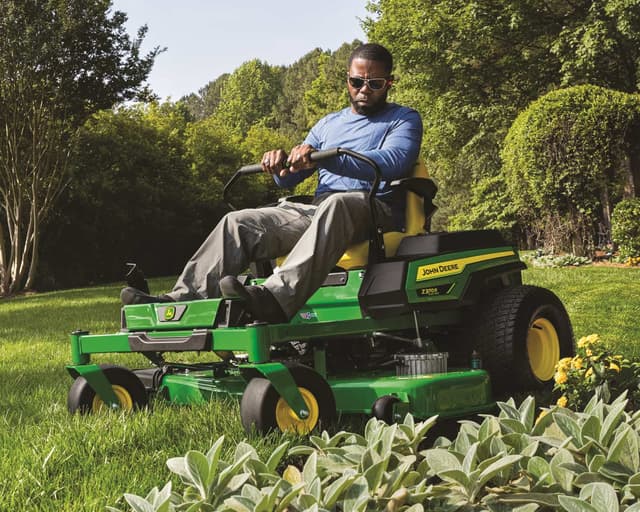
John Deere mowers often have cutting widths between 42 and 60 inches. Their smaller models start around 42 inches, ideal for tight spaces. Larger models reach up to 60 inches, perfect for big lawns. John Deere balances power and maneuverability well.
Cub Cadet
Cub Cadet offers cutting decks from 42 to 54 inches wide. Most popular models fall in the 46 to 50-inch range. These widths suit medium to large lawns comfortably. Cub Cadet mowers often include features for easy handling.
Husqvarna
Husqvarna riding mowers have deck widths from 42 to 54 inches. They provide options for small to mid-sized yards. Husqvarna models focus on durability and smooth cutting. Their 54-inch decks help cover ground quickly.
Maintenance Tips For Wide Mowers
Maintaining wide riding lawn mowers is essential for their performance and longevity. Proper care ensures smooth operation and a clean cut every time. Regular maintenance reduces the risk of costly repairs and keeps your mower running efficiently.
Wide mowers have larger decks and blades, so they need extra attention. Following simple maintenance steps helps protect your investment and keeps your lawn looking great.
Blade Care
Sharp blades cut grass cleanly and prevent damage to your lawn. Check blades often for dullness or damage. Remove blades carefully before sharpening or replacing them. Use a file or grinder to sharpen blades evenly. Balance blades to avoid vibration during use. Replace blades if they are bent or cracked.
Deck Cleaning
Grass clippings and debris build up under the deck. This reduces cutting efficiency and can cause rust. Clean the deck after each use with a brush or hose. Avoid using a pressure washer directly on bearings or belts. Remove stuck clumps of grass with a scraper. Dry the deck thoroughly to prevent corrosion.
Storage Advice
Store your wide mower in a dry, covered place. Protect it from rain and extreme temperatures. Clean the mower before storage to prevent rust and damage. Disconnect the battery or fuel supply if storing for a long time. Use a protective cover to keep dust and dirt off. Check tire pressure and fluid levels before storing.
Credit: www.craftsman.com
Frequently Asked Questions
How Wide Are Typical Riding Lawn Mowers?
Most riding lawn mowers measure between 40 to 54 inches wide. The cutting deck usually determines the width. Larger decks cover more ground but can be harder to maneuver in tight spaces.
What Affects The Width Of A Riding Lawn Mower?
The cutting deck size, wheelbase, and overall design affect width. Deck size is the main factor, influencing mowing efficiency. Wider mowers cut more grass per pass but require more storage space.
Are There Compact Riding Lawn Mowers Available?
Yes, compact riding mowers usually have decks around 30 to 40 inches. They are ideal for small yards and tight spaces. These models offer easier storage and better maneuverability.
Can Riding Mower Width Impact Lawn Care Efficiency?
Absolutely, wider mowers reduce mowing time by covering more grass. However, they may be less effective in narrow or uneven areas. Choosing the right width balances speed and precision.
Conclusion
Riding lawn mowers come in various widths to fit different yard sizes. Narrow decks work well for small spaces and tight spots. Wider decks cut more grass quickly, saving time on large lawns. Choosing the right width helps you mow efficiently and comfortably.
Think about your yard size and obstacles before buying. The right mower deck width makes lawn care easier and faster. Keep these points in mind for a better mowing experience.





