
Your mower’s air filter plays a crucial role in keeping your engine running smoothly. But how do you know if it’s working properly or needs a replacement?
Testing your mower air filter is easier than you think, and doing it right can save you time, money, and frustration. In this guide, you’ll discover simple steps to check your air filter’s condition and ensure your mower stays in top shape.
Keep reading to learn how to protect your mower and get the best performance every time you cut the grass.
Signs Of A Dirty Air Filter
A dirty air filter can cause reduced engine performance. The mower may run slower or struggle to start. This happens because the engine gets less air. Less air means less power.
Another sign is increased fuel consumption. The mower uses more fuel to work hard. This makes your fuel costs higher. Cleaning or changing the filter can save fuel.
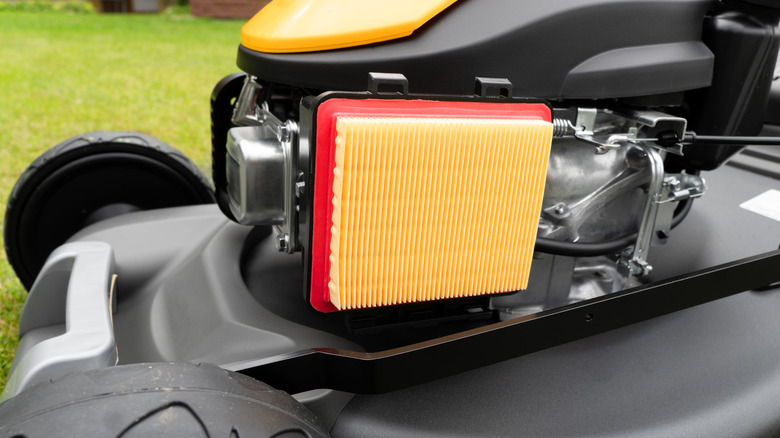
You can also check for visible dirt and debris. Look at the filter carefully. If it looks clogged with dust or grass, it needs cleaning or replacement. A clean filter keeps the engine healthy.
Credit: www.housedigest.com
Tools Needed For Testing
Basic cleaning supplies include a soft brush, mild soap, and clean water. These help remove dirt from the air filter without damage. Replacement filters must match the mower model for proper fit and performance. Always check the filter size and type before buying.
Safety gear is important to protect yourself. Use gloves to keep hands clean and safe. Eye protection prevents dust or debris from hurting your eyes. Wearing a mask can stop you from breathing in dust while cleaning or testing the filter.
Locating The Air Filter
Locating the air filter on a mower is usually simple. Check near the engine or carburetor. It is often enclosed in a plastic or metal casing.
Common Air Filter Locations
The air filter is near the engine on most mowers. It’s often inside a plastic or metal cover. Many times, it’s on the side or top of the engine. Some mowers have it near the back or front. Look for a small box with grilles or slots.
Accessing The Filter Housing
Find the housing by looking for clips or screws. Use a screwdriver or your hands to open it. Be gentle to avoid breaking the cover. Once open, you will see the air filter inside. If dirty, it may need cleaning or replacement. Close the housing carefully when done.
Removing The Air Filter
Locate the mower’s air filter cover. Usually, it is on the side of the engine. Use a screwdriver or your hands to loosen the screws or clips holding the cover. Carefully lift the cover to avoid dropping dirt into the engine. Place the cover on a clean surface.
Hold the filter gently. Avoid shaking or tapping it hard. Dirt might fall inside the engine. Use gloves if your hands are dirty. Keep the filter away from direct sunlight to prevent damage. Check for tears or heavy dirt on the filter material.
Inspecting The Air Filter
Hold the air filter up to a bright light source. Check if light passes through easily.
A clean air filterlets light shine clearly. Dirt and dust block light.
If the filter looks dark or clogged, it needs cleaning or replacement.
Look for tears or holes. These damage the filter’s effectiveness.
Use gentle tapping to remove loose dirt before inspection.
- Use a flashlight or sunlight for best results.
- Inspect both sides of the filter carefully.
- Do not use water for visual inspection.
Cleaning The Air Filter
Dry cleaningis the easiest way to clean mower air filters. Tap the filter gently to remove dust and dirt. Use compressed air to blow away stubborn debris. Make sure to blow air from the inside out. Avoid using too much force to prevent damage.
Washing foam filtersrequires care. Use warm water with mild soap. Soak the foam filter for a few minutes. Gently squeeze the foam to remove dirt. Do not wring or twist it to keep its shape.
After washing, drying and re-oilingare important steps. Let the foam filter air dry completely. Avoid using heat or direct sunlight. Once dry, apply a small amount of oil evenly. This helps trap dust and keeps the engine safe.
When To Replace The Air Filter
Damage indicatorsshow when the air filter needs replacement. Look for a filter that is dirty, torn, or clogged. A filter covered in dust or debris stops air flow. This lowers mower performance and can harm the engine. Small holes or cracks let dirt pass through. Change the filter if you see damage or heavy dirt buildup.
Manufacturer recommendationsusually suggest replacing the air filter every 25 hoursof use or once per season. Check the owner’s manual for exact timing. Some filters last longer in clean areas but need frequent change in dusty conditions. Following the manual helps keep the mower running well and lasts longer.
Reinstalling The Air Filter
Place the air filter back in its slot. Make sure it fits snugly. The filter should sit flat without gaps. Check that the rubber edges seal well. This stops dirt from entering the engine.
After placing the filter, secure the cover tightly. Align the cover with the mower body. Press down firmly on all sides. Use screws or clips to fasten the cover. This keeps the filter safe during use.
- Check for any cracks or damage on the cover.
- Do not overtighten screws to avoid breaking parts.
- Ensure no dirt enters before closing the cover.
Regular Air Filter Maintenance
Checking your mower’s air filter often keeps the engine healthy and strong. Dirty filters block air, making the mower work harder. This can cause poor fuel use and more pollution. Clean or replace the filter every 25 hours of use or once a season for best results.
Routine air filter checks help catch dirt early. Clean filters improve engine start-up and power. They also extend the mower’s life by reducing wear and tear. Simple checks save money on repairs and fuel costs.
| Maintenance Task | Frequency | Benefits |
|---|---|---|
| Inspect Air Filter | Every 10 hours | Detect dirt early |
| Clean Air Filter | Every 25 hours or seasonally | Better airflow and engine power |
| Replace Air Filter | When very dirty or damaged | Protects engine from damage |

Credit: www.youtube.com

Credit: www.youtube.com
Frequently Asked Questions
How Often Should I Test My Mower Air Filter?
Test your mower air filter every 25 hours of use or at least once a season. Frequent checks ensure optimal engine performance and prevent dirt buildup.
What Tools Do I Need To Test A Mower Air Filter?
You generally need a screwdriver to remove the filter cover and a clean cloth. No complex tools are required for basic testing and cleaning.
How Can I Tell If My Mower Air Filter Is Clogged?
A clogged filter appears dirty, dusty, and restricts airflow. Reduced engine power or rough idling are signs you should test and possibly replace it.
Can I Clean A Foam Mower Air Filter?
Yes, foam filters can be washed with warm soapy water, dried thoroughly, and lightly oiled before reinstalling. This restores airflow and extends filter life.
Conclusion
Testing your mower’s air filter keeps the engine running well. Clean filters help the mower cut grass smoothly and save fuel. Check the filter regularly for dirt or damage. Replace it if it looks clogged or torn. A simple test can prevent costly repairs later.
Taking care of this small part makes your mower last longer. Keep your mower ready for every job by testing its air filter often. It’s a quick step that makes a big difference.





