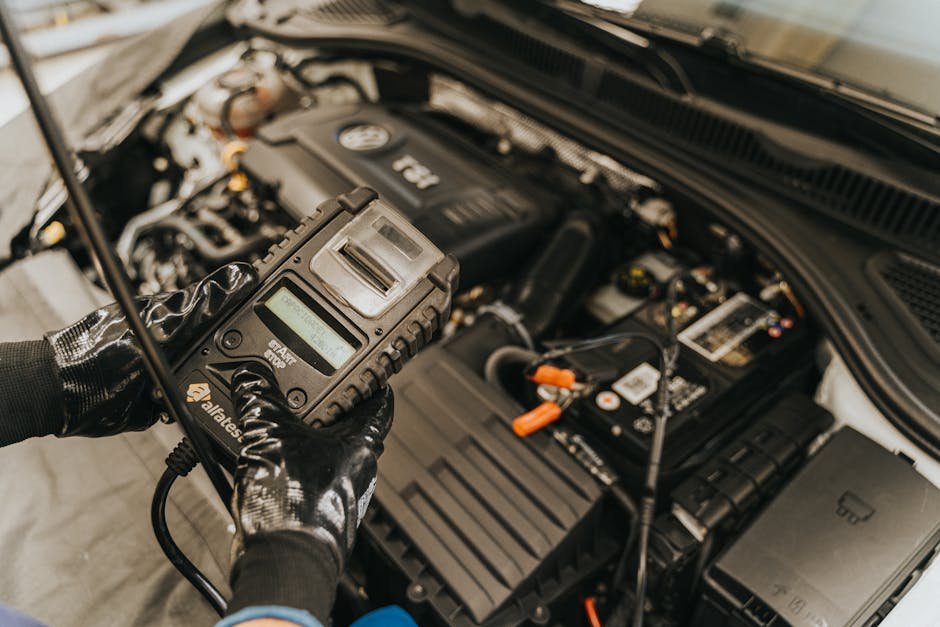
Are you experiencing issues with your vehicle’s engine performance? It might be time to take a closer look at your spark plugs.
These small, yet vital components play a crucial role in your engine’s overall health. By learning how to test a spark plug, you can save time, money, and possibly prevent bigger problems down the road. In this guide, we’ll walk you through the simple steps to check your spark plugs, helping you keep your vehicle running smoothly.
You’ll feel empowered and more connected to your car than ever before. Ready to dive in and discover how easy it is to ensure your engine’s heart is beating strong? Let’s get started!

Credit: www.youtube.com
Tools Needed For Testing
Testing a spark plug requires the right set of tools to get accurate results and save time. Having both basic and optional tools can make the process smoother and more reliable. Knowing what to prepare before you start helps you avoid unnecessary trips and guesswork.
Basic Equipment
- Spark Plug Socket:A special socket with a rubber insert to grip the plug securely without damaging it.
- Ratchet Wrench:Used with the socket to easily remove and install the spark plug.
- Feeler Gauge:Essential for measuring the gap between the electrodes of the spark plug.
- Multimeter:To check the resistance and continuity of the spark plug.
- Screwdriver or Pliers:Handy for minor adjustments or removing stubborn parts.
These tools cover the basics and ensure you can safely remove, inspect, and test the spark plug’s core functions. Have you ever struggled with a spark plug that just wouldn’t come out? Using the right socket can save you a lot of frustration.
Optional Tools For Accuracy
- Spark Plug Tester:A device that simulates engine conditions to check if the plug sparks properly.
- Digital Gap Tool:Provides precise measurements for setting the spark plug gap accurately.
- Compression Tester:Helps diagnose if engine compression is affecting spark plug performance.
- Wire Brush or Spark Plug Cleaner:Cleans carbon deposits for better inspection and performance.
Adding these tools to your kit can improve the accuracy of your tests and give you deeper insights into your engine’s health. Think about whether investing in a spark plug tester might prevent unnecessary replacements down the road.

Credit: www.youtube.com
Preparing The Spark Plug
Preparing the spark plug is a key part of testing it accurately. This process helps ensure the spark plug is free from dirt and damage. Clean and properly removed spark plugs give better test results. Follow simple steps to get your spark plug ready before testing.
Removing The Spark Plug Safely
Turn off the engine and let it cool completely. Hot engine parts can cause burns. Use a spark plug socket and ratchet to loosen the plug carefully. Avoid forcing the spark plug out to prevent damage. Keep a clean cloth nearby to wipe off dirt around the plug. Remove the plug gently to avoid breaking it inside the engine.
Cleaning Before Testing
Check the spark plug for heavy dirt or oil. Use a wire brush to clean the metal parts. Wipe the ceramic insulator with a clean cloth. Avoid using harsh chemicals that can harm the plug. Dry the spark plug completely before testing. Clean plugs give clearer test results and help spot any damage easily.
Visual Inspection Tips
Visual inspection is the first step in testing a spark plug. It helps find problems without special tools. Careful observation can reveal signs of wear or damage. This saves time and effort before moving to detailed tests.
Checking For Wear And Damage
Look closely at the spark plug’s metal parts. The electrode should have a sharp edge. Rounded or worn edges reduce spark quality. Check the ceramic insulator for cracks or chips. Any damage can cause misfires or weak sparks. Also, inspect the threads for corrosion or dirt. Clean threads ensure good contact and easy installation.
Identifying Carbon Deposits
Carbon deposits appear as black, dry soot on the electrode. They often mean the engine runs too rich or oil leaks inside. Light carbon buildup is normal but heavy deposits lower performance. Wet, oily deposits suggest oil issues. Clean the spark plug carefully with a wire brush if deposits are minor. Replace the plug if deposits are thick or hard to remove.
Testing Spark Plug With A Multimeter
Testing a spark plug with a multimeter is a straightforward way to check its health without removing it from the engine. This method helps you identify issues like internal breaks or worn electrodes that cause misfires or poor engine performance. With just a few simple steps, you can get accurate results and decide if the spark plug needs replacement or further cleaning.
Setting Up The Multimeter
Start by turning your multimeter to the ohms (Ω) setting, which measures resistance. If your multimeter has multiple ranges, choose the lowest setting for better accuracy. Make sure the spark plug is removed from the engine and clean any dirt or debris on it before testing.
Attach the multimeter probes to the spark plug terminals—one on the metal tip and the other on the threaded part. Hold them steady to get a stable reading. Are you surprised by how simple this setup is? It’s a quick way to learn about your engine’s condition without extra tools.
Measuring Resistance
With probes in place, look at the multimeter display to see the resistance reading. A typical spark plug resistance ranges from 4,000 to 8,000 ohms, but check your vehicle’s manual for exact specs. If the reading is extremely high (infinite) or very low (close to zero), the spark plug may be faulty.
Repeat the test a couple of times to confirm your results. Consistency matters here because fluctuating readings could mean a loose probe connection or a damaged spark plug wire. Have you ever experienced an engine that runs rough but couldn’t find the cause? This test might reveal the hidden problem.
Interpreting Results
If your spark plug’s resistance falls within the recommended range, it’s likely still good. A reading near zero ohms means a short circuit inside the plug, while an infinite or no reading indicates a break in the internal resistor. Either of these conditions means the spark plug won’t fire correctly.
Remember, a visual inspection combined with multimeter testing gives the best picture. You might spot cracks, heavy deposits, or worn electrodes that affect performance. Have you checked your spark plugs lately? This simple test could save you from costly repairs down the road.
Using A Spark Tester
Using a spark tester is one of the most reliable ways to check if your spark plug is firing properly. This tool lets you see the spark clearly and helps you identify issues without removing the plug from the engine. It’s simple to use and provides immediate feedback on your spark plug’s condition.
Connecting The Tester
First, ensure your engine is off and cool to avoid any accidents. Attach the spark tester to the spark plug wire by disconnecting the wire from the plug and connecting it to the tester’s input terminal. Then, connect the tester’s output to the spark plug itself or the plug boot, depending on the tester type.
Make sure all connections are snug to prevent false readings. A loose connection can stop the spark from passing through the tester, leading you to think the plug or wire is faulty when it’s not.
Observing The Spark
Start your engine or have someone crank it while you watch the tester’s spark gap. You should see a bright, consistent spark jumping across the gap inside the tester. If the spark is weak, intermittent, or absent, it signals a problem with the spark plug or ignition system.
Ask yourself: Is the spark steady and strong, or does it flicker? This simple observation can save you hours of guesswork and unnecessary part replacements.
Evaluating Spark Strength
A strong spark will be bright blue and consistent, jumping easily across the tester gap. A weak spark looks dim, yellowish, or flickers irregularly. This often indicates fouled plugs, worn electrodes, or ignition system issues.
Remember, a spark tester only shows if the spark is present and its relative strength. If you see a weak spark, it’s time to check the plug gap, inspect the plug condition, or test the ignition coil next. Have you noticed any hesitation or rough idling in your engine? These symptoms often align with a weak spark.
Additional Engine Performance Checks
Testing a spark plug is important for engine health. Along with that, checking other engine performance signs helps find issues early. These checks show how well the engine runs and if the spark plugs work properly. Pay attention to sounds and fuel use for a clear picture.
Listening For Engine Misfires
Misfires sound like sudden pops or skips in the engine. These noises happen when fuel doesn’t ignite correctly. Listen carefully while the engine runs at different speeds. Consistent misfires mean spark plugs might be faulty. Fixing misfires improves engine smoothness and power.
Monitoring Fuel Efficiency
Fuel efficiency drops if spark plugs underperform. Notice if the car needs more fuel than usual. Track miles per gallon over time for changes. Poor fuel economy often points to spark plug problems. Keeping spark plugs in good shape saves fuel and money.
When To Replace Spark Plugs
Knowing when to replace spark plugs keeps your engine running smoothly. Spark plugs wear out over time and affect engine performance. Replacing them at the right time saves fuel and prevents engine trouble. Watch for signs that your spark plugs need a change.
Signs Of Failure
- Engine misfires or runs rough
- Hard starting or no start
- Poor fuel economy
- Reduced acceleration power
- Engine idles unevenly
- Check engine light turns on
- Excessive exhaust smoke
These symptoms indicate spark plugs may be worn or damaged. Early replacement prevents more serious engine issues.
Recommended Replacement Intervals
| Type of Spark Plug | Replacement Interval |
|---|---|
| Copper | 20,000 to 30,000 miles |
| Platinum | 60,000 to 100,000 miles |
| Iridium | 100,000 to 120,000 miles |
Check your vehicle’s manual for exact intervals. Driving conditions like city traffic or dusty roads can shorten spark plug life.

Credit: www.youtube.com
Tips For Maintaining Spark Plugs
Maintaining your spark plugs can save you time and money while keeping your engine running smoothly. Simple care routines prevent buildup and wear that reduce performance. Have you ever noticed your engine misfiring or struggling to start? That could be a sign your spark plugs need attention.
Regular Cleaning
Keeping spark plugs clean stops dirt and carbon deposits from interfering with the spark. You can clean them using a wire brush or spark plug cleaner. Make sure to remove any debris gently to avoid damaging the electrodes.
Try cleaning your spark plugs every 30,000 miles or sooner if you drive in dusty conditions. Removing buildup improves ignition efficiency and fuel economy. Have you checked if your spark plugs look black or oily? That’s a clear sign they need cleaning or replacement.
Proper Installation Techniques
Installing spark plugs correctly is just as important as cleaning them. Use a torque wrench to tighten them to the manufacturer’s specifications—too tight can crack the plug, too loose can cause misfires.
Always apply a small amount of anti-seize lubricant on the threads before installation. This makes future removal easier and prevents damage. Have you ever struggled to remove a stuck spark plug? Proper installation can save you that headache.
Frequently Asked Questions
How Do You Know If A Spark Plug Is Bad?
A bad spark plug causes engine misfires and poor fuel economy. Check for worn electrodes, cracks, or heavy deposits. If the engine struggles to start or runs rough, the spark plug likely needs replacement.
What Tools Are Needed To Test A Spark Plug?
You need a spark plug socket, a ratchet wrench, and a multimeter or spark tester. These tools help remove the plug and check its electrical resistance and spark quality accurately.
Can You Test A Spark Plug Without Removing It?
Yes, using a spark tester you can check the spark plug without removal. Connect the tester between the spark plug wire and plug to observe the spark. This method saves time and confirms if the plug fires properly.
How Often Should Spark Plugs Be Tested?
Spark plugs should be tested every 30,000 miles or as per the vehicle’s manual. Regular testing ensures optimal engine performance and prevents fuel inefficiency or starting issues.
Conclusion
Testing a spark plug keeps your engine running smooth. It helps find problems early before they get worse. Use simple tools to check for wear and spark. Clean or replace plugs when needed for best results. Regular checks save time and money on repairs.
Keep your vehicle healthy with these easy steps. Spark plug testing is a small task with big benefits. Stay safe and confident on the road.





