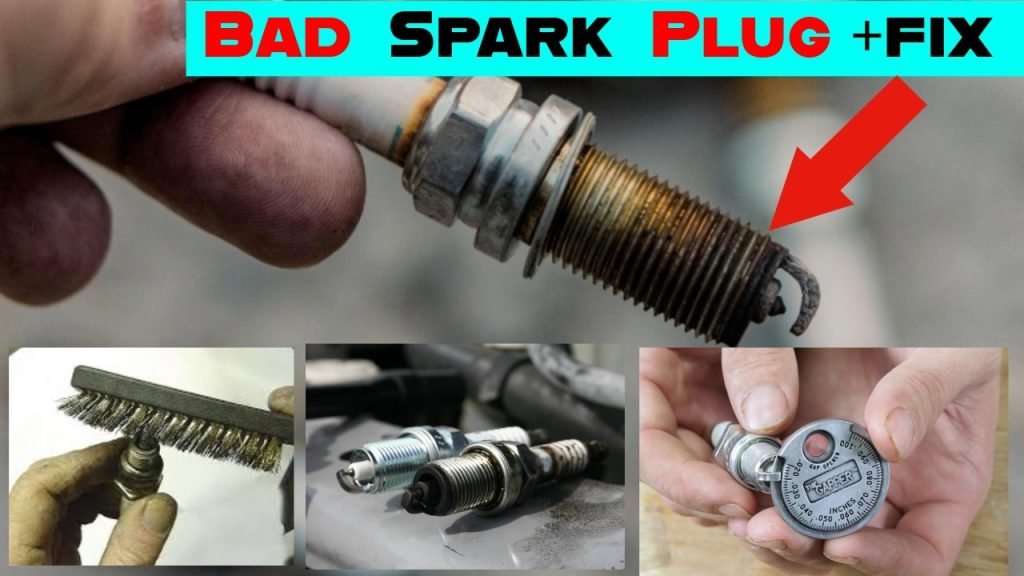
Picture this: you’re cruising down the highway, enjoying the ride, when suddenly your car starts to stutter. It feels like it’s lost its spark, and you’re left wondering what went wrong.
What if I told you that the culprit might be a tiny, often overlooked component called the spark plug? Knowing how to identify a bad spark plug can save you from unexpected breakdowns and costly repairs. It’s like having a superpower that keeps your car running smoothly.
In this guide, you’ll discover the telltale signs of a faulty spark plug and learn how to check them yourself. This knowledge empowers you to take control of your car’s health, ensuring you enjoy a smooth ride every time. Ready to become the car whisperer you always wanted to be? Let’s dive in!
Common Spark Plug Problems
Understanding common spark plug problems can save you time and money. These issues often cause engine misfires, poor fuel economy, and hard starts. Knowing what to look for helps you decide if a spark plug needs cleaning or replacement.
Worn Electrodes
Electrodes wear down over time from constant sparking. You might notice a wider gap between the center and ground electrode. This gap makes it harder for the spark to jump, causing weak ignition and rough engine performance.
Have you checked your spark plug gap lately? Using a feeler gauge can quickly tell if the electrodes have worn too much.
Carbon Deposits
Black, dry soot on the spark plug indicates carbon deposits. This buildup usually happens if your engine runs too rich or you frequently take short trips. Carbon deposits can block the spark, leading to misfires and poor throttle response.
Cleaning the plug with a wire brush or replacing it can restore proper engine function. Do you notice black smoke or a strong fuel smell from your exhaust? That might be a sign of carbon fouling.
Oil Fouling
If your spark plug tip is wet and oily, oil fouling is likely the problem. This occurs when oil leaks into the combustion chamber due to worn piston rings or valve seals. Oil fouling prevents the spark from igniting the fuel-air mixture effectively.
Have you noticed your engine running rough or using more oil than usual? Inspecting the plugs can confirm if oil fouling is the culprit.
Overheating Signs
Overheated spark plugs show white, blistered, or melted electrodes. This happens when the engine runs too hot or the plug heat range is incorrect. Overheating can cause pre-ignition and engine knocking, damaging your engine.
Do you push your vehicle hard uphill or tow heavy loads often? These conditions increase the risk of spark plug overheating and may require a cooler plug type.

Credit: www.toyotanation.com
Performance Issues Linked To Bad Spark Plugs
Bad spark plugs can cause several performance problems in your vehicle. These issues affect how smoothly and efficiently your engine runs. Recognizing these signs early helps avoid bigger engine troubles and costly repairs.
Engine Misfires
Engine misfires happen when the spark plug fails to ignite the fuel properly. This causes the engine to run unevenly or jerk while driving. Misfires reduce engine power and can damage other parts over time.
Poor Fuel Economy
Worn spark plugs do not burn fuel efficiently. This leads to using more fuel than needed for the same distance. You will notice your car needs refueling more often than usual.
Difficulty Starting
Bad spark plugs make it hard to start your engine. The spark needed to ignite the fuel is weak or inconsistent. This causes delays or multiple attempts before the engine turns on.
Rough Idling
When spark plugs wear out, the engine runs rough at idle. The car may shake or vibrate while stopped. Rough idling means the engine is not firing smoothly in all cylinders.
Visual Inspection Tips
Visual inspection is a straightforward way to spot issues with your spark plug before they cause bigger engine problems. By closely examining the spark plug, you can identify signs of wear or damage early. This saves you time, money, and frustration down the road.
Removing The Spark Plug Safely
Before you start, make sure your engine is cool to avoid burns. Use a spark plug socket with a rubber insert to grip the plug securely without damaging it. Turn the socket counterclockwise gently to loosen the spark plug, and avoid forcing it out to prevent thread damage.
Checking For Damage
Look closely at the spark plug’s electrode and insulator for cracks, chips, or heavy wear. A broken or eroded electrode can cause weak sparks or misfires. Also, check for any oil or fuel deposits that may indicate engine issues beyond the plug itself.
Color Indicators
The color of the spark plug tells a lot about your engine’s health. A light tan or grayish color usually means the plug is in good condition. Black, oily, or white deposits can signal problems like rich fuel mixture, oil leaks, or overheating.
Gap Measurement
Use a feeler gauge to measure the gap between the center and ground electrodes. The correct gap varies by vehicle, so check your owner’s manual for specifics. A gap that’s too wide or too narrow can cause poor engine performance and reduced fuel efficiency.

Credit: www.youtube.com
Diagnostic Tools And Techniques
Diagnosing a bad spark plug requires specific tools and techniques. These help check the spark plug’s condition without guesswork. Using the right diagnostic tools saves time and ensures accurate results. Below are common tools and ways to test spark plugs effectively.
Using A Spark Plug Tester
A spark plug tester shows if the spark plug fires correctly. Connect the tester to the spark plug and start the engine. Watch for a bright, consistent spark inside the tester’s window. A weak or no spark means the plug may be faulty.
This tool is easy to use and provides instant feedback. It helps check spark plug health without removing it from the engine. Spark plug testers are affordable and useful for quick diagnostics.
Multimeter Checks
A multimeter measures the spark plug’s electrical resistance. Remove the spark plug and set the multimeter to the ohms setting. Touch the probes to the plug’s terminal and ground. A very high or infinite reading signals a damaged spark plug.
This method tests the internal condition of the spark plug. It identifies broken insulators or faulty electrodes. Multimeter checks require basic electrical knowledge but give precise results.
Obd-ii Scanner Insights
An OBD-II scanner reads engine codes related to spark plug issues. Plug the scanner into the vehicle’s diagnostic port. Look for misfire codes or ignition system faults. These codes help pinpoint which spark plug or cylinder has a problem.
This scanner works on most modern vehicles. It provides detailed information about engine performance. OBD-II scanners assist in diagnosing spark plug problems early, reducing engine damage risk.
When To Replace Spark Plugs
Knowing when to replace spark plugs helps keep your engine running well. Worn spark plugs reduce fuel efficiency and cause engine problems. Regular checks and timely replacement prevent costly repairs. Timing is key to avoid sudden breakdowns. Follow clear signs and manufacturer advice to maintain engine health.
Manufacturer Recommendations
Car makers provide guidelines on spark plug lifespan. Usually, spark plugs last between 30,000 to 100,000 miles. Check your vehicle’s manual for exact intervals. Some modern spark plugs last longer due to better materials. Stick to these recommendations for best performance and safety.
Signs Replacement Is Urgent
- Engine misfires or runs rough
- Hard starting or no start
- Poor fuel economy
- Loss of power or acceleration
- Engine knocking or pinging sounds
- Check engine light turns on
Notice these symptoms early to avoid bigger engine issues. Do not wait too long to replace spark plugs if these appear.
Choosing The Right Spark Plug
Select spark plugs matching your car’s make and model. Different engines need specific plug types and heat ranges. Use plugs recommended in the owner’s manual or by trusted dealers. Consider plug material like copper, platinum, or iridium for durability. Proper plugs ensure smooth engine function and longer life.
Maintaining Spark Plugs For Longevity
Keeping your spark plugs in good shape extends their life and keeps your engine running smoothly. Neglecting this simple maintenance can lead to poor fuel economy and rough idling. Paying attention to how and when you maintain them saves you time and money in the long run.
Regular Inspection Schedule
Set a clear schedule for checking your spark plugs, ideally every 30,000 miles or according to your vehicle’s manual. Look for signs like buildup, corrosion, or worn electrodes. Catching these early helps you avoid sudden engine problems.
Ask yourself: when did you last check your spark plugs? If it’s been a while, now is a good time to inspect them.
Cleaning Methods
Cleaning spark plugs can bring them back to life if they’re dirty but not damaged. Use a wire brush or spark plug cleaner to gently remove carbon deposits. Avoid harsh chemicals that might damage the ceramic insulator.
After cleaning, check the gap with a feeler gauge to ensure it matches your vehicle’s specifications. A clean spark plug fires more efficiently, improving engine performance.
Proper Installation Tips
Installing spark plugs correctly is crucial for their longevity. Start by hand-threading to avoid cross-threading, then tighten with a torque wrench to the recommended setting. Over-tightening can crack the plug or damage the threads.
Use anti-seize lubricant sparingly on the threads to prevent seizing, but avoid getting it on the electrodes. Proper installation ensures a good seal and reliable spark, which keeps your engine happy and healthy.

Credit: www.reddit.com
Frequently Asked Questions
How Do I Know If My Spark Plug Is Bad?
A bad spark plug causes engine misfires, rough idling, and poor fuel economy. Check for worn electrodes, cracks, or heavy deposits. If your engine struggles to start or hesitates, your spark plug likely needs replacement.
What Causes Spark Plugs To Fail Early?
Spark plugs fail early due to carbon buildup, oil leaks, or overheating. Using low-quality fuel or incorrect spark plugs also reduces lifespan. Regular maintenance and using recommended spark plugs help prevent premature failure.
Can A Bad Spark Plug Damage My Engine?
Yes, a bad spark plug can cause engine misfires, leading to damage over time. It stresses the ignition system and catalytic converter, reducing performance. Prompt replacement protects your engine and maintains smooth operation.
How Often Should Spark Plugs Be Replaced?
Most spark plugs last between 30,000 to 100,000 miles, depending on type and vehicle. Check your owner’s manual for recommended intervals. Regular inspection helps catch issues before performance drops significantly.
Conclusion
Bad spark plugs can cause engine trouble and poor fuel use. Check them regularly for cracks, wear, or dirt. Clean or replace plugs to keep your car running smooth. Early care saves money and avoids bigger problems. Remember, a healthy engine starts with good spark plugs.
Stay alert to signs and act fast to protect your ride. Simple checks make a big difference in car life. Keep your engine strong, and enjoy safer drives every day.





