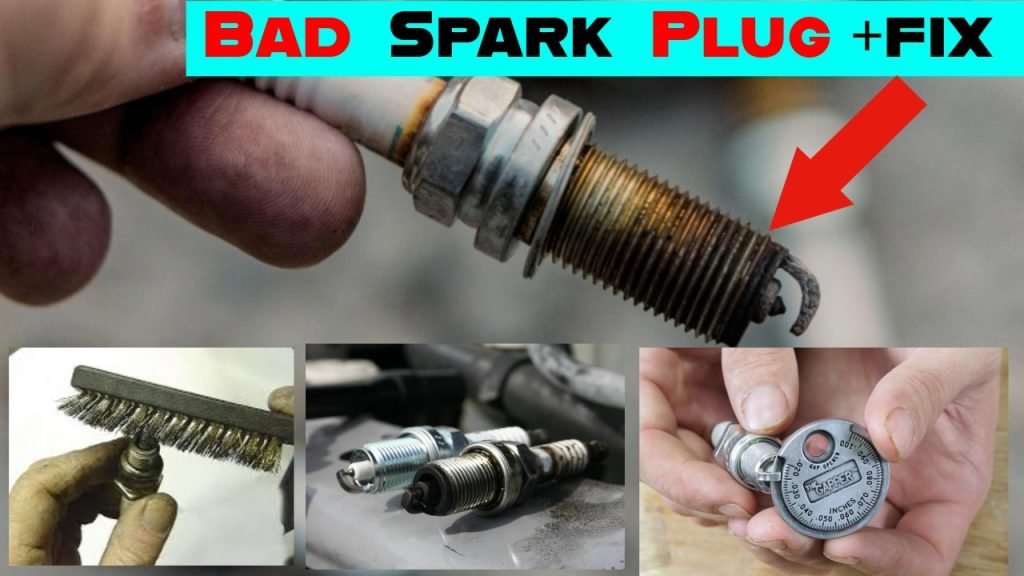
Have you noticed your car struggling to start or running rough lately? It might be your spark plugs acting up.
Knowing how to tell if you have a bad spark plug can save you from unexpected breakdowns and costly repairs. You’ll discover simple signs to watch for and easy ways to check your spark plugs. By the end, you’ll feel confident spotting problems early and keeping your engine running smoothly.
Keep reading—you don’t want to miss these crucial tips!
Common Spark Plug Issues
Identifying common spark plug issues can save you from unexpected engine troubles. Spark plugs play a crucial role in igniting the fuel-air mixture in your engine. When they fail or wear out, your vehicle’s performance can drop noticeably.
Worn Or Damaged Electrodes
The electrodes on a spark plug are small but vital. Over time, they wear down due to constant sparking and heat exposure. You might notice rough idling or difficulty starting your engine if the electrodes are worn out.
Take a close look at the electrode tips—they should have sharp edges. Rounded or chipped electrodes mean it’s time for a replacement. Have you checked your spark plugs after driving long distances or in tough conditions?
Carbon Deposits And Fouling
Carbon build-up is a common issue that affects spark plug performance. If your spark plugs look black and sooty, it means they are fouled. This usually happens when the engine runs too rich or the fuel mixture isn’t burning completely.
This fouling can cause misfires or poor fuel economy. Cleaning might help temporarily, but frequent fouling suggests a deeper engine problem. Are you noticing your car struggling to maintain speed or stalling unexpectedly?
Oil Contamination
Oil fouling occurs when oil leaks into the combustion chamber and coats the spark plug. This results in a wet, oily deposit on the plug’s surface. If your spark plugs look greasy, it’s a clear sign of oil contamination.
This issue can cause weak or inconsistent sparks, leading to rough engine performance. It’s often a symptom of worn piston rings or valve seals. How often do you check under your hood for oil leaks or unusual engine smoke?
Overheating Signs
Overheating damages spark plugs by melting the electrode tips or causing blistering on the insulator. If your spark plugs appear white or blistered, they have been exposed to excessive heat. This can cause engine knocking or pre-ignition, which harms engine parts.
Overheating might be due to incorrect spark plug heat range or cooling system issues. Have you noticed your engine running hotter than usual or unusual noises during acceleration?

Credit: www.subaruoutback.org
Symptoms Of A Bad Spark Plug
Bad spark plugs cause many engine problems. Recognizing the symptoms early helps avoid costly repairs. Watch for changes in how your car runs. These signs point to spark plug issues.
Engine Misfires
Engine misfires happen when spark plugs fail to ignite fuel properly. The engine may shake or jerk. You might feel uneven power while driving. Misfires reduce engine smoothness and performance.
Poor Fuel Economy
Bad spark plugs waste fuel. The engine burns more fuel to compensate for weak sparks. You will notice more trips to the gas station. Poor fuel economy can strain your budget over time.
Difficulty Starting The Engine
Weak spark plugs make starting hard. The engine may crank longer than usual. Sometimes, it won’t start at all. This happens because the spark needed to ignite fuel is weak or missing.
Rough Idling
Your car may shake or vibrate while idling. This rough idle signals incomplete combustion. The engine runs unevenly when spark plugs are failing. Idle quality directly reflects spark plug health.
Lack Of Acceleration
The car may feel sluggish when you press the gas. Acceleration becomes slow and weak. Bad spark plugs reduce engine power output. This limits your vehicle’s ability to speed up smoothly.
Visual Inspection Tips
Visual inspection of your spark plug can reveal a lot about your engine’s health. Taking a close look helps you spot issues before they cause bigger problems. Knowing what to check for can save you time and money on repairs.
Removing The Spark Plug Safely
Before you inspect, make sure your engine is cool to avoid burns. Use a spark plug socket with a rubber insert to protect the plug during removal. Turn the plug counterclockwise gently to avoid damaging the threads in the cylinder head.
Have you ever tried yanking a spark plug out too fast and stripped the threads? Taking your time here prevents costly mistakes. Also, keep the spark plug wires or ignition coils organized so you can reconnect them correctly.
Checking Electrode Condition
The electrode is the small metal tip at the end of the spark plug that creates the spark. Look for wear or erosion on this part, which indicates the plug may be failing. A healthy electrode will have sharp edges and a consistent gap.
If the electrode is rounded or the gap is too wide, your engine might misfire or run poorly. Using a spark plug gap tool can help you check if the gap matches your vehicle’s specifications. This simple check can improve fuel efficiency and performance.
Spotting Deposits And Damage
Deposits on the spark plug can tell you what’s happening inside the engine. Black, sooty deposits usually mean a rich fuel mixture or weak ignition. White or ash-like deposits might suggest overheating or oil leaks.
- Look for cracks in the ceramic insulator—this can cause misfires.
- Check for corrosion or rust on the metal parts.
- Burn marks or melted electrodes are signs of severe problems.
Have you noticed strange colors or textures on your spark plugs before? Each clue points to a specific engine condition, helping you decide if the plug needs cleaning or replacing.
Testing Spark Plug Performance
Testing spark plug performance is key to making sure your engine runs smoothly. Faulty spark plugs can cause rough idling, poor fuel efficiency, and trouble starting your vehicle. By testing them yourself, you save time and avoid unnecessary replacements.
Using A Spark Plug Tester
A spark plug tester is a simple tool that lets you see if your spark plug is firing correctly. Attach the tester to the spark plug and crank the engine. If you see a strong, blue spark, the plug is working well.
Weak, yellow, or no spark indicates a problem. I once ignored a weak spark and ended up stranded on a cold morning. Testing early can prevent that kind of hassle.
Measuring Spark Gap
The spark gap is the distance between the center electrode and the ground electrode of the spark plug. If this gap is too wide or too narrow, the spark won’t ignite the fuel efficiently.
Use a spark plug gap tool to measure this distance. Compare it to your vehicle’s specifications, which you can find in the owner’s manual or online.
Adjusting the gap is easy and can improve your car’s performance immediately. Have you ever checked your spark plug gap before?
Checking Resistance With A Multimeter
A multimeter can measure the electrical resistance of your spark plug’s insulator. High resistance may indicate internal damage or carbon buildup.
Set your multimeter to the ohms setting and place the probes on the plug’s terminal and the metal shell. A reading above 10,000 ohms often suggests the plug needs replacement.
This test can save you money by identifying plugs that look fine but don’t perform well. Do you have a multimeter handy for a quick check?
Preventing Spark Plug Problems
Preventing spark plug problems saves you time, money, and the hassle of unexpected car troubles. Spark plugs play a crucial role in your engine’s performance, so keeping them in good shape is key. Paying attention to how you maintain, select, and install spark plugs can make all the difference.
Regular Maintenance Schedule
Keeping up with your vehicle’s maintenance schedule is the best way to avoid spark plug issues. Check your owner’s manual for recommended inspection and replacement intervals. Ignoring these can lead to poor engine performance and decreased fuel efficiency.
Make it a habit to inspect your spark plugs at least every 30,000 miles or as advised. Look for signs like worn electrodes or heavy deposits. Catching problems early can prevent more serious engine damage down the road.
Choosing The Right Spark Plug
Not all spark plugs are created equal. Using the wrong type can cause misfires or damage your engine. Always pick spark plugs that match your vehicle’s specifications and driving conditions.
Consider factors such as heat range, material (copper, platinum, iridium), and size. For example, iridium plugs last longer and offer better performance but cost more. If you’re unsure, ask a trusted mechanic or consult your vehicle’s manual.
Proper Installation Techniques
Even the best spark plug can fail if installed incorrectly. Make sure the spark plug gap matches your engine’s requirements before installation. A gap that’s too wide or too narrow can cause engine misfires or poor fuel economy.
Use a torque wrench to tighten spark plugs to the manufacturer’s recommended torque. Over-tightening can damage the threads, while under-tightening may cause poor contact. Taking your time here prevents avoidable problems later.

Credit: www.reddit.com

Credit: www.reddit.com
Frequently Asked Questions
What Are The Symptoms Of A Bad Spark Plug?
A bad spark plug can cause rough idling, poor acceleration, and reduced fuel efficiency. Engine misfires and trouble starting are also common signs. If you notice these symptoms, it’s time to check your spark plugs. Regular maintenance can prevent these issues and ensure your car runs smoothly.
How Often Should Spark Plugs Be Replaced?
Spark plugs typically need replacement every 20,000 to 100,000 miles, depending on the type and vehicle. Regular inspection is crucial for optimal performance. Refer to your vehicle’s manual for specific recommendations. This helps maintain efficiency and prevent potential engine issues over time.
Can A Bad Spark Plug Damage Your Engine?
Yes, a bad spark plug can lead to engine damage if ignored. It can cause misfires, increased emissions, and reduced performance. Timely replacement of faulty spark plugs is essential to avoid costly repairs. Regular maintenance keeps your engine running smoothly and efficiently.
What Causes A Spark Plug To Go Bad?
Spark plugs can go bad due to carbon buildup, oil contamination, or electrode wear. Poor maintenance and incorrect heat range can also contribute. Regular checks and proper maintenance can extend their lifespan. Addressing these issues early prevents further engine complications.
Conclusion
Bad spark plugs cause engine problems and lower fuel efficiency. Watch for rough idling, slow starts, and poor acceleration. Check plugs regularly to avoid bigger car troubles later. Clean or replace them if you spot cracks, deposits, or worn electrodes.
Taking care of spark plugs keeps your engine running smoothly. Don’t ignore warning signs—small fixes save time and money. Stay alert and keep your car healthy for safe drives ahead.





