Are your car’s spark plugs trying to tell you something? Ignoring their subtle signals might leave you stranded or facing expensive repairs.
But how can you tell if your spark plugs need replacing? It’s simpler than you might think. By learning to recognize the signs, you can save yourself time, money, and hassle. We’ll guide you through the unmistakable symptoms that indicate your spark plugs are on their last legs.
You’ll discover how to keep your engine running smoothly and efficiently. Ready to unlock the secrets of spark plug maintenance? Let’s dive in!

Credit: www.reddit.com
Spark Plug Basics
Spark plugs might seem small, but they play a huge role in how your engine runs. Understanding the basics of spark plugs helps you spot when they need replacing before problems start. Knowing what they do and the types available puts you in control of your car’s performance and fuel efficiency.
Role In Engine Performance
Your engine relies on spark plugs to ignite the air-fuel mixture inside the cylinders. This tiny spark triggers combustion, powering your vehicle forward. If the spark plugs are worn or dirty, the spark weakens, causing misfires, rough idling, or even difficulty starting your car.
Have you ever noticed your engine hesitating or stalling unexpectedly? That might be your spark plugs struggling to keep up. Keeping them in good shape ensures smooth acceleration and better fuel economy.
Types Of Spark Plugs
Spark plugs come in several types, each designed for different engine needs and driving conditions. Here are the most common:
- Copper Spark Plugs:Affordable and effective but wear out faster due to lower durability.
- Platinum Spark Plugs:More durable than copper, offering longer life and better performance.
- Iridium Spark Plugs:The most durable with excellent ignition capabilities, often recommended for modern engines.
- Double Platinum and Double Iridium:Designed for waste spark systems, providing extra durability on both electrodes.
Choosing the right spark plug depends on your vehicle’s specifications and how you drive. Have you checked your owner’s manual lately to see what’s recommended? Using the wrong type can lead to inefficient combustion and costly repairs down the line.

Credit: beachautomotive.com
Common Symptoms Of Worn Spark Plugs
Worn spark plugs can quietly sap your vehicle’s performance before you even realize something is wrong. Recognizing the symptoms early helps you avoid costly repairs and keeps your engine running smoothly. Let’s look at some common signs that indicate your spark plugs might need replacing.
Engine Misfires
Have you noticed your engine stumbling or hesitating during acceleration? Engine misfires happen when the spark plug fails to ignite the fuel-air mixture properly. This can cause your car to jerk or lose power unexpectedly, especially under load.
Misfires not only reduce performance but can also damage other engine components over time. If your vehicle feels rough or inconsistent while driving, checking the spark plugs should be one of your first steps.
Reduced Fuel Efficiency
Does your fuel gauge seem to drop faster than usual? Worn spark plugs don’t burn fuel as efficiently, causing your engine to use more gas. This means you’re paying more at the pump without getting the mileage you expect.
Keeping your spark plugs in good condition ensures each combustion cycle is complete, saving you money and reducing emissions. How much could you save if your car used fuel more efficiently every day?
Difficulty Starting
Struggling to start your car, especially in cold weather, can be a sign of spark plug trouble. Faulty plugs don’t generate the strong spark needed to ignite the engine quickly, making starts slower or requiring multiple attempts.
If you find yourself turning the key longer than usual, don’t ignore it. Replacing worn spark plugs can restore quick and reliable starts, saving you frustration and time.
Rough Idling
Does your engine shake or sound uneven while idling? Rough idling is a common symptom of spark plugs that are failing to fire consistently. This can cause vibrations inside the cabin and an overall feeling that your car isn’t running smoothly.
Pay attention to changes in how your vehicle feels when stopped. Fixing spark plugs often smooths out the idle and improves your driving comfort immediately.
Poor Acceleration
If your car feels sluggish or slow to respond when you press the gas pedal, worn spark plugs could be the culprit. Without a strong spark, your engine can’t produce the power needed for quick acceleration.
Think about the last time your car hesitated going uphill or merging onto a highway. Replacing old spark plugs can bring back the pep your engine once had, making your drives safer and more enjoyable.
Visual Inspection Tips
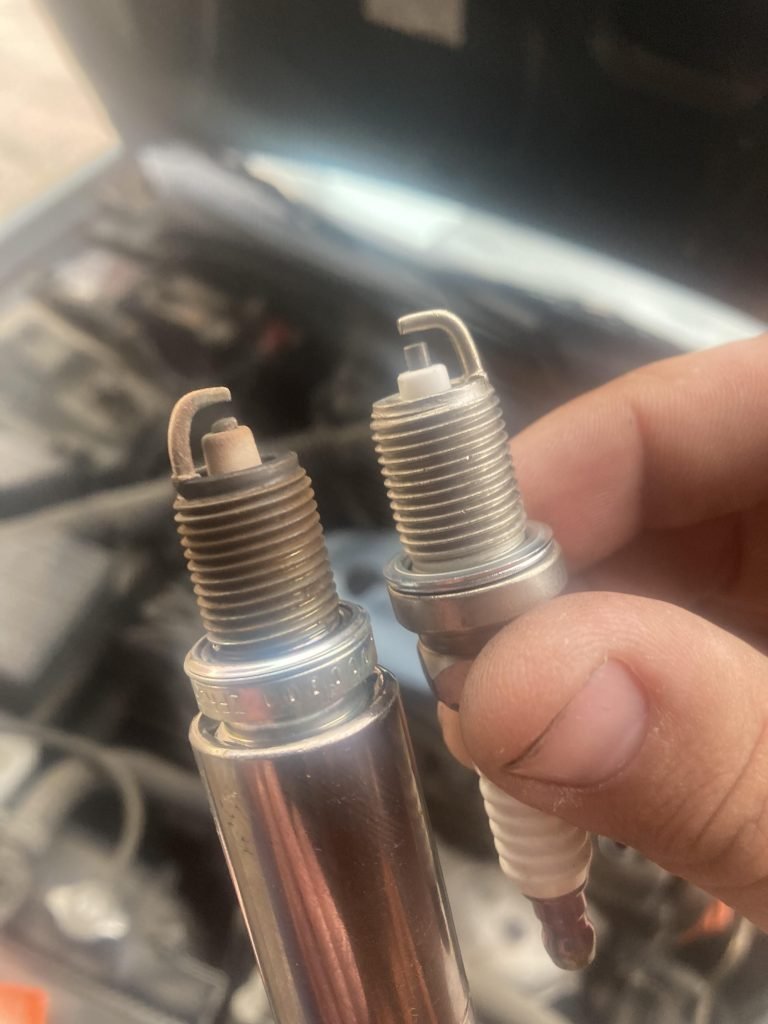
Visual inspection of spark plugs helps identify problems early. This simple check can save money and improve engine performance. Use a good light source and a clean cloth before starting. Remove the spark plug carefully to avoid damage. Examine the plug closely for signs of wear or damage. Here are key visual inspection tips to follow.
Checking For Deposits
Look for any unusual deposits on the spark plug tip. Light tan or grayish deposits are normal. Heavy black soot means the engine is running rich or oil is burning. White or blistered deposits indicate overheating. Sticky or oily deposits can cause misfires. These signs mean the spark plug may need cleaning or replacement.
Assessing Electrode Wear
Check the electrode for rounding or erosion. The electrode should have sharp edges for a strong spark. If it looks worn down or thin, it is less effective. A gap that is too wide or uneven affects ignition. Measure the gap with a feeler gauge if possible. Replace the spark plug if wear is severe.
Detecting Cracks And Damage
Inspect the ceramic insulator for cracks or chips. Even small cracks can cause misfires or poor performance. Check the metal shell for rust or corrosion. Bent or broken electrodes also need immediate replacement. Physical damage often means the spark plug is no longer reliable. Always discard damaged spark plugs to avoid engine issues.
Using Diagnostic Tools
Using diagnostic tools to check your spark plugs can save you time and money. These tools give you clear, specific information about your engine’s condition. Instead of guessing, you get precise data that helps you decide if your spark plugs really need replacing.
Obd-ii Scanner Codes
An OBD-II scanner plugs into your car’s diagnostic port and reads error codes from the engine control unit. These codes can point directly to spark plug issues, like misfires or ignition problems.
For example, a code like P0301 indicates a misfire in cylinder 1, which often means a faulty spark plug. You can clear the codes after replacing the plugs and see if they come back, confirming the fix.
Have you ever ignored a check engine light only to face bigger engine troubles later? Using an OBD-II scanner helps you catch problems early before they turn expensive.
Multimeter Testing
A multimeter measures electrical properties like resistance and voltage, which are key to testing spark plug health. You can check the spark plug’s resistance to see if it’s within the manufacturer’s specifications.
Simply remove the spark plug and touch the multimeter probes to the terminal and center electrode. If the resistance is too high or shows no continuity, the plug is likely bad.
This quick test can save you from replacing spark plugs unnecessarily. Have you tried using a multimeter on your spark plugs? It’s easier than most people think and gives you a clear answer.
Replacement Intervals And Factors
Knowing when to replace spark plugs helps keep your engine running smooth. Replacement intervals depend on several factors. These include what the car’s maker suggests and how you drive daily. Understanding these helps avoid engine problems and saves money on repairs.
Manufacturer Recommendations
Every car maker gives a guide on when to change spark plugs. This guide is found in the owner’s manual. Most suggest replacing plugs between 30,000 to 100,000 miles. Some modern plugs last longer, but old ones need frequent checks. Follow these guidelines to keep the engine healthy and efficient.
Driving Conditions Impact
Harsh driving conditions can wear out spark plugs faster. Short trips, stop-and-go traffic, and dusty roads add stress to plugs. Cold weather also makes plugs work harder. Heavy loads and high speeds affect plug life too. Under these conditions, check plugs more often to avoid engine trouble.
Diy Replacement Guide
Replacing spark plugs on your own saves money and improves your car’s performance. This guide helps you replace spark plugs safely and correctly. Follow these simple steps and get your engine running smoothly again.
Tools Required
- Spark plug socket wrench
- Ratchet wrench with extension
- Torque wrench
- Dielectric grease
- Compressed air or brush
- New spark plugs (correct type for your vehicle)
- Anti-seize compound (optional)
- Gloves and safety glasses
Step-by-step Removal
Start by opening the car hood and locating the spark plugs. Clean the area around each plug to avoid dirt entering the engine. Remove the spark plug wire or ignition coil carefully. Use the spark plug socket and ratchet to turn the plug counterclockwise. Pull the spark plug out gently. Check each plug for damage or buildup.
Installing New Spark Plugs
Check the gap on new spark plugs using a gap tool. Adjust the gap if needed. Apply a small amount of anti-seize compound to the plug threads. Insert the spark plug by hand to avoid cross-threading. Use the torque wrench to tighten the plug to the manufacturer’s specification. Reattach the spark plug wire or ignition coil. Repeat for all plugs and close the hood.
Professional Help Considerations
Knowing when to get professional help for spark plug issues can save time and avoid further damage. Spark plugs affect your engine’s performance and fuel efficiency. Some signs mean it’s best to visit a mechanic rather than trying a DIY fix. Understanding these signs helps you decide the right moment to seek expert care.
When To Seek A Mechanic
- Engine misfires or runs rough despite cleaning spark plugs
- Car struggles to start or stalls frequently
- Check engine light stays on after basic checks
- Unusual engine noises or vibrations appear
- Signs of worn or damaged spark plug wires
- Uncertain about how to remove or inspect spark plugs safely
Mechanics have the tools and knowledge for accurate diagnosis. They can replace spark plugs correctly and check related parts. This ensures your engine runs smoothly and avoids costly repairs later.
Cost Expectations
Spark plug replacement costs vary by car make and model. Prices often include labor and parts. Expect to pay more for high-performance or luxury vehicles.
| Vehicle Type | Typical Spark Plug Cost | Labor Cost Range |
|---|---|---|
| Economy Cars | $10 – $20 per plug | $40 – $80 |
| SUVs and Trucks | $15 – $30 per plug | $60 – $120 |
| Luxury Vehicles | $30 – $60 per plug | $100 – $200 |
Regular spark plug replacement can improve fuel economy. It prevents engine problems that cost more to fix. Asking for a detailed quote helps avoid surprises at the shop.
Credit: modernautoparts.co.za
Frequently Asked Questions
How Do I Know If Spark Plugs Are Failing?
You may notice engine misfires, poor fuel economy, or difficulty starting. Inspect for worn electrodes or heavy deposits on the plugs. These signs indicate it’s time to replace spark plugs to maintain engine performance.
What Causes Spark Plugs To Wear Out Early?
Frequent short trips, poor fuel quality, and engine oil leaks can cause early wear. Overheating and improper gap settings also reduce spark plug lifespan. Regular maintenance helps prevent premature spark plug failure.
Can Bad Spark Plugs Damage My Engine?
Yes, faulty spark plugs can cause misfires and rough idling. This may lead to increased emissions and damage to catalytic converters. Replacing spark plugs promptly helps protect your engine’s health and efficiency.
How Often Should Spark Plugs Be Replaced?
Typically, spark plugs last between 30,000 and 100,000 miles, depending on type. Check your vehicle’s manual for specific intervals. Regular inspections ensure timely replacements and optimal engine performance.
Conclusion
Spark plugs play a key role in your car’s engine. Worn or dirty plugs cause poor performance and bad fuel economy. Watch for rough idling, trouble starting, or engine misfires. Checking spark plugs regularly helps you avoid bigger problems. Replace them as needed to keep your car running smooth.
Don’t wait for serious issues to appear. Taking care of spark plugs saves time and money. Remember, simple checks can protect your engine’s health and improve driving experience. Stay alert to signs and act early for best results.





