Imagine you’re cruising down the open road, your car humming along smoothly. But suddenly, you notice a slight stutter in the engine or a dip in fuel efficiency.
These subtle signs might be trying to tell you something important: it could be time to replace your spark plugs. Spark plugs are small yet vital components of your vehicle’s engine, and when they start to fail, they can impact performance and fuel economy.
So, how do you know if your spark plugs need replacing? We’ll dive into the telltale signs and symptoms, ensuring you can keep your vehicle running at its best. Stay with us to discover how you can diagnose this common issue before it becomes a bigger problem.

Credit: www.msn.com
Common Spark Plug Issues
Recognizing common spark plug issues can save you from unexpected car troubles and costly repairs. Spark plugs play a crucial role in your engine’s performance, and when they start to fail, your vehicle will show clear signs. Paying attention to these symptoms early can help you decide when it’s time to replace them.
Engine Misfires
Have you noticed your engine suddenly jerking or hesitating during acceleration? This is often caused by faulty spark plugs failing to ignite the fuel properly. Misfires can lead to a rough ride and may damage your catalytic converter if ignored.
If your car feels sluggish or stumbles at low speeds, it’s a strong indicator that your spark plugs aren’t firing consistently. Catching this early can prevent bigger engine problems down the road.
Poor Fuel Economy
Are you filling up your tank more often than usual? Worn spark plugs can cause incomplete combustion, meaning your engine burns more fuel to compensate. This inefficiency directly hits your wallet at the pump.
Tracking your mileage can reveal a drop in fuel economy, signaling it might be time for a spark plug check. Even a small improvement in combustion efficiency will save you money over time.
Difficulty Starting
Struggling to start your car, especially in cold weather, could be due to failing spark plugs. If the plugs can’t produce a strong enough spark, the engine won’t ignite properly, leaving you frustrated.
When your ignition feels weak or you hear prolonged cranking, inspect the spark plugs. Replacing old plugs often restores quick and reliable starts.
Rough Idling
Does your car shake or vibrate when it’s just sitting at a stoplight? Rough idling often points to spark plugs that aren’t firing evenly. This causes the engine to run unevenly and can lead to increased wear over time.
Pay attention to unusual engine sounds or vibrations during idle—they’re subtle clues your spark plugs need attention. Fixing this not only smooths your ride but also protects your engine’s health.
Visual Spark Plug Inspection
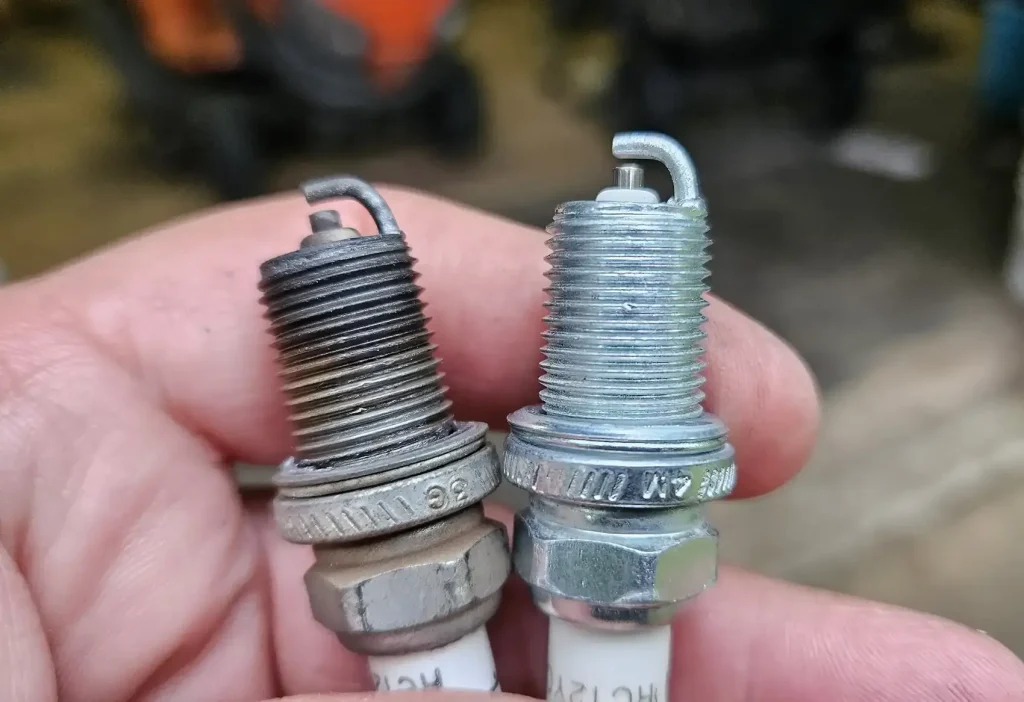
Visual spark plug inspection helps identify if spark plugs need replacement. It involves removing the spark plugs and examining their condition closely. This simple check reveals common issues affecting engine performance. Visual clues can indicate problems without expensive tools.
Checking For Carbon Deposits
Look for dry, black soot on the spark plug tip. Carbon deposits cause weak sparks and poor engine power. Excess deposits mean the engine runs too rich or the spark plug is old. Cleaning may help, but heavy buildup usually needs new plugs.
Worn Or Damaged Electrodes
Check the electrodes for rounded edges or erosion. Sharp edges create strong sparks, so wear reduces ignition quality. Cracks or breaks on electrodes also affect performance. If electrodes appear worn, replace the spark plugs promptly.
Oil Fouling Signs
Oil fouling shows as wet, oily deposits on the plug. It indicates oil leaks in the engine or worn piston rings. Oil fouling stops spark plugs from firing correctly. Replacing plugs alone will not fix the root cause, but fouled plugs must be changed.
Cracked Insulators
Inspect the ceramic insulator for cracks or chips. Cracks cause misfires by allowing spark leakage. Even small cracks reduce spark plug efficiency. Replace any spark plug with damaged insulators to ensure reliable ignition.
Performance Symptoms
Noticing a drop in your car’s performance can be frustrating, and often the culprit might be worn-out spark plugs. These small components play a big role in how efficiently your engine runs. Recognizing the signs early can save you from costly repairs and keep your ride smooth.
Reduced Acceleration
If your vehicle hesitates or struggles to speed up when you press the gas, it’s a red flag. Old spark plugs can cause incomplete combustion, leading to sluggish acceleration. You might feel like your car just isn’t responding the way it used to, especially when merging onto highways or climbing hills.
Engine Surging
Have you ever felt your engine suddenly rev up and then drop without touching the accelerator? This uneven power delivery is often a sign of spark plugs misfiring. It can make your driving experience unpredictable and even dangerous if the engine’s power fluctuates unexpectedly.
Increased Emissions
Dirty or failing spark plugs can cause your engine to burn fuel inefficiently, increasing harmful emissions. If your car fails an emissions test or you notice a strong fuel smell, it might be time to check those plugs. Cleaner combustion means better fuel economy and less pollution, which benefits you and the environment.
When To Replace Spark Plugs
Knowing when to replace your spark plugs can save you from unexpected engine troubles and improve your car’s performance. Worn spark plugs cause misfires, poor fuel economy, and rough starts. But how do you decide the right time to swap them out?
Manufacturer Recommendations
Your vehicle’s manual is the best starting point for spark plug replacement intervals. Manufacturers test their engines extensively, so their guidelines reflect optimal timing for maintenance.
Most manuals suggest replacing spark plugs between 30,000 and 100,000 miles, depending on the type of spark plug and engine design. Ignoring these recommendations can lead to decreased performance and costly repairs later.
Mileage Guidelines
Tracking mileage is a practical way to know when to replace spark plugs. If you’ve hit around 30,000 miles on standard copper plugs, it’s time to check them.
For iridium or platinum plugs, the interval often extends to 60,000–100,000 miles. However, driving habits and conditions can shorten their lifespan.
- Frequent short trips may cause early wear.
- Stop-and-go traffic stresses plugs more than highway driving.
Ask yourself: Have you noticed engine hesitation or reduced fuel efficiency as your mileage climbs?
Aftermarket Vs Oem Options
Choosing between OEM (Original Equipment Manufacturer) and aftermarket spark plugs affects your car’s performance and longevity.
OEM plugs match your car’s specifications exactly, ensuring reliable operation. Aftermarket options might offer cost savings but vary in quality.
Some aftermarket plugs claim better durability or performance, but they may not always fit perfectly or work well with your engine’s design.
- OEM plugs provide peace of mind with tested compatibility.
- High-quality aftermarket plugs can be a good choice if you research carefully.
Consider your budget and how long you plan to keep your vehicle before making a choice.
Spark Plug Replacement Tips
Replacing spark plugs might seem straightforward, but doing it right can save you time and money. Knowing the right spark plugs to choose and how to install them properly ensures your engine runs smoothly. Let’s dive into some practical tips that will help you handle spark plug replacement like a pro.
Choosing The Right Spark Plugs
Your vehicle’s manual is the best starting point to find the correct spark plug type. Using the wrong plugs can lead to poor engine performance or even damage.
Consider the heat range, material, and gap size. Iridium or platinum plugs last longer but cost more, while copper plugs are budget-friendly but wear out faster.
Ask yourself: Are you looking for longevity or immediate performance? Your driving style and conditions should influence your choice.
Tools Needed
- Spark plug socket (usually 5/8” or 13/16”)
- Ratchet wrench
- Torque wrench
- Gap gauge tool
- Extension bar (if spark plugs are hard to reach)
- Anti-seize compound (optional, but helpful)
Having these tools ready prevents frustration and helps you avoid damaging the plugs or engine parts.
Step-by-step Replacement Process
- Start with the engine cool to avoid burns.
- Remove the ignition coil or spark plug wire carefully to access the plug.
- Use the spark plug socket and ratchet to loosen and remove the old plug.
- Check the gap on the new plug with the gap gauge and adjust if needed.
- Apply a small amount of anti-seize compound on the threads if desired.
- Install the new plug by hand to avoid cross-threading.
- Tighten it with the torque wrench to the correct specification.
- Reconnect the ignition coil or wire securely.
Have you ever struggled with stuck spark plugs? Taking your time and using the right tools can prevent that headache.
Torque Specifications
Each spark plug needs to be tightened to a specific torque to ensure a proper seal without damaging the threads.
Over-tightening can strip the cylinder head threads. Under-tightening can cause compression leaks or plug loosening.
| Plug Type | Torque Range (ft-lbs) |
|---|---|
| Copper | 15 – 20 |
| Platinum | 10 – 15 |
| Iridium | 10 – 15 |
Check your vehicle’s manual for exact numbers. Do you know what torque your spark plugs require? Skipping this step can lead to expensive repairs.

Credit: www.reddit.com
Maintaining Spark Plug Health
Maintaining spark plug health is key to your car’s smooth running. Good spark plugs help the engine start easily and run efficiently. Regular care can avoid costly repairs and improve fuel economy. Simple habits keep spark plugs in top shape and extend their life.
Regular Inspections
Check spark plugs every 30,000 miles or during routine service. Look for signs of wear like cracks, deposits, or erosion. Clean or replace damaged plugs to keep the engine firing right. Early detection prevents poor performance and engine misfires.
Using Quality Fuel
Fuel quality affects spark plug health significantly. Poor fuel leaves deposits on plugs, causing misfires. Use recommended fuel grades to reduce build-up and maintain spark efficiency. Clean fuel helps the engine burn smoothly and protects the plugs.
Avoiding Engine Overheating
High engine temperature damages spark plugs quickly. Overheating causes electrodes to wear faster and fail. Keep the cooling system in good condition to prevent heat stress. Proper engine temperature extends spark plug life and improves performance.

Credit: www.reddit.com
Frequently Asked Questions
How Often Should Spark Plugs Be Replaced?
Spark plugs typically last 30,000 to 100,000 miles, depending on the type. Check your vehicle’s manual for specific intervals to maintain optimal performance and fuel efficiency.
What Are Common Signs Of Bad Spark Plugs?
Common signs include engine misfires, rough idling, poor acceleration, and decreased fuel efficiency. If you notice these, your spark plugs may need replacement.
Can Old Spark Plugs Affect Fuel Economy?
Yes, worn spark plugs cause incomplete combustion, lowering fuel efficiency. Replacing them can improve mileage and reduce emissions, saving money on fuel.
How Do Spark Plugs Impact Engine Performance?
Spark plugs ignite the air-fuel mixture. Worn plugs cause weak sparks, leading to rough starts, misfires, and sluggish acceleration. Timely replacement ensures smooth engine operation.
Conclusion
Worn spark plugs cause engine problems and lower fuel efficiency. Listen for rough idling, trouble starting, or loss of power. Checking spark plugs regularly keeps your car running smoothly. Replacing them on time saves money and avoids bigger repairs. Remember, good spark plugs help your engine work better.
Keep an eye on these signs to know when to change them. Your car will thank you with better performance and less pollution. Simple maintenance goes a long way in vehicle care. Stay attentive and drive safely.





