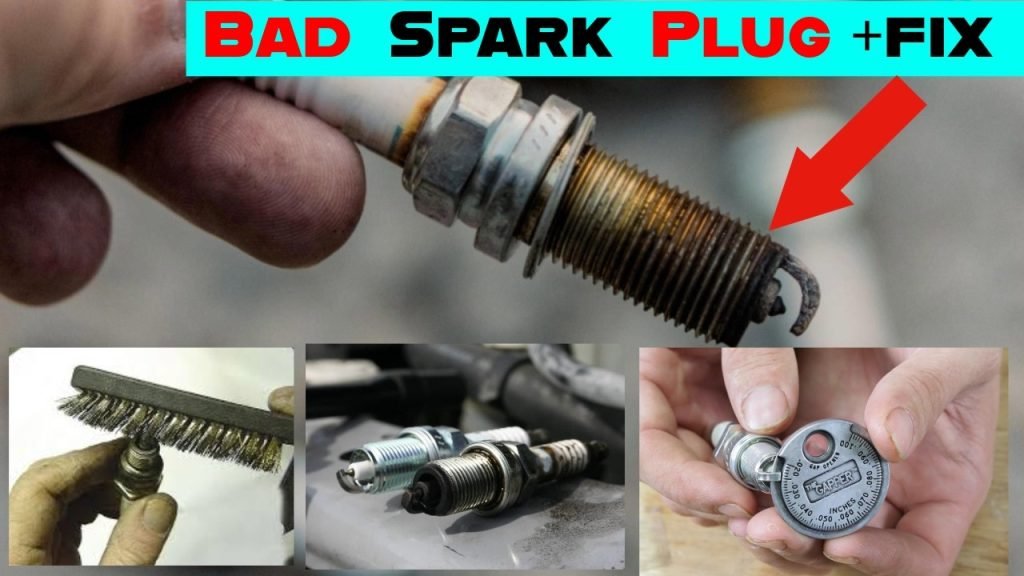
Your car’s performance is like a symphony, and the spark plugs are the conductors. When they falter, the entire orchestra can go off-key.
Have you noticed your car stalling, or maybe it’s just not as peppy as it used to be? These could be signs that your spark plugs are waving a red flag. Ignoring them could lead to bigger problems and hefty repair bills.
But how do you really know if your spark plugs are bad? This guide will arm you with the knowledge to diagnose the issue before it becomes a costly headache. Stay with us, and you’ll learn how to keep your car running smoothly and avoid unexpected breakdowns.
Credit: www.waynesgarageinc.net
Common Spark Plug Issues
Spark plugs play a key role in engine performance. They ignite the air-fuel mixture inside the engine cylinders. Over time, spark plugs face wear and tear. Common issues can cause poor engine start, misfires, and low fuel efficiency. Knowing these issues helps in spotting bad spark plugs early. Here are some frequent problems found in spark plugs.
Worn Electrodes
Electrodes wear down with use. They become thinner and rounded. This reduces the spark strength needed to ignite fuel. Worn electrodes cause weak sparks, leading to engine misfires. Checking the electrode shape helps spot this issue fast.
Carbon Buildup
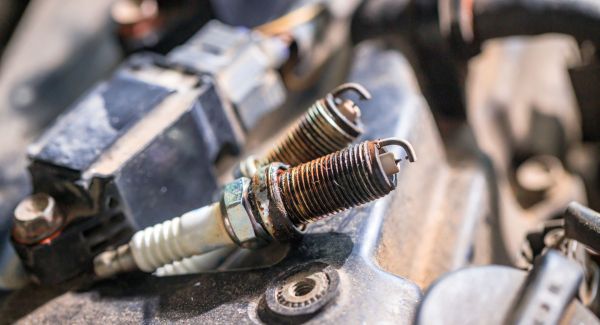
Carbon deposits form from incomplete fuel burning. They cover the electrode and insulator tip. This blocks the spark from jumping the gap. Engines may run rough or stall. Carbon buildup looks like black, dry soot on the plug.
Oil Fouling
Oil leaks into the combustion chamber cause oil fouling. Oil coats the spark plug, preventing proper sparks. This leads to rough idling and poor acceleration. The plug looks wet and oily instead of dry.
Cracked Insulator
The insulator surrounds the center electrode. Cracks can develop from heat or impact. Cracks cause sparks to escape, not reaching the fuel. This causes misfires and poor engine performance. Inspect plugs for visible cracks or damage.
Engine Performance Symptoms
Noticing changes in your engine’s behavior can be the first sign that your spark plugs might be failing. Spark plugs play a key role in igniting the fuel-air mixture, so any issues with them often show up as engine performance problems. Recognizing these symptoms early helps you avoid bigger repairs and keeps your car running smoothly.
Hard Starting
Does your car take longer to start than usual? Hard starting is a common sign of worn-out spark plugs. When plugs can’t produce a strong spark, the engine struggles to ignite the fuel, leaving you turning the key repeatedly.
If you find yourself needing extra attempts or holding the key longer, it’s time to check those plugs. Have you noticed your engine hesitating before it fires up recently?
Engine Misfires
Engine misfires feel like sudden jerks or stutters while driving. This happens because bad spark plugs fail to ignite the fuel properly in one or more cylinders. Misfires not only disrupt your drive but also increase emissions and stress on your engine.
If your check engine light flickers alongside these jerks, it’s a strong hint that your spark plugs need attention. How often do you experience these unexpected jolts?
Rough Idling
When your engine is idling roughly, you might hear uneven sounds or feel vibrations inside the car. Faulty spark plugs cause incomplete combustion, making the engine run unevenly at low speeds. This rough idling can also lead to stalling in some cases.
Pay attention to your engine’s behavior when stopped at a light or parked. Is it smoother than usual, or does it seem like it’s struggling to stay on?
Reduced Fuel Efficiency
Bad spark plugs can lower your car’s fuel efficiency because they don’t ignite the fuel-air mixture efficiently. This means more fuel is wasted, costing you extra at the pump. If you notice you’re refilling more often without changing your driving habits, spark plugs might be the culprit.
Tracking your miles per gallon over time can reveal subtle drops in fuel economy. Are you getting fewer miles per tank than before?
Visual Inspection Tips
Visual inspection is one of the easiest and most effective ways to check if your spark plugs are bad. It helps you spot obvious signs of damage or wear that could affect your engine’s performance. Taking a careful look can save you time and money by catching problems early before they cause bigger issues.
Removing Spark Plugs Safely
Before you inspect your spark plugs, make sure the engine is cool to avoid burns. Use a proper spark plug socket and ratchet to gently loosen and remove them. Avoid using excessive force—spark plugs can be fragile, and stripping the threads can lead to costly repairs.
Checking Electrode Condition
Look closely at the central and ground electrodes of each plug. They should be intact and not worn down or rounded off. If the electrodes appear eroded or have sharp edges missing, it’s a strong sign the spark plug isn’t firing properly.
Identifying Deposits
Notice any unusual buildup on the spark plugs such as black soot, oily residue, or white ash. Black and sooty deposits often indicate a rich fuel mixture or weak ignition. Oily deposits could mean oil is leaking into the combustion chamber, while white deposits might suggest overheating or coolant leaks.
Inspecting Gap And Wear
Check the gap between the electrodes with a feeler gauge to see if it matches your vehicle’s specifications. A gap that’s too wide or too narrow can cause misfires or poor engine performance. Also, look for cracks or chips on the ceramic insulator—these are sure signs your spark plug needs replacement.

Credit: www.myjeepcompass.com
Testing Spark Plugs
Testing spark plugs is a crucial step to ensure your engine runs smoothly and efficiently. Bad spark plugs can cause rough idling, poor fuel economy, and difficulty starting your vehicle. By testing them yourself, you can save time and avoid unnecessary replacements.
Using A Spark Tester
A spark tester is a simple tool that helps you see if your spark plugs are firing correctly. You connect the tester between the spark plug and the ignition wire, then crank your engine.
If you see a strong, blue spark inside the tester, your plug is working well. A weak or no spark indicates the spark plug might be faulty or there’s an issue in the ignition system. I once found a faulty spark plug using this method after my car struggled to start on a cold morning.
Multimeter Resistance Check
A multimeter can measure the resistance of your spark plug’s electrode. Set the multimeter to the ohms (Ω) setting, then touch one lead to the terminal and the other to the electrode tip.
Healthy spark plugs usually show resistance between 4,000 and 8,000 ohms. Values outside this range mean the plug is worn out or damaged. This test helps catch internal problems that visual inspections might miss.
When To Replace
Even if your spark plugs pass tests, they don’t last forever. Signs that it’s time to replace them include engine misfires, poor acceleration, and increased fuel consumption.
Check your vehicle’s manual for recommended replacement intervals, but if you notice these symptoms earlier, testing your plugs is a smart move. Have you checked your spark plugs recently? It might be the key to solving your car troubles.
Preventive Maintenance
Preventive maintenance plays a crucial role in keeping your engine running smoothly and avoiding unexpected breakdowns. Spark plugs might seem like small components, but their condition directly affects your car’s performance and fuel efficiency. Knowing how to care for them before issues arise can save you time, money, and hassle on the road.
Recommended Replacement Intervals
Every vehicle has a suggested interval for spark plug replacement, usually found in the owner’s manual. These intervals often range from 30,000 to 100,000 miles, depending on the spark plug type and driving conditions.
Ignoring these guidelines can lead to misfires, poor acceleration, and increased fuel consumption. Have you checked your last replacement date recently? Setting a reminder can help you stay on track and avoid costly repairs down the line.
Choosing The Right Spark Plugs
Not all spark plugs are created equal. Your engine requires a specific type, size, and heat range for optimal performance.
Using the wrong spark plug can cause rough idling or engine knocking. Consult your vehicle’s manual or talk to a trusted mechanic to find the best fit. Sometimes, upgrading to platinum or iridium plugs can extend life and improve efficiency.
Proper Installation Techniques
Installing spark plugs correctly is just as important as choosing the right ones. Over-tightening can damage the threads, while under-tightening may cause poor contact and misfires.
Always use a torque wrench to apply the manufacturer’s recommended tightness. Applying a small amount of anti-seize compound on the threads can make future removal easier but check if your plugs come pre-coated. Have you ever struggled with spark plugs stuck in the cylinder head? Proper installation helps avoid this frustrating problem.
Credit: www.toyotanation.com
Frequently Asked Questions
How Do I Know If Spark Plugs Are Failing?
You may notice engine misfires, rough idling, or poor acceleration. Check for difficulty starting the engine and reduced fuel efficiency. These signs often indicate failing spark plugs that need inspection or replacement.
What Causes Spark Plugs To Go Bad?
Spark plugs can degrade due to carbon buildup, oil leaks, or overheating. Normal wear from prolonged use also affects performance. Regular maintenance helps prevent damage and extends spark plug life.
How Often Should Spark Plugs Be Replaced?
Typically, spark plugs should be replaced every 30,000 to 100,000 miles. Check your vehicle’s owner manual for specific intervals. Timely replacement ensures optimal engine performance and fuel efficiency.
Can Bad Spark Plugs Affect Fuel Economy?
Yes, worn spark plugs cause incomplete combustion, reducing fuel efficiency. Replacing faulty plugs restores proper ignition and improves gas mileage. Maintaining spark plugs helps save fuel costs.
Conclusion
Bad spark plugs can cause your engine to run poorly or stop. Watch for rough idling, slow acceleration, or trouble starting. Regular checks help catch problems early and save money. Replace spark plugs as your car’s manual suggests. A healthy engine means better fuel use and less pollution.
Taking care of spark plugs keeps your car running smooth and safe. Simple steps now prevent bigger issues later. Trust your senses and stay alert to signs of wear. Keep your ride strong and reliable with good spark plugs.





