
Is your car not running as smoothly as it once did? It might be time to focus on a small but crucial component: the spark plug.
These tiny devices play a big role in starting your engine and keeping it running efficiently. But how can you tell if your spark plug needs replacing? Ignoring the signs could lead to bigger problems and costly repairs down the road.
In this guide, you’ll discover clear and simple ways to identify if your spark plug is failing. By the end, you’ll have the confidence to take action, ensuring your vehicle runs smoothly and efficiently. Stay with us to learn the key signs and simple checks that could save you time, money, and headaches.
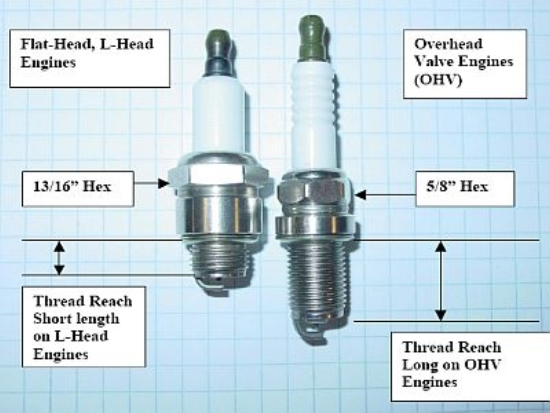
Credit: www.vanguardpower.com
Role Of Spark Plugs
Spark plugs play a key role in a vehicle’s engine. They create the spark that ignites the air-fuel mixture inside the engine cylinders. This ignition powers the engine and keeps the car moving.
Without properly working spark plugs, the engine struggles to start or runs poorly. They help maintain smooth engine performance and fuel efficiency. Knowing their role helps understand why replacing them is important.
Ignition Of Air-fuel Mixture
Spark plugs produce a small electric spark. This spark lights the air and fuel inside the engine. The explosion pushes the piston down, creating power to move the car.
Ensuring Engine Efficiency
Good spark plugs burn fuel completely. This leads to better fuel use and less pollution. Faulty plugs cause incomplete burning and waste fuel.
Maintaining Smooth Engine Operation
Consistent sparks keep the engine running smoothly. Bad plugs cause misfires, rough idling, or hesitation. This affects driving comfort and engine life.
Supporting Emission Control
Proper spark plugs help reduce harmful emissions. They assist the catalytic converter by ensuring proper combustion. Worn plugs increase emissions and can fail emissions tests.

Credit: www.reddit.com
Common Spark Plug Issues
Knowing the common issues that affect spark plugs can save you time and money. These problems often show up as performance hiccups or strange engine behavior. Paying attention early can prevent bigger car troubles down the road.
Worn Electrodes
Electrodes wear down with use, increasing the gap between them. This wider gap makes it harder for the spark to jump across, causing weak ignition. If your engine misfires or struggles to start, worn electrodes might be the culprit.
Carbon Buildup
Carbon deposits can accumulate on the spark plug over time, especially if your engine runs too rich or you take a lot of short trips. This buildup blocks the spark and disrupts combustion. You might notice rough idling or a drop in fuel efficiency as a result.
Oil Fouling
If oil leaks into the combustion chamber, it can coat the spark plug. This fouling prevents the spark plug from firing properly, leading to engine misfires and poor acceleration. Spotting oily deposits on the plug tip is a clear sign that it needs attention.
Cracked Insulator
The ceramic insulator around the spark plug can crack due to heat stress or improper installation. A cracked insulator causes electrical shorts and weak sparks. If your engine feels sluggish or stalls unexpectedly, inspect the spark plugs for any cracks.
Overheating
Excessive heat can damage spark plugs, causing the electrodes to melt or the insulator to crack. Overheating often results from incorrect spark plug heat range or engine issues like a lean fuel mixture. Keep an eye out for white, blistered deposits on the plug as a warning sign.
Signs Of Wear And Damage
Knowing the signs of wear and damage on your spark plugs can save you from unexpected engine troubles. Spark plugs work hard, and over time, they show clear signs when they need replacing. Paying attention to these signs helps you keep your engine running smoothly and efficiently.
Visible Cracks Or Deposits
Check your spark plugs closely for any visible cracks on the porcelain insulator. Cracks allow moisture and dirt to enter, causing misfires or poor engine performance. Also, look for unusual deposits like oily or carbon buildup, which can interfere with spark efficiency.
If you spot stubborn deposits, it could mean your engine is burning oil or running too rich. Have you ever noticed your car hesitating during acceleration? Deposits on spark plugs might be the culprit.
Eroded Electrodes
The electrodes on a spark plug are crucial for creating the spark that ignites your fuel. Over time, these electrodes wear down or erode, increasing the gap and weakening the spark.
When the electrode edges become rounded or thin, your engine may struggle to start or run smoothly. If you’ve experienced rough idling or decreased fuel efficiency, worn electrodes might be to blame.
Burnt Or Fouled Appearance
A burnt or blackened spark plug often signals overheating or improper combustion. This can happen due to incorrect fuel mixtures or engine timing issues.
Fouled spark plugs covered in soot or oil deposits cause misfires and poor acceleration. Have you noticed your car’s engine running rough or stalling? Inspecting the spark plugs could reveal this hidden problem.
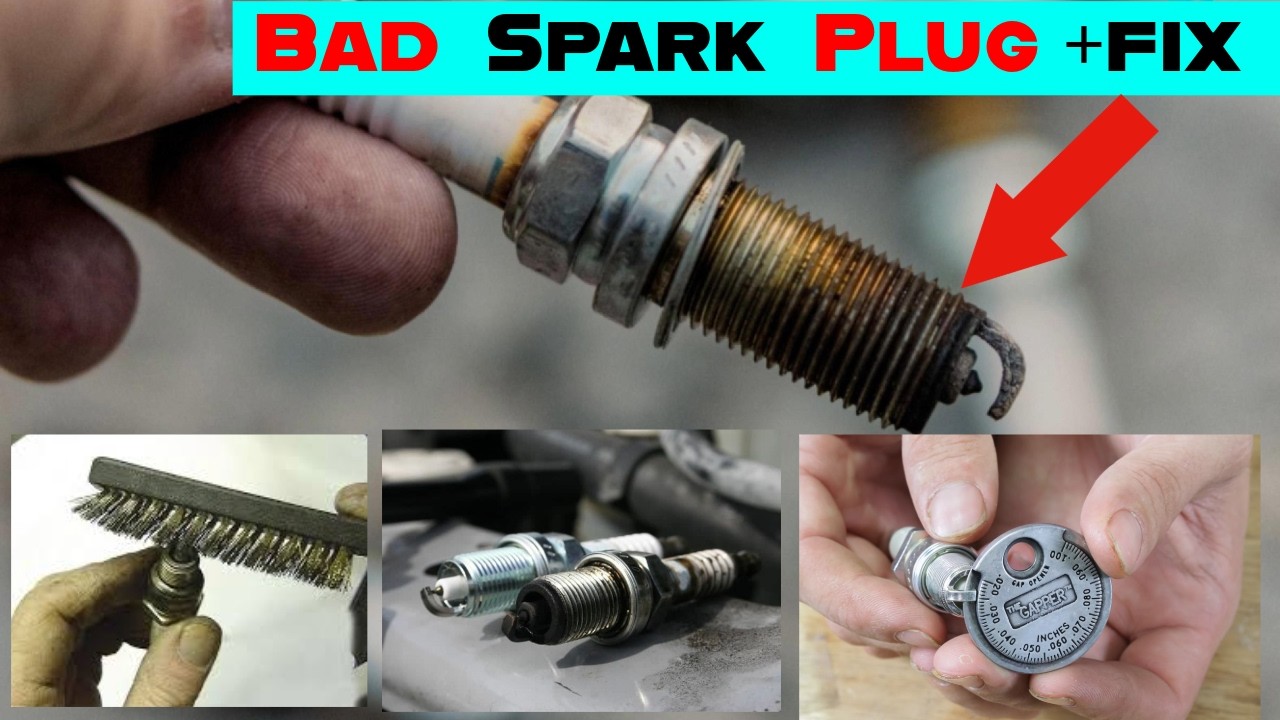
Credit: www.youtube.com
Performance Symptoms
Performance issues in your vehicle often signal worn-out spark plugs. These small parts play a big role in engine function. When they fail, the engine struggles to perform well. Watch for signs like misfires or poor fuel use. Such symptoms tell you when it’s time to replace spark plugs.
Engine Misfires
Engine misfires happen when spark plugs fail to ignite the fuel-air mix properly. You may feel sudden jerks or hear popping sounds. This lowers engine power and can damage other parts. Misfires often mean spark plugs are dirty or worn out.
Poor Fuel Efficiency
Old spark plugs cause incomplete fuel burning. This wastes gas and lowers miles per gallon. You might notice needing more fuel for the same distance. Replacing spark plugs can restore better fuel use and save money.
Difficulty Starting The Engine
Bad spark plugs make it hard to start your car. The engine may crank longer or fail to start smoothly. This happens because the spark needed to ignite fuel is weak. Fresh spark plugs help the engine start quickly and easily.
Rough Idling
Rough idling feels like the engine shakes or runs unevenly at rest. This happens when spark plugs can’t provide steady sparks. The engine may sound noisy or run slower. New spark plugs bring smooth and quiet idling back.
Maintenance Tips
Maintaining spark plugs extends engine life and improves performance. Regular care prevents engine misfires and poor fuel economy. Simple maintenance steps keep your spark plugs working well. Follow these tips to know when and how to replace spark plugs.
Regular Inspection Intervals
Check spark plugs every 30,000 miles or as your car manual suggests. Inspections catch wear and damage early. Use a flashlight to look for cracks, corrosion, or buildup. Replace plugs if you see heavy deposits or worn electrodes.
Proper Cleaning Techniques
Clean spark plugs gently to remove carbon deposits. Use a soft wire brush or spark plug cleaner tool. Avoid harsh chemicals that can damage the plug. Dry the plug completely before reinstalling it in the engine.
Choosing The Right Replacement
Pick spark plugs matching your vehicle’s make and model. Use the exact heat range recommended by the manufacturer. Check the plug gap and adjust if needed before installation. Quality plugs ensure better ignition and longer engine life.
Tools For Checking Spark Plugs
Checking your spark plugs regularly can save you from unexpected engine troubles. To do this effectively, you need the right tools. These tools help you inspect, measure, and determine if your spark plugs need replacing.
Spark Plug Socket
A spark plug socket is designed specifically to fit the spark plug’s shape and size. It usually has a rubber insert inside to grip the plug securely without damaging it. Using this tool makes removing and reinstalling spark plugs safer and easier.
Have you ever tried to remove a spark plug with a regular wrench? It’s tricky and risks snapping the plug or damaging the threads. A spark plug socket prevents these problems and saves you time during the check.
Gap Gauge
The gap gauge measures the distance between the spark plug’s electrodes. This gap is crucial because it affects the spark’s strength and efficiency. A gap that’s too wide or too narrow can cause engine misfires or poor fuel economy.
Car manufacturers provide specific gap measurements for each vehicle. With a gap gauge, you can quickly see if your spark plug meets these specs or if it’s time for a replacement. You can find gap gauges in simple wire forms or digital versions for more precision.
Visual Inspection Tools
Sometimes, you just need to look closely at your spark plugs to spot issues. A magnifying glass or a small flashlight can help you see cracks, carbon buildup, or oil deposits clearly. These signs indicate that the spark plug isn’t performing well.
Using these simple tools, you can detect physical damage early, preventing bigger engine problems. Have you noticed discoloration or wear on your spark plugs before? These visual clues often tell you more than just numbers.
Frequently Asked Questions
How Often Should Spark Plugs Be Replaced?
Spark plugs typically last 30,000 to 100,000 miles. Check your vehicle’s manual for exact intervals. Replace them sooner if you notice performance issues or poor fuel economy.
What Are Common Signs Of Bad Spark Plugs?
Symptoms include engine misfires, rough idling, poor acceleration, and increased fuel consumption. Visual damage like worn electrodes or carbon buildup also signals replacement is needed.
Can Dirty Spark Plugs Cause Starting Problems?
Yes, dirty or fouled spark plugs can prevent the engine from starting. They reduce spark efficiency, making ignition difficult, especially in cold weather or after long periods of inactivity.
How To Visually Inspect Spark Plugs For Damage?
Remove the spark plug and check for worn electrodes, cracks, or excessive carbon deposits. A healthy plug has a light tan color on the insulator tip.
Conclusion
Knowing the signs of a bad spark plug saves time and money. Check for cracks, wear, or buildup regularly. A faulty spark plug can cause engine problems and poor fuel use. Replace spark plugs as needed to keep your car running smooth.
Simple checks prevent bigger issues down the road. Keep your engine healthy with timely spark plug care. It’s an easy way to maintain good car performance. Don’t ignore the small details—they matter a lot.





